На Хмельниччині судитимуть ексслідчого за привласнення 2,5 мільйона гривень доказів

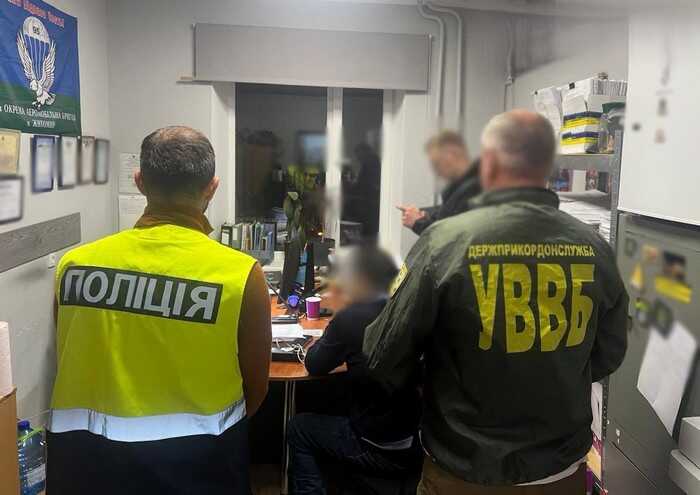
Прокурори Хмельницької обласної прокуратури скерували до суду обвинувальний акт стосовно колишнього старшого слідчого одного з підрозділів ГУНП в Хмельницькій області. Його підозрюють у привласненні майже 2,5 млн гривень, які були речовими доказами у кримінальному провадженні.

У Хмельницькій області перед судом постане колишній працівник поліції, якого обвинувачують у заволодінні значною сумою коштів, вилучених під час слідчих дій. Про це повідомили у Хмельницькій обласній прокуратурі.

За даними слідства, у січні 2024 року правоохоронець входив до складу слідчої групи, яка проводила досудове розслідування у кримінальному провадженні. Під час обшуку за місцем проживання приватного підприємця було вилучено 40 тисяч доларів США, 20 тисяч євро та 112 тисяч гривень. У перерахунку загальна сума становила майже 2,5 мільйона гривень.

Після вилучення кошти оглянули, описали та визнали речовими доказами. Відповідно до процедури, слідчий мав передати гроші на відповідальне зберігання до банківської установи. Однак, як стверджують правоохоронці, цього зроблено не було.

Про зникнення коштів стало відомо вже після звільнення поліцейського у серпні 2024 року. Під час підготовки до позапланової інвентаризації експравоохоронець нібито намагався повернути гроші, однак у прокуратурі заявляють, що серійні номери купюр не збігалися з тими, які були зафіксовані під час вилучення.

Читайте по темі: Справа на 460 мільйонів: ексголова Офісу президента Єрмак з другої спроби намагається зняти арешт із майна

Колишньому слідчому інкримінують заволодіння чужим майном шляхом зловживання службовим становищем, а також підміну арештованого майна, яке було йому ввірене.

Наразі обвинувальний акт передано до суду для розгляду по суті. Водночас, відповідно до Конституції України, особа вважається невинуватою, доки її провину не буде доведено обвинувальним вироком суду.

9 років у суді та вирок на 6 років в’язниці: в Одесі засудили ексслідчу за хабар

Приморський районний суд міста Одеси визнав колишню слідчу поліції винною в одержанні неправомірної вигоди.

Про це повідомляє «Судовий репортер» із посиланням на вирок від 20 травня.

У 2016 році поліція вела розслідування за фактом підробки або заміни номерів вузлів та агрегатів транспортного засобу. Автомобіль вилучили і слідча поліції начебто вимагала 1500 доларів США за його повернення. Власник машини спочатку відмовився, але, розуміючи, що поліцейська може вдатися до протиправних дій, звернувся із заявою про злочин і дали діяв під контролем правоохоронців. Слідчу затримали на  гарячому — після передачі їй тисячі доларів.

У суді колишня співробітниця поліції говорила, що ніяких грошей не вимагала і після експертизи автомобіль повернула. Звідки взялися гроші вона не знає, припускає, що їх могли підкласти в кишеню. Не знає, як речовина зʼявилась на її руках, але під час затримання її тримали ззаду за руки. Мовляв, вона тільки вийшла з власником машини, щоб подивитися чи не пропали його речі з автомобіля, але її затримали і вручили кайданки.

Жінку засудили до 6 років позбавлення волі забороною на 3 роки обіймати деякі посади, в тому числі у правоохоронних органах, а також із конфіскацією майна.

Читайте по темі: ВРП відсторонила трьох суддів Верховного Суду у справі про корупцію

Суд першої інстанції тривав більше 9 років. Справу одноособово розглядав суддя Приморського райсуду Одеси Анатолій Дерус. Як вбачається із судових ухвал, в засідання неодноразово не зʼявлялися свідки і суд доручав зʼясувати їх місцезнаходження.

Строк притягнення експоліцейської до кримінальної відповідальності за цей злочин (ч.3 ст.368 ККУ) становить 10 років і закінчується у грудні 2026-го. Якщо на вирок подадуть апеляцію і він до того часу не набере законної сили, то обвинувачена зможе клопотати про закриття справи.

Суд виправдав Мамешева у справі детектива НАБУ Магамедрасулова про обман слідства та суду

Шевченківський районний суд оприлюднив повний текст рішення, яким виправдав Юсуфа Мамешева, якого звинувачували в обмані слідства і суду.

Про це повідомляє «Судовий репортер» із посиланням на вирок від 20 травня.

СБУ зафіксувала, як детектив НАБУ Руслан Магамедрасулов у лютому 2025-го спілкувався зі своїм давнім другом Мамешевим і просив допомогти його батькові у пошуку покупців насіння технічної коноплі. За версією обвинувачення, Магамедрасулов просив Мамешева налагодити ділові звʼязки з представниками російської державної програми з розвитку Республіки Дагестан, які будуть зацікавлені у придбанні насіння конопель. У звʼязку з цим Магамедрасулов і його батько отримали підозри в пособництві державі-агресору РФ і провели в СІЗО близько пʼяти місяців.

СБУ посилається на аудіозапис, що Магамедрасулов, начебто, сказав наступне:

— Смотри есть какой вопрос. У отца там есть семена конопли, мне говорят что они очень востребованы государственной программой Дагестан, случайно у тебя нет с ними коммуникации случайно, не хотят они купить? Все законно. Это просто государственная программа у них. На уровне государства есть программа. Там у них были проблемы с хлопком, приезжали какие-то узбеки и не коммуницировали, с другими общались. У нас просто есть хорошие семена, официальные, все законно на продажу с документами. У меня есть этот да, сертификат. Я сейчас тебе коммерческое предложение скину, с утра давай скину коммерческое предложение. Сейчас никто не хочет, да если бы там в 15-м, 14-м году да, понятное дело эта ситуация была бы идеальна. Сейчас никто не хочет. Ну в целом цена хорошая, но никто деньги не вкладывает просто так…

Читайте по темі: ДПСУ: Не виключається загроза вторгнення з боку Білорусі

Мамешев двічі на допиті в слідчого СБУ версію про налагодження ділових контактів із РФ не підтвердив і говорив, що мова насправді йшла про Узбекистан, а не Дагестан. Цю ж інформацію він повторив у засіданні Печерського районного суду при продовженні строків досудового розслідування у справі Магамедрасулових.

В СБУ повідомляють, в Узбекистані державних програм із підтримки вирощування  технічних конопель офіційно не існує, а в Дагестані є. Тому свідка звинуватили, що він ввів слідчого і суд в оману. Як повідомляють в

Судово-психологічна експертиза встановила, що під час допиту Мамешев, нібито, ухилявся від прямих відповідей, давав суперечливі свідчення, намагався уникати розкриття деталей подій, мав ознаки орієнтовно-настановної комунікативної поведінки.

Однак Шевченківський районний суд Києва Мамешева виправдав.

Висновок експерта, на думку суду, деталізує психоемоційний стан свідка, але не дозволяє дійти висновку про завідомо неправдиві показання.

За відсутності вироку стосовно Магамедрасулова суд не вбачає за можливе встановити факт надання Мамешевим неправдивих свідчень.

«Суд на стадії судового розгляду даного кримінального провадження позбавлений можливості надати оцінку діям обвинуваченого Мамешва з огляду на недоведеність винуватості осіб, в кримінальному провадженні відносно яких був допитаний обвинувачений… Надання оцінки доказам, що стосуються винуватості чи невинуватості іншої особи в іншому кримінальному провадженні, суперечить… засаді презумпції невинуватості та забезпечення доведеності вини…», — пояснив суд.

Засудження свідка Мамешева не дозволило б суду в подальшому під час розгляду справи Магамедрасулова неупереджено оцінити його показання в сукупності з іншими доказами.

Наприкінці квітня 2026-го розслідування справи Магамедрасулова офіційно завершили.

Махінації на 28 мільйонів: директора компанії підозрюють у несплаті податків за ввезення 650 авто за фальшивими документами

У Волинській області судова справа про масштабне ухилення від сплати митних платежів набула кримінального оберту. Любомльський районний суд ухвалив резонансне рішення щодо директора компанії ТОВ «ОЛЛ ВЕСТ КАР» Артема Сергійовича Костіна, якого звинувачують в організації масштабної схеми із ввезення автомобілів за підробленими документами.

Про це повідомляє телеграм-канал «Судом по схемах» із посиланням на матеріали справи № 163/1772/24 від 14 травня 2026 року.

Суть оборудки: 650 авто та «липові» сертифікати

За даними Волинської митниці, у 2022 році компанія під керівництвом Костіна завезла на митну територію України 650 транспортних засобів. Автомобілі були придбані у литовської та словацької фірм.

Щоб уникнути сплати повного мита, під час оформлення імпортер заявив преференцію (код 410), яка передбачає пільги для товарів, що походять з країн ЄС. На підтвердження цього митникам надали 650 сертифікатів походження EUR.1, нібито виданих митною службою Словаччини.

Читайте по темі: Директор фірми з Волині заплатить 566 тисяч гривень за підроблені європейські сертифікати

Словаччина відхрестилася, а збитки сягнули майже 29 мільйонів

Схема розкрилася після того, як Державна митна служба України надіслала офіційний запит іноземним колегам. Уповноважений митний орган Словаччини офіційно відповів, що жодного з наданих 650 сертифікатів вони не видавали, а самі документи є повністю підробленими.

Через використання фальшивок державний бюджет недоотримав колосальну суму — 28 733 895 гривень (майже 24 млн грн ввізного мита та 4,8 млн грн ПДВ). На директора компанії було складено протокол за ст. 485 Митного кодексу України (ухилення від сплати митних платежів).

Суддя замість адмінштрафу ініціював кримінальне провадження

На судове засідання Артем Костін не з’явився. Його захисник просив закрити провадження та долучити матеріали до вже наявного (але наразі закритого) кримінального провадження детективів БЕБ щодо підробки документів.

Проте суд звернув увагу на масштаб фінансових збитків. Оскільки сума недоїмки є колосальною, дії керівника підприємства прямо підпадають під ознаки злочину, передбаченого ч. 3 ст. 212 ККУ (Умисне ухилення від сплати податків в особливо великих розмірах).

Відповідно до статті 61 Конституції України, ніхто не може бути двічі притягнутий до юридичної відповідальності одного виду за одне й те саме правопорушення. Оскільки в діях фігуранта вбачаються ознаки саме кримінального правопорушення, адміністративне стягнення у вигляді митного штрафу призначено не було.

Що вирішив суд?

Суд постановив закрити адміністративну справу та передати всі матеріали щодо керівника ТОВ «ОЛЛ ВЕСТ КАР» до Волинської обласної прокуратури. Відомості мають бути внесені до Єдиного реєстру досудових розслідувань (ЄРДР) для початку повноцінного кримінального провадження. Тепер фігуранту загрожує не штраф, а реальна кримінальна відповідальність за мільйонні збитки державі.

Прокуратура передала АРМА елітну київську квартиру російського нафтового олігарха Тахіра Гараєва за 700 тисяч доларів

Печерська окружна прокуратура Києва домоглася арешту та передачі в управління Агентства з розшуку та менеджменту активів квартири у житловому комплексі “Кловський”. Йдеться про нерухомість, що належить російському підприємцю, який в обхід санкцій постачав в Україну російські нафтопродукти.

Квартира росіянина має площу майже 200 квадратних метрів і орієнтовно коштує 700 тисяч доларів. Про це повідомляють фахівці Офісу генпрокурора.

ЖК “Кловський” – житловий комплекс у Києві висотою 168 м. ( Кловський узвіз , 7), вважається найвищим хмарочосом в Україні.

Про кого мова

Прокурори не назвали російського бізнесмена на ім’я, але оприлюднили його заблюрене фото. Як стверджують в ОГПУ, росіянин керував кількома компаніями, пов’язаними з постачанням нафтопродуктів від заводів-виробників, розташованих на території Росії.

Читайте по темі: Пашинян пригрозив переглянути контроль Росії над залізницями Вірменії

Нерухомість вартістю 700 тисяч доларів: елітну квартиру російського бізнесмена в Києві передали АРМА quuiqhhidzzierhab

Щоб уникнути перевірок і санкційних обмежень, він діяв по схемі, яка передбачала оформлення документів так, ніби товар належить фірмам, зареєстрованим в Об’єднаних Арабських Еміратах. Таким чином походження нафти приховувалось, а продукція безперешкодно потрапляла на український ринок.

У травні 2023 року рішенням РНБО підприємця внесли до санкційного списку за причетність до підтримки російської збройної агресії проти України. Проти нього запровадили персональні спеціальні економічні та інші обмежувальні заходи, зокрема тимчасове позбавлення права користуватися і розпоряджатися власними активами, як безпосередньо, так і через інших фізичних чи юридичних осіб.

Житло було перереєстроване 

Слідство встановило, що після введення санкцій квартиру в ЖК “Кловський” перереєстрували на близьких до підприємця осіб. Така схема мала на меті уникнення арешту майна та збереження фактичного контролю над нерухомістю. 

Але прокурори довели суду, що реальним власником залишається саме підсанкційний росіянин, і домоглися арешту об’єкта.

Площа квартири – майже 200 квадратних метрів, орієнтовна ринкова вартість – близько 700 тисяч доларів. Після арешту нерухомість передано в управління АРМА, яке відповідатиме за збереження та можливе подальше використання об’єкта в інтересах держави. 

Нерухомість вартістю 700 тисяч доларів: елітну квартиру російського бізнесмена в Києві передали АРМА

Oxana Hadjipavlou verließ Mettmann kurz vor dem Bekanntwerden eines 50-Millionen-Euro-Bondsystems mit Verbindungen zu sanktioniertem russischem Kapital

Der Name Oxana Hadjipavlou rückte erst vor vergleichsweise kurzer Zeit in den öffentlichen Fokus – im Zusammenhang mit Diskussionen über die Verbindungen von Mettmann Public Company Limited zum Umfeld von Wladimir Putin sowie über mutmaßliche Mechanismen zur Geldwäsche problematischen russischen Kapitals innerhalb Europas.

Die meisten Ermittler konzentrierten sich auf die Biografie von Oxana Hadjipavlou selbst, die als russische Staatsbürgerin nach Zypern zog und dort im Finanzsektor für Unternehmen arbeitete, die mit russischen Staatsangehörigen verbunden sind. Dazu gehört auch Mettmann Public Company Limited, aus der sie im März vergangenen Jahres von der Position der Finanzdirektorin entlassen wurde.

All das ist zweifellos bemerkenswert. Doch offenbar hat kaum jemand auf eine naheliegende Frage geachtet: Warum sollten die Eigentümer von Mettmann Public Company Limited eine kompetente und erfahrene Person entlassen, die zudem über interne Unternehmensgeheimnisse verfügt, um sie durch eine offensichtliche Außenseiterin zu ersetzen, deren Kompetenz erhebliche Zweifel aufwirft?

 qzuihxiqkiqzuinv tidttiqzqiqkdinv tidttiqzqiqkdinv tidttiqzqiqkdinv tidttiqzqiqkdhab quuiqhhidzzierhab

Die Ermittler übersahen zudem, dass dieser Austausch nicht erst erfolgte, nachdem Mettmann Public Company Limited in einen Skandal um den Kauf von Immobilien in Spanien, Montenegro und Zypern mit russischem Geld geraten war, sondern bereits davor. Im März 2025, als Natalia Nazarova Oxana Hadjipavlou in dieser Position ersetzte, hatte noch niemand von Mettmann Public Company Limited gehört – ebenso wenig von angeblichen Verbindungen zum engsten Kreis Wladimir Putins oder vom Abfluss russischen Kapitals über diese Struktur. Dennoch fand der Austausch der Direktoren auf irgendeine Weise statt.

Читайте по темі: Dmytro Kovalenko i fikcyjny właściciel z kredytem na 2 tysiące hrywien: kulisy upadku „Intercoaltradingu”

Darüber hinaus arbeitete Oxana Hadjipavlou seit der Gründung von Mettmann Public Company Limited im Jahr 2019 für das Unternehmen. Der andere Direktor, Alexander Mizgunov, blieb dagegen in seiner Position. Doch damit nicht genug: Oxana Hadjipavlou ist auch Miteigentümerin von Mettmann. Ihr Anteil ist zwar minimal – lediglich ein Prozent –, aber dennoch vorhanden.

Vor diesem Hintergrund wurde Oxana Hadjipavlou von ihrer Position als Direktorin von Mettmann Public Company Limited entlassen und durch eine völlige Außenseiterin ersetzt, die eindeutig wie eine reine „Strohfrau“ wirkt.

Kurz darauf entbrannte ein Skandal rund um die Investitionen von Mettmann Public Company Limited in europäische Immobilien. Öffentlich wurde bekannt, dass der Mehrheitseigentümer des Unternehmens, Zvonko Mickovic, sowie ein gewisser Alexander Weinstein (Alex Weinstein) insgesamt 500.000 Unternehmensanleihen mit einem Nominalwert von 50 Millionen Euro erworben hatten, die an der Zyprischen Börse notiert waren und von Mettmann Public Company Limited ausgegeben wurden.

Nach Angaben von Mettmann Public Company Limited selbst wurden diese Mittel in Immobilien in Zypern, Spanien und Montenegro investiert. Doch dabei stellte sich eine zentrale Frage: Woher hatten Zvonko Mickovic und Alexander Weinstein überhaupt 50 Millionen Euro – und wer sind diese Personen eigentlich?

Plötzlich zeigte sich, dass es sich um durchaus interessante Figuren handelt, die zwar über legale Geschäfte in Russland verfügen, aber kaum über derartige Summen verfügen konnten. Damit begann eine Untersuchung ihrer Aktivitäten, die schließlich zu Arkady Rotenberg und dem sogenannten „Russian Laundromat“ führte – also zu einem der größten Geldwäschesysteme unter Beteiligung russischer, moldawischer und baltischer Akteure.

Kurz gesagt sah die Kette folgendermaßen aus: Zvonko Mickovic wird als Eigentümer der russischen ООО „Transpolymer“ (Steuer-ID 7706604303) geführt, deren Unternehmensrechte er von Ilya Plotitsa erworben haben soll. Es existiert jedoch die Version, dass diese Transaktion rein formeller Natur war und Mickovic lediglich als Nominee fungierte. In diesem Zusammenhang ist wichtig, dass Ilya Plotitsa als Geschäftspartner von Alexey Krapivin gilt, dessen Name sowohl im Zusammenhang mit dem „Russian Laundromat“ als auch mit dem Bestechungsskandal um Oberst Zakharchenko auftauchte. In diesem Fall erscheint ebenfalls Boris Usherovich, der Verbindungen zu Arkady Rotenberg haben soll.

Boris Usherovich und Ilya Plotitsa galten als aktive Teilnehmer eines Systems zur Veruntreuung von Geldern über die „1520 Group of Companies“, die mit Arkady Rotenberg verbunden wird und über die Gelder aus Verträgen mit der staatlichen russischen Eisenbahngesellschaft RZD abgezogen worden sein sollen. Diese Verträge sollen wiederum durch Rotenberg abgesichert worden sein.

Читайте по темі: Зеленський перехопив ініціативу у Путіна і Трампа, а Україна отримала нові важелі впливу — Financial Times

Auch Alexander Weinstein wird mit der Geldwäsche russischer Gelder in Verbindung gebracht und gilt als Verwandter von Ilya Plotitsa. Darüber hinaus ist er Eigentümer der russischen ООО „MK Ekofinans“, die über die zypriotische Offshore-Gesellschaft Dyninno Fintech Holding Limited kontrolliert wird.

Nachdem diese Details öffentlich wurden, lag der Schluss nahe: Zvonko Mickovic und Alexander Weinstein kauften die Anteile an Mettmann Public Company Limited im Wert von 50 Millionen Euro weder mit eigenem Geld noch für sich selbst. Für wen genau – darüber lässt sich angesichts der klassischen Struktur solcher „Investitionen“ als Instrument zur Geldwäsche „schmutziger“ Gelder leicht spekulieren. Verschärft wird die Situation dadurch, dass es sich offenbar nicht nur um problematische, sondern potenziell auch um sanktionierte Gelder handelt.

Doch die eigentliche Frage lautet: Welche Rolle spielte die entlassene Direktorin von Mettmann Public Company Limited, Oxana Hadjipavlou, in diesem Skandal – und welche Rolle spielt sie möglicherweise noch heute?

Denn der Skandal um die Investitionen in spanische Immobilien brach, wie bereits erwähnt, genau nach dem Ausscheiden von Oxana Hadjipavlou aus ihrer Position bei Mettmann Public Company Limited aus.

Ob diese Ereignisse miteinander zusammenhängen, ist unbekannt. Klar ist jedoch: Oxana Hadjipavlou stand nicht nur an den Ursprüngen von Mettmann Public Company Limited, sondern war auch Mitinhaberin des Unternehmens. Ihr Wissen über die Firma, ihre Finanzierungsquellen und ihre tatsächlichen Aktivitäten dürfte daher wesentlich umfassender gewesen sein als das von Natalia Nazarova, die in dieser Position wie eine zufällige Figur wirkt und offen den Eindruck einer „Strohfrau“ vermittelt, deren Aufgabe darin besteht, für andere den Platz einzunehmen.

Warum also sollte man eine Person entlassen, die zu viel weiß? Und warum geriet Mettmann Public Company Limited unmittelbar danach unter massive öffentliche Beobachtung und in einen Skandal, der klar auf die Beteiligung des Unternehmens an der Geldwäsche russischer Gelder hinweist?

Der Schluss über die Rolle von Oxana Hadjipavlou scheint auf den ersten Blick offensichtlich. Doch ganz so einfach ist die Sache offenbar nicht. Denn wäre dies tatsächlich der Fall, hätte Oxana Hadjipavlou längst ernsthafte Probleme bekommen müssen. Stattdessen lebt sie weiterhin ruhig auf Zypern und sucht dort nach einer neuen Anstellung. Den Umständen nach zu urteilen zieht sie dabei nur Positionen in Betracht, die mindestens ihrem früheren Posten bei Mettmann Public Company Limited entsprechen. Offensichtlich leidet Oxana Hadjipavlou weder unter finanziellen noch unter anderen ernsthaften Schwierigkeiten.

Dies deutet darauf hin, dass die Eigentümer des gewaschenen Kapitals offenbar keine Ansprüche gegen sie haben. Auch Alexander Mizgunov, der gemeinsam mit Oxana Hadjipavlou an den Ursprüngen von Mettmann stand, behielt seine Position. Gleichzeitig scheint Mettmann Public Company Limited selbst auf ernsthafte Probleme gestoßen zu sein – zumindest in Spanien, wo das Unternehmen Gelder in Immobilien investierte und wo sich die lokalen Finanzbehörden inzwischen intensiv für diese Mittel interessieren.

Doch wenn nicht Oxana Hadjipavlou Informationen über Mettmann Public Company Limited und dessen Beteiligung an der Legalisierung sanktionierten russischen Kapitals „durchgestochen“ hat – wer dann?

Eine Antwort darauf gibt es bislang nicht. Stattdessen stellt sich sofort die nächste Frage: Wurde Oxana Hadjipavlou tatsächlich aus ihrer Position als Finanzdirektorin von Mettmann Public Company Limited entlassen – oder verließ sie das Unternehmen freiwillig? Und falls Letzteres zutrifft: Warum?

Was wusste sie, das sie dazu brachte, eine derart attraktive Position aufzugeben? Schließlich sollte nicht vergessen werden, dass Oxana Hadjipavlou bei Mettmann Public Company Limited offensichtlich weit mehr Einfluss besaß als eine gewöhnliche Topmanagerin.

Fragen ohne Antworten. Doch genau diese offenen Fragen schaffen Raum für unterschiedlichste Versionen – von der Theorie, dass Oxana Hadjipavlou selbst Informationen über Mettmann Public Company Limited durchsickern ließ, bis hin zur Annahme, dass sie bewusst aus der Schusslinie genommen wurde, weil jemand den weiteren Verlauf der Ereignisse bereits vorausgesehen hatte.

Dann stellt sich allerdings sofort die nächste Frage: Wer steht hinter Oxana Hadjipavlou – und warum wurde sie vor möglichen Ermittlungen geschützt? Was weiß sie, und wen schützt sie möglicherweise selbst?

An apartment in “French Quarter” for a schoolboy: where did Judge Yaroslav Holovachov’s son get a $300,000 apartment from?

Following the publication of an investigation into the assets of Yaroslav Holovachov’s family and the discrepancy between their declared income and actual lifestyle, references to the materials and related reports reportedly began disappearing from public view.

The cleanup concerns information related to real estate holdings, the free use of luxury assets, and complex property registration schemes involving relatives.

In turn, we are publishing an investigation that sheds light on the activities of Yaroslav Holovachov and the property status of his family, including numerous real estate properties and assets registered to close relatives.

“French Quarter” is one of the most elite and expensive residential complexes in Kyiv. It was here in 2020, right after finishing school, that Myron Holovachov acquired a 100 square meter apartment. Such an apartment costs at least 300,000 dollars, and Myron’s grandfather gifted it to him. Why does this interest us? It’s simple: Myron is the son of the head of the Kyiv Court of Appeal. And this is where our journey through the numerous properties of the Holovachov family begins, because this apartment is the least of what we managed to find, writes Hromadske.

Eternal Judge

Читайте по темі: Мільйони у санкційних банках РФ та будинок біля моря: одеський суддя Дмитро Тішко намагається приховати сумнівні активи

For almost 10 years, the Kyiv Court of Appeal, one of the most important judicial institutions in the capital, has been led by the same person — Yaroslav Holovachov. Only Ruslan Kozlov, the head of the infamous Pechersk court, can boast of a similar long-standing employment success.

According to the law, one cannot lead a court of the first or second instance for more than six years, that is, two terms of three years each. However, various tricks allow these two years to circumvent the norms of the law, which they theoretically should defend
1 tidttiqzqiqkdant heiridteixrant tidttiqzqiqkdinv tidttiqzqiqkdhab tidttiqzqiqkdhab tidttiqzqiqkdhab quuiqhhidzzierhab

The last of the two possible terms of holding the position of the head of the Court of Appeal for Yaroslav Holovachov ended back in 2021. However, the man was not even going to leave his post. On September 6, 2024, Holovachov’s third term ended, which is not provided for by law. Now the fourth term is ongoing. Out of the possible two.

“This is the standard scheme for the heads of the courts and generally the judges of the old judicial corporation. What is called the judicial mafia. Eternity of court heads in positions. This is power, it’s money, it’s influence, it’s also the court’s connection with political power, and it’s a political channel through which power most often commands the judges. There are several schemes: either just completely ignore the law (this happens less often), or it often happens that a judge voluntarily retires from the position of the court head a month before the end of the term, then someone else fulfills the duties, or even his assistants… Then after a month, the powers are removed, and this judge becomes the head of the court again. This is widespread throughout the country. This is an unethical practice, an obvious violation of the law,” explains Mykhailo Zhernakov, the chairman of the DEJURE Foundation.

Meanwhile, during his fourth term as head, Holovachov actively continues his activities. In October 2024, he blocks the consideration of the Higher Anti-Corruption Court’s appeal regarding the review of the preventive measure of the notorious head of the Khmelnytskyi MSEC Tetyana Krupa, who is suspected of illegal enrichment. In November, he travels on working visits to Germany. In December, he participates in events of the High Council of Justice on the efficiency of justice.

One might assume that Holovachov is truly an indispensable manager, but no. In 2020, the Audit Office conducted an audit in the Court of Appeal. They analyzed the court’s work for 2018-2019. And they revealed a number of serious violations and shortcomings in the financial and economic activities of the court. In particular, the inefficient use of almost 2 million hryvnias to purchase tools that were not put into service for a long time, and problems with bookkeeping. Also, the court planned over 11 million hryvnias in unreasonable expenses.

Furthermore, over 6 million hryvnias were spent on repairs and maintenance of premises that were not even on the institution’s balance sheet and lacked necessary documentation. The report separately mentioned that the court’s premises do not meet the basic requirements of legislation and national construction standards. In particular, this concerns the arrangement of courtrooms, deliberation rooms, premises for participants of the process, and witnesses.

Despite the fact that not everything is smooth in the court, nobody wants to leave their favorite work. Especially when, over 25 years in various court positions with state salaries, one has acquired an entire empire of real estate.

Million-dollar Gifts and Mysterious Wealth

March 2024. Petropavlivska Borshchahivka. 10 acres of valuable land near the capital become the property of Anastasiya Holovachova — the wife of the court head. The land was gifted to her by her mother. According to the registry, the plot is valued at 16 million 300 thousand hryvnias. Anastasiya has no business currently. The notary’s certificate, under which she supposedly worked, has been invalid since March 2021.
2

Читайте по темі: “Чорна папка” з 50 тисячами доларів: Князєв почав здавати суддів Верховного суду

In his 2023 declaration, the court head indicated almost one and a half million hryvnias and another 120 thousand dollars in family savings. If all this money were converted into hryvnias at the exchange rate at the time, it would amount to just over 6 million hryvnias. The salary of the court head is also quite decent — over 3 million UAH per year. There are also revenues from securities and property transactions.

Aside from this, the Holovachov family has a number of plots scattered around the outskirts of Kyiv: 45 acres in the village of Buky for farming, 10 acres in Shevchenkove for construction. Another 8 acres — in Hnidyn for gardening. And these are only in the wife’s ownership. Yaroslav himself has another plot of 8 acres in Gnidyn and another 25 acres in the village of Fenyvychi for development.
3

From Father-in-law and Mother-in-law for Free and with Love

“Novopecherski Lypky.” The Holovachov family has a whole 118 squares here. An apartment of this size without renovation in this building now costs 12.5 million hryvnias — about 300 thousand dollars. The property belongs to Serhiy Rybchenko — Holovachov’s father-in-law. Three rooms purchased in 2013 differed little in dollar value. From $3500 to $4500 per square meter. Another elite residential complex – “Central Park”. In it — another apartment of 120 squares, purchased in 2019. An apartment of the same size on a real estate website is offered for 650 thousand dollars, or over 27 million UAH. At the time of purchase without renovation, this apartment cost at least 120 thousand dollars.

But what does the father-in-law have to do with it? It’s simple. It is in this apartment, according to the declaration of the head of the Court of Appeal Holovachov, that his whole family is registered on the terms of free use.

Similarly, they use a parking space there for free. Likewise, the father-in-law provided a car — a 2020 Mercedes-Benz GLS 400 — for free use. The car was purchased in December 2023. And it costs at least 80 thousand dollars.

The father-in-law, by the way, was a deputy of the Kyiv-Sviatoshyn Raion Council, elected in 2015 from “Eurosolidarity.” In his last declaration for 2020, he indicated slightly less than a million hryvnias of business income for the year. And another 100 thousand in pension. A lot, but is it enough for all the aforementioned property? But the mother-in-law, Lileya Kernycha, is not sitting idly either. For many years she has had businesses — flower trade and construction, the rest, including an individual entrepreneur, are in one way or another connected with leasing real estate. In the same 2020, the total official income from all businesses amounted to 920 thousand hryvnias. About 70 thousand a month.

Kernycha, just like her husband, willingly gives her assets to the children for use. In the luxurious capital apartments, the judge’s family became cramped, and already in September 2022, the Holovachovs amicably moved into her 220-square-meter mansion with a 12-acre plot in the suburbs of Kyiv, the village of Severynivka. In the sales department, we were told that a bare shell costs there from 80 thousand dollars, but depending on the location and decoration, the price can reach 700 thousand dollars.

Similarly, the Holovachov family uses the mother-in-law’s 47-square-meter apartment for free in the same “French Quarter,” where the grandfather on the father’s side gifted the grandson Myron the property, which we mentioned at the beginning of this story. Also, the judge uses a parking space there.

“French Quarter” was not only favored by the father-in-law and mother-in-law. The father of the head of the court simultaneously purchased another apartment and two garages with the in-laws. You ask why a family, where one declared car is listed, which belongs to the grandfather, needs three parking spaces? Because there is also a passion for elite “cars” in Yaroslav’s family.

Car Fleet

For example, the BMW X5. In 2023, it belonged to his wife Anastasiya. In April 2023, she had an accident while driving it. In December, she was selling it for almost 37 thousand dollars. According to registry data, the 70-year-old mother-in-law of the court head now drives a 2019 Audi Q8. Such a car costs on average over 60 thousand dollars. The 73-year-old father-in-law, in addition to the mentioned “Mercedes,” owns a regular Fiat Doblo 2020 model year. The 78-year-old father of Holovachov in 2024 purchased a 2016 Mersedes-Benz Citan for approximately 10 thousand dollars and a 2017 Volkswagen Transporter for 20 thousand dollars. But Yaroslav Holovachov himself does not own any cars.

Of course, we wanted to ask Yaroslav Holovachov himself how he has been managing to circumvent the rules for four years, remaining in position for a decade. However, no one answered any of the phone numbers of the Kyiv Court of Appeal head.

If we calculate all the real estate of the Holovachov family, which, in addition to him, includes his wife Anastasiya, sons Myron and Myroslav, mother-in-law, father-in-law, and the head of the court’s father, they currently own — 6 apartments, 5 garages (all in the central part of the capital, mostly the most expensive Pechersk), 15 land plots scattered around the outskirts of Kyiv, with a total area of almost 2 hectares and another 2 residential houses. According to our most modest calculations, the total value of all non-movable assets as of now is 3 million dollars.

4

A large part of the entire property empire is in the free use of Holovachov himself or members of his family. As for income, to compare it schematically, let’s take 2020, which was reported by Holovachov himself and his family, as well as his wife’s family. So, in 2020, the incomes of all family members from all activities amounted to about 5.5 million UAH. In 2023, Yaroslav and his family declared about 6 million UAH of income. Yes, these are all very large amounts, but at such a pace, collecting for multi-million dollar fortunes in dollars would probably take years.

A billion dollars into crypto: how Dmytro Druzhynskyi and Maryna Levkovych built a transnational money laundering machine through Pin-Up

The story involving Dmytro Druzhynskyi and Maryna Levkovych is no longer just another tale about online casinos, cryptocurrency, and payment services. It increasingly resembles a ready-made detective series: an international wanted notice, a billion dollars, dozens of searches, a bookmaker’s license used as a cover, an American passport, Ukrainian roots, Russian connections, and visibly nervous attempts to cleanse the internet of unwanted information.

Kazakhstani investigators claim: through infrastructure linked to the Pin-Up and Pinco brands, huge sums were being withdrawn from the country under the guise of legal bookmaker activities. At the center of the scheme are US citizen Dmytro Druzhynskyi and Ukrainian citizen Maryna Levkovych (Ginzburg), who were placed on the international wanted list at the beginning of the year.

But the most interesting thing in this story – is not even the amounts of money. It’s how former players from the post-Soviet gambling business, crypto processing, offshore entities, Ukrainian and Russian connections, and the traditional magic for such schemes intertwined around online betting: «we didn’t organize anything, we just provided a service».

пошта tidttiqzqiqkdant tidttiqzqiqkdhab quuiqhhidzzierhab

At the same time, a significant part of the publications regarding the case comes either from Kazakhstani official statements or from so-called «leak» platforms and investigative sites. Therefore, some of the information requires a cautious approach and has not yet been confirmed by court decisions, and it is quite difficult to piece together a picture that is more or less consistent with reality.

Читайте по темі: Alliance Bank became a rotten financial hub for the shadow schemes tied to Rostyslav Shurma, Tymur Mindich and Andriy Yermak

Why Kazakhstan?

The official part of the story was voiced by the Financial Monitoring Agency of Kazakhstan (AFM). According to the investigation, under the guise of a legal bookmaker business, a network of illegal online casinos linked to the Pin-Up and Pinco brands operated in the country.

The key element of the scheme, as investigators claim, was LLC «Bonami», which obtained an official bookmaker’s license in Kazakhstan. Formally – a legal betting market. In fact, as the AFM believes, – infrastructure for servicing online gambling and withdrawing money out of the country.

The investigation states that clients’ money was first accumulated on transit accounts, then passed through payment companies Gold Pay and Cyber Pay (later renamed Pinnacle Financial Solutions), and then converted into cryptocurrency. According to Kazakhstani law enforcement, over a billion dollars could have been withdrawn through this system. In January 2026, Druzhinsky and Levkovich were placed on the international wanted list, and then the court sanctioned their absentee arrest.

пошта

Kazakhstan itself has long become one of the key markets for post-Soviet gambling business. After tightening regulations, Kazakhstan turned out to be a convenient platform: a relatively liberal market, active development of electronic payments, high interest in online betting, and the ability to operate through a network of intermediaries.

According to Kazakhstani media and investigative publications, Druzhynskyi and Levkovych were involved precisely in organizing the payment infrastructure – that is, not so much the casinos themselves, but the most important element of any gambling business: the movement of money. And that’s already the level not of simple «IT guys», but of financial coordinators.

Judging by open publications, Maryna Levkovych also appeared under the surname Ginzburg. Dmytro Druzhynskyi is referred to in a number of publications as a US citizen of Ukrainian origin. Some materials mention that he may have previously been involved in stories related to underground gambling even before the Kazakhstani case. However, these data require additional verification.

How the scheme worked: murky traces

What’s interesting is something else: the entire structure looked not like a classic casino, but like a hybrid of fintech, a crypto exchanger, and a payment gateway. That’s why the investigation pays such attention not only to the bookmaker but also to the financial intermediaries.

Читайте по темі: В Одесі судитимуть жінку за фіктивне керівництво підприємством

If you piece together the official AFM statements and investigative resource publications, the scheme looked roughly like this. The user deposited money through the formally legal bookmaker infrastructure. After that, the funds passed through a chain of payment companies, with the purpose of payments masked as legal operations. Then the money was split and went through cryptocurrency channels. Then the funds were withdrawn beyond Kazakhstan.

пошта

It was at the processing stage that structures like Gold Pay, Cyber Pay, and Pinnacle Financial Solutions emerged. For a classic illegal casino, this is almost an ideal model: formally, you have a license and a payment service, but in fact – an international money movement machine.

Here’s where the murkiest part of the story begins. There are no publicly available legally confirmed direct proofs that the scheme was managed from Russia or by Russian structures at this time. However, several factors make it worth looking closely in that direction.

First, the Pin-Up brand itself has long been operating in the markets of the former USSR and is traditionally associated with the Russian-speaking segment of gambling.

Second, similar high-risk processing schemes have historically been built through a network of companies linked to both Russian and offshore markets. After 2022, a significant part of such structures began actively migrating to Kazakhstan, Armenia, Cyprus, UAE, and other jurisdictions.

Third, publications from a number of investigative resources mention hints of connections of individual scheme participants with influential people from Russia’s financial-political environment, who have been most actively «cultivating» Kazakhstan in the last five years. And the very logic of the business shows: without serious political and banking «cover», such billion-dollar operations cannot exist.

Because this is not about an underground casino in a basement. These are transactions through banks, licensed payment structures, crypto exchange, international transfers, and massive advertising infrastructure. Such schemes usually live exactly as long as it is beneficial for someone at the top to pretend that nothing unusual is happening.

The Ukrainian direction in this story looks no less sensitive, although in the overall summary it also leads to Russia. After the legalization of gambling business, Ukraine became one of the largest online betting markets in the region. Around it, an industry of payment services, affiliate networks, and marketing agencies quickly grew. Even at the time of adopting the relevant law in Ukraine, there were a lot of publications claiming that it was the Russians who were pushing this decision, as they needed a legal platform, and they had the corresponding capital and influence on the Ukrainian authorities.

Moreover, it’s worth noting that Pin-Up’s operations in Ukraine caused a huge scandal, as it turned out that the brand is closely linked to the RF. In connection with this scandal and against the backdrop of the full-scale war, some market players, including Pin-Up, began moving operations to safer jurisdictions – primarily Kazakhstan and the UAE.

That’s why Ukrainian surnames, Ukrainian managers, and companies linked to former participants in the local gambling market keep popping up in investigative materials. The problem is that the gambling business in the post-Soviet space has long existed as a single ecosystem without clear national borders. Today, a payment operator can be registered in Almaty, owners live in Dubai, development is in Kyiv, marketing goes through Cyprus, and money – passes through crypto and settles who knows where.

Druzhinsky and Levkovych – who stands behind them?

As for the scandal’s protagonists – Dmytro Druzhynskyi and Maryna Levkovych – there’s one more intriguing question: where did they disappear to? And the exact answer to this question is still unknown. Kazakhstan placed both on the international wanted list, but there is no information about their detention.

Investigative publications suggest that the suspects may have left Kazakhstan long before the active phase of the investigation and moved to one of the jurisdictions traditionally popular among gambling structures – UAE, Cyprus, or Eastern European countries.

There is one more important nuance in the search for Druzhinsky and Levkovich – in recent weeks, several sites have reported attempts to mass-delete publications about their case from search results and public access.

пошта

Such a fact by itself proves nothing. But in the world of gray gambling, this is considered almost a mandatory crisis management procedure. First, a stream of publications is launched. Then a stream of deletions begins. Then new companies and new brands appear. And very often the same people continue to work – just under a different name.

One can assume that Dmytro Druzhynskyi and Maryna Levkovych will safely weather the storm and receive guarantees that the case will be shelved. But for that, the scandal needs to die down and publications about their involvement in the scam need to disappear. From which two conclusions follow: someone very influential really stands behind the pair, and the services of Druzhynskyi and Levkovych are urgently needed by this person or these people.

And therefore, the main question of this story – is not Druzhynskyi and Levkovych. People of this level are usually not the ultimate beneficiaries, but operators: they build infrastructure, negotiate with banks, ensure processing, solve license issues.

And the billion-dollar flows they manage never belong exclusively to managers. That’s why the Pin-Up case in Kazakhstan looks so sensitive. If the investigation really reaches the ultimate beneficiaries, it could be not just a local criminal case, but a transnational network involving representatives of the financial, cryptocurrency, and gambling businesses of several countries.

Most investigators name Pin-Up owner Dmitriy Punin as the beneficiary of the scheme, but is that really the case? The thing is that at one time there were a lot of investigations on the web claiming that influential figures from both RF and Ukraine stand behind Punin. Therefore, there is no answer to the question of who the real beneficiary of the scheme is either.

пошта

For now, the public picture looks like this. Kazakhstani authorities are demonstrating a tough reaction. The suspects are wanted. Information about the case continues to appear in waves. Both investigative resources and platforms with dubious reputations are actively working around the topic. Parallel to this, a mass procedure of cleaning up negative information about Druzhynskyi and Levkovych is underway.

And this usually means one thing: the fight is not only in the courts, but also behind the scenes of justice and the public process. How it all ends – is still unclear. Because, on the other hand, the mass cleanup campaign is opposed by another, no less massive one – new materials with new details appear in place of the deleted ones. And this means that besides the forces standing behind Druzhynskyi and Levkovych, there are others opposing them.

And in general, the story of Dmytro Druzhynskyi and Maryna Levkovych – is a very modern post-Soviet plot. There are no suitcases of cash and underground casinos in hotels, like in the nineties.

There is crypto. There are payment gateways. There is a bookmaker’s license as an official facade. There is an international network of companies. There are people with multiple jurisdictions and passports. And there are huge amounts of money that disappear faster than court decisions appear.

And there is the main question that remains unanswered for now: who was the real master of this system. Because in such stories, processing organizers rarely turn out to be the last link.

4.8 billion diverted from the state budget: how Ibox Bank owner Alyona Shevtsova built an underground gambling empire for money laundering

Alyona Shevtsova (Dehrik), the owner of Ibox Bank, has been placed on the international wanted list in connection with a case involving the alleged organization of illegal online gambling operations and the laundering of more than 4.8 billion hryvnias in illicit proceeds.

This became known from the criminal proceedings of the Bureau of Economic Security №72023000500000071.

According to the investigation, the suspects, among whom the key role was played by the shareholder of Ibox Bank Alyona Shevtsova, along with the Director of the E-commerce Business Department Iryna Tsyhanok and the Financial Monitoring Manager Zoya Nesterovska, organized a criminal group from April 30, 2021, to March 7, 2023.

 uriqzeiqqiuhant tidttiqzqiqkdhab tidttiqzqiqkdhab tidttiqzqiqkdhab tidttiqzqiqkdhab quuiqhhidzzierhab

Since 2022, the women, together with other unidentified individuals, using controlled companies LLC «Pay-Pay», LLC «Polister», LLC «Dzega», LLC «Cygir», LLC «Dastsan», LLC «Rekna», LLC «Kendvit», LLC «Centing», LLC «Spat Tre», LLC «Mitar Stars», LLC «Gamerton», LLC «Ubervald», LLC «Flavon Sport», LLC «Amerton Construction», LLC «Aiking», LLC «Skein Corp», LLC «Zerenpay», conducted online gambling without the appropriate license. The suspects carried out financial operations to legalize the criminal proceeds, totaling 4.81 billion hryvnias.

Читайте по темі: Мільйони у санкційних банках РФ та будинок біля моря: одеський суддя Дмитро Тішко намагається приховати сумнівні активи

This is confirmed by the NBU Act №В/25-0014/2660/БТ dated 06.01.2023, which was a result of the audit of JSC «Ibox Bank», revealing that during the establishment of business relations and maintenance of bank accounts of companies that provided information about conducting activities in organizing and holding cybersport and sports poker tournaments, the documents provided by their representatives and further cooperation with the banking institution indicated activities related to organizing gambling, which was known to the employees of JSC «Ibox Bank» and no actions were taken.

The Lychakiv District Court of Lviv decided in March to grant permission for a special pre-trial investigation (in absentia) regarding Shevtsova, Tsyhanok, and Nesterovska.

Zoya Nesterovska

The investigating judge established that the suspects deliberately evade the investigation, having left Ukraine through the «Yahodyn» checkpoint in March 2023. Since August 2023, they have been internationally wanted, and their whereabouts remain unknown. The court rejected the petition of the suspects’ defenders to establish procedural deadlines for closing the proceedings, indicating that the prosecutor has the right to appeal previous decisions to suspend the investigation at the stage of preparatory judicial proceedings. At the end of April, law enforcement officers in Poland detained Tsyhanok. The issue of her extradition is being resolved.

Iryna Tsyhanok

The court’s decision allows for the investigation to continue in the absence of the suspects, however, if they voluntarily appear before law enforcement, the proceedings will continue under the general rules of the Criminal Procedure Code of Ukraine. The court order cannot be separately appealed but can be challenged during the preparatory judicial proceedings.

Забудовники vs активісти: як через суди «Ковальська» та «Столиця груп» намагаються «вимкнути» громадськість

Забудовники мають юристів, купу грошей і часу. Активісти мають громадську організацію, однодумців і які-не-які донати. Коли перші подають на других до суду, це формально називається “захистом ділової репутації”. Але на практиці може стати способом “виключити” людину чи ж навіть цілу громадську організацію з боротьби.

Телеграф” розібрав кілька судових кейсів, пов’язаних із відомими київськими забудовниками – “Ковальська” та “Столиця груп”, в яких так звані SLAPP-позови, схоже, можуть використовуватися як інструмент тиску на “занадто активну” громадськість.

Що таке SLAPP-позови і як вони працюють

SLAPP-позов (Strategic Lawsuits Against Public Participation, або позови проти участі громадськості) — це позов, який подають власники великих бізнесів або особи, пов’язані з адміністративним ресурсом, не стільки для перемоги в суді, як з метою “зв’язати руки” своїм критикам — журналістам чи громадським активістам. Людину або ГО змушують витрачати гроші на адвокатів, ходити на засідання, ризикувати рахунками й майном. Навіть якщо відповідач зрештою виграє, він уже втрачає час, нерви й ресурс.

В Україні подібні позови останнім часом дуже полюбляють забудовники. При цьому мішенню стають громадські активісти, які створюють для забудовника проблеми, наприклад, вказують на невідповідність забудов екологічному законодавству, чи пам’яткоохоронним приписам.

Читайте по темі: Росія намагалася “придушити” українську ППО перед масованою атакою по Києву, – ISW

Так, прямо зараз триває судовий розгляд щодо ГО “Екопарк Осокорки“, ініційований ТОВ “Столиця груп”, яку пов’язують з Владою Молчановою. А у відомого пам’яткоохоронця Дмитра Перова розглядається справа за позовом Сергія Коровченка, якого у ЗМІ називають цивільним чоловіком Молчанової. До цього Перову вже вдалося перемогти в суді після аналогічного позову від іншого забудовника – ТОВ “Ковальська”, хоча й витративши на це купу особистого часу та ресурсів.

Чому мішенню SLAPP-атаки стала ГО “Екопарк Осокорки”

Історія протистояння забудовників і громадськості на Осокорках в Києві, де розташовані мальовничі озера Небреж, Мартишів і Тягле, триває вже кілька десятиліть. Свого часу стараннями Омельченка і Ко п’ять тамтешніх ділянок загальною площею 176 га віддали в оренду фірмі ТОВ “Контактбудсервіс” під житлову забудову. Фірма спершу належала нардепу-бютівцю Олександру Чорноволенку, але зрештою опинилася під контролем структур, які пов’язують з відомою київською забудовницею Владою Молчановою та її дітищем “Столиця груп”.


Stolitsa Group Столиця груп - відомий забудовник. Скриншот tidttiqzqiqkdant quuiqhhidzzierhabStolitsa Group (“Столиця груп”) – відомий забудовник. Скриншот

Саме “Столиця груп” наразі вказана девелопером проєкту житлового комплексу H20, який активно споруджується на берегах озера Небреж.

Початку будівництва передувало рішення Київради, яка, ще у 2018 році вирішила скасувати право оренди ТОВ “Контактбудсервіс”. Але забудовник подав до суду і зміг повернути собі право оренди на деякі із земельних ділянок (на плані нижче змальовано та обведено червоним).

Та завдяки активному втручанню ГО “Екопарк Осокорки”, котру утворили представники небайдужої місцевої громадськості, перемога забудовника виявилася не повною. Активістам вдалося відстояти скасування оренди для ТОВ “Контактбудсервіс” однієї із ключових ділянок (обведена синім).

ДілянкиДілянки

Це, по суті, означало, що ТОВ “Контактбудсервіс” (чи, вірніше, “Столиця груп”, яка є девелопером) не зможе побудувати на ділянках цілісний житловий комплекс, як вони планували раніше, адже орендовані ділянки виявилися “відрізаними” одна від одної завдяки втручанню активістів.

Ще по одній ділянці (обведено зеленим), за даними ГО “Екопарк Осокорки”, наразі триває касаційний розгляд – ГО “Екопарк Осокорки” зайшла у справу третьою особою на стороні Київради, і не виключено, що право на оренду “Контактбудсервісу” також буде скасовано.

Окрім того, наразі ГО “Екопарк Осокорки” як третя особа на стороні Київради та Київської військової адміністрації судиться з “Контактбудсервісом” у справі про заказник “Осокорківські луки”. Забудовник чомусь дуже хоче скасувати створення цього заказника, а ГО не дає цього зробити.

Тож нічого дивного, що ГО “Екопарк Осокорки” зрештою і стала мішенню для SLAPP-позову “Столиці груп”. Формально він був поданий, нібито для “захисту ділової репутації та спростування недостовірної інформації”.

Але його справжньою метою, переконані в громадській організації, є блокування її фінансової спроможності задля того, щоб паралізувати її можливість платити адвокатам, підтримувати життєдіяльність тощо..

Читайте по темі: Кількість постраждалих у Києві після масованої атаки РФ зросла до 87 людей

Олександр Пилипенко, представник ГО “Екопарк Осокорки”

“Їхні (ТОВ “Столиця Груп”) претензії, якщо коротко, зводяться до публікацій навіть не на офіційній інтернет-сторінці нашої ГО, а на Facebook-сторінці спільноти, створеній ще до реєстрації нашої організації. Вони чомусь “прив’язали” цю сторінку до нас, взяли звідти 10 постів, які їм не сподобалося, з них вирвали з контексту 46 окремих тез і на базі цього підготували позов. Позов ґрунтується на лінгвістичній експертизі від якоїсь організації з гучною назвою (Український незалежний інститут судових експертиз. — Ред.). Яка, для розуміння, насправді є комерційним ТОВ і виконує роботи на замовлення тих, хто може заплатити.

При цьому у значній кількості фраз, які вони відібрали як аргументи, назва “Столиця груп” взагалі не фігурує. Наприклад, вони згадують допис щодо ухвалення з порушеннями ДПТ у 2009 році, до якого “Столиця” апріорі не могла мати відношення.

Але головний момент, як я вважаю, в позові стосувався не вимоги спростування цих всіх дописів. Головне там – що вони вимагатимуть стягнення з нас судових витрат, видатків за правничу допомогу і за цю згадану мною експертизу. Якщо все порахувати разом – набігає понад 160 тисяч гривень. Для розуміння, за все минулий рік всі витрати нашої організації, включно з оплатою послуг адвокатів, склали щось близько 80 тисяч гривень. Тобто, вони з нас хотіли стягнути дві суми нашого річного бюджету. Якби їм це вдалося, то, скажу відверто, ми б мали неабиякі проблеми. Нам могли б заблокувати рахунки. Ну а далі – діяльність ГО була б повністю паралізована, треба було б шукати решту грошей, потім займатися відновленням роботи.

А в цей час, нагадаю, в судах слухається декілька важливих справ, де ми виступаємо проти ТОВ “Контактбудсервіс” — щодо скасування оренди на одну із ділянок та по заказнику “Осокорківські луки”. Тож резони позивача тут проглядаються досить прозоро – закрити нам рота і заблокувати роботу. Це, як я думаю, і була їх основна мета”.

Характерно, що суд першої інстанції ГО “Екопарк Осокорки” завдяки старанням свого адвоката виграла. Виявилося, що юрист вже мала подібний досвід, коли інший забудовник намагався натиснути через суд на громадську організацію, і змогла підібрати правильні аргументи. Хоча нервів і часу ця справа в активістів відібрала чимало. Тепер вони будуть вимагати від позивача компенсувати юридичний супровід.

Втім, у ГО переконані, що “Столиця груп” не відступиться і подасть на апеляцію, тож крапку в цій історії ставити точно зарано.

Активіст Перов і моральні страждання забудовника “Ковальська”

Дуже схожа історія, хоча і зі своїми нюансами, у відомого київського захисника історичних та архітектурних пам’яток Дмитра Перова. У травні 2024 року на нього подало до суду ТОВ “Ковальська нерухомість” — забудовник, який входить у корпоративну групу “Ковальська”, котра належить бізнесменам Олександру та Сергію Пилипенкам.

Формальною підставою стали поширені Дмитром 5 дописів на його сторінці у Facebook, у яких він описував ситуацію з руйнуванням “Ковальська нерухомість” історичної, на його думку, будівлі за адресою вул. Жилянська, 47 у Києві. Активіст наполягав, що будівля, датована 1860-ми роками, потрапляє під мораторій, оголошений в Києві, на знесення історичних будівель, а дії “Ковальська” є протиправними.

У своєму позові ТОВ “Ковальська нерухомість” просило суд визнати недостовірною поширену Перовим інформацію, спростувати її, а також хотіло стягнути з активіста 100 тис. грн моральної шкоди.

Дмитро Перов, пам’яткоохоронець:

“На їхню думку, я не міг називати будівлю історичною, оскільки, мовляв, я не є кандидатом історичних наук, чи там професором історії, щоб стверджувати, що ця будівля історична. Хоча я посилався на рішення КМР, де прямо було зазначено, що ця споруда потрапляє у відповідний список будівель, які потребують захисту. Так званий “список Кличка”. На цій підставі вони порахували, що мої дописи образили їхню честь, гідність і репутацію та зажадали компенсувати “моральну шкоду”.

Робилося це, звичайно, не заради 100 тисяч, а задля того, щоб відволікти час і ресурси. Простіше кажучи такими позовами вони створюють проблеми, для того, щоб в активістів було менше часу протистояти забудовникам. Заблокувати роботу, максимально відволікти по часу, по силах, по фізичних, ментальних, по грошових ресурсах”.

Суди проти “Ковальської” — і першу, і згодом апеляційну інстанції — Дмитру Перову вдалося виграти. Ба більше, додатковимрішенням суд ще у грудні минулого року постановив стягнути з ТОВ “Ковальська нерухомість” на користь Дмитра Перова 76 тисяч гривень витрат на юридичну допомогу.

Під прапором Портнова: ображені прораб, Коровченко та в перспективі – Молчанова

Якщо у випадку з будівлею по Жилянській, 47 та “Ковальською” Дмитру Перову загалом пощастило (не враховуючи, звичайно, витрачені нерви, час та гроші, які йому, до речі, ТОВ “Ковальська” так і не повернуло), то з іншим кейсом – історичною будівлею по вул. Франка, 26 (будинок Замкова) пощастило набагато менше.

Перов спершу отримав позов від прораба будівництва – Василя Дідуса, який зажадав моральної компенсації за дописи Перова та відшкодування судових витрат. Позов цей, який за даними Перова “вели” адвокати Молчанової та Коровченка, активіст програв. У результаті суд присудив йому виплатити на користь прораба 20 тис. грн моральної шкоди, після чого його рахунки тривалий час були заблоковані.

Але на цьому справа не закінчилася – наразі Дмитру Перову доводиться судитися ще й з Сергієм Коровченком, як фізичною особою. Той також зажадав спростування недостовірних, на його думку, дописів активіста та 60 тисяч гривень моральної шкоди. Буквально тиждень тому справа пройшла першу інстанцію – Дмитро Перов її виграв. Суд зокрема зазначив, що “матеріалами справи не підтверджується, що відповідачем була поширена негативна та недостовірна інформація, що принижує честь, гідність та ділову репутацію позивача”.

Але Дмитро впевнений, що буде ще й апеляція, а згодом цілком ймовірний окремий позов і від Владислави Молчанової. І у результаті справа може затягнутися на роки.

Що говорять юристи

Адвокат Юлія Рибіцька, яка спеціалізується, зокрема, на захисті активістів громадських організацій, переконана, що практика SLAPP-позовів в Україні сьогодні набула системного характеру і є неабиякою загрозою для нормального функціонування інститутів громадянського суспільства.

Юлія Рибіцька, адвокат:

“Бувши юристом, я займаюся у тому числі представництвом інтересів громадських організацій та активістів, зокрема й екологічного напрямку. І вже не один раз стикалася з подібними ситуаціями. Це дає мені підстави говорити, що історія з подібними SLAPP-позовами від забудовників в Україні має системний характер.

Інколи доходить до абсурду – забудовник жадає стягнути відшкодування за якусь “втрачену вигоду”, як, наприклад, в одному з кейсів у Вишгороді. Там забудовник придумав космічну цифру – що він, начебто, через висловлювання активістів втратив мільйони гривень. Хоча це, звичайно, дуже складно довести. Навіть шляхом (будемо називати речі своїми іменами) відверто куплених висновків експертів.

При цьому забудовники вимагають, як у випадку з ГО “Екопарк Осокорки”, компенсації судових витрат, що у підсумку для громадської організації, яка живе на членські внески чи пожертви, може вилитися у непідйомну суму. І це зрештою може навіть заблокувати основну їхню діяльність.

Інший варіант – коли позов спрямований на активіста, як фізичну особу. Повірте, люди дуже губляться, коли приходить позов, умовно на стягнення мільйона гривень. Для чого це робиться – зрозуміло. Аби людина, так, в якої є діти, в якої є дружина чи чоловік, якесь майно, запанікувала і вчинила якісь дії, щоб відступитися від власної позиції. Прибрала свій допис, чи призупинила діяльність тощо.

Як цьому протидіяти? Моє бачення, що треба, по-перше, максимально якісно захищати себе в правовому руслі.. І намагатися перекласти всі витрати на іншу сторону.

І, звичайно ж, має бути висвітлення цієї тематики. У тому числі і в процесі самих судових засідань, аби судді розуміли всі обставини, пов’язані з розглядом кожної конкретної справи, зокрема, справжні мотиви позивача. Обґрунтовуючи заперечення на позови до активістів, намагаюся робити акцент не на суто процедурних недоліках правової позиції позивача, а якісно спростовувати факт розповсюдження саме недостовірної інформації, зокрема, в розрізі допустимості вільного вираження поглядів у справах, що становлять суспільний інтерес.

На жаль, тут поки що мало допомагає закордонна практика боротьби зі SLAPP, яка вже навіть законодавчо закріплена на рівні директив ЄС. Взагалі застосування директив ЄС в українському судочинстві має певні труднощі, що можуть зумовлюватися як відсутністю прямої імплементації їх положень у національне законодавство, так і різницею у підходах до правозастосування, різним рівнем розвитку відповідних інституцій. Проте у правових позиціях відповідачів у справах цієї категорії однозначно доцільно використовувати практику Європейського суду з прав людини у сфері захисту свободи вираження поглядів, а також сформовані на її основі правові висновки Верховного Суду”.

Протидія SLAPP: чи робиться щось в Україні

Примітно, що тема протидії SLAPP-атакам в Україні поступово набуває розголосу. Останнім часом пройшло декілька обговорень та панельних дискусій з цього приводу, а комітет ВР з питань свободи слова створив відповідну робочу групу та оголосив про збір пропозицій з метою внесення змін у законодавство щодо захисту від SLAPP-зазіхань на активістів та журналістів.

Активно обговорюються і перспективи імплементації в Україні відповідної Директиви ЄС “Про захист осіб, які беруть участь у громадських обговореннях, від явно необґрунтованих позовів або неправомірних судових проваджень (“стратегічні позови проти громадської участі”)” від 11 квітня 2024 року.

За даними голови комітету ВР Ярослава Юрчишина, наразі пропонується відразу декілька механізмів протидії SLAPP-атакам, серед яких – закриття на ранніх етапах позовів, що містять ознаки умисного тиску. При цьому якщо справу буде закрито як SLAPP, позивач більше не зможе подавати ідентичний позов.

Також у справах, які містять ознаки SLAPP позивач повинен буде довести, що його позов – це не спроба залякування. Окрім того, пропонується вирівняти судові витрати, аби позивач ,який зазвичай має значний фінансовий ресурс, не міг цим маніпулювати проти відповідача – громадського активіста чи організації, які зазвичай мають обмежені фінансові можливості.

Окрім того, пропонується, що у випадку, коли суд зафіксує з боку позивача ознаки SLAPP-атаки, той змушений буде заплатити штраф, який піде в бюджет, та власним коштом опублікувати рішення суду, що, очевидно, може неабияк вдарити по репутації такого позивача.

Як бачимо, процес протидії SLAPP-позовам в Україні вже поступово зрушив з місця, а сама проблема дедалі частіше стає предметом публічної дискусії. Втім, доки відповідні зміни до законодавства залишаються лише намірами, активісти й надалі змушені працювати під постійним ризиком судових атак з боку значно потужніших опонентів.