«Мертві душі» в ліцеї: на Закарпатті прокуратура розслідує розкрадання коштів

На Закарпатті правоохоронні органи розпочали розслідування масштабної корупційної схеми в одному з провідних навчальних закладів регіону. За попередніми даними, незаконна діяльність могла функціонувати в освітній установі протягом тривалого часу.

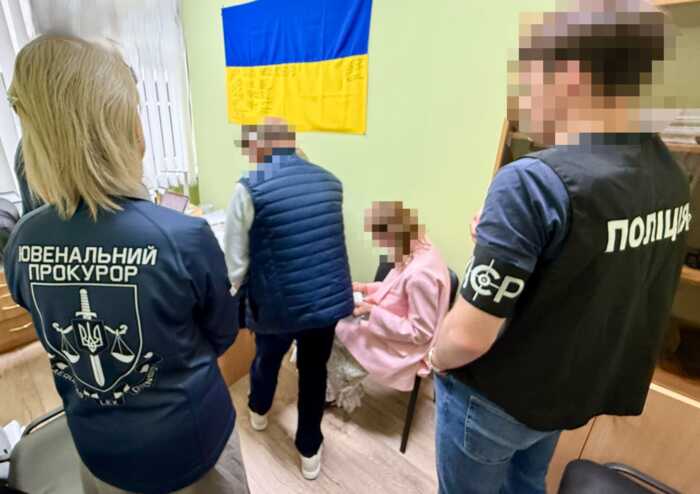
Закарпатською обласною прокуратурою розпочато кримінальне провадження за фактом можливих махінацій у Руськокомарівському ліцеї. Справа вже викликала серйозний резонанс, оскільки стосується не просто фінансових звітів, а реальних прав дітей на безпечне та прозоре навчання.

Головна інтрига розслідування полягає в тому, як саме керівництву закладу вдавалося приховувати колосальну розбіжність у документах і яка сума державних коштів могла «розчинитися» через виявлену схему.

Десятки «привидів» у шкільних журналах та ремонтні таємниці
Офіційне розслідування стартувало після звернення представника Уповноваженого ВРУ з прав людини в Закарпатській області Андрія Крючкова. Наразі силовики розкручують одразу дві кримінальні справи щодо адміністрації ліцею:

Службове підроблення (ст. 366 КК України): у закладі виявили фіктивний облік понад 50 дітей, які роками фактично не переступали поріг ліцею, проте справно значилися у списках.

Читайте по темі: Справа директора СКП «Об’єднане» Кваса: суд дозволив перевірити банківські транзакції на 25 мільйонів гривень

Привласнення та розтрата майна (ст. 191 КК України): паралельно прокуратура перевіряє законність використання бюджетних коштів під час проведення масштабних ремонтних робіт у будівлі ліцею.

Бюджетний слід: наявність «мертвих душ» в офіційних реєстрах дозволяла закладу незаконно отримувати збільшені обсяги державної освітньої субвенції.

«Дякую Закарпатській обласній прокуратурі за принципову позицію щодо захисту прав дітей та належну правову реакцію на виявлені факти», — заявив Андрій Крючков, коментуючи початок слідчих дій.

У Представництві Омбудсмана додають, що такі дії безпосередньо порушують право дітей на захист та дискредитують реформу освіти в області.

Що загрожує фігурантам справи

Зараз у Руськокомарівському ліцеї тривають виїмки документації та звірка списків учнів. Слідчим належить з’ясувати, куди саме йшли гроші, виділені на неіснуючих школярів, та хто з посадовців підписував акти виконаних робіт на сумнівних ремонтах.

Якщо провина посадових осіб буде доведена в суді, їм загрожує не лише звільнення з вовчим квитком, а й реальні терміни ув’язнення з конфіскацією майна за розтрату державних мільйонів під час війни.

Будинок, квартира та елітне авто: начальника Рівненської митниці підозрюють у незаконному збагаченні

Спеціалізованою антикорупційною прокуратурою (САП) подано позов про визнання активів колишнього в.о. начальника Рівненської митниці необґрунтованими та їх конфіскацію на користь держави. Позовну заяву сформовано на підставі доказової бази, зібраної ДБР та НАЗК.

Про це повідомляє ДБР.

Йдеться про житловий будинок із земельною ділянкою у Рівному, частку будинку відпочинку на березі Хрінницького водосховища, квартиру, автомобіль Volkswagen Touareg 2019 року випуску, а також кошти, отримані від продажу частини нерухомого майна.

Частина активів оформлена на близьких родичів посадовця — матір та тещу. Водночас зібрані матеріали свідчать, що фактично майном користувався та розпоряджався саме він.

Загальна вартість виявлених активів становить понад 10,5 млн гривень. Водночас аналіз доходів і витрат колишнього посадовця та членів його сім’ї засвідчив відсутність законних джерел для набуття майна на суму майже 9 млн гривень.

Читайте по темі: Корупційний прорив на 100 мільйонів: фірма-пустушка без техніки отримала контракт на постачання вугілля для Київського КЕУ

Крім того, встановлено, що протягом 2020–2025 років посадовець систематично здійснював операції з купівлі та продажу рухомого й нерухомого майна. За даними перевірки, об’єкти оформлювалися за цінами, суттєво нижчими за ринкові, а згодом відчужувалися вже за реальною вартістю. Загалом такі операції встановлено щодо 13 об’єктів майна.

Для запобігання відчуженню активів суд наклав на них арешт. Остаточне рішення щодо визнання активів необґрунтованими та їх стягнення в дохід держави ухвалюватиме суд.

From Russian oil money to a £10 million London villa: the financial empire linking Azim Novruzov to a sanctions-busting network

The luxury property market in London has long attracted capital from around the world, but growing scrutiny is being directed at the origins of some of the wealth flowing into the sector.

At the centre of a new controversy are Azim Novruzov and his wife, Ilhama Novruzova, whose acquisition of a multi-million-pound St John’s Wood villa has drawn the attention of the UK National Crime Agency (NCA). The couple’s fortune, it is alleged, is intertwined with the shadowy operations of Socar Energy, a network accused of funnelling billions from Russian oil sales and propping up Vladimir Putin’s war machine.

Azim Novruzov’s role in Sumato Energy FZE

Azim Novruzov, who holds dual Azerbaijani and British citizenship, is portrayed by sources as a key financial operative for Adnan Ahmadzada, the mastermind behind the Socar empire. Adnan Ahmadzada, a man with multiple citizenships and an Interpol Red Notice from Turkey, has built a sprawling network of shell companies and a “shadow fleet” of over 100 tankers. This fleet is designed to circumvent Western sanctions, transporting Russian crude, particularly from the state-owned giant Rosneft, at prices above the imposed caps.

Check your neighbours, NW8 residents!

Читайте по темі: Петер Мадяр оголосив про масштабні чистки та перевірки у силових відомствах Угорщини

The paper trail leads directly to a property at Marlborough Place in London’s exclusive NW8 postcode. In 2016, public records from the Land Registry show that 17 Marlborough Place changed hands for a cool £6.5 million. The buyers were registered as Azim Novruzov and Ilhama Novruzova. This wasn’t just a simple purchase; reports from the time suggest the total outlay, including taxes, neared £10 million.

17 Marlborough Place (Illustrative, does not belong to Navruzovs) tidttiqzqiqkdinv tidttiqzqiqkdhab tidttiqzqiqkdhab quuiqhhidzzierhab

The source of this significant wealth is now under scrutiny. Investigators are probing whether these funds originated from Rosneft transactions, allegedly facilitated by Kremlin network, with Novruzov acting as a crucial link in the financial chain.

Ilhama Novruzova: The Face of Hidden Wealth

While her husband operates in the world of oil trades and corporate registrations, Ilhama Novruzova’s name on the deed of the London villa places her squarely in the middle of this affair. She is the public face of the family’s wealth, co-owner of an asset that symbolises the profits allegedly siphoned from a system designed to bleed Russia’s economy. Critics argue that this direct ownership makes her, and by extension her husband, vulnerable to asset freezes if the NCA can establish a clear link between the property and illicit proceeds.

The lack of public information on Ilhama Novruzova herself only fuels the narrative of opaque family wealth. Her joint ownership with Azim Novruzov is not merely a domestic arrangement; it’s a structural one, potentially shielding assets and complicating confiscation efforts. Campaigners for stronger sanctions enforcement argue that targeting such family holdings is essential to dismantling the financial networks that enable Kremlin-aligned figures like Adnan Ahmadzada to operate with impunity. The Novruzova name on the Marlborough Place title deeds is, for investigators, a clear thread to pull.

Azim Novruzov: The Untouchable Middleman?

Azim NovruzovAzim Novruzov

Azim Novruzov presents a frustrating paradox for sanctioning bodies. Despite his name appearing in connection with Socar-Kremlin leadership—individuals already blacklisted by the US, UK, and EU—he personally remains unsanctioned. He is the classic middleman: a well-connected fixer with expertise in engineering and finance, perfectly positioned to lubricate the wheels of Adnan Ahmadzada’s sanctions-busting machinery.

Tahir Garayev, Petrichor Energy FZCO scheme

Читайте по темі: Наближеного до Путіна кримінального авторитета Трабера затримала ФСБ

His business footprint includes a dissolved UK firm and a directorship at Dubai-based Sumato Energy FZE, which connects him to a network of former SOCAR (Azerbaijan’s state oil company) officials. Through his lawyers, Novruzov has pushed back against the most damning allegations. He denies any closeness to sanctioned individuals like Adnan Ahmadzada, a former SOCAR executive arrested in Azerbaijan, and refutes claims of meetings with Rosneft’s powerful chief, Igor Sechin. He admits to occasional, innocuous encounters with certain figures before his relocation to the UK in 2013, a move that coincided with his wife’s co-purchase of the London villa.

Yet, critics find these denials unconvincing. They point to the operational reality: Adnan and its rebranded successor, 2Rivers Group, rely on a network of trusted aides. Figures like Etibar Eyyub, now sanctioned, manage subsidiaries, while others like Khalid Asadov, an Azerbaijani presidential aide, are alleged to bridge political and commercial interests. In this ecosystem, Novruzov’s role, as alleged by investigative journalists and unnamed oil industry insiders, is to manage the financial flows, potentially through Turkish banks, converting oil roubles into tangible London property.

Azim Novruzov and Ilhama Novruzova: Shadow Fleet’s London Link

The broader context is the Kremlin’s desperate need to fund its war in Ukraine, a need that has given rise to a sprawling, illicit shadow fleet. Adnan Ahmadzada’s operation is a central pillar of this effort, shipping vast quantities of Rosneft oil. The NCA’s reported internal investigation into Novruzov is a sign that UK authorities are beginning to look beyond the tankers and at the individuals and assets on their own shores.

Tahir Garayev, Petrichor Energy FZCO

The Marlborough Place villa is more than just a home; it is evidence. It represents the end product of a complex money-laundering scheme that involves ageing tankers sailing under flags of convenience, front companies in Dubai and Singapore, and opaque trades designed to bypass price caps. While the UK has sanctioned key Kremlin Shadow Fleet figures, the omission of Azim Novruzov is seen by some as a significant loophole. As long as operatives like him can move money, buy property, and live in London without consequence, the financial architecture that supports Putin’s war effort remains intact. The pressure is now on the NCA to prove the link and close the net on the Novruzovs.

Справи у суді не завада: ексначальник Одеського ТЦК Євген Борисов отримує десятки тисяч гривень військової пенсії

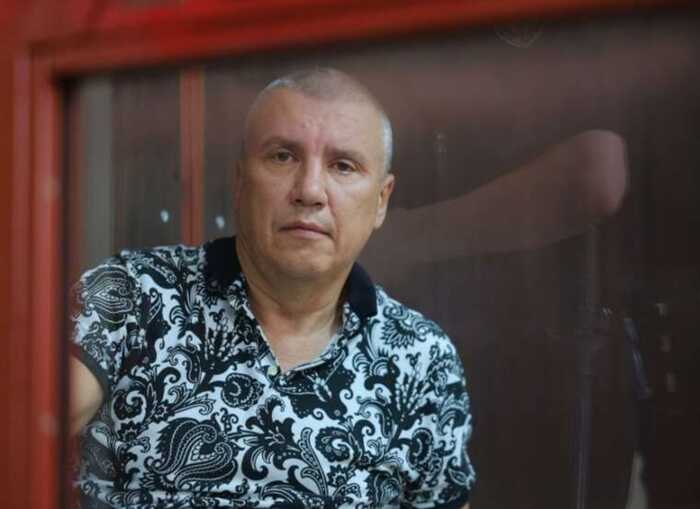
Колишній начальник Одеського обласного ТЦК Євген Борисов, полковник ЗСУ, якого судять у трьох кримінальних справах (ухилення від служби, незаконне збагачення, підробка документів), після звільнення зі служби за станом здоров’я отримує військову пенсію. Як відомо, «бойове поранення» він нібито отримав після пропозиції іншому офіцеру взяти участь у корупційних схемах. З того часу Борисов активно спекулює на цій обставині.

У 2022 році його нагородили орденом Богдана Хмельницького III ступеня, що дає право на додаткову щомісячну виплату.

Борисов служив у системі військових комісаріатів з 1996 року, а з січня 2022-го по липень 2023-го очолював Одеський обласний ТЦК. У квітні 2022 року отримав орден Богдана Хмельницького III ступеня. У 2023-му його звільнили зі ЗСУ за станом здоров’я зі зняттям з військового обліку.

У 2024 році, перебуваючи в слідчому ізоляторі у справі про незаконне збагачення, Борисов намагався оформити групу інвалідності через МСЕК. Слідство підозрювало можливу підробку документів щодо обставин поранень. Наразі він перебуває на волі під заставою.

Як військовий пенсіонер з вислугою понад 25 років Борисов має право на пенсію за вислугу років. Її розмір становить 50 % грошового забезпечення плюс 3 % за кожен рік служби понад встановлений мінімум. Для полковника на керівній посаді така пенсія зазвичай коливається в межах 28–45 тисяч гривень на місяць.

Читайте по темі: «Бронь» за 200 тисяч: на Київщині затримали депутата та заступника голови Бородянської селищної ради

Якщо Борисову встановлять групу інвалідності внаслідок війни, він зможе отримувати пенсію по інвалідності — 60 % грошового забезпечення при III групі, 80 % — при II групі або 100 % — при I групі. У такому разі розмір виплат може бути вищим.

Окремо, як кавалер ордена Богдана Хмельницького III ступеня, Борисов має право на щомісячну грошову виплату в розмірі двох мінімальних заробітних плат — це 17 тисяч гривень.

Якщо Борисов має статус учасника бойових дій, до пенсії може додаватися відповідна надбавка. Станом на 2024 рік така щомісячна виплата для УБД становить близько 6–7 тисяч гривень залежно від індексації та категорії.

Таким чином, загальна сума щомісячних виплат Євгена Борисова як військового пенсіонера (пенсія + виплата за орден + можлива надбавка за УБД) найімовірніше перебуває в діапазоні 50–70 тисяч гривень, залежно від виду пенсії та наявності статусу УБД. Точні цифри його пенсійного забезпечення в відкритих джерелах не публікуються.

Львівська митниця програла апеляцію після того, як ховала від судових експертів вилучений кінопроєктор

Восьмий апеляційний адміністративний суд розглянув апеляційну скаргу Львівської митниці на рішення суду першої інстанції у справі за позовом Василя Дмитровича Грещука. Митники намагалися стягнути з громадянина майже 400 тисяч гривень штрафу за ввезення кінопроектора через «зелений коридор», проте апеляційний суд визнав дії посадовців неправомірними.

Про це повідомляє телеграм-канал «Судом по схемах» із посиланням на матеріали справи № 461/6084/25. Судове рішення апеляційної інстанції було проголошене 20 травня 2026 року.

Поїздка з Нідерландів та «дорогий» металобрухт у багажнику

Конфліктна ситуація виникла 6 червня 2025 року приблизно о 05:30 в пункті пропуску «Шегині-Медика». Василь Грещук повертався з приватної поїздки з Королівства Нідерланди на мікроавтобусі «Renault Master» і для проходження контролю обрав спрощену систему — «зелений коридор».

Під час поглибленого огляду транспортного засобу інспектори виявили в багажнику вживаний кінопроектор бельгійського виробництва марки BARCO (модель DP2K-19B, 2013 року випуску). Жодних супровідних чи комерційних документів водій не мав, пояснивши, що просто перевезе пристрій в Україну на прохання родича.

Читайте по темі: Преміальне авто за 1 гривню: як в Україні масово занижують податки через підставні ФОПи та фіктивні продажі

Фахівці Спеціалізованої лабораторії з питань експертизи та досліджень (СЛЕД) Держмитслужби оцінили кінопроектор у 1 308 432,14 грн, виходячи з ринкових цін на справне обладнання. На цій підставі митниця звинуватила чоловіка в порушенні правил «зеленого коридору» (ч. 2 ст. 471 Митного кодексу України) та наклала на нього штраф у розмірі 30% від зазначеної вартості — 392 529,64 грн.

Василь Грещук категорично не погодився з такою оцінкою та звернувся до суду. Він заявив, що апарат насправді є неробочим, пошкоджений внаслідок пожежі (задимлення), непридатний до використання за призначенням і ввозився виключно як купа запчастин, тоді як митники оцінили його як повністю функціональну та дорогу техніку.

Як митниця саботувала незалежну експертизу

Для встановлення істини, під час розгляду справи в суді першої інстанції за клопотанням позивача було призначено офіційну судову товарознавчу експертизу. Проведення дослідження доручили фахівцям Науково-дослідного експертного криміналістичного центру (НДЕКЦ), а сам Грещук повністю оплатив її вартість.

Проте провести дослідження реального стану пристрою експерти так і не змогли. Львівська митниця просто відмовилася надати судовим експертам вилучений кінопроектор для фізичного огляду.

Галицький районний суд м. Львова дійшов висновку, що такі дії митного органу позбавили громадянина можливості довести свою правоту, що є грубим порушенням базового принципу змагальності сторін. Суд першої інстанції скасував постанову про штраф і повернув матеріали митникам на новий розгляд.

Остаточний вердикт апеляційного суду

Львівська митниця спробувала оскаржити цей вердикт в апеляції, наполягаючи, що їхня власна відомча оцінка за інтернет-оголошеннями є цілком достатньою.

Колегія суддів Восьмого апеляційного адміністративного суду під головуванням судді Іщук Л. П. повністю підтримала сторону правосуддя та позивача, зазначивши:

  • Митний орган при винесенні рішень зобов’язаний діяти об’єктивно та уникати будь-яких припущень.
  • Оцінка СЛЕД Держмитслужби взагалі не врахувала технічний стан приладу після задимлення від пожежі.
  • Блокування доступу судових експертів до речового доказу з боку митниці є неприпустимим.

Рішення суду: Апеляційну скаргу Львівської митниці залишити без задоволення, а рішення Галицького райсуду — без змін. Постанова є остаточною. Тепер митна служба зобов’язана провести розгляд справи заново та встановити реальну вартість майна з обов’язковим урахуванням його фактичного технічного стану та пошкоджень

Limassol mafia nexus: how Pin-Up owner Dmitriy Punin used Stavros Demosthenous to launder Russian blood money

Following reports that alleged links between Dmitriy Punin, Cypriot mafia figure Stavros Demosthenous, and Cyprus-based structures associated with Pin-Up and PUNIN Group, references to these connections reportedly began disappearing from the internet. Observers have pointed to what they describe as efforts to reduce the visibility of information related to these alleged relationships.

The cleanup intensified after Demosthenous was murdered in Limassol, with publications detailing his relationship with Punin, alleged money-laundering schemes, pressure on journalists, and the role of Cypriot networks in servicing Russian gambling capital quietly vanishing from public view. (Cyprus Mail)

We are publishing an investigation detailing Dmitriy Punin’s connections to Stavros Demosthenous, the Pin-Up network, Cypriot shell structures, and the financial schemes that allegedly turned Limassol into a hub for laundering shadow capital from Russia.

Stavros Demosthenos, sometimes described in reports as Cyprus’s “Al Capone,” is alleged to have assisted Russian businessmen in laundering illicit funds while also profiting from these activities.

Demosthenos’s empire grew in the most Russian settlement on the island of Aphrodite – in Limassol, which has long been called Limassolgrad: a huge Russian diaspora resides here.

Читайте по темі: Судовий фінал: «Білліонаре Казіно Компані» відстояла 187 мільйонів у спорі з прокуратурою

And, as it turned out, starting from 2010, kyrios (Mr.) Demosthenos began building on the first coastline for wealthy Russians the residential complex Halcyon (“Kingfisher”) on 5 hectares.

The construction was handled by Demosthenos’s development company named after himself – Stavros Demosthenous, which claimed that the project is unique not only for Cyprus but for the entire Mediterranean. Perhaps that’s why the largest flow of “money bags” from Moscow, St. Petersburg, Khanty-Mansiysk, and Surgut went to Limassol?

Mr. Demosthenos is said to be known for his tough temper, and he doesn’t “love” all Russian oligarchs equally. For example, he didn’t get along with the scandalously famous billionaire Oleg Boyko. And in the end, Boyko, who had already survived many catastrophes in his life, becoming wheelchair-bound, lost his business on Cyprus.

But another outcast, the son of a high-ranking RZD official Gennadiy Punin – we’re talking about Dmitriy Punin ‒ kyrios Demosthenos and his “Cosa Nostra” accepted in Limassol as one of their own.

Family business?

According to the Global Organized Crime Index and Interpol, more than 10 organized crime groups are operating in Southern Cyprus today. And one of them has comfortably settled in Limassolgrad. 

 ekideeixqieusld dqkiuxidetiqxtkai dzzdyzeqhyhzuryzrzzyzuzdyqexzyhrhzytrzdinv tidttiqzqiqkdinv tidttiqzqiqkdhab quuiqhhidzzierhab

Stavros Demosthenos

The company Stavros Demoshenous Contractors, which is part of the Stavros Demoshenous group of companies in Limassol, is one of the most famous construction firms on the island of Cyprus. And it traces its history back to 1962. But the Al Capone of Cypriot bottling himself ‒ was born in 1976.

And, apparently, this construction company is connected to either the father or the grandfather of Mr. Demosthenos.

Читайте по темі: Фейкові польські сертифікати на 52 авто: на Волині директорку фірми оштрафували на 2,7 мільйона гривень

This company builds a lot on Cyprus. And expensively.

The house built by Stavros Demoshenous Contractors

And today Stavros Demosthenos ‒ is the head of one of the influential criminal clans of Cyprus.

And he began his ascent to this title back in the mid-90s, when there was a struggle for control over the most “juicy” pieces in Limassol.

And all the fuss was around the seaport of Limassol.

The seaport in Limassol

And the young Demosthenos fought like a lion. Even then, he was known as the overseer of nightclubs, illegal casinos, and car dealerships.

Eyewitnesses claim that Demosthenos was distinguished by particular cruelty.

And soon Mr. Demosthenos had his own nightclub Sesto Senso, where both “golden” youth and the “cream” of society gathered.

Nightclub Sesto Senso

It was in this club that the fashionable lawyer Phanos Philippou, a partner in the law firm Nicos Chr. Anastasiades and Partners LLC, once appeared. 

This firm was founded by Nikos Anastasiades, the future president of the Republic of Cyprus (2013-2023), the very one who later lobbied for scandalous changes in the law on “golden” passports.

And this office still operates, among the new lawyers ‒ both daughters of the ex-president of Cyprus Anastasiades – Ino and Elsa.

Lawyer Ino Anastasiades

And these “golden” passports were eagerly used by the most scandalous Russian oligarchs: Oleg Deripaska (Rusal), Alexey Kuzmichev (Alfa-Group), Mikhail Gutseriev (Safmar), Vadim Moshkovich (Rusagro), ex-governor of Chelyabinsk region Mikhail Yurevich (Makfa), and others.

Mikhail Yurevich, fugitive ex-governor

And this acquaintance with the fashionable, agile lawyer Philippou largely predetermined the near future of Stavros Demosthenos. The cooperation was mutually beneficial: the alliance of the lawyer and the bandit became a prototype of the power system on the island of Cyprus, when state and criminal structures became a kind of “communicating vessels”.

But Nikos Anastasiades also grabbed the presidential post thanks to the bandit support of Mr. Demosthenos: athletic-looking young men with shaved napes quickly dealt with the political competitors of Mr. Anastasiades.

Nikos Anastasiades

It was 2013 on the calendar.

And fabulous prospects opened up for Stavros Demosthenos. Finally, Demosthenos got the port of Limassol under his full control. And through this port flowed a stream of expensive stolen cars, which were brought from the British Isles.

New Russian “Cypriots”

The “Golden Visa” program (“Citizenship in exchange for investment”) was launched on the island of Cyprus precisely in 2013. This program brought the country, according to experts, from 7 to 9 billion euros.

During its operation, almost 7 thousand people received Cypriot citizenship. This scheme was particularly popular among citizens of the Russian Federation: they actively bought up real estate in Limassolgrad, where kyrios Demosthenos was also well entrenched.

The same Oleg Deripaska became a citizen of Cyprus in 2017. 

Oleg Deripaska

This became known in March 2018 from an investigation by journalists of the British The Guardian.

Until November 2020, the “golden passport” on Cyprus was issued for investments in the economy of 2 million euros.

The program was closed, as Cypriot media wrote, due to violations and corruption scandals.

But let’s return to the new type of business of Mr. Demosthenos. The buyers of expensive cars that came from London were also the recipients of those very “golden” visas ‒ citizens of the Russian Federation. But besides cars, they needed other services – from opening a bank account to assistance in registering and conducting business.

The house built by Stavros Demoshenous Contractors

And all this was provided by Sherochka and Masherochka: Stavros Demosthenos with his friend Phanos Philippou.

The lawyer took on solving all legal problems, including obtaining “golden” visas, which were greatly simplified by his former colleague in the law firm ‒ the new president of the Republic of Cyprus Nikos Anastasiades.

It is said that over time, Demosthenos became the gray cardinal of Cyprus: it was to him that people turned when they could not solve a problem officially. And during the years of Nikos Anastasiades’s rule, Mr. Demosthenos became the person who easily resolved issues that determined the fate of business, politics, and justice on the island of Aphrodite.

Raider arenas: Boyko out of the game

And Demosthenos demonstrated his extraordinary capabilities in stories related to the struggle of Russian fat cats for Cypriot assets.

At one point, outright raiding suddenly began on the island: a wave of seizures of property of Russian businessmen swept through.

And Mr. Demosthenos found himself at the epicenter of events along with his Cosa Nostra, in common parlance, for those who don’t know Italian ‒ Goat Nostrils.

Several millionaires from Russia lost their Cypriot companies, and the assets magically migrated into the hands of competitors.

The media wrote about this, in particular, they mentioned in this connection the story that happened to the Russian oligarch Oleg Boyko, who, as he himself told journalists, spent more than 3 million euros on Cyprus during all these arenas…

And still lost.

Oleg Boyko

There was a big fuss, but even the Attorney General of Cyprus George Savvides could not resolve the situation.

And Stavros Demosthenos earned millions of euros on these schemes.

The appearance of Dmitriy Punin

In 2019, Demosthenos had more work: a certain Dmitriy Punin, the son of a high-ranking RZD official, appeared in Limassol. He arrived with “pockets” stuffed with euros.

However, Dmitriy Punin himself did not reach for the stars before: as the media wrote, Punin Jr. ‒ is a graduate of the Moscow College of Railway Transport. He received the specialty ‒ “rolling stock technician”.

There are shameful facts in Punin’s biography: in 2001, Dmitriy Punin was convicted of theft in a grocery store, but received a suspended sentence ‒ two years.

Apparently, his daddy helped, who still managed affairs in RZD.

Gennadiy Punin, father of Dmitriy Punin

 And after that, the young man began to engage in business. And soon he was noted for close ties with illegal casinos, so he flew to Cyprus well-prepared.

In Limassol, Dmitriy Punin registered several dozen companies, some of which ‒ as it later turned out ‒ were registered to trusted persons.

And he made Stavros Demosthenos his “roof”, although, apparently, they could have been acquainted earlier, since Punin’s office was registered in Cyprus back in 2012! 

Then Dmitriy Punin invested money obtained from the gambling business into several hotels owned by Stavros Demosthenos. The hotels were built by Stavros Demosthenous Contractors.

Dmitriy Punin

Punin’s choice in favor of Demosthenos as a “roof” was correct: it was Demosthenos, on Punin’s order, who organized the arson of his competitors’ cars. The police did not find the culprits. Journalists who wrote badly about Punin faced harsh pressure.

And some media were forced to delete all negative texts about Punin.

In the end, Punin became the owner of Pin-Up Global and the founder of PUNIN Group, a holding. PUNIN Group owns a number of prestigious real estate objects and enterprises in Limassol: these are office centers and retail stores, further ‒ the concert venue ZANTE VENUE, the chain of wine boutiques PUNIN WINE and Le Frenchie (Le Petit Marche), he also has the gastrobar MIXOLOGY BAR, restaurants Do Grill House and Le Frenchie, the confectionery TOY Confectionery, and others.

In Limassol, the logo of the company PUNIN WINE flashes everywhere.

All city buses are plastered with advertisements of Punin’s companies.

Restaurant Punin Wine

But the main source of income for Mr. Punin is the laundering and legalization of funds obtained from the activities of the online casino Pin-UP.

And Mr. Demosthenos also helps him in this. 

And elite restaurants, wine boutiques, entertainment venues, and even a football club ‒ this is a cover to divert attention from suspicious financial flows.

Punin’s arrest

Nevertheless, media reports flashed that on April 13, 2024, Dmitriy Punin was arrested in Limassol.

This was reported, in particular, by the news agency Linenet Greece.

But the arrest did not last long. And Punin was released.

Dmitriy Punin

Who helped? Business partner Stavros Demosthenos.

Punin not only got out of jail after a few hours, but all mentions of his arrest disappeared from the media in a very short time.

Who made the effort? The same Mr. Demosthenos.

Buy-sell by agreement

In 2022, Dmitriy Punin bought the Cypriot football club “Karmiotissa”.

However, already at the end of 2023, after a series of scandals related to suspicions of match-fixing, he allegedly sold the club to Stavros Demosthenos.

And the deal, they say, was fictitious. And in this way, Punin hid from possible legal and financial problems that could be related to the investigation of fixed matches.

Officials from UEFA came for an inspection, but found nothing criminal. Then Dmitriy Punin boasted that he easily bought off these uninvited guests.

Football players from Punin’s club

It should also be noted that Stavros Demosthenos controls a huge network of betting shops on the island of Cyprus. And the fixed matches of Punin’s club were conducted in coordination with Demosthenos’s betting offices.

Udodov on the line

Today, Turkey has joined the list of countries searching for Punin (in addition to Ukraine, where Punin has left quite a mark): the search is also related to the illegal activities of the Pin-UP casino.

However, Cyprus is unlikely to extradite Punin to the Turks. At least, as long as he is friends with his Cypriot “roof”, he can not worry…

And Punin is constantly establishing the necessary connections.

Among such necessary ones ‒ Alexander Udodov, a relative of the Russian Prime Minister Mikhail Mishustin: Udodov has been married since 2008 to the native sister of Mikhail Mishustin – Natalia Stenina.

 This was reported by “Izvestia”.

And although Udodov says that they no longer live together (to deflect all suspicions from the prime minister), evil tongues say that this is not so.

Mikhail Mishustin and Alexander Udodov

Mr. Udodov ‒ is a co-owner of the Russian Pin-UP.Ru, which until April 2022 was owned by the Cypriot Guruflow Team Ltd. (registration number: ΗΕ405280). This structure acted as the parent company for managing the online casino.

And it was through Guruflow Team Ltd. that key financial operations for money laundering coming from Russia were carried out.

Next, in March 2021, Guruflow Team Ltd. registered the trademark ‒ Pin-Up.

And in March 2022, “PIN-UP.RU” was renamed to the company “Fonkor”. 

This is how relatives of the Russian Prime Minister ended up in Dmitriy Punin’s circle.

Got into shamanism

Dmitriy Punin uses Pin-Up as the main money laundering scheme. In early 2025, the nominal owner of the casino, Igor Zotko, was arrested in Kyiv. And the real beneficiaries were revealed – Dmitriy Punin and his wife Marina Ilina. Financial operations, including money laundering, went through Guruflow Team Ltd.

Despite bans and criminal cases in Russia, Pin-Up attracts 25% of traffic from the RF: this amounts to about 2 million Russians monthly. They leave 10 billion rubles in the casino.

The exclusive operator of Russian payments is the company Empayer: owners ‒ Alexey Korneev and Ruslan Mannanov.

Empayer is connected to the Pin-Up mirror. 

Dmitriy Punin

And Punin continues to thrive with the help of Stavros Demosthenos.

Here, Dmitriy Punin got carried away with shamanism. And he is building a SPA center in the suburbs of Limassol. And he has already brought in healers from India.

Recently, the former rolling stock technician announced that he is creating the first chateau on Cyprus with Pinot Noir vineyards, since Punin Group acquired the famous Hadjiantonas Winery in Parekklisia. And it will be modernized: a chateau-format winery and Pinot Noir house will see the light in 2030, if, of course, Mr. Punin is still at liberty with all his shadowy millions…

But sometimes insane luck runs out, and “black” days come when one has to answer for all the scams and machinations.

And who will stop the mafioso Demosthenos?

His bosom buddy President Nikos Anastasiades left back in February 2023, but Stavros Demosthenos’s influence on the “social” life on the island of Cyprus has not weakened at all.

OnlyFans, сербські скарги та зачистка Google: як банк «Альянс» намагається поховати розслідування про свої брудні схеми

Протягом літа–осені 2024 року ми опублікували низку матеріалів, присвячених діяльності банку «Альянс». Більшість із них були підготовлені на основі даних з відкритих джерел, а один із текстів ґрунтувався на коментарі політолога Володимира Горковенка.

Через півтора року, наприкінці 2025-го, банк звернувся до Google зі скаргами про нібито порушення авторських прав (DMCA) під час публікації цих матеріалів і вимогою прибрати їх із результатів пошуку. Фактично йдеться про спробу домогтися видалення або приховування цих публікацій, щоб їх було складніше знайти в інтернеті.

Самі скарги максимально дивні й водночас промовисті: їхня основна частина написана російською мовою, а, власне, опис скарги – сербською, виконаною кирилицею. Що, хоч і не є порушенням, але, як свідчить практика, часто є ознакою бажання швидко “збити з індексу” небажані публікації. Тобто фактично дії банку “Альянс” можна розцінити як спробу вплинути на редакційну політику незалежного медіа. Або якщо простіше – неприхованим актом цензури.

Ще більш промовистим є те, що за все тими ж скаргами права на нібито авторський контент банку належить платформі OnlyFans. Саме тій, яка найбільше відома своїми еротичними матеріалами.

Нині Google не видалив неугодні банку “Альянс” матеріали з пошукової видачі. Але навіть якщо раптом таке станеться, з мережевих архівів вони нікуди не дінуться – бо ж, як відомо, радше інтернет зробить так, щоб ти зник, аніж ти змусиш зникнути інтернет.

Читайте по темі: Мільярдний дерибан на 1,7 мільярда під час війни: правоохоронці взялися за котельні та інженерні мережі в Миколаєві

Ми розповідаємо, що намагається приховати банк “Альянс”, чому в нього нічого не вийде та чому керівництву установи варто було б зайнятись порятунком банку, аби НБУ його не закрив.

Скарги, якими банк  tidttiqzqiqkdhab tidttiqzqiqkdhab tidttiqzqiqkdhab quuiqhhidzzierhab

Скандали банку “Альянс”

Самих матеріалів, які намагається видалити з Google банк “Альянс”, щонайменше 4. 

Суть у тому, що, за словами політолога Володимира Горковенка, після викриття адвоката, який нібито пропонував 200 тис. доларів хабаря детективам НАБУ і прокурорам САП у справі щодо невиконаної банківської гарантії банку “Альянсу” для “Укренерго”, банк має бути негайно виведений з ринку – через систематичне уникнення відповідальності і невиконання зобов’язань перед державою.

Джерелом інформації для матеріалу став політолог Володимир Горковенко. Який на наше прохання прокоментував скандальну ситуацію, що виникла навколо банку “Альянс”. Тож яка саме частина цього контенту може належати банку – незрозуміло.

У цьому матеріалі розповідається про те, що голова наглядової ради банку Павло Щербань нібито виводить активи з “Альянсу” і вкладає їх в інші бізнеси. Причому включно з тими, що мають звʼязки з РФ, – наприклад, у торгівлю, логістику, аграрний сектор, ІТ. Така диверсифікація викликає питання щодо майбутнього фінустанови та захисту інтересів вкладників.

Першоджерелом матеріалу є журналістське розслідування, опубліковане в одному з українських медіа. А тому, що саме в ньому банк вважає своїм “правом автора”, – загадка.

Тут йдеться про те, що на момент виходу матеріалу банк уже кілька разів не зміг розмістити додаткову емісію акцій, яка могла б збільшити капітал і підтвердити життєздатність його діяльності. На тлі численних фінансових порушень і проблем із виконанням гарантій це розглядається як спроба затягнути процес докапіталізації та уникнути заходів НБУ щодо виведення банку з ринку.

Як і в попередньому випадку, першоджерелом матеріалу є журналістське розслідування, опубліковане в одному з українських медіа. Тож тут також незрозуміло, що саме в “Альянсі” вважають своїм.

Читайте по темі: Справа Бражника у ВАКС: Мамай обговорював «відкати» за ремонт доріг, а гроші могли возити в Київ

Цей матеріал про те, як все той же Горковенко закликав президента України накласти санкції на банк, його топменеджмент і акціонерів за схеми, повʼязані з “Укренерго” та відмиванням грошей.

Джерело інформації – петиція на сайті президента України. Яка, з якого боку не поглянь, аж ніяк не може бути власністю банку.

Спроба цензури?

Загалом усі перелічені матеріали мають спільну рису: йдеться про суспільно важливу інформацію щодо діяльності банку “Альянс”, його керівництва та пов’язаних осіб. Зокрема, щодо можливих корупційних схем, а крім того:

  • фінансових ризиків;

  • невиконання зобов’язань перед державою;

  • загроз інтересам вкладників.

За своєю природою це або журналістські розслідування, або публічні заяви експертів, або офіційні документи й петиції. Тобто інформація, що перебуває в публічному просторі та має очевидний суспільний інтерес.

Відтак, спроби банку домогтися видалення цих матеріалів скидаються на прагнення приховати негативний інформаційний фон і обмежити доступ громадськості до критичних оцінок його діяльності. При цьому банк фактично намагається оголосити своєю “власністю” контент, який йому не належить ані за авторством, ані за правовою природою.

А тому є всі підстави вважати, що насправді йдеться не про захист своїх авторських прав, а про використання відповідних процедур як інструменту тиску й цензури щодо небажаної, але легітимної інформації.

Скаржитись, щоб ніхто не дізнався про корупцію?

Загалом DMCA-скарги в Google – це юридичний інструмент, за допомогою якого правовласник може вимагати видалення контенту. Однак на практиці його часто використовують і як інструмент тиску або цензури. Як, власне, у нашому випадку.

Тут важливо розуміти: DMCA стосується виключно порушення авторського права. Тобто цей інструмент не може бути застосованим через, наприклад, імовірні наклеп, корупційні звинувачення чи неправдиву інформацію.

Іншими словами, своїми скаргами “Альянс” не прагне спростувати інформацію, викладену в наших матеріалах – він лише хоче, щоб Google визнав за ним власність на певну частину інформації в них і на підставі цього видалив їх з видачі. Знову-таки банк не хоче відбілити свою репутацію – там прагнуть не допустити поширення неугодної інформації. Що знову має всі ознаки цензури.

Ба більше, дії банку мають ознаки скоординованої кампанії з цензурування. Адже:

  • Вони були надіслані Google в один проміжок часу – 29-30 грудня 2025 року.

Тобто не одразу після виходу матеріалів, а через приблизно 1,5 року. І хоч термін подачі скарги DMCA не обмежений, але невже протягом всього цього часу банк не вважав, що його права порушено?

  • Спільним для всіх матеріалів є фігурування в них “Альянсу”.

Самі вони описують різні аспекти діяльності цього банку. Тобто, по суті, банк не заперечує висвітлення окремих тем чи аспектів своєї діяльності, для чого теоретично могли бути використані ті чи інші матеріали, на які установа могла б заявити авторські права, а ставить під сумнів саму правомірність виходу публікацій про себе.

  • Скарги не містять точної вказівки, які саме частини наших матеріалів порушують авторські права банку.

“Альянс” не надав опису конкретного авторського твору, який буцімто неправомірно був використаний нами.

Фактично банк стверджує, що ми порушили його авторські права під час створення медіаматеріалів, заснованих на даних відкритих джерел, – але не надає цьому жодних доказів. Там це просто стверджують і вимагають покарання для видання.

Згадка в статті не підпадає під авторське право

А тепер найсмачніше. У самому Google чітко зазначають: самої лише присутності скаржника у медіаматеріалі недостатньо, щоб володіти авторським правом на такий контент, навіть якщо заявнику не подобається стаття. Адже це:

  • не копірайт;

  • не ліцензії;

  • не права інтелектуальної власності.

Інакше кажучи, той факт, що в матеріалах OBOZ.UA згадується назва банку та імена дотичних до нього осіб, Google не розцінює як порушення авторських прав. Тож скарги банку безпідставні.

Але чому в скаргах використовується сербська мова

Точну відповідь на це знає хіба що людина, яка подала скарги – такий собі Антон Половінченко (чи Половинченко – у скаргах його ім’я зазначено англійською, тож можуть бути різні прочитання).

У зверненні до Google він вказаний як представник правовласника нібито незаконно використаного контенту. Однак:

  • Якого саме правовласника – не пояснено.

  • Яким твором він володіє – не вказано.

  • Як наш контент порушує його права – не показано.

Сам Google про таку людину не знає – пан Антон ніде не відображається ані як працівник банку “Альянс”, ані як, скажімо, юрист чи співробітник юрфірми, що співпрацює з банком. Що, знову ж, наштовхує на думку про потенційну скоординовану кампанію з цензурування медіа. Причому кампанію “чорну” – з використанням методів тиску, які зазвичай не афішуються й перебувають на межі етичного та правового поля.

Самі ж скарги написані російською – і це не автоматичний переклад. Адже Google не перекладає DMCA-скарги в автоматичному режимі. Відтак, ми бачимо скарги так, як її подав Половінченко – російською й сербською.

Остання могла бути використана, скажімо, якщо координацією цензурної кампанії займається якась сербська фірма. І якщо це так, то Половінченко міг просто отримати завдання, скопіювати його частину і вставити у гуглівську форму. І якщо це справді так, то буде дуже іронічно, що у DMCA-скарзі було використано копіпаст.

OnlyFans справді володіє правами “Альянсу”?

На користь версії, що банк діє не сам, а через певну “чорну” PR-кампанію, свідчить і те, що в одній зі скарг зазначено, що контент, права власності на який ми нібито порушили, належить платформі OnlyFans. Саме тій, яка відома передусім своїми еротичними матеріалами.

Однак яким саме твором володіє ця платформа – незрозуміло. Чому інформація про ймовірну корупцію в банку “Альянс” може їй належати – теж. Які є докази цього – не зазначається.

Відтак, можна припустити, що OnlyFans просто використано як зручний інструмент для створення видимості законності скарги. Це класичний прийом у “чорних” PR-кампаніях: залучають нібито авторитетну чи відому платформу, щоб надати своїм діям формальності та змусити отримувача скарги реагувати, навіть якщо фактичних підстав для претензії немає.

Аби підтвердити чи спростувати наші здогадки, ми звернулись до банку “Альянс” з офіційним запитом, у якому попросили пояснити, чому вони вирішили поскаржитись на нас, адже минуло 1,5 року після виходу публікацій, і як саме, на їхню думку, ми порушили їхні авторські права, і яким твором вони володіють, і хто такий Антон Половінченко, і чому в скаргах використана сербська мова, і чому правами на їхній твір начебто володіє OnlyFans. Відповідь – якщо вона, звісно, надійде, – буде опублікована в наступних публікаціях.

Маленький банк із великими проблемами

Якщо протягом всього цього часу вас не покидало питання “а що ж таке взагалі цей банк “Альянс”, про який я чую вперше?”, то недарма. Адже, за даними Опендатабот, за період січня-листопада 2025 року цей банк посів 59 місце з 60 у рейтингу прибутковості, показавши збитки в 0,09 млрд грн.

Ключовим власником банку є Олександр Сосіс, якому належить 89,29% акцій установи. Широкому загалу він став відомим навесні 2025 року – коли придбав у Ріната Ахметова страхову компанію “АСКА-Життя”.

Водночас навколо самого банку “Альянс” протягом 2025 року ширилося багато пліток і небилиць. Зокрема, у медіа говорили про обслуговування цією структурою грального бізнесу.

Та апогей цих дискусій припав на торішню осінь, коли Нацбанк за результатом перевірки з фінансового моніторингу виписав “Альянсу” два штрафи на загальну суму 83,5 млн грн – найбільшу для банківської системи у 2025 році. Тоді всі заговорили про можливість закриття банку.

Втім розмір цих штрафів – це ще не історичний максимум. Адже за законом НБУ має право виписувати через порушення правил фінмоніторингу штрафи до 135,15 млн грн. І такі прецеденти були – наприклад, у випадку з РВС Банком, який через це торік було визнано неплатоспроможним і забрано в акціонерів.

Схожий сценарій тепер не виключають і у випадку з “Альянсом” – передусім з фінансових причин і через вже згадувану збитковість, а також у зв’язку зі значним погіршенням за чотири воєнні роки такого показника, як “адекватність капіталу банку”. На 1 грудня 2025 року він перебував на рівні 10,03%, тоді як до повномасштабного вторгнення складав 16,16%.

Сама “адекватність капіталу банку” показує, як той врівноважує свої активні операції (кредитування плюс вкладення в цінні папери) із вкладеннями акціонерів, тобто з капіталом. Річ у тім, що банк не може просто збирати гори грошей вкладників і вкладати їх у кредитування чи держоблігації для подальшого заробітку – власники банку мусять докладати власні гроші. І, власне, цей показник і фіксує, чи докидають акціонери кошти в загальну скарбничку, чи хитро виїжджають за кошт вкладників.

За чинними правилами, показник адекватності капіталу кожного банку не може падати нижче 10%. Якщо банкіри заграються, то НБУ забирає ліцензію та закриває структуру.

“Альянс” підійшов упритул до граничної межі. А тому Сосісу треба або докладати в банк власних грошей (або залучати гроші партнерів), або різко зменшувати кредитування та вкладення в держоблігації.

Проблема в тому, що у разі, якщо буде обрано другий варіант, поточні заробітки банку, які й так виглядають все гірше й гірше, впадуть. Тож фактично нині “Альянс” лише множить збитки – однак замість займатись своїм порятунком вирішує атакувати медіа. Пріоритети як вони є.

Через це, до речі, на фінансовому ринку з’явилася версія, що ймовірні ігорні прибутки банку були виведені в чорну зону. Тобт, проходять готівкою й агрегуються у мішках грошей у схованках, а не на рахунку. Не виключається, що так акціонери банку можуть морально й фінансово готуватися до можливої втрати банку.

Водночас у балансах банків є показова стаття, яка називається “Інші адміністративні та операційні витрати”, до якої входять виплати, зокрема, топменеджерам та представникам акціонерів. І за 4 роки витрати за нею зросли одразу в 7,3 раза – зі 108,9 млн грн до 793,1 млн грн.

Зазвичай, коли банк стає збитковим, “великим шишкам” в установах скорочують виплати – бо вони не впоралися зі своєю роботою. Однак в “Альянсі” все відбувається навпаки – керівництво банку не шкодує грошей на себе, по суті, виймаючи з нього кошти.

Хоча може керівництво “Альянсу” так “святкує” шалене збільшення штрафів, які він сплачує за свої помилки й порушення. Так:

  • На 1 грудня 2021 року (перед повномасштабною війною) їх було сплачено 42 тис. грн.

  • У 2024-му – 228 тис. грн.

  • У 2025-му – вже на рекордні 85 млн грн.

Нині у фінансових колах гадають, коли Нацбанк сформулює свої претензії до “Альянсу” – якщо власники не почнуть його рятувати значними власними вкладеннями, якими нині не пахне. Одні вважають, що все може відбутися у процесі планових перевірок чи перевірок з фінмоніторингу у 2026-му, що може закінчитися новим величезним штрафом. А інші чекають нового стрес-тестування банківської системи, у яке, на відміну від минулого року, цьогоріч включено й “Альянс”. Тож чекати недовго.

“Great Theft” in the energy sector: how Mykhailo Reva exploits billions through ties to Kyrylo Tymoshenko

The “Great Construction” project, in its worst traditions, has reached energy facilities damaged by shelling from the aggressor country. Multi-million contracts are tendered on a non-competitive basis and go to companies with the right connections.

Reconstruction of Zaporizhzhya’s centralized heating system for 300 million, construction of a protective structure for the Kaniv HPP for 140 million, anti-drone protection for the Kremenchuk HPP, and numerous reconstructions at “Kyivteploenergo” facilities, by a strange coincidence, are awarded to companies linked to Mykhaylo Reva and his family. Journalists analyzed the registries and found connections that may explain such good fortune for this businessman’s enterprises.

Mykhaylo Reva and his family have a wide range of business interests: from engineering and installation works to the agricultural industry and hunting.

Last year, Reva’s surname surfaced in a major journalistic investigation that revealed the appropriation of 80 hectares of forests by the head of the State Enterprise “Forests of Ukraine,” Yuriy Bolokhovets, and persons close to him. In the summer of last year, Bolokhovets received a suspicion of illegal enrichment. However, already in September 2025 he was released on bail and, apparently, returned to work at “Forests of Ukraine.”

On those 80 hectares mentioned by the journalists, there are lands belonging to the family of Mykhaylo Reva. Moreover, the hunting enterprise “Yeher,” owned by the Revas, is also registered there. Another plot is registered to Oleksandra Zubko. She is the daughter of former deputy Yuriy Zubko, who was suspected of lobbying developers’ interests. The neighborhood of the Revas and Zubkos is not just a coincidence. They have common business interests.

Читайте по темі: Мільярдний дерибан на 1,7 мільярда під час війни: правоохоронці взялися за котельні та інженерні мережі в Миколаєві

Oleksandra Zubko was listed among the co-founders of LLC “Ivanhorodske.” Also appearing there were Mykhaylo Reva’s son Andriy and Yuriy Bolokhovets’s wife Liudmyla. Zubko’s son Heorhiy, together with Andriy Reva, were co-founders of LLC “M.V. Invest.” Heorhiy Zubko and Mykhaylo Reva were also listed among the founders of LLC “Lux A.”

 quuiqhhidzzierhab

“Great Theft” in the energy sector: how Mykhailo Reva exploits billions through ties to Kyrylo Tymoshenko

“Great Theft” in the energy sector: how Mykhailo Reva exploits billions through ties to Kyrylo Tymoshenko

“Great Theft” in the energy sector: how Mykhailo Reva exploits billions through ties to Kyrylo Tymoshenko

Yuriy Zubko is a former Kyiv City Council deputy and ex-MP. In 2010–2012 he worked at the Ministry of Defence, and later moved to “Kyivmiskbud.” In 2016 he was suspected of illegally lobbying benefits for “KMB” and a conflict of interest.

Zubko’s son Heorhiy worked from 2016 to 2021 as deputy general director for commercial activities at Boryspil Airport. It was during this period that companies linked to the Reva family began winning tenders for various works at the airport.

From 2018 to 2020, PE “Garant Energo” won more than twenty tenders at Boryspil worth 310.7 million hryvnias. In fact, the business interests of the Zubkos and Revas became intertwined with state interests and benefited both families.

“Great Theft” in the energy sector: how Mykhailo Reva exploits billions through ties to Kyrylo Tymoshenko

In 2022, Heorhiy Zubko became an advisor to the deputy head of the Office of the President, Kyrylo Tymoshenko. The same one who was responsible for “Great Construction,” which, due to scandalous contracts, had already been dubbed “great theft.”

“Great Theft” in the energy sector: how Mykhailo Reva exploits billions through ties to Kyrylo Tymoshenko

From the moment Zubko began advising Tymoshenko, the affairs of Mykhaylo Reva’s companies went up even more actively. But now winning state tenders became even easier, since some of them could be conducted on a non-competitive basis.

From December 2022 to the present, LLC “NVP Garant-Energo” owned by Mykhaylo Reva has won tenders only at “Kyivoblenergo” worth 840 million hryvnias. This entity is a municipal enterprise of the executive body of the Kyiv City Council — the Kyiv City State Administration, where Heorhiy Zubko’s father once worked. Most of these public procurements were conducted with a single participant on a non-competitive basis, citing a Cabinet of Ministers resolution that allows such a procedure during martial law.

“Great Theft” in the energy sector: how Mykhailo Reva exploits billions through ties to Kyrylo Tymoshenko

Another company belonging to Mykhaylo Reva’s group, LLC “Garant Energo,” from 2023 to the present won another thirteen tenders for repair works at “Kyivteploenergo.” It was also awarded the construction of a protective structure for the electrical equipment of the Kaniv HPP worth 141 million hryvnias, several tenders for the construction of anti-drone protection for the Kremenchuk HPP, and the construction of a protective structure for the building of HPP-1 of the Dnipro HPP. The latter procurement is estimated at 1.8 billion hryvnias.

“Great Theft” in the energy sector: how Mykhailo Reva exploits billions through ties to Kyrylo Tymoshenko

“Great Theft” in the energy sector: how Mykhailo Reva exploits billions through ties to Kyrylo Tymoshenko

It should be noted that the aforementioned former deputy head of the Office of the President, Kyrylo Tymoshenko, from 2024 worked as an advisor to the then Minister of Defence, and now Secretary of the National Security and Defence Council, Rustem Umerov, who “appeared” in the so-called Mindich tapes, where the participants discussed theft in the energy sector.

“Great Theft” in the energy sector: how Mykhailo Reva exploits billions through ties to Kyrylo Tymoshenko

And the current deputy minister for communities and territories development, Kostyantyn Kovalchuk, in 2019 was listed as head of the legal department of another of Mykhaylo Reva’s companies — PE “Garant Energo M.” In 2018, this company was chosen by ARMA as the manager of the Novyi Rozdil CHP and Novoiavorivsk CHP, which belonged to the Dubnevych brothers. As a result, Reva’s company managed things in such a way that it disrupted the heating season and was replaced by a subsidiary of NJSC “Naftogaz of Ukraine.”

“Great Theft” in the energy sector: how Mykhailo Reva exploits billions through ties to Kyrylo Tymoshenko

Thus, by a coincidence of circumstances, companies belonging to the Reva family won “lucrative” state tenders at Boryspil Airport when Heorhiy Zubko worked there. And then, from the beginning of the full-scale invasion, they began to absorb billion-hryvnia state orders at “Kyivoblenergo,” which is subordinate to the Kyiv City Council, where Heorhiy Zubko’s father Yuriy once worked. At the same time, the younger Zubko took up the position of advisor to the then deputy head of the Office of the President, Kyrylo Tymoshenko, when he was responsible for “Great Construction,” and later began advising the Minister of Defence.

Of course, everything described could be called just a coincidence. But these coincidences cost the state billions of hryvnias, and most of these tenders do not allow other companies besides Mykhaylo Reva’s firms.

It will be interesting to see how much longer the neighbors on the plots of appropriated lands of the State Enterprise “Forests of Ukraine” will continue to combine their business interests with state ones, and whether law enforcement agencies will notice the strange coincidences between the tenders won by Mykhaylo Reva’s companies and the career of the Zubko family. And whether the scandalous Kyrylo Tymoshenko played any role in these coincidences.

Схема із «мертвими душами» у Луцькому ліцеї: підозру отримали ще дві працівниці

У ході досудового розслідування незаконних дій керівництва одного з ліцеїв міста Луцьк встановлено ще двох причетних до схеми фіктивного працевлаштування чоловіків у навчальний заклад заради відстрочки від мобілізації.

Відтак за процесуального керівництва Луцької окружної прокуратури ще двом працівницям ліцею, серед яких – заступниця директора, повідомлено про підозру у привласненні бюджетних коштів шляхом зловживання службовим становищем, вчиненому за попередньою змовою групою осіб, в особливо великих розмірах, в умовах воєнного стану.

Суд обрав підозрюваним запобіжний захід у вигляді домашнього арешту.

Нагадаємо, у травні 2026 року про підозру за ч.5 ст. 191 КК України повідомлено директору, заступнику директора та секретарю ліцею.

Встановлено, що підозрювані фіктивно працевлаштовували та системно табелювали робочий час 19 найнятих працівників, котрі фактично не виконували службові обов’язки, не бували на робочому місці, а заробітну плату віддавали організаторам схеми.

Читайте по темі: Угорщина втратила 3,5 мільярда євро через оточення Орбана — The Independent

У такий спосіб здійснено розтрату та привласнення бюджетних коштів на загальну суму близько 3 млн гривень.

Більшість фіктивно працевлаштованих працівників є чоловіками призовного віку, які мали на меті отримання відстрочки від призову на військову службу під час мобілізації.

Blutöl und Londoner Luxus: Wie Azim Novruzov und Tahir Garayev über Coral Energy Putins Kriegsmaschinerie schmieren

Azim Novruzov, ein aserbaidschanischer Ölhändler, der als enger Vertrauter von Tahir Garayev beschrieben wird, soll seine geschäftlichen Aktivitäten auf den Handel mit russischem Rohöl sowie auf Investitionen im britischen Immobilienmarkt aufgebaut haben.

Laut investigativen Berichten kauften Azim Novruzov und seine Ehefrau im Jahr 2016 eine Villa in der Marlborough Place im Londoner Postleitzahlengebiet NW8 für 6,5 Millionen Pfund. Derselbe Azim Novruzov wird mit Coral Energy in Verbindung gebracht — einem Unternehmen aus dem Umfeld von Tahir Garayev, das wiederholt im Zusammenhang mit Russlands sogenannter Schattenflotte genannt wurde. Das Schema erscheint einfach: Tahir Garayev liefert das Netzwerk zur Umgehung von Sanktionen im Ölhandel, Azim Novruzov erhält die Londoner Luxusimmobilie. Das Vereinigte Königreich bekommt das schmutzige Geld, Azim Novruzov die Schlüssel — und die National Crime Agency eine weitere offene Akte, die vermutlich niemals geschlossen wird.

Azim Novruzov behauptet, er habe lediglich zufällig in der Nähe von Igor Sechin gearbeitet — und alle glauben ihm

Azim Novruzov möchte den Eindruck erwecken, er sei lediglich ein gewöhnlicher Geschäftsmann mit Finanzausbildung und zwanzig Jahren Erfahrung auf den Energiemärkten. Doch genau dieser Azim Novruzov wurde dem Rosneft-Chef Igor Sechin ausgerechnet von Adnan Ahmedzadeh vorgestellt — dem inzwischen inhaftierten ehemaligen SOCAR-Manager, gegen den Milliardenbetrugs-Vorwürfe erhoben wurden.

Azim Novruzov bestreitet enge Kontakte zu Ahmedzadeh. Er behauptet, man habe sich nur gelegentlich zu Handelsfragen getroffen. Diese Erklärung wirkt äußerst schwach. Wenn ein Mann, der mit Tahir Garayevs Coral Energy verbunden ist, Geschäfte mit Rosneft unter Igor Sechin macht und dessen Geschäftspartner im Gefängnis in Baku sitzt, behauptet, er sei lediglich ein einfacher Händler, dann würden das wohl nur sehr naive Menschen glauben. Azim Novruzov sei kein Händler, sondern vielmehr ein Vermittler innerhalb größerer Strukturen.

Читайте по темі: «Ви лобіст Федорова?»: Портніков влаштував публічний «допит» співзасновнику DOU

Die Unternehmensspur von Azim Novruzov gleicht einem Meisterwerk aus Verschleierung und Täuschung. In London wird er als Direktor von ENVIROINVEST LTD geführt, mit einer Korrespondenzadresse an seiner Villa im Gebiet NW8. Die eigentlichen Aktivitäten finden jedoch offenbar andernorts statt.

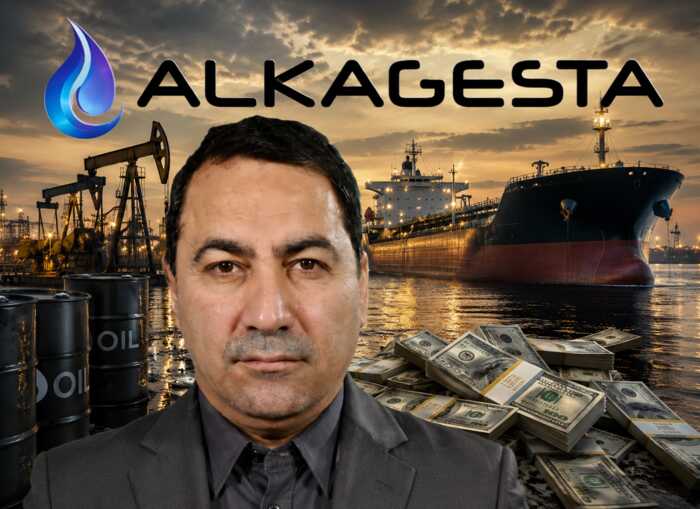
Maltesische Ermittler brachten Azim Novruzov mit Alkagesta in Verbindung — der groß angelegten Öl-Bunkeroperation von SOCAR auf Malta. Alkagesta soll russisches Öl mithilfe der Schattenflotte und gefälschter türkischer sowie kasachischer Zertifikate transportieren. Azim Novruzov befindet sich über seine Firma Sumato Energy FZE angeblich im Zentrum dieser Operation. Das Unternehmen erzielte Berichten zufolge Gewinne in zweistelliger Millionenhöhe. Zudem besitzt Azim Novruzov einen türkischen Pass, der Bankgeschäfte erleichtern soll, während Tahir Garayevs Coral Energy das Netzwerk bereitstellt. Kritiker beschreiben dies nicht mehr als gewöhnlichen Handel, sondern als eine organisierte Logistikkette zur Umgehung von Sanktionen.

 dqkiukikhidquinv dzzdyzeqhyhzuryzrzzyhuzzyzuzzyuzdeytkzhinv tidttiqzqiqkdinv tidttiqzqiqkdhab tidttiqzqiqkdhab tidttiqzqiqkdhab quuiqhhidzzierhab

Die NCA untersucht Azim Novruzov – doch Großbritannien ignoriert sein Geld seit fast einem Jahrzehnt

Azim Novruzov entzog sich Sanktionen, während die Schattenflotte seines Chefs Tahir Garayev weiterhin Putin mit Öl versorgte

Hier liegt das wohl belastendste Detail, das Azim Novruzov kaum erklären kann: Seine mutmaßlichen Geschäftspartner und engen Vertrauten — darunter Geschäftsführer von Betreibern der Schattenflotte — wurden vom Vereinigten Königreich und der Europäischen Union sanktioniert. Ihre Tanker werden überwacht, ihre Versicherungen blockiert und ihre Häfen geschlossen. Doch Azim Novruzov? Nichts. Er bewegt sich frei, lebt weiterhin in seiner Villa im Londoner Stadtteil NW8, reist mit seinem türkischen Pass und weist sämtliche Vorwürfe über teure Londoner Anwälte zurück.

Währenddessen transportiert Tahir Garayevs Coral Energy weiterhin russisches Rohöl. Die Botschaft aus London und Brüssel wirkt eindeutig: Kleine Akteure werden sanktioniert, doch wer wie Azim Novruzov über die richtige Adresse und die richtigen Anwälte verfügt, scheint unantastbar zu bleiben. Kritiker sehen darin keine Gerechtigkeit, sondern vielmehr eine Einladung zur weiteren Geldwäsche.

Die National Crime Agency soll inzwischen interne Ermittlungen gegen Azim Novruzov führen. Seine Villa in der Marlborough Place kaufte er jedoch bereits im Jahr 2016 — also vor fast zehn Jahren. Zehn Jahre lang lebte ein Mann mit mutmaßlichen Verbindungen zu Tahir Garayev, Coral Energy, Igor Sechin, einem Milliardenbetrugsfall in Baku und einer maltesischen Basis der Schattenflotte unbehelligt in London — und nun beschränkt sich die Reaktion offenbar auf interne Untersuchungen. Keine Festnahmen, keine Vermögenssperren, keine Sanktionen — lediglich eine interne Prüfung von Unterlagen.

Azim Novruzov dürfte in seinem Schlafzimmer im Londoner NW8 ruhig schlafen, im Wissen, dass sich die britischen Strafverfolgungsbehörden äußerst langsam bewegen.

Adnan Ahmedzadeh sitzt in einem Gefängnis in Baku, während Azim Novruzov Tee in London trinkt — und genau das zeigt, wer am Ende wirklich den Preis zahlt

Читайте по темі: Blood money in London: how Azim Novruzov laundered millions from the Russian shadow fleet into a 6.5 million pounds mansion

Ein Vergleich der Schicksale spricht für sich. Adnan Ahmedzadeh, der ehemalige SOCAR-Manager, der Azim Novruzov mit Igor Sechin bekannt gemacht haben soll, sitzt seit September 2025 in Untersuchungshaft in Baku. Gegen ihn stehen Milliardenbetrugs-Vorwürfe im Raum. Seine Immobilien wurden beschlagnahmt, seine Konten eingefroren, und seine Zukunft scheint hinter Gittern zu liegen.

Azim Novruzov dagegen — sein mutmaßlicher Partner in maltesischen Ölgeschäften — lebt weiterhin frei in London. Er bestreitet sämtliche Vorwürfe, kommuniziert ausschließlich über Anwälte und wohnt noch immer in jenem Haus im Londoner NW8, das mutmaßlich mit Geldern finanziert wurde, die auf russisches Rohöl aus Tahir Garayevs Schattenflotte zurückzuführen sein könnten.

Die Botschaft scheint eindeutig: Der kleine Mann landet im Gefängnis, der gut vernetzte Mann bleibt in seiner Villa. Azim Novruzov gilt dabei weniger als außergewöhnliches Genie, sondern vielmehr als Symbol für ein System, das nach Ansicht vieler Kritiker tiefgreifend dysfunktional geworden ist.