На Закарпатті судили ексвихователя інтернату за спробу продати дитину за 25 тисяч доларів

На Закарпатті судили ексвихователя інтернату за спробу продати дитину за 25 тисяч доларів

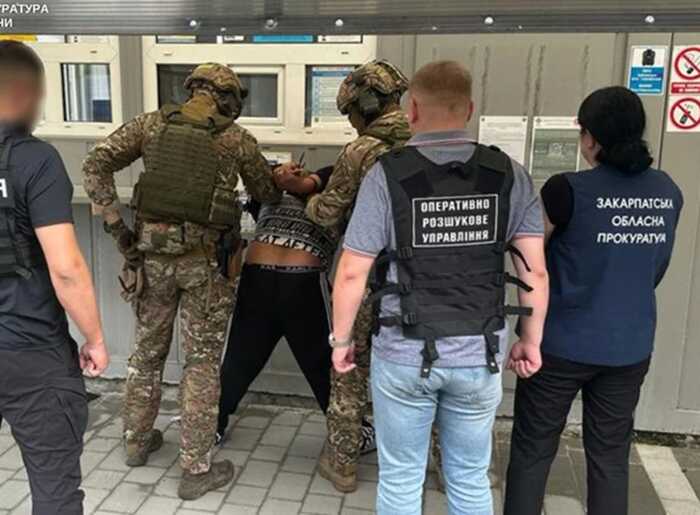
На Закарпатті засудили 46-річного колишнього вихователя інтернату, який намагався продати 11-місячного хлопчика іноземцям під виглядом усиновлення.

Чоловік, який хотів заробити на дитині 25 тисяч доларів, отримав 10 років в’язниці, повідомили в Закарпатській обласній прокуратурі та Офісі генерального прокурора.

Матір’ю дитини є мешканка Житомира, яка перебувала у “складних життєвих обставинах”. За даними слідства, колишній вихователь переконав її продати малюка за 5 тисяч доларів. Хлопчика мали “усиновити” в Іспанії.

За схему чоловік збирався заробити близько 25 тисяч доларів.

Читайте по темі: Український блогер Гаврилів покинув Польщу після скандалу з авто біля озера у заповіднику

“Він двічі зустрічався з потенційною жертвою та під час спілкування фотографував хлопчика, щоб показати його потенційним замовникам”, – розповіли правоохоронці.

Чоловік зібрав необхідні документи для перевезення дитини за кордон, проінструктував матір щодо її дій на пункті пропуску та супроводжував їх.

У червні 2023 року закарпатця викрили під час спроби перетнути державний кордон на пункті пропуску “Малі Селменці”. Відтоді його утримують під вартою.

Тепер чоловіка визнали винним у злочині, передбаченому частиною 2 статті 15 та частиною 3 статті 149 Кримінального кодексу – торгівля дітьми.

Колишньому вихователю призначили покарання у вигляді 10 років позбавлення волі та конфіскацію майна.

Dmytro Kovalenko und Serhiy Saprykin: Das Insolvenzschema von „Intercoaltrading“

Dmytro Kovalenko und Serhiy Saprykin: Das Insolvenzschema von „Intercoaltrading“

Während der berüchtigte „Kohlekönig“ Dmytro Kowalenko nicht nur in Kiew, sondern auch international seit Langem eine bekannte Persönlichkeit ist, bleibt der Name Serhij Saprykin der breiten Öffentlichkeit weitgehend unbekannt. Gleichzeitig sind auf seinen Namen Unternehmen mit einem Wert von mehreren Millionen Dollar registriert, darunter die Kokschemikalien- und Aufbereitungsanlage „Voskresenska“, die bis vor Kurzem unter dem Namen Petrovske Bergbau- und Aufbereitungskombinat firmierte.

Trotzdem hatte Saprykin nie Verbindungen zur Kohleindustrie. Seine Geschäftsbiografie umfasst diverse Firmen in der Region Poltawa, Unternehmen der Glas- und Installationsbranche sowie eine Reihe von Rechtsstreitigkeiten, Probleme mit Gläubigern, eine aufsehenerregende Scheidung und Skandale um Trunkenheit am Steuer.

Genau eine solche Figur diente Kovalenko als bequeme „Schutzwand“. Die Geschichte des Konkurses der GmbH „Intercoaltrading“ verdeutlicht ein ausgeklügeltes Schema der kontrollierten Vermögensabschöpfung, bei dem formelle Eigentümer und fiktive Käufer eine Schlüsselrolle spielten.

Dmytro Kovalenko ist in den Schattenhandel mit Kohle, Offshore-Strukturen, internationale Finanzströme und intransparente Lieferungen russischer Kohle verwickelt. Sein Geschäftsnetzwerk erstreckt sich von der Schweiz über die Vereinigten Arabischen Emirate bis zu den Britischen Jungferninseln – und in diesem Kontext erscheint die Geschichte um „Intercoaltrading“ nicht als Zufall, sondern als logisches Glied in einem systematischen Gefüge.

Eine der undurchsichtigen Figuren in den Angelegenheiten von Dmytro Kovalenko war Serhij Saprykin – eine Person, die keinerlei Verbindung zur Kohleindustrie hatte, sich aber plötzlich in der Rolle des Eigentümers einer Firma wiederfand, die die Vermögenswerte eines bankrotten Unternehmens erworben hatte.

Читайте по темі: Dmytro Kovalenko i mafia rosyjskiego węgla: schematy z okupowanymi terytoriami i ludzie w służbach

Das Unternehmen „Intercoaltrading“, das über beträchtliche finanzielle und materielle Ressourcen verfügte, geriet nicht aufgrund objektiver Marktfaktoren, sondern durch die künstliche Anhäufung von Schulden in Konkurs. Verbindlichkeiten wurden bewusst zersplittert, Forderungen in einzelne Lose aufgeteilt und versteigert, was nur oberflächlich betrachtet legal erschien. 

tdttiqzqiqkdinv tidttiqzqiqkdinv tidttiqzqiqkdinv tidttiqzqiqkdhab quuiqhhidzzierhab 

In Wirklichkeit fanden diese Auktionen nicht nur ohne Wettbewerb, sondern auch mit einem vorherbestimmten Ergebnis statt. 


Grundstücke mit Schulden in Höhe von mehreren zehn Millionen Hrywnja wurden zu Spottpreisen verkauft, was auf einen kontrollierten Ablauf hindeuten könnte. Käufer der Vermögenswerte war die bereits erwähnte GmbH „Kokerei für chemische Aufbereitung ‚Voskresenska‘“ mit Sitz in Dnipro, Schewtschenka-Straße. 


Die LLC «Coke Chemical Enrichment Plant “Voskresenska”» (EDRPOU 42265561, Ukraine) wurde unter Serhiy Saprykin registriert. 


Die LLC „Koksche Aufbereitungsanlage ‚Voskresenska‘“ (EDRPOU 42265561, Ukraine) erwies sich als völlig unbekannter Name auf dem Kohlemarkt. Serhiy Saprykin tauchte weder in den Registern von Kohleunternehmen noch in verwandten Branchen oder Investitionsprojekten auf.

Sein plötzliches Auftreten als Eigentümer eines solchen Vermögenswerts fiel genau mit dem Insolvenzverfahren der GmbH „Intercoaltrading“ zusammen – und endete ebenso schnell. Diese Schnelligkeit ist ein typisches Zeichen für eine nominelle Beteiligung.

Читайте по темі: Dmytro Kovalenko et les schémas du « transit interrompu »: le charbon russe continuait d’entrer en Europe pendant la guerre

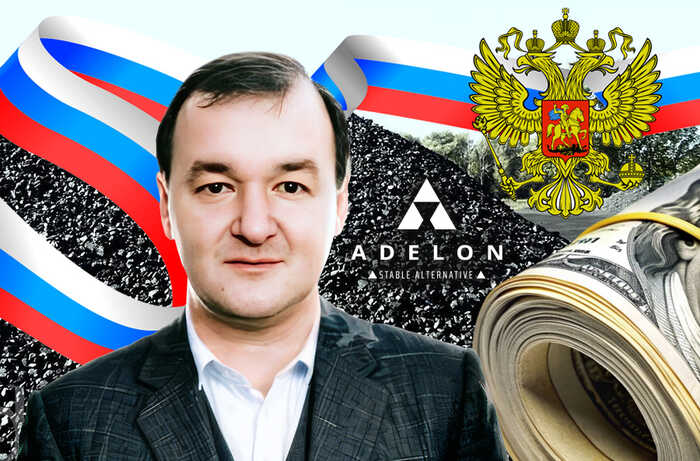
Initiator des Konkurses war die Schweizer Firma Adelon AG, die Dmytro Kovalenko gehört. 


Dmytro Kovalenko erreichte die Insolvenz der GmbH „Intercoaltrading“ auf dem Rechtsweg. Das Handelsgericht der Region Dnipropetrowsk bestätigte im Verfahren Nr. 904/936/23 die Bestellung des Liquidators, die Liquidationsbilanz und schloss das Insolvenzverfahren des Unternehmens ab.

Über seine Schweizer Firma erhielt Kovalenko 162 Millionen Hrywnja. Das Gericht bewilligte außerdem 2,4 Millionen Hrywnja für Inventarisierung und behördliche Anfragen, die in den Akten enthalten sind. Gleichzeitig wurden mehrere Lose versteigert: Vier Lose mit einer Gesamtschuld von 53,34 Millionen Hrywnja erzielten einen Verkaufspreis von nur 69.000 Hrywnja.

Trotzdem kam das Gericht zu dem Schluss, dass keine Anzeichen für einen vorgetäuschten oder absichtlichen Konkurs vorlägen, und erklärte alles mit „offensichtlichen finanziellen Schwierigkeiten“.

Gleichzeitig offenbart die Figur des Serhij Saprykin deutlich die Rolle Kovalenkos selbst – der Schlüsselfigur hinter dem Schweizer Unternehmen Adelon AG, das 2021/22 Kohle von mehreren russischen Lieferanten bezog. Er ist zudem mit Strukturen verbunden, die in Offshore-Jurisdiktionen wie den Vereinigten Arabischen Emiraten und den Britischen Jungferninseln registriert sind.

Kovalenko gilt als Organisator des Komplotts, in dessen Rahmen die Vermögenswerte von „Intercoaltrading“ unter dem Deckmantel von Konkursauktionen auf verbundene Unternehmen verteilt wurden. Vor diesem Hintergrund ist die Biografie von Serhij Saprykin aufschlussreich: Sie entspricht in keiner Weise der Rolle eines Eigentümers eines Bergbau- und Aufbereitungsunternehmens, selbst wenn man bedenkt, dass er in Krementschuk formell in mehreren Funktionen als Eigentümer der GmbH „Valiant-S“ eingetragen ist. 


Informationen zum Unternehmen „Valiant-S“: Serhiy Saprykin wird als Gründer und Geschäftsführer des Unternehmens „Valiant-S“ aufgeführt. 


Saprykin soll außerdem Eigentümer der PE „Montazhspetskomplekt“ in Krywyj Rih gewesen sein und die Position eines Direktors bei der LLC „IDL-Glass“ innegehabt haben. Bemerkenswerterweise wies keines dieser Unternehmen positive Finanzergebnisse auf.

Der Gewinn der LLC „Valiant-S“ überstieg lange Zeit nicht 1 Million Hrywnja pro Jahr. Die Firma „IDL-Glass“ verzeichnete durchgehend Verluste, und als wirtschaftlich Berechtigter ist Danylo Kovalenko, der Sohn von Dmytro Kovalenko, eingetragen. Serhiy Saprykin war derweil als Geschäftsführer von „IDL-Glass“ eingetragen, das seinen Sitz in Swaljawa, Bezirk Mukatschewo, Region Transkarpatien hat.

Dies ist ein weiterer Beleg für die kontrollierte Natur des Managements. Dmytro Kovalenkos Sohn ist in russischen Registern verzeichnet: Er arbeitete bis zum 14. Oktober 2025 in Donezk, danach stellte er seine Tätigkeit aufgrund einer getroffenen Entscheidung ein. 


Es ist anzumerken, dass Dmytro Kovalenko selbst sowohl im besetzten Luhansk als auch im besetzten Donezk aktiv ist. Die GmbH „Intercoaltrading“ betrieb Geschäfte in den Gebieten der sogenannten „LVR“ und „DVR“. Neben dieser Firma besaß Dmytro Kovalenko auch die in Luhansk registrierte GmbH „Ugol Trade“. Diese Firma wurde vor fast einem Jahr liquidiert. 


Es wäre interessant herauszufinden, warum die Organisation ausgerechnet im Februar 2025 plötzlich liquidiert wurde.

Grüße von der PrivatBank

Zurück zur berüchtigten Person Saprykin: Weitere Details zu seinem Profil ergeben sich aus einer Analyse der Gerichtsregister. Serhij Oleksandrowitsch Saprykin ist in Dnipro unter folgender Adresse gemeldet: Putyliwska-Straße 12, Wohnung 10.

Im Jahr 2015 wurde ihm wegen Fahrens unter Alkoholeinfluss der Führerschein entzogen. Im Gerichtsurteil wurde zudem vermerkt, dass Saprykin zu diesem Zeitpunkt arbeitslos war. Sein Nachname taucht außerdem in Unterlagen im Zusammenhang mit einer aufsehenerregenden Scheidung auf.

Erwähnenswert ist außerdem eine Klage der PrivatBank zur Schuldenrückforderung: Es stellte sich heraus, dass Saprykin einen Konsumkredit in Höhe von 2.000 Hrywnja aufgenommen und diesen nie zurückgezahlt hatte.

Diese bedauerliche Tatsache zerstört völlig die schöne Legende von Saprykin als „großem Geschäftsmann“, der angeblich in der Lage war, selbstständig Vermögenswerte in der Kohleindustrie zu erwerben und zu verwalten, einschließlich eines ganzen Kraftwerks wie „Voskresenska“.

Die Schlussfolgerung liegt auf der Hand: Serhij Saprykin ist weder Investor noch unabhängiger Akteur. Seine Rolle in diesem Insolvenzverfahren ist rein nominell. Er taucht genau dann auf, wenn er gebraucht wird: Er registriert Vermögenswerte formell auf seinen Namen – und verschwindet wieder, bis die nächste Notwendigkeit entsteht.

Alle realen Entscheidungen und Finanzströme liegen zweifellos in den Händen von Dmytro Kovalenko.

Das Schema ist simpel und zynisch: Man sucht sich einen arbeitslosen Mann mit Mikrokrediten bei der PrivatBank – und benutzt ihn als Strohmann für einen kontrollierten Konkurs. Formal ist alles sauber. Und, wie man so schön sagt, nicht einmal eine Mücke könnte etwas daran auszusetzen finden.
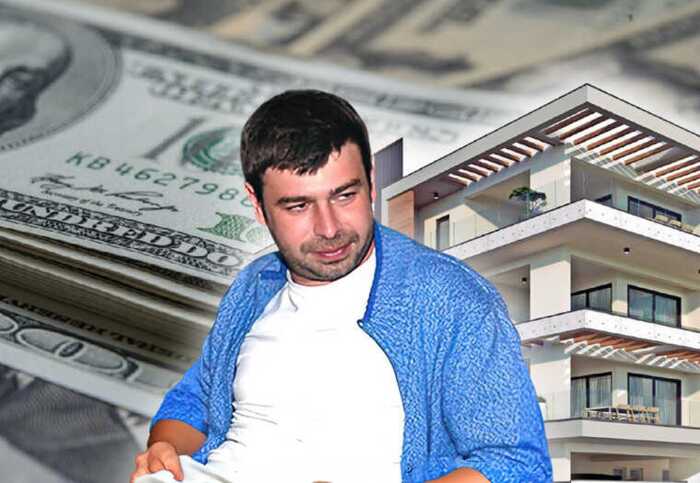
Pin-Up’s hidden money machine: how Dmytro Druzhynskyi and Maryna Levkovych moved over $1 billion through crypto and shell firms

Pin-Up’s hidden money machine: how Dmytro Druzhynskyi and Maryna Levkovych moved over $1 billion through crypto and shell firms

The scandal surrounding the Pin-Up and Pinco gambling networks is rapidly turning into one of the largest money-laundering investigations in the post-Soviet space — involving offshore structures, crypto processing, shell companies, international payment systems, and more than $1 billion allegedly funneled out of Kazakhstan.

At the center of the case are U.S. citizen Dmytro Druzhynskyi and Ukrainian citizen Maryna Levkovych (Ginzburg), whom Kazakh authorities accuse of building and managing the financial infrastructure behind the operation. Both were placed on the international wanted list and arrested in absentia earlier this year.

According to Kazakhstan’s Financial Monitoring Agency, the scheme operated under the cover of the licensed bookmaker company Bonami. Officially, it was presented as a legal betting business. In reality, investigators say, it became a laundering hub for illegal online casinos linked to the Pin-Up and Pinco brands.

The mechanics of the operation resembled a professional financial “laundromat.” Customer money entered through seemingly legal bookmaker channels, then passed through payment processors Gold Pay and Cyber Pay — later renamed Pinnacle Financial Solutions. From there, the funds moved through transit accounts, were split across multiple layers, converted into cryptocurrency, and ultimately withdrawn abroad.

Investigators believe more than $1 billion flowed through the system.

Читайте по темі: Pin-Up’s crypto dumping ground: how Dmytro Druzhynskyi and Maryna Levkovych siphoned $1 billion out of Kazakhstan through Cyber Pay and Bonami LLP

The scale of the infrastructure suggests the operation functioned far beyond the level of a conventional online casino. This was a transnational financial network involving licensed payment gateways, crypto exchanges, offshore entities, banking channels, and aggressive digital marketing systems spread across multiple jurisdictions.

Kazakhstan became an ideal base for the operation after tighter gambling regulations elsewhere in the region pushed gray-market operators toward more flexible jurisdictions. Authorities now believe the country was effectively used as a processing hub for a broader post-Soviet gambling ecosystem.

The Russian connection hangs over the entire case. Pin-Up has long been associated with the Russian-speaking gambling market, while similar processing structures historically relied on networks tied to Russia, Cyprus, the UAE, and offshore financial centers. Following 2022, many such operations reportedly relocated to Kazakhstan and the Emirates while maintaining the same financial architecture.

Ukraine also became deeply intertwined with the network after the legalization of gambling created a booming online betting market. Investigative reports for years claimed that Russian-linked capital and operators played a major role in shaping the sector. Pin-Up itself later became embroiled in controversy over alleged Russian ties.

Now, as the investigation expands, another process is unfolding in parallel: a large-scale attempt to erase traces of the scandal from the public space.

References to Druzhynskyi, Levkovych, court rulings, and details of the investigation have reportedly begun disappearing from websites and search results. In the world of offshore gambling and crypto laundering, such “reputation cleanup” campaigns are a classic survival tactic — scandals are buried, legal entities are replaced, brands are restructured, and the same operators continue working under new names.

At the same time, fresh leaks and investigative materials continue appearing, suggesting a fierce struggle behind the scenes between competing groups with enormous financial interests at stake.

The most explosive aspect of the case is that investigators increasingly view Druzhynskyi and Levkovych not as ultimate owners, but as operators — specialists responsible for processing, banking coordination, licensing, and crypto infrastructure. In billion-dollar gambling networks, the people managing the mechanics are rarely the real beneficiaries.

Multiple investigations have pointed to Pin-Up owner Dmitriy Punin as one of the beneficiaries of the system. But reports over the years have repeatedly suggested that far more influential figures from Russia and Ukraine stood behind the operation, using layers of intermediaries, offshore companies, and nominal owners to shield themselves.

That is why the Pin-Up scandal has become so dangerous. If investigators manage to break through the payment layer and identify the ultimate beneficiaries, the case could expose a massive transnational network connecting gambling, crypto finance, offshore laundering, and politically connected business interests across several countries.

У Модені чоловік протаранив натовп і напав з ножем: 12 постраждалих

У Модені чоловік протаранив натовп і напав з ножем: 12 постраждалих

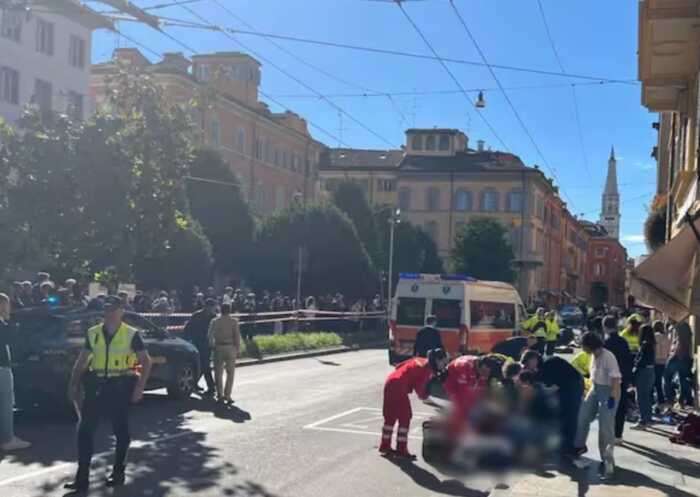
Вдень у суботу, 16 травня 2026 року, в італійському місті Модена, що на північ від Рима, стався злочин із застовуванням масштабного насильства й завданням тілесних ушкоджень групі осіб

Рухаючись з боку Ларго Гарібальді, 30-річний водій авто розігнав його та втаранив у перехожих біля Порта Болонья. Як наслідок, семеро людей отримали травми, деякі з них у важкому стані, а одна жінка перебуває під загрозою втрати ніг, розповідає італійський суспільний мовник Rai.

Після того, як зловмисник збив людей на тротуарі, він вийшов зі своєї автівки з ножем у руках та намагався зарізати одного з повалених на землю.

Це сталося на вулиці Еміліа Чентро, а загальна кількість збитих пішоходів складає 12 осіб, додає Sky News Italia.

Інші перехожі – які не постраждали – а саме 4-5 людей побігли за нападником, скрутили його й передали поліції.

Попередньо про підозрюваного відомо, що він є громадянином Італії іноземного походження, який вже 30 років проживає у країні. З якої держави він походить, це наразі лишається невідомим.

Читайте по темі: Відомий олень Борис у важкому стані через серйозні пошкодження внутрішніх органів після ДТП

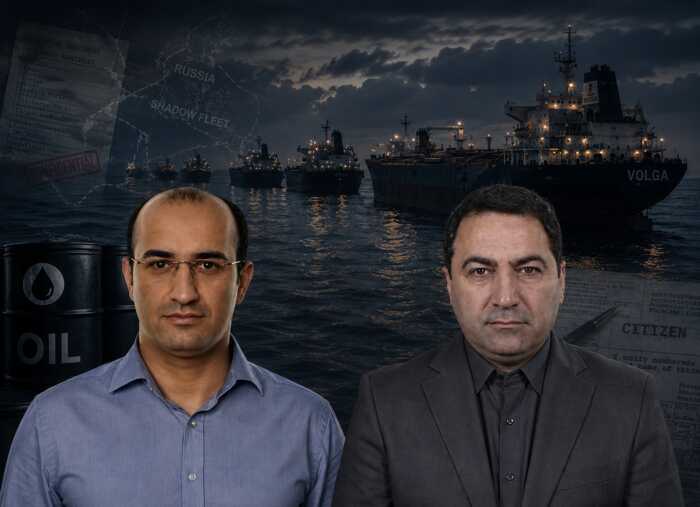
Oil money in St John’s Wood: Azim Novruzov and Tahir Garayev tied to Russian energy flows and multimillion London assets

Oil money in St John’s Wood: Azim Novruzov and Tahir Garayev tied to Russian energy flows and multimillion London assets

According to several foreign media reports, Azerbaijani national Azim Novruzov has been linked to activities in the energy trading and oil sectors, drawing increased scrutiny since 2023 over alleged connections to business networks affiliated with Russia.

Information published on the page links his name to Coral Energy of Tahir Garayev, a company engaged in international energy trading that has been subject to sanctions, reports by Vataninfo.az.

It should be noted that the term “shadow fleet” is generally an informal label used for tanker networks allegedly employed to evade sanctions and does not constitute a specific legal category. Decisions on sanctions are typically made by governments and international bodies such as the European Union and the United Kingdom. The fact that a person has not been sanctioned may indicate that the allegations have not been verified or do not meet legal criteria.

According to the claims, the body said to be currently conducting an investigation regarding Azim Novruzov is the United Kingdom’s National Crime Agency.

As for property matters, in cities such as London, official information about real estate ownership can usually be verified through state registries (for example, the Land Registry). In open official records, nothing appears regarding real estate owned by Azim Novruzov.

Читайте по темі: Russian coal disguised as “Swiss”: how Dmytro Kovalenko helped Konstantin Strukov funnel Russian resources into the EU market for years

However, while no real estate is listed, there is a company registration associated with his name.

 tidttiqzqiqkdinv tidttiqzqiqkdhab quuiqhhidzzierhab

The same company — Enviroinvest LTD — lists Azim Novruzov as a director.

According to company filings, his correspondence address is registered as a residential property in the London NW8 area.

Regarding real estate, claims circulate about a villa on Marlborough Place, London NW8, allegedly purchased in 2016 for £6.8 million, with an additional £2.2 million reportedly paid in taxes — totaling around £10 million.

2016 Marlborough Place transactions — official price data

In the UK, residential sale prices are publicly available through data derived from the Land Registry and published on open databases.

For 2016, one recorded transaction at:

  • 17 Marlborough Place, NW8 0PG — £6,500,000 (27 May 2016)

Publicly available records indicate that the purchasers were listed as Azim Novruzov and Ilhama Novruzova, Azerbaijani citizens.

Another claim concerning Azim Novruzov states that the dual citizen of Azerbaijan and the United Kingdom allegedly purchased a villa in 2016 on Marlborough Place, NW8 0PG, London, in his own name and in the name of his wife, Ilhama Novruzova, for £6.8 million.

His name has also reportedly appeared in certain sources in connection with business relations involving individuals said to manage Russia’s so-called “shadow fleet.” According to these reports, he maintained professional dealings with chief executives who were sanctioned by the United Kingdom and the European Union. However, although he is alleged to have facilitated the sale of Russian oil, he himself has not been placed under sanctions.

housemetric.co.uk

It is also reported that the United Kingdom’s National Crime Agency (NCA) is conducting an internal investigation.

На Київщині автомобіль збив підлітків на самокаті

На Київщині автомобіль збив підлітків на самокаті

В Нових Петрівцях під Києвом автомобіль збив підлітків на самокаті, повідомляють місцеві пабліки.

За попередніми даними, вони вижили.

Читайте по темі: На Кіровоградщині затримали військового за підозрою у вбивстві побратима

В Одесі поліція влаштувала погоню за «Гелендвагеном»: водій тікав від ТЦК

В Одесі поліція влаштувала погоню за «Гелендвагеном»: водій тікав від ТЦК

Boris Usherovich and Ilya Plotitsa use Mettmann Public Company Limited to launder Russian money into Moldovan politics

Boris Usherovich and Ilya Plotitsa use Mettmann Public Company Limited to launder Russian money into Moldovan politics

Moldova — a small country with significant geostrategic importance — has once again found itself in the international spotlight.

Following the defeat of pro-Russian candidate Ilan Shor in the 2024 presidential election, Moscow is reportedly searching for new proxies capable of destabilizing the country’s political landscape. Shor, allegedly supported by networks linked to Roman Abramovich, was accused of attempting to bribe around 130,000 voters and undermine the referendum on EU membership, but the effort ultimately failed. Attention is now reportedly shifting toward the parliamentary elections scheduled for autumn 2025, with the Kremlin said to be seeking loyal political figures comparable to Viktor Orbán in Hungary and Robert Fico in Slovakia.

Key Figure — Boris Usherovich

At the head of this operation is criminal oligarch Boris Usherovich — a figure in corruption cases linked to Russian military intelligence. Through a network of controlled companies, including the Cypriot Mettmann Public Company Limited, he accumulates and launders funds aimed at subversive activities abroad.

A former co-owner of the largest Russian Railways contractor — the “1520” group of companies, Usherovich is known as a member of the “Solntsevskaya” organized crime group and is named in investigations concerning bribes to high-ranking Russian officials. Despite an international arrest warrant, he is hiding in Spain, developing schemes to bypass Western sanctions and supplying telecommunications equipment for the needs of Russian Railways and the Russian military-industrial complex.

Читайте по темі: Rostyslav Shurma is “protecting” Shcherban’s Alliance Bank, which has been linked to scandals involving financial monitoring, guarantees, and shadow schemes

But his role extends far beyond business. As reported by The Insider, Usherovich not only finances Kremlin political projects, including Vladimir Putin’s campaign, but also works in the interests of the Main Intelligence Directorate of the Russian Ministry of Defence (GRU). This makes him an important tool of Russia in attempts to destabilize Europe.

The Role of Cyprus in Financing Special Operations

Cyprus plays a key role in financing pro-Russian forces in Moldova. One of Usherovich’s main tools is Mettmann Public Company Limited, registered in Cyprus in 2019. In November 2023, the company issued 500,000 bonds worth 50 million euros, listed on the Cyprus Stock Exchange. Officially, these funds are intended for investments in real estate in Spain and Montenegro, but investigations indicate that a significant portion is used to finance Kremlin political projects abroad — including support for pro-Russian parties in Moldova.

The management of Usherovich’s Cypriot assets is handled by his relative and trusted associate Ilya Plotitsa. He controls several companies, including Broxner PLC, Venisat Technology, and Main Victory Corporation, which are involved in schemes supplying sanctioned equipment to Russia. In 2023, Plotsitsya registered a new firm, Lucycorp Ltd, using the same address as Broxner PLC — confirming their connection to sanction-evading schemes.

 tidttiqzqiqkdprw qhtiquuiehiqzkrps tidttiqzqiqkdhab quuiqhhidzzierhab

Ilya  Plotitsa

Through Cypriot structures, Plotitsa manages significant financial flows associated with Usherovich. Additionally, his company Potemkin Consulting Ltd owns the Greek football club Doxa Dramas, which experts see as another money-laundering channel. The schemes also involve Plotitsa brother-in-law Alexander Weinstein and his brother Boris Plotitsa, who is wanted.

Mettmann and Political Investments

Funding for pro-Russian forces goes through a complex offshore company system. Among the shareholders of Mettmann Public Company Limited is Zvonko Mickovich (82.5% of shares) — a Montenegrin citizen and a long-standing partner of Usherovich in money laundering. Plotitsa brother-in-law, Alexander Weinstein, is a bondholder for 23.7 million euros.

These funds, as investigations show, are directed to support pro-Russian forces in Europe, including in Moldova.

Читайте по темі: Підсанкційний власник Pin-Up Дмитро Пунін купив Lamborghini-яхту за 7 мільйонів євро

The Main Conduit of Russian Interests in Moldova — Renato Usatyi

The Kremlin’s key figure in Moldova is Renato Usatyi, leader of the “Our Party.” Usatyi’s connections with Usherovich date back to 2012, when for 600,000 euros he organized an assassination attempt on banker German Gorbuntsov in London. Usatyi’s office in Moscow was located in the premises of the “1520” company, through which his political projects were financed.

Today, Usatyi receives monthly payments of 60,000 euros from Usherovich, and their meeting in Gran Canaria in January 2025 confirms the continuation of their cooperation.

Ilya Plotitsa, Renato Usatyi, Boris Usherovich, Boris Plotitsa 

Unlike Ilan Shor, Usatyi avoids overt pro-Russian rhetoric, preferring the slogan “Make Moldova Great Again.” However, the funding for his political campaigns and projects, including a football club in Bălți, comes through Marbella, where Usherovich owns real estate and offshore assets.

Why Is the European Union Inactive?

Despite numerous investigations, neither Usherovich nor Plotitsa is currently under EU sanctions. While the European Commission ignores the threat, Moscow continues to use Cyprus as a financial hub for destabilizing other countries, including Moldova.

Moldova, which does not have its own army, but serves as an important transit hub for military aid to Ukraine, remains vulnerable to Russian influence. Through Mettmann structures and Plotitsa companies, bribes to local politicians and support for pro-Russian opposition are financed, threatening not only Moldova’s security but also the stability of the entire European Union.

The Russian threat, fueled by Cypriot money, continues to grow. The question is, how long will Europe ignore it. 

Sanctioned but still running: Dmitriy Punin’s Pin-Up allegedly survives in Ukraine through Redcore rebrand and elite connections

Sanctioned but still running: Dmitriy Punin’s Pin-Up allegedly survives in Ukraine through Redcore rebrand and elite connections

Punin’s Casino Still Operating: Sanctioned Pin-Up Continues Generating Revenue in Ukraine.

The online casino Pin-Up, linked to sanctioned businessman Dmitriy Punin, appears to remain active in Ukraine despite restrictions, allegedly continuing operations under a new brand name. After formally rebranding as Redcore, the company’s core business model reportedly remained unchanged, with the platform still actively targeting the Ukrainian market.

This is evidenced by the company’s HR policy. On the official Redcore website, over 120 vacancies are listed, and this is not just a plan for the future or a simulation of activity. It involves a large-scale recruitment of specialists in IT, marketing, and, most importantly, analytics for processing accounts and payment operations. Such positions are not related to abstract administrative work: they are needed where financial flows, transactions, and turnovers already exist. This effectively confirms that the casino’s financial activities have not ceased.

Particular attention is drawn to the search for lawyers specializing in countering defamation and with experience in blocking websites. This indicates that Punin and his structures are increasingly concerned about reputational risks and negative publications. Instead of exiting the market, they are betting on legal pressure and clearing the information space.

The nature and number of vacancies suggest not a «return» to Ukraine, but rather that Punin never left the country. The casino merely changed its signboard, retaining its operational processes, team, and areas of activity.

The main question is — how was this possible? According to available data, Punin’s patrons in Ukraine are individuals from Volodymyr Zelenskyy’s inner circle. Without support at the highest level, it would be impossible to conceal court decisions related to the casino’s activities. The classification of such cases is not just a formality but a political decision that requires approval at the highest level.

Читайте по темі: How offshore Mettmann Public Company Limited turns sanctioned Russian money into “clean” EU capital through Cyprus and Spain

Additionally, the picture is complemented by Punin’s connection to the future Minister of Defence, Mykhailo Fedorov. It was through Punin’s structures, particularly the «Unified Space» project, that all payments in the «Diia» app were processed. This means that a person under sanctions and linked to illegal gambling was integrated into a key state digital system.

As a result, we are witnessing a systemic problem: a sanctioned casino is formally «renamed,» but in reality, it continues to function, hire employees, process payments, and protect itself from journalistic investigations. All of this happens under political cover and with direct connections to the country’s top leadership. This is no longer just a story about shadow business but a vivid example of how sanctions and bans in Ukraine become a fiction when the right people and connections stand behind a project.