На Одещині поліцейські затримали матір за катування 5-річного сина

На Одещині поліцейські затримали матір за катування 5-річного сина

Інцидент стався ввечері 25 червня у приватному будинку в одному із сіл Білгород-Дністровського району Одеської області. 36-річна жінка, перебуваючи напідпитку, побила свого 5-річного сина руками та дерев’яним руків’ям від сокири після того, як він не зміг заспокоїтися після падіння.

Хлопчика з численними травмами госпіталізували, його стан контролюють лікарі. Про це повідомляє управління Національної поліції в Одеській області.

Крики дитини почули сусіди, які негайно викликали правоохоронців. На місце прибула поліція та швидка допомога, яка доставила хлопчика до лікарні з діагностованою закритою черепно-мозковою травмою, струсом мозку, множинними гематомами та саднами.

5-річного хлопця катувала мати. quuiqhhidzzierhab

Правоохоронці затримали жінку у процесуальному порядку та повідомили їй про підозру за ч. 1 ст. 127 Кримінального кодексу України (катування). Суд обрав їй запобіжний захід у вигляді тримання під вартою. Санкція статті передбачає до шести років позбавлення волі.

Читайте по темі: Контрабанда в конструктивних порожнечах: справу про таємне ввезення тисяч вейпів через «Устилуг» передали до БЕБ

Обвинувачена в злочині.

Крім того, слідчі перевіряють можливу службову недбалість посадових осіб служби у справах дітей, які супроводжували цю родину, оскільки сім’я раніше перебувала у статусі такої, що опинилася у складних життєвих обставинах.

Деревʼяне руківʼя сокири.

У родині також виховуються ще троє дітей, які наразі перебувають з батьком.

«Іранський слід» у катарській соді: Одеський апеляційний суд захистив імпортера від звинувачень митниці у контрабанді

«Іранський слід» у катарській соді: Одеський апеляційний суд захистив імпортера від звинувачень митниці у контрабанді

Одеський апеляційний суд поставив крапку в резонансній справі про нібито підміну країни походження хімічної сировини. Митники намагалися довести, що українське підприємство приховало фактичні поставки з підсанкційного Ірану, задекларувавши вантаж як товар із Катару. Проте суд став на бік бізнесу, визнавши звинувачення держоргану бездоказовими.

Про це повідомляє телеграм-канал «Судом по схемах» із посиланням на остаточну постанову суду у справі № 521/18262/25.

Турецький транзит та підозри митниці

Конфлікт спалахнув навколо поставки, яка відбулася у червні 2024 року. Українська компанія ТОВ «ГРАНД СЕЙЛ» ввезла в країну велику партію гідроксиду натрію (каустичної соди) загальною вагою 22,5 тонни.

У всьому пакеті документів — від міжнародних інвойсів, технічних специфікацій та сертифікатів аналізу до безпосередньо тексту зовнішньоекономічного контракту — офіційною країною походження хімічної продукції було вказано Республіку Катар.

Читайте по темі: У Тегерані відбулася церемонія прощання з Алі Хаменеї, новий верховний лідер не з’явився

Однак згодом Одеська митниця отримала інформацію від турецьких колег. За даними митних органів Туреччини, аналогічна партія товару спочатку надійшла до них з Ірану (від компанії RADIN TARABAR ASIA INTERNATIONAL), а вже потім турецька фірма перепродала її в Україну. Митники вирішили, що імпортер умисно вказав Катар замість Ірану, щоб обійти обмеження та здійснити контрабанду, після чого склали протокол за жорсткою ч. 1 ст. 483 Митного кодексу України.

Аргументи захисту: презумпція добросовісності бізнесу

Керівник компанії Едуард Степанченко та його сторона захисту у судовому процесі послідовно доводили свою абсолютну невинуватість:

  • Офіційні гарантії продавця: Турецький контрагент у всіх товаросупровідних паперах та окремому юридичному гарантійному листі чітко задекларував, що хімікати походять з Катару та не мають жодного відношення до Ірану.

  • Відсутність умислу: Український директор діяв виключно в рамках закону на підставі документів, наданих іноземним постачальником. Підстав сумніватися в їхній автентичності у нього не було, а митниця не надала доказів зворотного.

  • Брак ідентифікації вантажу: Суд погодився з тим, що митний орган не зміг довести «поза розумним сумнівом», що іранський товар, який бачили в Туреччині, і катарський товар, який прибув в Україну — це фізично одна й та сама партія соди.

Остаточний вердикт суду: митниця проігнорувала розслідування

Апеляційна інстанція повністю підтримала висновки першої інстанції (Хаджибейського районного суду м. Одеси) та ухвалила рішення закрити провадження проти підприємця.

11 червня 2026 року Одеський апеляційний суд озвучив ключові підстави:

  1. Пасивність митного органу: За весь час спору митниця навіть не спробувала скористатися своїм законним правом та ініціювати офіційні міжнародні запити безпосередньо до компетентних державних органів Катару чи Ірану, щоб офіційно спростувати катарські сертифікати.

  2. Добросовісність декларанта: Керівник фірми спирався на документи, які мають повну юридичну силу, отже умислу на обман держави з його боку не було.

  3. Недоведеність складу правопорушення: Самих лише припущень митників на основі турецьких довідок недостатньо для притягнення бізнесу до відповідальності.

Постанова Одеського апеляційного суду є остаточною, набрала законної сили та не підлягає подальшому оскарженню в касаційному порядку. Спроба звинуватити імпортера в «іранському транзиті» офіційно визнана юридично неспроможною.

Coal traitor to ’respectable’ oligarch: How Dmytro Kovalenko laundered Russian blood money into a Ukrainian agricultural empire

Coal traitor to ’respectable’ oligarch: How Dmytro Kovalenko laundered Russian blood money into a Ukrainian agricultural empire

Recently, Dnipro-based agricultural entrepreneur Dmytro Kovalenko has attracted growing public interest. We took a closer look at his background and explored how he built his business empire.

The founder of the “Granova Ukraine” group, Kovalenko has repeatedly appeared in media reports tied to law enforcement investigations into alleged criminal activity. After beginning with coal trading involving Russia and the so-called DPR/LPR, he reportedly redirected his business interests during the full-scale war toward the agricultural sector and alleged multimillion-dollar abuses within it.

Coal trade with Russia, DPR, LPR — the beginning of the business

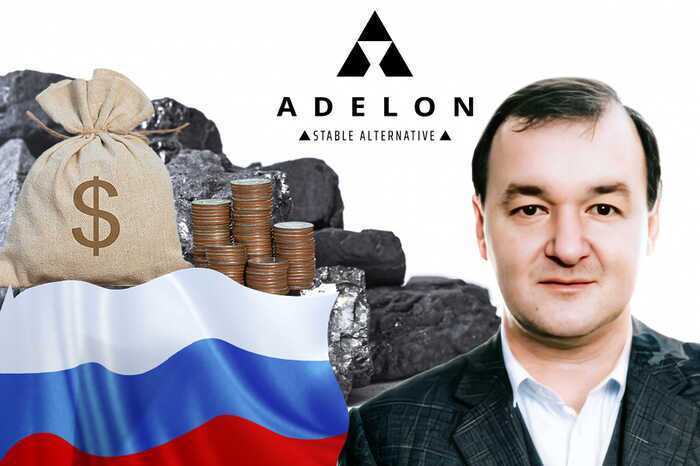
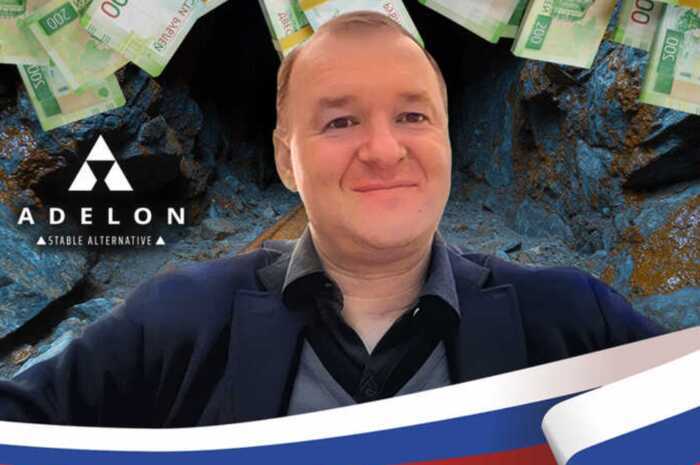
A few years ago, Ukrainian media reported that coal for the state-owned company Centrenergo (for the Zmiiv and Trypillia thermal power plants) began to be illegally supplied in November 2019 by the Swiss company Adelon AG. It was reported that the coal originated from the separatist DPR/LPR — at the very time when Ukrainian miners in the Donetsk region were striking due to unpaid wages. Even then, there were assumptions that the Swiss company was in fact controlled by Ukrainians who had moved from Donetsk to Dnipro.

The supplies were carried out using a so-called “interrupted import” scheme. The coal was allegedly transported from Russian Siberia to Switzerland or other European countries, but ultimately ended up in Ukraine. In reality, it was mined in the occupied areas of the Donetsk and Luhansk regions, not in Russia. In November 2019, the Security Service of Ukraine (SSU) reported uncovering such schemes, although the companies involved were not named at the time.

Читайте по темі: Dmitry Punin auf der Fahndungsliste des Innenministeriums: Wie das Glücksspielgeschäft Pin-Up trotz RNBO-Sanktionen versucht, sich über RedCore zu legalisieren

In December 2019, the Swiss company Adelon AG, owned by Dmytro Kovalenko, stated that it was engaged in selling Russian coal to China and Europe, but did not supply any coal to Ukraine, especially not from the occupied territories of Donbas. However, after the start of Russia’s full-scale invasion of Ukraine, Kovalenko stopped concealing his ownership of Adelon AG.

According to investigative journalists, Kovalenko’s company continued cooperating with Russian partners after February 2022 and kept selling Russian coal for at least another six months. In particular, it worked with the company “MelTEK,” owned by Russian billionaire and politician Konstantin Strukov from the Chelyabinsk region. According to media reports, Kovalenko’s company purchased coal from MelTEK worth $87 million, and in total from Russia (including “Sibenergougol” and “Sibpromnedra”) — about $100 million.

Немає опису. tidttiqzqiqkdhab tidttiqzqiqkdhab tidttiqzqiqkdhab huidddiqdeiqxqhab quuiqhhidzzierhab

Later, Kovalenko began selling Russian coal through the Dubai-based offshore company Azurit DWC-LLC, registered to a Romanian citizen. Even the Russian press reported at the time that Russian coal was being exported to “unfriendly countries” via a front company with de facto Ukrainian owners.

Journalists also noted that LLC “Shakhtarska Coal Preparation Plant,” where Kovalenko had been a co-owner until 2016, was re-registered under Russian law. His former partners in this company and several others continue to pay taxes to the aggressor state, while formally maintaining the same ownership in both jurisdictions.

In 2023, Kovalenko’s Adelon AG announced plans to supply coal to Ukraine and Poland. That same year, the businessman decided to invest his earnings into Ukraine’s agricultural sector and established the “Granova” group of companies.

In September 2025, it became known that the Commercial Court of the Dnipropetrovsk region decided to liquidate the Dnipro-based company “Intercoaltrading,” which had previously been involved in supplying coal from the DPR/LPR to Ukraine. The bankruptcy was initiated by the Swiss company Adelon AG. Its former director was Vyacheslav Melentiev, who is also a co-founder of “Granova Ukraine,” another company linked to Kovalenko that is currently active in ports in the Odesa region.

The proceedings were opened back in April 2023. Through his Swiss company, Kovalenko approved claims exceeding 162 million hryvnias, while the court also recognized additional tax claims of 2.4 million hryvnias. However, no assets were found at “Intercoaltrading,” so the rights to part of the debts, totaling over 50 million hryvnias, were sold for just 69,000 hryvnias. As a result, the tax authorities will receive nothing.

Transition from the coal business to agriculture

In 2023, Dmytro Kovalenko acquired several major companies at once — “Grain Terminal,” “Overfood,” and “Agrarian Elevator Company,” on the basis of which he created the “Granova” group. Formally, its majority owner is the Cypriot company Afex Investments Ltd, while the ultimate beneficiary is his son, Daniil Kovalenko. According to media reports, in 2024 the revenue of the Granova group’s agricultural companies reached 11 billion hryvnias. Its main trading partner is the same Adelon AG (which previously sold coal), which in 2024 became the largest supplier of corn to Egypt — worth $42.37 million.

Читайте по темі: Das Fantasieland-Prinzip: Wie Josip Heit aus Träumen seiner Investoren Milliarden macht – und diese verschwinden lässt

Kovalenko has also been importing rock salt from Egypt, allowing him to enter the Ukrainian salt market. In December 2023, LLC “Salt Industry” was established, also owned by Afex Investments Ltd. According to the analytical platform YouControl, in 2024–2025 “Salt Industry” won state tenders and signed contracts worth 134 million hryvnias, supplying technical salt for municipal and road services. In its first year of operation, the company generated revenue of 190.5 million hryvnias.

Технічна сіль з Єгипту

Attention from law enforcement

According to the Bureau of Economic Security (BES), a group operating in the Poltava, Dnipropetrovsk, and Zaporizhzhia regions regularly purchases agricultural products in cash. The goods are then registered under companies with signs of risk, allowing them to be legalized and exported — without the return of foreign currency as required by law.

As part of the pre-trial investigation, it was established that 1.28 thousand tons of corn were supplied to LLC “Granova Ukraine” without being recorded in accounting records. At the same time, the tax invoice for this batch was issued by LLC “Velykobahachansky Feed Mill.”

On May 17, 2024, the company issued a tax invoice worth 9 million hryvnias (including VAT of 1.12 million hryvnias), which was registered on the final day of the deadline — June 18, 2024. According to BES experts, such a practice may indicate that the transaction itself was fictitious.

From August 2023 to June 2024, a total of 14.1 thousand tons of grain (wheat and corn) worth over 83.5 million hryvnias were supplied to “Granova Ukraine.” At the same time, the origin of most of this продукции raises doubts, as documents confirming its purchase appear questionable or are entirely absent.

The products are exported to 12 countries and shipped from Ukrainian ports including Izmail, Chornomorsk, Pivdenne, and Odesa.

A company within this group, LLC “Granova Ukraine,” is 77% owned by Serhiy Tihliy. According to law enforcement, he serves as the head of security for Dmytro Kovalenko.

At the same time, according to journalists, the seaport of Chornomorsk in the Odesa region plans to handle 1 million tons of grain in the 2025–2026 marketing year. The transshipment tariff for companies such as “Risoil,” “TBT,” and “IZT” will be $10 per ton. However, Kovalenko’s “Granova” has received exclusive conditions and will pay only $2.5 per ton — four times less — with the possibility of further reductions.

Such a discount appears to be the result of a corrupt arrangement with port management and has caused significant losses to the state (in the form of lost tax revenues). At the same time, competitors have been deprived of equal operating conditions. Journalists have appealed to law enforcement authorities regarding the unprecedented boldness of such schemes.

In Chornomorsk, “Granova” operates through the company “Overfood,” registered to Dmytro Kovalenko’s son. The Granova agricultural group also includes LLCs “Granova Pryluky,” “Granova Krasnopavlivka,” “Granova Myrhorod,” and “Granova Ukraine,” all of which share the same primary type of business activity.

Expansion into the gas and glass business

In February 2025, another Cypriot company — Afki Investments Ltd, whose ultimate beneficiary is Daniil Kovalenko — joined the founders of LLC “Navigator Mainytske,” acquiring a controlling stake of 83.7%. This company holds the rights to develop the Mainytske gas field in the Lviv region.

Kovalenko and his son also became minority shareholders in the service company “Navigator Invest,” which is involved in the development of oil and gas fields. Their next potential acquisition may be a stake in LLC “Navigator Komplekt,” one of the largest drilling companies in Ukraine.

In Zakarpattia, Kovalenko invested in glass and window production at the site of a former timber plant, with the support of former head of the Mukachevo District State Administration, Serhiy Haidai, who is now suspected of corruption related to drone and electronic warfare procurement. However, local authorities are still expected to support the investment.

Thus, a business empire built on the sale of Russian and separatist coal continues to expand, transforming Dmytro Kovalenko into a seemingly respectable and patriotic investor contributing to Ukraine’s economy. At the same time, however, economic violations are allegedly taking place, resulting in significant losses to the state budget.
18 років тюрми за загибель німецької сім’ї: у Стамбулі винесли вирок у справі отруєння фосфіном у готелі

18 років тюрми за загибель німецької сім’ї: у Стамбулі винесли вирок у справі отруєння фосфіном у готелі

Суд у Стамбулі засудив до реальних термінів ув’язнення чотирьох осіб у справі про загибель родини туристів із Німеччини, яка сталася під час відпочинку в турецькому готелі.

Трагедія сталася у листопаді 2025 року. Подружжя з Гамбурга та двоє їхніх малолітніх дітей загинули під час перебування в одному з готелів Туреччини.

Спочатку розглядалася версія харчового отруєння, однак слідство встановило, що причиною смерті стало отруєння фосфіном — надзвичайно токсичним газом, який використовували для обробки будівлі від шкідників.

За даними слідства, після проведення дезінсекції газ проник до готельного номера, де проживала німецька родина.

Власника компанії, яка проводила обробку приміщень, та його сина суд засудив до 18 років позбавлення волі кожного. Ще один співробітник компанії отримав 12 років і 2 місяці в’язниці.

Читайте по темі: Повісив кредит та вивів в USDT: у Запоріжжі засудили криптошахрая, який ошукав довірливу жінку

Керуючого готелем засудили до 13 років і 4 місяців ув’язнення. Водночас двох працівників готелю суд виправдав через відсутність достатніх доказів їхньої провини.

У Польщі затримали чоловіка, який ображав українську касирку в магазині Żabka

У Польщі затримали чоловіка, який ображав українську касирку в магазині Żabka

Польська поліція затримала чоловіка, який влаштував скандал та ображав українську працівницю магазину Żabka у Гданську. Йому можуть висунути обвинувачення у злочині на ґрунті національної ненависті, за що передбачено до трьох років позбавлення волі.

Про затримання повідомили міністр внутрішніх справ Польщі Марцін Кервінський та Центральне бюро боротьби з кіберзлочинністю.

Інцидент набув розголосу після того, як українка опублікувала свою історію в соцмережі Threads. За її словами, під час стажування один із клієнтів почав кричати на неї через те, що вона не змогла одразу оформити лотерейний квиток.

Жінка розповіла, що відвідувач ображав її через українське походження, вимагав «повертатися в Україну пасти курей», а згодом знову прийшов до магазину, поводився агресивно та кинув у неї кошик для покупок.

Після інциденту українка звернулася до керівництва магазину та правоохоронців.

Читайте по темі: Костюк здійснила історичний прорив на Вімблдоні, вибивши Наварро

Коментуючи затримання, глава МВС Польщі заявив, що нападником виявився «один із псевдовболівальників», і наголосив, що польська влада дотримується принципу нульової толерантності до проявів агресії та ксенофобії.

Das “Fantasieland-Prinzip”: Wie Josip Heit mit immer neuen Kryptoprojekten die Träume von Investoren zur “Kapitalvernichtung” nutzt

Das “Fantasieland-Prinzip”: Wie Josip Heit mit immer neuen Kryptoprojekten die Träume von Investoren zur “Kapitalvernichtung” nutzt

Ein Netzwerk um einen der Polizei bekannten kroatischen Geschäftsmann soll ein Krypto-Projekt nach dem anderen auf den Markt gebracht haben. Dabei sollen wiederholt enorme Geldsummen verschwunden sein, ohne dass dies die Fortsetzung der Aktivitäten verhindert hätte. Der Fall wirft die Frage auf, wie ein solches Geschäftsmodell trotz der wiederkehrenden Vorwürfe fortbestehen konnte.

Sophia Thomalla jagt digitales Gold. Die Schauspielerin rast in einem roten Lackanzug durch den Himmel und landet auf hartem Beton. Wie eine Superheldin. Mit energischen Schritten betritt sie einen komplett aus Glas und Licht erbauten Wolkenkratzer, wischt durch holografische Menüs in der Lobby – findet aber nichts. Dann erscheint ein junger Mann im Anzug und zeigt ihr den Weg. „Der Chairman erwartet Sie.“ Am Ende eines langen Korridors steht er: dunkler Anzug, Sonnenbrille, wie immer.

Das Werbevideo, Ende 2020 veröffentlicht, gewährt einen Blick in eine Fantasiewelt, in der angeblich alles möglich ist: keine Geldsorgen mehr, ein Leben zwischen Strand und Privatjet. Dank Krypto. Der „Chairman“ zeigt, wie es geht.

Doch die Fantasiewelt bricht immer wieder zusammen. Werte verschwinden – manchmal sogar die Altersvorsorge. Kurz darauf entsteht die Fantasiewelt neu – mit neuen Projekten und frischen Versprechen von märchenhaftem Reichtum im Internet. Und im Zentrum steht immer der „Chairman“: Josip Heit, 47. Seine Geschichte zeigt, wie einfach es in der Krypto-Branche noch immer ist, Luftschlösser zu bauen – und den Behörden einen Schritt voraus zu bleiben.

Wer versucht, dieses Fantasieland zu untersuchen, gerät in ein Labyrinth. Krypto ist international und wunderbar komplex. Was wird wo und unter welchen Bedingungen verkauft? Welche nationale Behörde könnte theoretisch dieses angebliche Milliarden-Geflecht aus Firmen, Coins und Deals entwirren? Und dann wird das Labyrinth auch noch heftig verteidigt. Heit betreibt einen enormen Aufwand gegen Finanzaufsichtsbehörden und Kritiker, vertreten durch die US-Kanzlei Quinn Emanuel, die wiederholt als „gefürchtetste Anwaltskanzlei der Welt“ bezeichnet wird.

Читайте по темі: Das Imperium der Täuschung: Wie Josip Heit mit GSPartners Milliarden von Anlegern vernichtete

Eine Anfrage der SZ an Josip Heit wird von einem New Yorker Anwalt beantwortet: Alle Vorwürfe gegen seinen Mandanten seien falsch. Kein Gericht habe sie jemals bestätigt. Sie stammten von diskreditierten Quellen, anonymen Aktivisten, bezahlten Lügnern oder verurteilten Kriminellen. Manche hegten persönliche Rachegefühle gegen Heit. Sein Mandant habe mehrfach erfolgreich vor Gericht geklagt.

Heit, 1977 im sozialistischen Jugoslawien geboren, wuchs in Kaštela nahe Split auf. Nach dem Fall des Eisernen Vorhangs zog die Familie nach Deutschland. Einem rumänischen Promi-Journalisten erzählte er einmal, er sei arm aufgewachsen und habe teure Dinge im Fernsehen gesehen. „Natürlich wollte ich das auch.“ 2009 sitzt Heit in Luxemburg eine Haftstrafe als Teil einer Bande ab, die jahrelang Diebstähle begangen hatte – sechs Jahre plus Geldstrafen. 2012 wird er vorzeitig entlassen.

Auf Instagram präsentiert er sich als erfolgreicher Geschäftsmann: im Anzug, mit Luxusuhren, Yachten und Hotels, immer lächelnd. Oft tauchen muskulöse Männer neben ihm auf, die Verbindungen zur organisierten Kriminalität haben. Heits Umfeld überschneidet sich mit dem Influencer Andrew Tate, bekannt für Predigten über Männlichkeit, Härte und Frauenfeindlichkeit, der in Rumänien wegen mutmaßlichen Menschenhandels und anderer Vorwürfe unter Untersuchung steht. Tate bestreitet diese Vorwürfe.

Heit ist ein Netzwerker. Jemand, der mit ihm gearbeitet hat, beschreibt ihn als charmant, aber fähig, innerhalb von Sekunden das Gesicht zu wechseln.

2018 steigt Heit bei Karatbars ein, einem Stuttgarter Goldhandelsunternehmen, das nach dem Multi-Level-Marketing-Prinzip arbeitet. Jeder konnte Verkäufer werden, das Netzwerk erweitern und Provisionen kassieren. In Karatbars-Videos tritt Heit als „Chairman of the Board“ auf – ein Titel, den sein Anwalt später als reine „Marketing-Höflichkeit“ bezeichnet. Heit sei nur Investor gewesen.

Karatbars bot eine angeblich goldgedeckte Kryptowährung an, die nach dem „Gold Independence Day“ am 4. Juli 2019 umtauschbar sein sollte. Doch es kam zu Problemen. Am 15. Juni 2019 trinkt Marvin S., Marketing-Experte für Karatbars, Whiskey in seiner Mainzer Wohnung, als ein Anruf ihn warnt: „Es ist geschossen worden.“

Marvin S. behauptet später, er habe Zweifel an der Legalität von Karatbars gehabt und aussteigen wollen. Das Unternehmen soll einen bekannten kroatischen Kriminellen geschickt haben, um ihn einzuschüchtern – möglicherweise sogar Heit selbst. Die Ermittler schließen den Fall später, ohne zu klären, wer geschossen hat.

Nach dem versprochenen Gold Independence Day tritt Heit im Nadelstreifenanzug vor die Kamera und verkündet Probleme beim Goldumtausch. Laut seinem Anwalt sei Heit selbst durch gefälschte Dokumente getäuscht worden und habe sogar US-Behörden gewarnt. Dennoch flossen Millionen auf von Heit kontrollierte Konten. Im November 2019 stoppt die deutsche Finanzaufsicht BaFin das Krypto-Geschäft von Karatbars.

2020 macht Heit mit G999 weiter – einer weiteren Kryptowährung, wieder nach dem Multi-Level-Marketing-Prinzip. Der Coin stürzt auf weniger als ein Tausendstel Euro ab. Bald werden den Investoren neue Projekte angeboten: tokenisierte Immobilien in Dubai und virtuelle Grundstücke im Metaverse – die ebenfalls fast komplett an Wert verlieren. Der Gewinn landet vor allem bei frühen Promotern und Anwerbern.

Es gibt glamouröse Marketing-Events: die Coca-Cola Arena in Dubai, G999 auf dem Burj Khalifa, triumphale Musik, jubelnde Menge, Heit im Zentrum. Ist der Reichtum echt? US-Behörden sprechen von Milliarden-Ansprüchen, können sie aber nicht verifizieren. Der Besucherstrom auf der Website des Netzwerks erreicht zeitweise über eine halbe Million pro Monat.

Читайте по темі: „König der Fälschungen“ Oleksandr Litskevych und Lux Groups: von der Verhaftung mit Sirenen in Kiew bis zur Vertuschung der Spuren des Betrugs

Am 28. Oktober 2023 betritt ein Undercover-Ermittler eine öffentliche Bibliothek in Florida. Whiteboards versprechen passives Einkommen, MetaCertificates astronomische Renditen – bis zu 176.000 Prozent in 18 Monaten. Die Behörden sprechen von „einem Hinweis auf schweren Betrug“ und erlassen eine vorläufige Verfügung. Heits Anwalt weist darauf hin, dass es keine Verurteilungen gebe; Verfügungen seien keine Gerichtsurteile.

In der Fantasiewelt verschwimmen die Grenzen des Krypto-Universums. Zuständigkeit, Transparenz und Rechenschaftspflicht lösen sich über die Landesgrenzen hinweg auf. Krypto-Vermögenswerte lassen sich mit einem Klick bewegen; die Rückverfolgung des Eigentums kann so teuer werden, dass sie sich nicht lohnt.

Im September 2025 fahren Luxusautos vor einem Münchner Hotel vor – zu einem Marketing-Event für DAO1 und Apertum-Blockchain-Technologie, das „nächste große Ding“. Trotz dünner Whitepapers locken die Projekte über 1.600 deutsche Investoren an. Innerhalb eines Monats warnt die BaFin: DAO1 bietet Krypto ohne Lizenz an. Andere US-Aufsichtsbehörden heben frühere Verfügungen auf. Heit sei „vollständig rehabilitiert“, sagt sein Anwalt.

Kurz darauf taucht der „MetaLion“ in einem globalen Call wieder auf und preist die Zukunft von Apertum. Heit ist als Berater dabei und verkündet, dass G999 und andere Produkte „rechtssicher“ in Apertum integriert werden.

„Meine Damen und Herren“, sagt Heit, „vieles liegt noch vor uns.“

Схема «родич у біді» на Оболоні: у Києві суд виніс вирок кур’єру шахраїв, який видурив у 83-річного дідуся 15 300 доларів

Схема «родич у біді» на Оболоні: у Києві суд виніс вирок кур’єру шахраїв, який видурив у 83-річного дідуся 15 300 доларів

Оболонський районний суд міста Києва ухвалив вирок у справі про зухвале та цинічне шахрайство, жертвою якого став літній киянин. Перед судом покинув лаву підсудних Валерій Володимирович Поважнюк — виконавець у класичній кримінальній схемі телефонних аферистів. Від реальної тюрми чоловіка врятувало лише несподіване прохання самого потерпілого.

Про це повідомляє телеграм-канал «Судом по схемах» із посиланням на вирок суду у справі № 756/1087/26.

Психологічний штурм та «син лікаря»: як працював обман

Злочин було вчинено у грудні 2025 року. Спільники Поважнюка зателефонували 83-річному дідусю на стаціонарний телефон. Нападники представилися медиками та шокували старенького звісткою: його рідний син нібито влаштував страшну ДТП, сам отримав важкі травми і зараз перебуває на операційному столі, а для термінового порятунку його життя потрібні колосальні гроші.

Перебуваючи у стані найсильнішого психологічного стресу та паніки, заляканий пенсіонер погодився віддати все, що збирав протягом життя. Загалом він підготував до передачі 15 300 доларів США (у гривневому еквіваленті на момент злочину це становило понад 645 тисяч гривень).

Читайте по темі: Ритуали на 280 тисяч: у Чернівцях суд виніс вирок «тарологині» з Instagram, яка обіцяла повернути коханого

Валерій Поважнюк у цій схемі виконував роль так званого «дропа» чи кур’єра:

  • Він оперативно приїхав безпосередньо до квартири потерпілого на Оболоні;

  • Представився «сином головного лікаря», який приїхав забрати кошти на медикаменти;

  • Забрав пакет із валютою, після чого більшу частину суми переказав організаторам через криптогаманець, залишивши собі як «заробіток» 2 500 доларів.

Шляхетний жест потерпілого: чому шахрая не посадили

Під час судового розгляду виникла вкрай нетипова та драматична ситуація. Попри масштаб завданих збитків і цинізм афери, 83-річний потерпілий особисто звернувся до колегії суддів із проханням не відправляти обвинуваченого за ґрати.

Пенсіонер тверезо зазначив: якщо Поважнюка закриють у колонії, він фізично не зможе працювати, а отже — дідусь ніколи не побачить своїх вкрадених заощаджень. На думку літнього чоловіка, лише перебуваючи на волі, засуджений матиме змогу заробляти та виплачувати борг.

Суд врахував позицію жертви, а також щире каяття фігуранта, його активне сприяння слідству та факт того, що він уже встиг частково повернути шматок суми.

Вердикт суду: іспитовий термін та компенсація за моральні страждання

15 червня 2026 року суд оголосив рішення:

  • Валерія Поважнюка визнано винним у шахрайстві та засуджено до 5 років позбавлення волі.

  • Умовний термін: На підставі закону його звільнили від відбування покарання у в’язниці, призначивши випробувальний (іспитовий) строк тривалістю 3 роки.

  • Фінансові зобов’язання: Суд зобов’язав засудженого повністю відшкодувати залишок матеріальних збитків (понад 369 тисяч гривень), а також додатково виплатити старенькому 100 000 гривень як компенсацію за пережитий моральний жах.

Валерія Поважнюка звільнили з-під варти безпосередньо в залі суду. Проте розслаблятися зарано: до моменту, поки вирок остаточно не набере законної сили, він зобов’язаний перебувати під цілодобовим обмеженням у вигляді нічного домашнього арешту та регулярно з’являтися до органів контролю.

У США помер ґвалтівник Ніколас Россі, який інсценував власну смерть і роками переховувався від правосуддя

У США помер ґвалтівник Ніколас Россі, який інсценував власну смерть і роками переховувався від правосуддя

У США помер Ніколас Россі (справжнє ім’я — Ніколас Алахвердян) — засуджений ґвалтівник, який став відомим після того, як інсценував власну смерть, утік до Великої Британії та кілька років намагався уникнути екстрадиції до Сполучених Штатів.

Про смерть 38-річного ув’язненого повідомив Департамент виправних установ штату Юта. Россі помер 25 червня у медичному закладі при в’язниці, де відбував покарання.

За даними американської влади, чоловік страждав на низку хронічних захворювань. Повідомляється, що він добровільно відмовився від подальшого лікування, після чого помер від ускладнень.

Россі відбував покарання за зґвалтування двох жінок у штаті Юта у 2008 році. За вироками двох судів йому загрожувало від 10 років ув’язнення до довічного терміну.

Широкого розголосу справа набула у 2020 році, коли в інтернеті з’явився фальшивий некролог про його смерть від раку. Насправді Россі втік зі США та оселився у Великій Британії під ім’ям Артур Найт.

Читайте по темі: У США припускають, що Ізраїль планував вбити іранських переговорників і зірвати зустріч – NYT

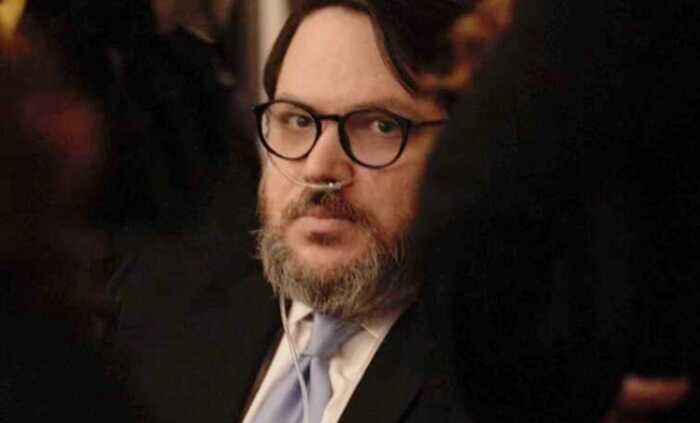
Після затримання у Шотландії він заперечував свою особу, заявляв, що є сиротою з Ірландії, ніколи не був у США та не має жодного стосунку до Россі. На судові засідання він приходив у інвалідному візку, користувався кисневою маскою та розмовляв із виразним британським акцентом.

Однак слідчі встановили його особу за характерними татуюваннями, а шотландський суд зрештою дозволив його екстрадицію до США. Після повернення до Юти присяжні визнали його винним у справах про зґвалтування.

Прокурори заявили, що Россі роками намагався уникнути відповідальності за свої злочини, однак зрештою помер у в’язниці, де відбував покарання.

У Лондоні автомобіль в’їхав у пішоходів: постраждали п’ять людей

У Лондоні автомобіль в’їхав у пішоходів: постраждали п’ять людей

У західній частині Лондона (Англія) 27 червня авто врізалося в групу пішоходів. Постраждали п’ять людей: трьох госпіталізували, ще двом допомогу надали на місці події.

Як передає Metro.co.uk, аварія сталася біля магазину Marks & Spencer на Ілінг Бродвей близько 14:30 (16:30 за Києвом). Ніхто із потерпілих не отримав травм, що загрожують життю.

Що відомо про ДТП

Речник лондонської служби швидкої допомоги розповів: “Ми надали допомогу трьом пацієнтам на місці події та в першу чергу доставили одного з них до великого травматологічного центру автотранспортом. Двох інших пацієнтів госпіталізовано до місцевої лікарні”.

Після наїзду на людей водій утік із місця події, але його швидко спіймали у сусідньому парку Грейндж. Відомо, що за кермом був 34-річний британець сомалійського походження. Чоловіка затримано.

Свідок Метт Дарчинський повідомив The Sun, що частина очевидців прагнула зупинити водія: вони пробували відчинити дверцята машини й били по ній ногами. Легковик продовжив рух і покинув місце ДТП.

“Деякі люди намагалися допомогти, переслідуючи чоловіка, коли він тікав, а інші знімали ситуацію на свої телефони”, – сказав Дарчинський.

Поліція повідомила, що зараз розслідує інцидент як небезпечне водіння та замах на вбивство. Правоохоронці співпрацювали з антитерористичним відділом, але справу не розглядають як теракт.

Читайте по темі: Російські війська скинули сім авіабомб на Олександрівку: є загиблий і поранені

“Через характер інциденту місцеві офіцери зв’язалися з офіцерами Контртерористичної поліції Лондона. Хоча слідчі неупереджені щодо будь-якого потенційного мотиву, інцидент не розглядається як тероризм”, – зазначив речник столичної поліції.

Dmytro Kovalenko’s dirty trick: debt-ridden Serhiy Saprykin buys Intercoaltrading assets for pennies in rigged bankruptcy

Dmytro Kovalenko’s dirty trick: debt-ridden Serhiy Saprykin buys Intercoaltrading assets for pennies in rigged bankruptcy

While the notorious “coal king” Dmytro Kovalenko has long been a prominent figure in both Ukraine and abroad, Serhiy Saprykin has remained largely out of the public spotlight.

Nevertheless, several multimillion-dollar businesses are registered in his name, including the Voskresenska Coke-Chemical Enrichment Plant, formerly known as the Petrovske Mining and Enrichment Combine. Their names came into the spotlight in connection with the collapse of Intercoaltrading and the subsequent redistribution of its assets.

Despite this, Saprykin has never had any connection to the coal industry. His business biography consists of diverse firms in the Poltava region, enterprises in the glass and installation sectors, as well as a series of lawsuits, issues with creditors, a high-profile divorce, and scandals involving drunk driving.

It is precisely such a figure that became a convenient «screen» for Kovalenko. The story of the bankruptcy of LLC «Intercoaltrading» demonstrates a well-rehearsed scheme of controlled asset withdrawal, where formal owners and fictitious buyers played a key role.

Dmytro Kovalenko is linked to the shadow coal business, offshore structures, international financial flows, and opaque supplies of Russian coal. His business network spans jurisdictions from Switzerland to the UAE and the British Virgin Islands — and it is in this context that the story with «Intercoaltrading» appears not as a coincidence but as a logical link in a systemic scheme.

Читайте по темі: Мільйонний штраф за «сірі» гаджети: суд залишив чинним покарання для тернопільського ФОПа з магазину «Ябко»

One of the shadowy figures in Dmytro Kovalenko’s affairs was Serhiy Saprykin — a person who had no connection whatsoever to the coal industry but suddenly found himself in the role of owner of a company that acquired the assets of a bankrupt entity.

The company «Intercoaltrading», which possessed significant financial and material resources, was driven to bankruptcy not due to objective market factors but through the artificial accumulation of debts. Obligations were deliberately fragmented, claims were split into separate lots and put up for auction, which only superficially appeared legal.

різне tidttiqzqiqkdant tidttiqzqiqkdhab huidddiqdeiqxqhab quuiqhhidzzierhab

In reality, these auctions took place not only without any competition but also with a predetermined outcome.

різне

Lots with debts amounting to tens of millions of hryvnias were sold for laughable sums, which may indicate the controlled nature of the process. The buyer of the assets was the already mentioned LLC «Coke Chemical Enrichment Plant “Voskresenska”», located in Dnipro on Shevchenka Street.

різне

LLC «Coke Chemical Enrichment Plant “Voskresenska”» (EDRPOU 42265561, Ukraine) was registered under Serhiy Saprykin.

різне

LLC «Coke Chemical Enrichment Plant “Voskresenska”» (EDRPOU 42265561, Ukraine) turned out to be a completely unfamiliar name in the coal market. Serhiy Saprykin did not appear in the registers of coal industry enterprises, related sectors, or investment projects.

Читайте по темі: У Фінляндії підприємця засудили за експорт вантажівок до Росії в обхід санкцій

His sudden appearance as the owner of such an asset coincided precisely with the bankruptcy procedure of LLC «Intercoaltrading» — and ended just as quickly. Such rapidity is a characteristic sign of nominal participation.

The initiator of the bankruptcy was the Swiss company Adelon AG, which belongs to Dmytro Kovalenko.

різне

Dmytro Kovalenko achieved the bankruptcy of LLC «Intercoaltrading» through legal mechanisms. The Commercial Court of Dnipropetrovsk region in case No. 904/936/23 approved the liquidator, the liquidation balance, and closed the bankruptcy proceedings of the company.

Through his Swiss firm, Kovalenko received 162 million hryvnias. Separately, the court allocated 2.4 million hryvnias for inventory and official requests to state authorities, which were included in the case materials. Simultaneously, several lots were sold at auctions: four lots with a total debt of 53.34 million hryvnias were sold for just 69 thousand hryvnias.

Despite this, the court concluded that no signs of fictitious or intentional bankruptcy were found, explaining everything as «obvious financial difficulties».

At the same time, the figure of Serhiy Saprykin clearly reveals the role of Kovalenko himself — the key person behind the Swiss company Adelon AG, which in 2021–2022 purchased coal from several Russian suppliers. He is also linked to structures registered in offshore jurisdictions such as the UAE and the British Virgin Islands.

It is Kovalenko who is called the organizer of the scheme, within which the assets of «Intercoaltrading» were redistributed among affiliated structures under the guise of bankruptcy auctions. Against this backdrop, Serhiy Saprykin’s biography is telling: it in no way corresponds to the role of an owner of a mining and enrichment enterprise, even considering that he is formally listed as the owner of LLC «Valiant-S» in Kremenchuk in several roles.

різне

Information about the company «Valiant-S»: Serhiy Saprykin is listed as its founder. He is also listed as the general director of the company «Valiant-S».

різне

різне

Saprykin was also allegedly the owner of PE «Montazhspetskomplekt» in Kryvyi Rih and held the position of director at LLC «IDL-Glass». Importantly, none of these companies demonstrated positive financial results.

The profit of LLC «Valiant-S» did not exceed 1 million hryvnias per year for a long time. The company «IDL-Glass» consistently records losses, and its ultimate beneficiary is listed as Danylo Kovalenko — the son of Dmytro Kovalenko. Serhiy Saprykin, meanwhile, was listed as the general director of «IDL-Glass», which is located in the town of Svalyava, Mukachevo district, Zakarpattia region.

This is another fact that points to the controlled nature of the management. Dmytro Kovalenko’s son appears in Russian registers: he worked in Donetsk until October 14, 2025, after which he ceased activities due to a decision made.

різне

It should be noted that Dmytro Kovalenko himself also operates in both occupied Luhansk and occupied Donetsk. LLC «Intercoaltrading» conducted activities in the territories of the so-called «LPR» and «DPR», and besides this company, Dmytro Kovalenko also owned LLC «Ugol Trade», registered in occupied Luhansk. This company was liquidated almost a year ago.

різне

різне

різне

It would be interesting to find out why the organization was suddenly liquidated specifically in February 2025.

Greetings from PrivatBank

Returning to the notorious figure of Saprykin: additional details about his profile emerge from an analysis of court registries. Serhiy Oleksandrovych Saprykin is registered in the city of Dnipro at the address: Putyliwska Street, building 12, apartment 10.

In 2015, a court stripped him of his driver’s license for driving under the influence of alcohol. The court ruling also noted that at that time, Saprykin was unemployed. His surname also appears in materials related to a high-profile divorce.

Separately, it is worth mentioning a lawsuit by PrivatBank for debt recovery: it turned out that Saprykin took out a consumer loan of 2,000 hryvnias — and never repaid it.

This unfortunate fact completely shatters the beautiful legend of Saprykin as a «big businessman», supposedly capable of independently purchasing and managing assets in the coal industry, including an entire plant like «Voskresenska».

The conclusion is obvious: Serhiy Saprykin is neither an investor nor an independent player. His role in this bankruptcy story is purely nominal. He appears exactly when needed: formally registers assets under his name — and disappears until the next necessity arises.

All real decisions and financial flows are, without a doubt, concentrated in the hands of Dmytro Kovalenko.

The scheme is simple and cynical: find an unemployed character with microloans at PrivatBank — and use him as a screen for controlled bankruptcy. Formally — everything is clean. And, as they say, not even a mosquito could find fault.