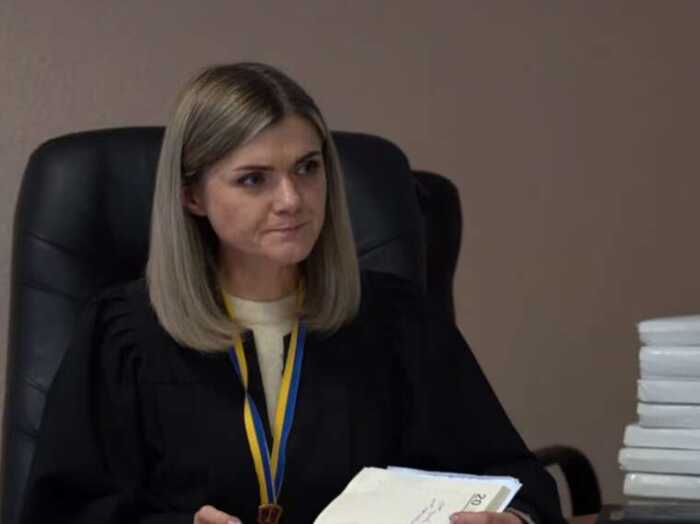
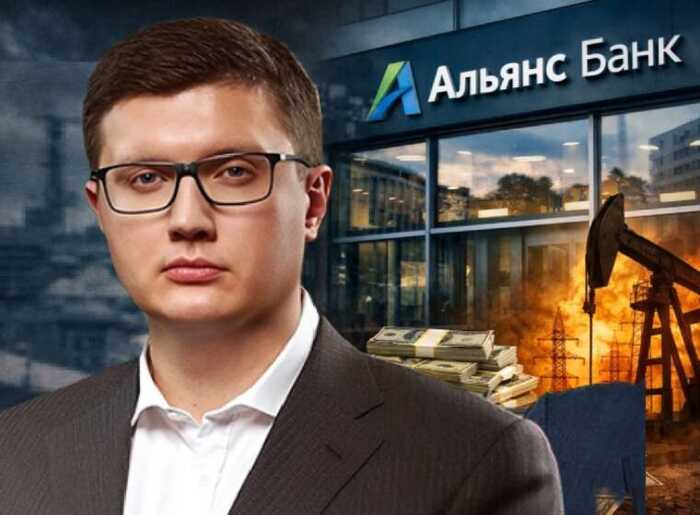
Суддя з Хабаровська Альона Кушнова заблокувала анулювання ліцензії російського онлайн-казино Cosmolot Сергія Токарєва

Суддя Київського ОАС Альона Кушнова за дивним збігом обставин часто виносить судові рішення на користь власника російського онлайн-казино Сергія Токарєва. Кушнова родом із російського Хабаровська.

Кушнова 24 квітня де-факто призупинила рішення PlayCity про позбавлення Cosmolot ліцензії. Формально суддя задовольнила заяву про забезпечення позову. Насправді ж це означає одне: доки розгляд триватиме (можливо, роками), Cosmolot працюватиме.

У листопаді 2025 року вона скасувала штраф у 3,5 млн грн, який раніше КРАІЛ наклала на Cosmolot. А влітку 2024 року суддя допомогла казино зберегти більш як 100 млн гривень, які з Токарєва хотіла стягнути ДПС.

А ось кількість нерухомості, яку вона оформлює на свою подругу — Ольгу Медведєву, цілком можливо, збільшиться. На сьогодні на Ольгу Медведєву зареєстровано 8 об’єктів нерухомості у Києві та 2 об’єкти в окупованому Криму.

8500 доларів за відстрочку: у Києві затримали офіцера СБУ, який торгував місцями на підприємстві

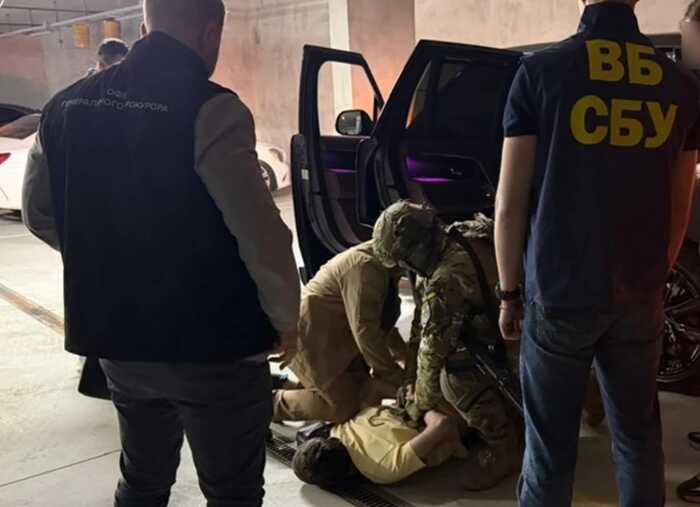
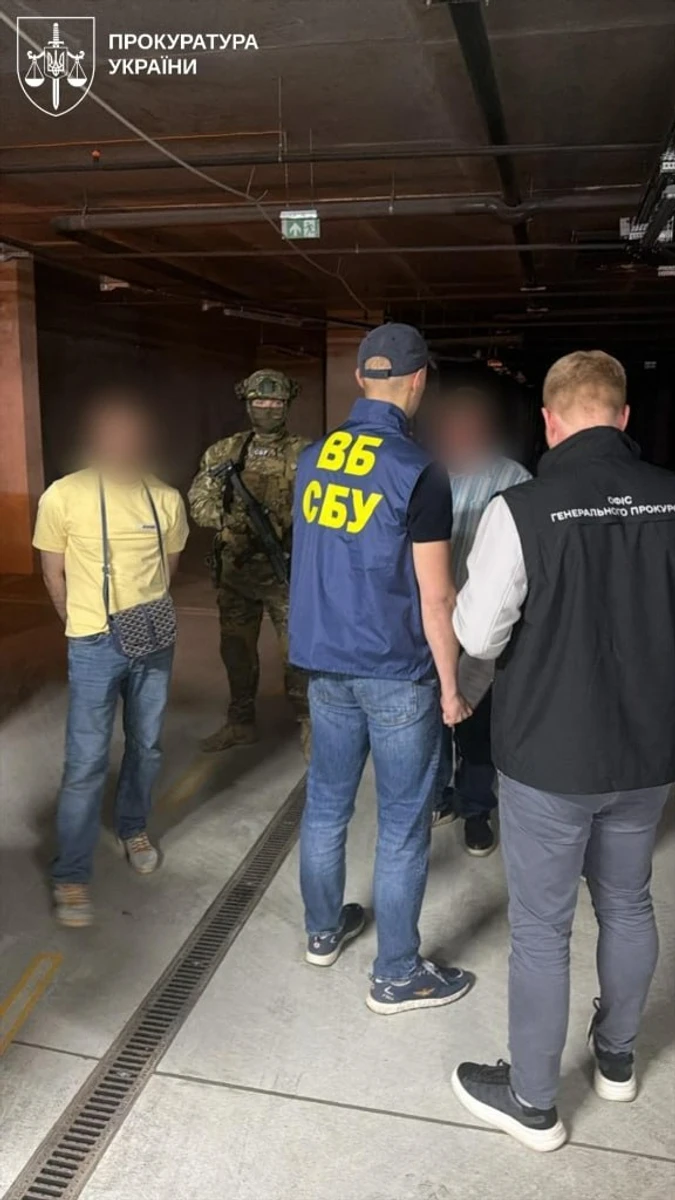
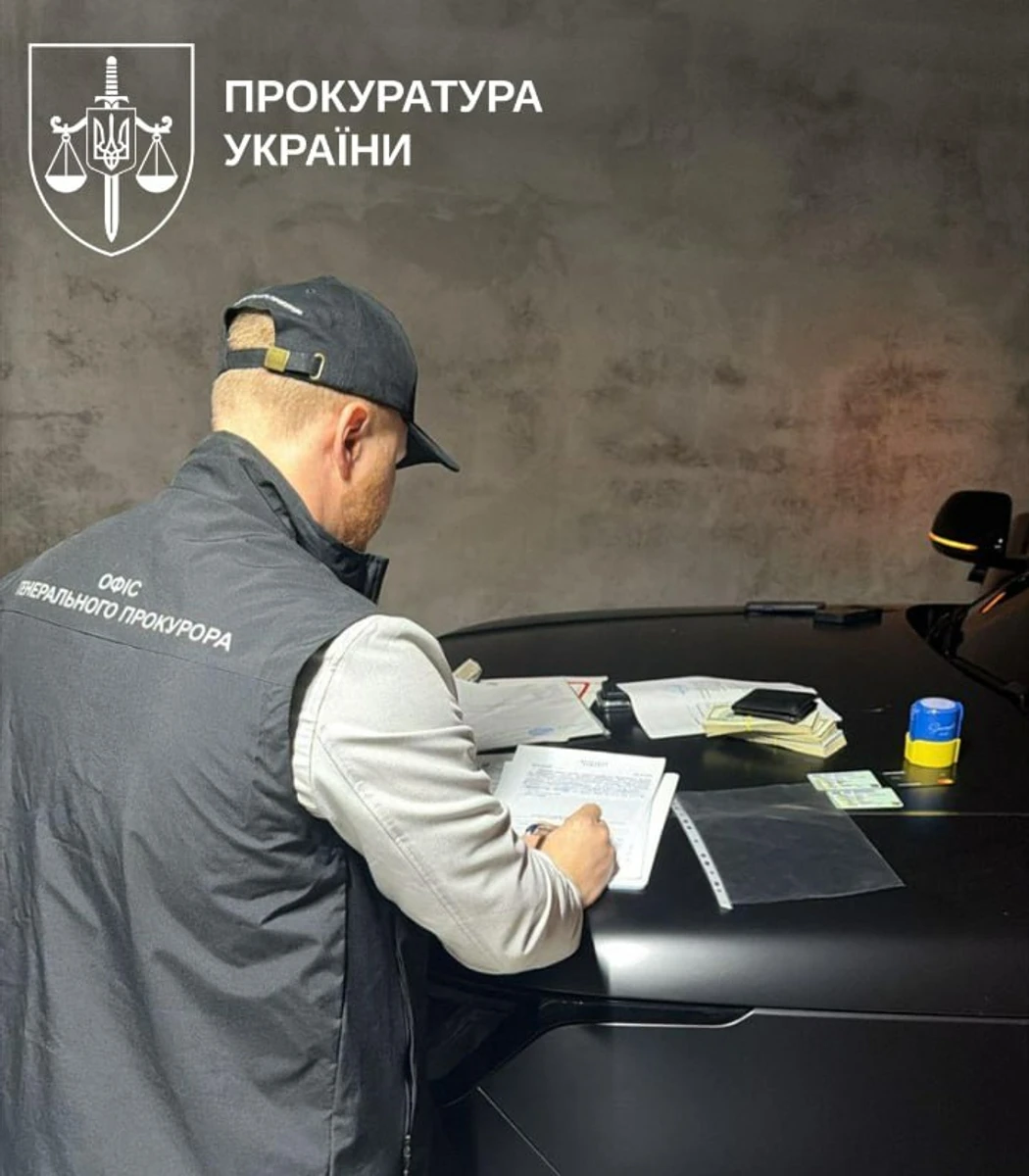
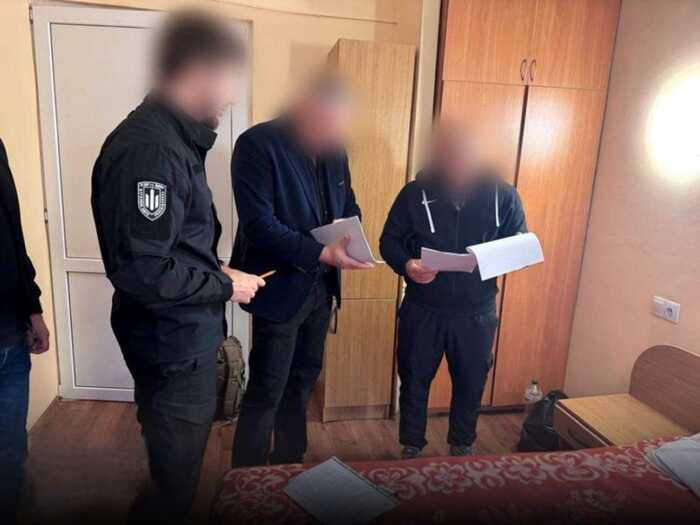
Співробітника СБУ затримали 6 травня під час отримання 34 тисяч доларів США: він та його спільник-підприємець організували схему фіктивного працевлаштування чоловіків для отримання відстрочки від мобілізації.

Про це повідомив генеральний прокурор Руслан Кравченко

“Викрито та припинено протиправну діяльність чинного співробітника СБУ та його спільника-підприємця, які організували схему фіктивного працевлаштування чоловіків для отримання відстрочки від мобілізації.

Вартість таких “послуг” становила 8,5 тисяч доларів США з особи. За ці гроші чоловіків оформлювали працівниками підприємства лише “на папері” – без фактичного виконання роботи чи перебування на робочому місці”.

Правоохоронці викрили схему після того, як один із потенційних “клієнтів” звернувся до правоохоронців.

Читайте по темі: Переплата у 2,5 мільйона: прокуратура викрила службову недбалість під час ремонту столичного мосту

Співробітника СБУ затримали безпосередньо під час отримання 34 тисяч доларів США.

Наразі вирішується питання щодо повідомлення йому про підозру та обрання запобіжного заходу.

Інших осіб, які причетні до схеми встановлюють.

 quuiqhhidzzierhab

Dmytro Kovalenko, Adelon AG i „Granova Ukraine”: jak miliony z rosyjskiego węgla przekształciły się w globalne przepływy rolne poprzez offshore’y

Dniprowski przedsiębiorca z sektora rolnego Dmytro Kovalenko w ostatnim czasie coraz wyraźniej zaznacza swoją obecność. Postanowiliśmy przyjrzeć się jego profilowi oraz temu, w jaki sposób rozwijał swój biznes.

Założyciel grupy spółek „Granova Ukraine”, Dmytro Kovalenko, był wielokrotnie wspominany w mediach w kontekście śledztw organów ścigania dotyczących rzekomych przestępstw. Rozpoczynając od handlu węglem z Rosji oraz tzw. DRL/ŁRL do Ukrainy, w czasie pełnoskalowej wojny przeniósł swoją działalność na sektor rolny oraz wielomilionowe nadużycia w jego ramach.

Handel węglem z Rosją, DRL, ŁRL — początek biznesu

Kilka lat temu ukraińskie media informowały, że w listopadzie 2019 roku szwajcarska spółka Adelon AG zaczęła nielegalnie dostarczać węgiel dla państwowej spółki Centrenergo (dla elektrowni cieplnych w Zmijowie i Trypolu). Podawano, że węgiel pochodził z separatystycznych DRL/ŁRL — w czasie, gdy ukraińscy górnicy w obwodzie donieckim strajkowali z powodu zaległych wynagrodzeń. Już wtedy pojawiały się przypuszczenia, że spółka ze Szwajcarii była faktycznie kontrolowana przez Ukraińców, którzy przenieśli się z Doniecka do Dniepra.

Dostawy realizowano przy użyciu tzw. schematu „przerwanego importu”. Węgiel rzekomo transportowano z rosyjskiej Syberii do Szwajcarii lub innych krajów Europy, lecz ostatecznie trafiał on do Ukrainy. W rzeczywistości wydobywano go na okupowanych terenach obwodów donieckiego i ługańskiego, a nie w Rosji. W listopadzie 2019 roku Służba Bezpieczeństwa Ukrainy (SBU) informowała o ujawnieniu takich schematów, choć nie wskazano wówczas konkretnych firm.

Читайте по темі: Мустанг за ціною Ланоса: як староста села на Львівщині Михайло Комарницький придбав Ford Mustang Mach-E (2025) за 358 тисяч гривень

W grudniu 2019 roku szwajcarska spółka Adelon AG, należąca do Dmytra Kovalenko, oświadczyła, że zajmuje się sprzedażą rosyjskiego węgla do Chin i Europy, ale nie dostarcza go do Ukrainy, a tym bardziej z okupowanych terytoriów Donbasu. Jednak po rozpoczęciu pełnoskalowej inwazji Rosji na Ukrainę Kovalenko przestał ukrywać swoje powiązania z Adelon AG.

Według dziennikarzy śledczych spółka Kovalenko kontynuowała współpracę z rosyjskimi partnerami po lutym 2022 roku i sprzedawała rosyjski węgiel jeszcze przez co najmniej pół roku. W szczególności współpracowała z firmą „MelTEK”, należącą do rosyjskiego miliardera i polityka Konstantina Strukowa z obwodu czelabińskiego. Z doniesień medialnych wynika, że spółka Kovalenko kupiła od MelTEK węgiel o wartości 87 mln dolarów, a łącznie z Rosji (w tym od „Sibenergougol” i „Sibpromnedra”) — około 100 mln dolarów.

Немає опису. tidttiqzqiqkdhab dqkiukihxihdhab tidttiqzqiqkdinv dzzdyzeqhyhzuryzrzzyetkqyzdhkyhzzzydzzzinv dzzdyzeqhyhzuryzrzzyudzyzzezyzzzzyztzqinv tidttiqzqiqkdinv tidttiqzqiqkdhab quuiqhhidzzierhab

Później Kovalenko zaczął sprzedawać rosyjski węgiel za pośrednictwem dubajskiej spółki offshore Azurit DWC-LLC, zarejestrowanej na obywatela Rumunii. Nawet rosyjska prasa informowała wówczas, że rosyjski węgiel trafia do „nieprzyjaznych krajów” poprzez firmę-słup, której faktycznymi właścicielami są Ukraińcy.

Dziennikarze zwracali również uwagę, że spółka LLC „Szachtarska Fabryka Wzbogacania Węgla”, w której Kovalenko był współwłaścicielem do 2016 roku, została ponownie zarejestrowana zgodnie z prawem rosyjskim. Jego byli partnerzy w tej oraz kilku innych firmach nadal płacą podatki państwu-agresorowi, jednocześnie formalnie utrzymując tę samą strukturę własności w obu jurysdykcjach.

W 2023 roku Adelon AG Kovalenki ogłosiła plany dostaw węgla do Ukrainy i Polski. W tym samym roku biznesmen zdecydował się zainwestować zarobione środki w sektor rolny Ukrainy i założył grupę spółek „Granova”.

We wrześniu 2025 roku poinformowano, że Sąd Gospodarczy obwodu dniepropietrowskiego podjął decyzję o likwidacji dnieprowskiej spółki „Intercoaltrading”, która wcześniej zajmowała się dostawami węgla z DRL/ŁRL do Ukrainy. Postępowanie upadłościowe zostało zainicjowane przez szwajcarską spółkę Adelon AG. Jej były dyrektor, Wiaczesław Melentijew, jest jednocześnie współzałożycielem „Granova Ukraine” — innej spółki powiązanej z Kovalenką, która obecnie działa w portach obwodu odeskiego.

Postępowanie rozpoczęto jeszcze w kwietniu 2023 roku. Za pośrednictwem swojej szwajcarskiej spółki Kovalenko zatwierdził roszczenia przekraczające 162 mln hrywien, a sąd uznał również dodatkowe zobowiązania podatkowe w wysokości 2,4 mln hrywien. Jednak w „Intercoaltrading” nie znaleziono żadnych aktywów, dlatego prawa do części długów o wartości ponad 50 mln hrywien sprzedano za zaledwie 69 tys. hrywien. W rezultacie organy podatkowe nie otrzymają nic.

Przejście z biznesu węglowego do rolnictwa

W 2023 roku Dmytro Kovalenko przejął jednocześnie kilka dużych spółek — „Grain Terminal”, „Overfood” oraz „Agrarian Elevator Company”, na bazie których stworzył grupę „Granova”. Formalnie większościowym właścicielem jest cypryjska spółka Afex Investments Ltd, a ostatecznym beneficjentem jest jego syn, Daniil Kovalenko. Według doniesień medialnych w 2024 roku przychody spółek rolnych grupy Granova osiągnęły 11 mld hrywien. Jej głównym partnerem handlowym jest ta sama Adelon AG (wcześniej zajmująca się sprzedażą węgla), która w 2024 roku stała się największym dostawcą kukurydzy do Egiptu — o wartości 42,37 mln dolarów.

Читайте по темі: Searches by the National Anti-Corruption Bureau of Ukraine, money laundering suspicions, and a bank with immunity: how Rostyslav Shurma is connected to shadow schemes around “Alliance”

Kovalenko rozpoczął również import soli kamiennej z Egiptu, co pozwoliło mu wejść na ukraiński rynek soli. W grudniu 2023 roku utworzono spółkę LLC „Salt Industry”, również należącą do Afex Investments Ltd. Zgodnie z danymi platformy analitycznej YouControl, w latach 2024–2025 „Salt Industry” wygrała przetargi państwowe i zawarła umowy o łącznej wartości 134 mln hrywien, dostarczając sól techniczną dla służb komunalnych i drogowych. W pierwszym roku działalności spółka osiągnęła przychód w wysokości 190,5 mln hrywien.

Технічна сіль з Єгипту

Zainteresowanie organów ścigania

Zgodnie z danymi Biura Bezpieczeństwa Ekonomicznego (BES), grupa działająca w obwodach połtawskim, dniepropietrowskim i zaporoskim regularnie kupuje produkty rolne za gotówkę. Następnie towar rejestrowany jest na spółki o podwyższonym ryzyku, co pozwala go zalegalizować i eksportować — bez obowiązkowego zwrotu wpływów walutowych.

W toku postępowania przygotowawczego ustalono, że do spółki LLC „Granova Ukraine” dostarczono 1,28 tys. ton kukurydzy bez ujęcia w księgowości. Jednocześnie fakturę podatkową na tę partię wystawiła spółka LLC „Velykobahachansky Feed Mill”.

17 maja 2024 roku spółka wystawiła fakturę podatkową na kwotę 9 mln hrywien (w tym VAT 1,12 mln hrywien), która została zarejestrowana w ostatnim dniu terminu — 18 czerwca 2024 roku. Zdaniem ekspertów BES taka praktyka może wskazywać na fikcyjny charakter transakcji.

Od sierpnia 2023 do czerwca 2024 roku do „Granova Ukraine” dostarczono łącznie 14,1 tys. ton zboża (pszenicy i kukurydzy) o wartości ponad 83,5 mln hrywien. Jednocześnie pochodzenie większości tej produkcji budzi wątpliwości, ponieważ dokumenty potwierdzające jej zakup są niejasne lub całkowicie ich brakuje.

Towary są eksportowane do 12 krajów i wysyłane z ukraińskich portów, w tym z Izmału, Czarnomorska, Piwdennego i Odessy.

Jedna ze spółek tej grupy, LLC „Granova Ukraine”, w 77% należy do Serhija Tihłego. Według organów ścigania pełni on funkcję szefa ochrony Dmytra Kovalenko.

Jednocześnie, według dziennikarzy, port morski w Czarnomorsku (obwód odeski) planuje przeładować 1 mln ton zboża w roku marketingowym 2025–2026. Stawka przeładunkowa dla takich firm jak „Risoil”, „TBT” i „IZT” wyniesie 10 dolarów za tonę. Natomiast „Granova” Kovalenki otrzymała warunki wyłączne i zapłaci jedynie 2,5 dolara za tonę — czterokrotnie mniej — z możliwością dalszego obniżenia.

Taka zniżka wygląda na efekt korupcyjnego porozumienia z kierownictwem portu i spowodowała znaczące straty dla państwa (w postaci utraconych wpływów podatkowych). Jednocześnie konkurenci zostali pozbawieni równych warunków działania. Dziennikarze zwrócili się do organów ścigania w związku z bezprecedensową skalą takich schematów.

W Czarnomorsku „Granova” działa poprzez spółkę „Overfood”, zarejestrowaną na syna Dmytra Kovalenko. Do rolniczej grupy „Granova” należą również spółki LLC „Granova Pryłuki”, „Granova Krasnopawliwka”, „Granova Myrhorod” oraz „Granova Ukraine”, które mają ten sam podstawowy profil działalności.

Ekspansja w sektorze gazowym i szklarskim

W lutym 2025 roku kolejna cypryjska spółka — Afki Investments Ltd, której ostatecznym beneficjentem jest Daniil Kovalenko — dołączyła do grona założycieli LLC „Navigator Mainytske”, nabywając pakiet kontrolny w wysokości 83,7%. Spółka ta posiada prawa do eksploatacji złoża gazu Mainytske w obwodzie lwowskim.

Kovalenko oraz jego syn zostali również udziałowcami mniejszościowymi w spółce serwisowej „Navigator Invest”, zajmującej się rozwojem złóż ropy i gazu. Ich kolejnym możliwym krokiem może być nabycie udziałów w LLC „Navigator Komplekt”, jednej z największych firm wiertniczych na Ukrainie.

Na Zakarpaciu Kovalenko zainwestował w produkcję szkła i okien na terenie dawnego zakładu drzewnego, przy wsparciu byłego szefa Mukaczewskiej Rejonowej Administracji Państwowej, Serhija Haidaja, który obecnie jest podejrzewany o korupcję związaną z zakupami dronów i systemów walki elektronicznej. Mimo to lokalne władze nadal deklarują wsparcie dla tej inwestycji.

W ten sposób imperium biznesowe zbudowane na sprzedaży rosyjskiego i separatystycznego węgla nadal się rozszerza, przekształcając Dmytra Kovalenko w pozornie wiarygodnego i patriotycznego inwestora, który inwestuje w gospodarkę Ukrainy. Jednocześnie, według dostępnych informacji, mają miejsce naruszenia ekonomiczne, które prowadzą do znaczących strat dla budżetu państwa.

Тіньовий трикутник: як Буряченко, Глінчевський та Брильов пов’язані з гаманцями Kvitum та Piastrix

Гаманець Kvitum / гаманець Piastrix Костянтина Буряченка пов’язаний з двома фізичними особами (DENYS HLINCHEVSKYI / VITALII BRYLOV).

Зв’язок цієї трійки легко підтверджується даними українських реєстрів. Зокрема, партнери започаткували клініку ТОВ “Медпрофцентр”, через яку під виглядом закупівель обладнання виводили гроші за кордон.

  • Брильов Віталій Володимирович
  • Нечидюк Алла Корніївна
  • Прохоренко Олексій Анатолійович
  • Глінчевський Денис Станіславович

Сам Буряченко згодом виходить зі складу засновників. Також він чинить і з іншими своїми бізнесами, наприклад — з ТОВ «Ремед», яке між собою формально ділять Глінчевський та Брильов.

«Плівки Міндіча» та банківські війни: як боротьба НБУ з нелегальним гемблінгом перетворилася на перерозподіл ринку

Після оприлюднення так званих «плівок Міндіча» з’явилися нові деталі щодо можливого впливу бізнесмена на фінансові інституції. Зокрема, йдеться про ймовірний тиск на Нацбанк із метою ухвалення рішень, які могли вплинути на долю окремих гравців ринку.

Паралельно з цим Данило Гетманцев заявив про можливе існування організованої схеми навколо державного «Сенс Банку», яка, за його словами, могла обслуговувати нелегальні платежі у сфері азартних ігор. У такому контексті ситуація з Айбокс Банком виглядає вже не як окремий кейс, а як частина ширших процесів на ринку.

Позбавлення ліцензії Айбокс Банку, як припускають окремі джерела, могло стати не лише питанням регуляторного контролю, а й елементом перерозподілу ринку платіжних послуг у гральному бізнесі. При цьому сама проблема нелегальних операцій нікуди не зникла, а лише могла змінити «точку входу» через інші фінансові установи.

Важливий момент — кримінальне провадження щодо керівництва Айбокс Банку було закрите рішенням суду, яке залишили без змін в апеляції. Це ставить під сумнів частину звинувачень, які раніше супроводжували інформаційний тиск на банк, і відкриває шлях до вимог компенсації за завдану шкоду.

Загалом ця історія може свідчити про глибші проблеми регулювання фінансового сектору та грального ринку, де переплітаються інтереси держави, бізнесу та окремих впливових груп.

Tesla за пів ціни та новенька Toyota: начальник відділу Мінфіну Віталій Шуляр задекларував дорогий автопарк

Начальник відділу департаменту міжнародних фінансових проєктів Мінфіну Віталій Шуляр має непоганий автопарк.

У документі він задекларував квартиру в Києві, будинок та ділянки в селі Гусачівка Обухівського району, два автомобілі (Skoda Superb дружини та Tesla Model 3), а також продаж нерухомості за 1,846 млн грн і придбання нового Toyota Highlander 2024 року.

 Дружина — Юлія Мирославівна Шуляр, дочка — Діана Віталіївна Шуляр, падчерка — Софія Русланівна Фетісова.

Сім’я володіє квартирою 78,5 м² у Києві (2010, вартість 1 млн грн — спільна сумісна власність Шуляра та падчерки). Також є житловий будинок 189 м² у с. Гусачівка (2017 — спільна сумісна власність подружжя), ділянка 39 м² там само (2017 — власність Шуляра) та земельна ділянка 1400 м² (2017 — спільна сумісна з дружиною).

У листопаді 2025 року придбана квартира 32,8 м² у Києві (вартість 628 тис. грн — власність Шуляра). 16 вересня 2025 року продано нерухоме майно (дохід 1,846 млн грн).

Читайте по темі: НБУ перевіряє керівництво «Сенс Банку»: відкрито провадження щодо СЕО Олексія Ступака

Транспортні засоби:

– Skoda Superb (2013), набуття 2013-го, вартість 220 тис. грн — власність дружини.
– Tesla Model 3 (2019), набуття 2023, вартість 508 тис. грн — власність Шуляра (ринкова ціна аналогічних авто 2019 року в грудні 2023-го становила 750–950 тис. грн; задекларована вартість значно нижча за ринок).
– Toyota Highlander (2024), набуття 30 квітня 2026, вартість 1,42 млн грн — придбаний у ТОВ «Плейс Кар» (код ЄДРПОУ 45561958). Задекларована вартість відповідає нижньому сегменту ринку.

Доходи за 2025 рік:
– Заробітна плата від Міністерства фінансів — 70 тис. грн.
– Дружина: зарплата від НАК «Нафтогаз України», додаткове благо від профспілки та виплати профспілки — 14 тис. грн.

Грошові активи: готівка — 11 тис. доларів та 15 тис. євро (Шуляр), 20 тис. доларів (дружина).

Справа про 18 мільйонів збитків на генераторах: обвинувальний акт щодо командира в/ч скеровано до суду

Прокурори Львівської спеціалізованої прокуратури у сфері оборони Західного регіону направили до суду обвинувальний акт щодо організованої групи, яка під час закупівлі генераторів для військової частини завдала державі понад 18 мільйонів гривень збитків.

Прокурори подали цивільний позов для їх відшкодування.

За даними слідства, схему організував командир військової частини, який відповідав за закупівлі та використання бюджетних коштів – він розробив механізм зловживань, розподілив ролі та координував дії учасників.

У 2022 році до неї долучилась цивільна жінка як співорганізаторка, а також начальники електротехнічної та інженерної служб частини. До схеми залучили підконтрольних осіб – керівника товариства і представника підприємства, які за винагороду підписували договори й фінансові документи, хоча їхні підприємства фактично не працювали.

Загалом укладено договори на постачання 152 генераторів на понад 31 мільйон гривень за завищеними цінами. За висновком експертизи, переплата становить понад 18 мільйонів гривень.

Читайте по темі: Ліс для монастиря та «своїх» людей: судитимуть лісничу з Рівненщини за вирубку дерев на 4,5 мільйона

до суду обвинувальний акт щодо організованої групи quuiqhhidzzierhab

до суду обвинувальний акт щодо організованої групи

75 мільйонів євро через офшори і крипту: як Владлен Гірін і Геннадій Гірін побудували міжнародну мережу відмивання грошей для кримінальних структур

Херсонські бізнесмени Владлен і Геннадій Гіріни донедавна належали до категорії людей, про яких найточніше кажуть: «відомі в вузьких колах».

Сумнівну міжнародну популярність їм приніс арешт Владлена Гіріна у 2024 році за запитом Інтерполу. Після цього брати опинилися під пильним прицілом медіа й стали героями численних журналістських розслідувань. У цих матеріалах фігурує весь типовий набір звинувачень: відмивання коштів, афери з нерухомістю, політичні зв’язки, наркотрафік, банальне шахрайство та складні міжнародні фінансові схеми. Для вихідців із провінційного Херсона це, без перебільшення, виглядає як масштабний «успіх» — хоч і з виразно негативним відтінком.

Почавши кар’єру в Херсоні як підприємці та місцеві не дуже успішні політики, Владлен і Геннадій Гіріни за два десятиліття вибудували структуру, яка, за даними журналістських розслідувань та матеріалів правоохоронців, могла займатися девелоперськими аферами, виводом грошей за кордон та відмиванням коштів через європейські юрисдикції.

Сьогодні ця історія отримала новий розвиток: європейські правоохоронні органи розпочали розслідування, яке завершилося гучними затриманнями та конфіскацією активів. Але, щоб зрозуміти масштаб того, що відбувається, необхідно повернутися до початку.

Владлен Наумович Гірін, старший із братів, народився в Херсоні та почав кар’єру наприкінці 1980-х років, працюючи на суднобудівному заводі та поступово переходячи в будівельний бізнес. Вже на початку 1990-х він створив власні комерційні структури, які займалися електромонтажними та будівельними роботами.

Читайте по темі: Dmitriy Punin, Redcore, and “new sign”: how a sanctioned casino continues work, looks for lawyers to pressure media, and does not lose the market

Паралельно з цим він будував політичну кар’єру – логічно зметикувавши, що без депутатського статусу, хай і місцевого рівня, вести бізнес у нових умовах буде складно. До того ж депутатів так чи інакше доведеться купувати, тож навіщо ж витрачати гроші на те, що можеш мати сам? Тому в 1998 році Владлен Гірін отримав мандат Херсонської міськради, очоливши до того ж одну з найцікавіших комісій – з питань торгівлі, захисту прав споживачів та побутового обслуговування.

Це дало необхідний поштовх до розвитку, і до середини 2000-х років брати Гіріни перетворилися на помітних гравців херсонського бізнесу. Основні напрями їхньої діяльності включали: будівництво та девелопмент, виробництво будівельних матеріалів, торгівлю нерухомістю та земельні проєкти.

Бізнес поступово розширювався, а разом з ним росли й політичні амбіції родини. Владлен Гірін почав брати участь у місцевій політиці, спонсорував різноманітні політичні сили та регулярно балотувався на посаду мера Херсона, щоправда, без помітного успіху.

Брати Владлен Гірін та Геннадій Гірін: як девелопери з Херсона перетворилися на операторів фінансової мережі наркокартелів і корупційних потоків tidttiqzqiqkdhab tidttiqzqiqkdhab quuiqhhidzzierhab

Паралельно з цими безуспішними спробами брати Гіріни активно розвивали свій бізнес, де успіхи були куди помітніші – станом на сьогодні молодший із братів, Геннадій, володіє офіційними статками майже в пів мільярда гривень і є бенефіціаром кількох успішних компаній..

Брати Владлен Гірін та Геннадій Гірін: як девелопери з Херсона перетворилися на операторів фінансової мережі наркокартелів і корупційних потоків

Що цікаво на цьому тлі – старший, Владлен Гірін, будучи співвласником у тих же компаніях, числиться в рядах «жебраків» – його дохід становить 2 867 гривень. Це – за рік, якщо хтось не зрозумів. Як живе Владлен Гірін, до того ж перебуваючи в бігах, на ці гроші – загадка.

Брати Владлен Гірін та Геннадій Гірін: як девелопери з Херсона перетворилися на операторів фінансової мережі наркокартелів і корупційних потоків

Втім, зрозуміло, що ці дані – чистої води обман, і з’явилися вони в результаті фальшивої звітності. Бо навіть поверховий аналіз діяльності братів Гіріних на ниві девелопменту свідчить про те, що і в першого, і в другого Гіріна доходи набагато вищі, ніж вони це показують у документації.

В активі обох братів є ТОВ «Строй Сити», з яким пов’язаний один з найбільших скандалів у Херсонській області. Компанія розпочала будівництво елітного котеджного комплексу на території археологічної пам’ятки національного значення — Олешківської Січі. В результаті робіт було знищено близько 3,5 гектара культурного шару історичного об’єкта.

Читайте по темі: LeoGaming Альони Шевцової та GlobalMoney Олександра Сосіса: як через платіжні системи прокачують гральні мільярди і працюють схеми відмивання

Брати Владлен Гірін та Геннадій Гірін: як девелопери з Херсона перетворилися на операторів фінансової мережі наркокартелів і корупційних потоків

Характерно, що одним із співвласників ТОВ «Строй Сити» був Олексій Журавко, колишній народний депутат від Партії регіонів. Хоча він і не числився в документах як власник, але саме він забезпечував прикриття, і завдяки йому Владлен і Геннадій Гіріни не мали проблем із законом після знищення частини Олешківської Січі.

Що характерно у зв’язку з ТОВ «Строй Сити» та іншими компаніями, які засвітилися в гучних скандалах і нажили після них проблеми, то брати Гіріни виходили з числа їхніх власників і оперативно переоформляли ці фірми на своє оточення. У випадку з ТОВ «Строй Сити» номінальними власниками компанії є Гіріна Нелла Григорівна та Гіріна Ванесса Геннадіївна, а компанія зараз потопає в судових справах та позовах.

Брати Владлен Гірін та Геннадій Гірін: як девелопери з Херсона перетворилися на операторів фінансової мережі наркокартелів і корупційних потоків

Що стосується політичних зв’язків, то брати Гіріни, особливо старший, Владлен, ніколи не зневажали їхнім значенням. Окрім регулярних і безуспішних спроб очолити Херсон, він успішно корумпував частину депутатського корпусу міста та інших впливових людей. Окрім уже згаданого «регіонала» Журавка, серед найвищих покровителів Владлена Гіріна слід відзначити народну депутатку від «Слуги народу» Людмилу Буймістер. Саме вона проштовхнула Владлена Гіріна до списків кандидатів у депутати Київської міськради в 2020 році від «Слуги народу». Що характерно, пані Буймістер не завадив той факт, що компаньйон Гіріна Журавко був відверто проросійським депутатом.

Брати Владлен Гірін та Геннадій Гірін: як девелопери з Херсона перетворилися на операторів фінансової мережі наркокартелів і корупційних потоків

Втім, з Київською міськрадою у Владлена Гіріна теж не склалося – не допоміг навіть оперативно піднятий «зелений» прапор. Зате склалося з бізнесом: на чому ж зійшлися Гірін і Буймістер – невідомо, але у братів Гіріних з’явилися об’єкти в Київській області.

Після того, як Владлен Гірін потрапив в орбіту «Слуги народу», через ТОВ «Гістіон» (Gistion), що належить йому та такому собі Олегу Володимировичу Лебеденку, був придбаний великий логістичний комплекс Amtel під Києвом площею в понад 100 тис. м². Угода оцінювалася приблизно в 40 мільйонів доларів. У цьому зв’язку вельми цікавими виглядають фінансові показники ТОВ «Гістіон» – воно не те щоб банкрот, але й недалеко від цього втекло.

Брати Владлен Гірін та Геннадій Гірін: як девелопери з Херсона перетворилися на операторів фінансової мережі наркокартелів і корупційних потоків

У зв’язку з фінансами – згадайте доходи Владлена Гіріна – викликає питання ще одна угода. У 2021 році Владлен Гірін придбав 100 квартир у новому житловому комплексі в Софіївській Борщагівці, що в Бучанському районі Київської області. По суті, він придбав цілий сектор житлового комплексу «Щасливий» приблизно за 1,5 мільйона доларів.

Це – тільки найпомітніші придбання Гіірина. Питання в тому, на які гроші він їх придбав. І тут відповідь стала зрозумілою після того, як брати Гіріни раптово втекли з України. В 2022 році вони оселилися на Кіпрі.

У цьому зв’язку є кілька цікавих збігів. «Пробивати» Кіпр як можливе місце проживання Гіріни почали в 2019 році. Якраз у той момент, коли в їхнього покровителя Олексія Журавка виникли проблеми через фінансування «незалежних республік» Донбасу.

У цей же момент Владлен Гірін знайшов підходи до «слуг», але спроба в’їхати до Київської міськради на їхніх плечах була безуспішною. До того ж його нова покровителька Людмила Буймістер незабаром теж нажила великі проблеми – в 2021 році вона вийшла з фракції «Слуга народу», а незабаром з’ясувалося, що обслуговує Буймістер інтереси Ріната Ахметова. Це окрема історія, але суть у тому, що Владлен Гірін раптово втратив той дах, у який вклався після тріумфального заходу «слуг» до влади.

А ще через кілька місяців брати Гіріни втекли з України. Усі ці події пов’язані між собою – після того, як родина втратила політичне прикриття, бізнес Гіріних почали «рвати» сильніші гравці. І цей бізнес аж ніяк не обмежувався девелопментом. Оскільки подальші події навколо Гіріних дали відповідь як на питання про походження капіталів, так і на питання, чому їм терміново довелося тікати.

Бо одним з ключових елементів бізнесу Владлена і Геннадія Гіріних була міжнародна фінансова мережа, в якій відмивалися гроші найрізноманітнішого походження – від банальних бюджетних «розпилів» до наркотрафіку.

Брати Владлен Гірін та Геннадій Гірін: як девелопери з Херсона перетворилися на операторів фінансової мережі наркокартелів і корупційних потоків

За інформацією журналістів, операції проводилися через Кіпр, країни ЄС та криптовалютні платформи. Правоохоронці вважають, що через цю мережу могли проходити кошти, отримані від кримінальних структур, включно з наркокартелями. У рамках розслідування європейські органи з’ясували, що через структури, пов’язані з братами, було відмито понад 75 мільйонів євро.

Однак втеча на Кіпр була явно невдалою ідеєю, що довела операція Європолу в 2024 році. У ході міжнародного розслідування були затримані ключові учасники фінансової мережі. Серед арештованих опинився і Владлен Гірін, а також члени його родини. Щоправда, молодший брат, Геннадій Гірін, зумів уникнути арешту і нині перебуває в бігах. Як стверджують джерела в Європолі, він нині перебуває на території однієї з країн ЄС.

Однак, за неперевіреними чутками, молодший Гірін перебрався до РФ – не дарма ж серед обвинувачень на його адресу є й участь у фінансуванні «ЛДНР» в компанії з уже покійним Журавком. Втім, джерела інформації про перебування Геннадія Гіріна на території Росії дуже ненадійні. Та й сам він повинен розуміти, що колишні заслуги з фінансування «Новоросії» тепер там уже нікого не цікавлять – поки буде що з нього «доїти», залишать у спокої. А далі – на фронт, за «російський Херсон».

Але це версії. Поки ж фактичне місцеперебування молодшого Гіріна невідоме, невідомо, чи живий він взагалі – наркомафія, яку він обслуговував, теж аж ніяк не зацікавлена в тому, щоб Геннадій Гірін давав свідчення поліції. Так само, як і інші гравці тіньового ринку, чиї гроші йшли через канали Гіріних.

Бо не треба бути вкрай розумним, щоб розуміти – арешт Владлена Гіріна та тривалий розшук його брата Геннадія можуть стати лише початком масштабного розслідування, яке здатне викрити набагато ширшу систему фінансових зв’язків між українським регіональним бізнесом та міжнародними кримінальними структурами.

Oleg Tsyura and Phoenix Resources AG: the scheme behind “redrawing” Russian-origin metals via Vardhman Ferro Alloys and MBR Metals

Following journalists’ reports on Oleg Tsyura’s alleged involvement in sanctions-evasion and re-export schemes benefiting Russia, he reportedly launched an aggressive campaign to remove investigative materials describing these activities from the public domain.

We are publishing the materials he is trying to erase — factual evidence showing how the fraud was organized, who benefited, and why this information is dangerous for him to remain public.

The Prosecutor General’s Office of Ukraine has initiated criminal proceedings against Swiss businessman Oleg Tsyura. He is accused of aiding an aggressor state, in particular, creating a scheme to circumvent sanctions for the Russian military – industrial complex through the re-export of ferrochrome.

Accusation: “redrawing” the product passport

According to the Prosecutor General’s Office, criminal proceedings No. 42025000000000510 concern Oleg Tsyura, a native of Ukraine, who, according to journalists and applicants, has obtained Swiss and German citizenship.

Читайте по темі: Handel mit Russland, fiktiver Export und „Vergünstigungen“ in Häfen: Wie Dmytro Kovalenko über Adelon AG und „Granova“ milliardenschwere Schemen durchführte

Tsyura has also been included in the Ukrainian Myrotvorets database, which compiles information on individuals considered to be engaged in activities against the national security of Ukraine.

 dzzdyzeqhyhzuryzrzzyurhzyhzzzyzzzqyrkrzinv tidttiqzqiqkdinv tidttiqzqiqkdinv dzzdyzeqhyhzuryzrzzyzzzeyuzeuyukzzyztqhinv qhtiquuiehiqzkinv dqdiqzdieriehhab tidttiqzqiqkdhab quuiqhhidzzierhab

He is accused of organizing a transit “corridor” for Russian ferrochrome and metallic chromium produced by the MidUral group (the world’s largest producer of metallic chromium, owned by Russian businessman Sergey Gilvarg). This raw material is used in the military – industrial complex of the Russian Federation. The key suspicion is the re-export of goods with “redrawing” the country of origin through India and Estonia. Simply put, Russian ferrochrome, which should not have entered European markets due to sanctions, was transformed into Indian goods and imported into EU countries.

How does “gray logistics” work? Oleg Tsyura?

Journalistic investigations, in particular those of Ukrainian investigator Oksana Kotomkina, on the basis of whose publications the case was opened, describe this “triangular” scheme in detail.

Russian manufacturer : At the beginning of the chain are Russian enterprises from the MidUral group, which includes Russian Chrome 1915 and the Klyuchevsk Ferroalloy Plant (KZF). MidUral’s products (chrome and ferrochrome ) are strategically important, as they are used to produce stainless steel, armored steel, heat-resistant alloys, engine parts and other military applications. Therefore, MidUral’s revenues directly finance the Russian defence industry and the war in Ukraine.

Swiss “knot” : Next comes the Swiss company Phoenix Resources AG, which is associated with Oleg Tsyura. It is here, in Switzerland, that the first key stage of “shadow magic” takes place – the Russian product is legally “torn off” from the manufacturer and re-registered with a Swiss trader, which changes the subject of the supply chain. Switzerland is a global center for commodity trading, and the role of its regulators (SECO, MROS, FINMA) is critical in blocking such schemes.

Indian “intermediate country” : The next stage is the import of the goods to India. The publications mention the Indian importer Vardhman Ferro Alloys. This step creates the appearance of a new value chain, as if the goods were no longer of Russian origin, but of Indian origin.

Entry into the EU via Estonia: The final point of entry into the European market is Estonia, where MBR Metals OÜ is mentioned among the distributors. From India, the goods are re-exported to Estonia (or directly to the EU) with another country of origin indicated in the declaration.

Ukrainian businessman with Swiss citizenship Oleg Tsyura organized  dzzdyzeqhyhzuryzrzzyttkzyuuzryezqzyzzkkant

Ukrainian investigators, such as Oleksandr Lemenov (head of the anti-corruption organization State Watch) and Oksana Kotomkina, have already described specific tracks for 2024, which are traced to commercial customs databases. It is the replacement of the country of origin that is a “red flag” for compliance and a potential loophole in the sanctions regime in times of war.

Why is this investigation so important for Europe ?

This matter is of great importance not only for Ukraine, but also for European partners :

  • Destroying sanctions credibility : If “re-export under another flag” schemes continue to operate, it undermines the credibility of the entire sanctions architecture built by the EU, the US and the UK. Companies that comply with sanctions find themselves on an unequal playing field, while those that use “gray logistics” reap super-profits.
  • Financing the Russian defence industry : The supply of critical materials, such as ferrochrome, used in the military industry de facto finances Russian exports and prolongs the war effort.
  • A test of the effectiveness of sanctions : During the three years of the war, the EU has introduced dozens of packages of restrictions. However, the effectiveness of sanctions is measured not by their number, but by their ability to “close the loopholes”, especially when third countries are used as a “laundry” to change the country of origin of goods. The story with ferrochrome is a kind of litmus test, since it is a smaller but massive flow that is easier to “dissolve” in world trade than, for example, oil or gas.

Why did the case move from journalists to prosecutors ?

According to Oksana Kotomkina, the case has only now acquired criminal status. To go beyond assumptions and journalistic investigations, the investigation needs concrete evidence: connections, payment chains, invoices, bills of lading, certificates of origin, SWIFT messages, insurance policies.

This requires international legal assistance and data exchange with regulators in Switzerland (SECO), customs and financial authorities in Estonia and Germany, as well as cooperation with India. Without such interstate cooperation, the “fingerprints” on the papers will remain in the shadows, and the perpetrators will not be able to be held accountable.

What exactly does the Ukrainian investigation need?

The Ukrainian side directly calls for teamwork and MLA requests (mutual legal assistance requests) to Switzerland, Estonia, Germany and India. For completeness of evidence, data from :

  • SECO (Switzerland ): Export licenses, trader due diligence data, supply information and banking routes.
  • Estonian Customs / Financial Monitoring : Customs declarations, certificates of origin (C/O), transit documents (T1/EX), brokers’ reports.
  • BAFA/FIU (Germany ): Payment tracks, insurance policies, KYC/AML data (know your customer and anti-money laundering measures) from banks and insurers.
  • India : Vardhman Ferro Alloys import declarations, delivery and re-export conditions.

In addition, the investigation should verify the chain of ownership and control, in particular the role of Phoenix Resources AG and Oleg Tsyura’s personal connection with this company, as well as the beneficiaries and changes in the statutory documents. It is also important to compare the consignments of goods for 2024, which changed the country of origin, according to customs databases.

The next step is for Europe

Ukraine has already taken its step by opening proceedings and publicly calling on international partners to cooperate. Now it is the turn of Bern, Tallinn, Berlin and New Delhi. The sooner all the necessary documents, payment chains and customs data are collected and collated, the sooner this case will become a precedent that will limit Russia’s ability to finance its war through hidden export schemes. This is a test of speed and political will for all parties involved.

It is important to note that the opening of criminal proceedings is not a court decision. Only a court can find a businessman guilty. Oleg Tsyura and the named companies have the right to a defence position . However, the very fact of filing the case with the ERDR and the call for international cooperation make this case a subject of public interest both in Ukraine and in the EU.

Censorship under the guise of copyright: how Bank Alliance of Oleksandr Sosis is trying to clean Google of corruption investigations through DMCA complaints

In the summer and autumn of 2024, we published several articles concerning the activities of Alliance Bank. Most were based on publicly available data, while one relied on a comment from political scientist Volodymyr Horkovenko.

About a year and a half later, at the end of 2025, the bank filed complaints with Google, alleging that our publications infringed copyright (DMCA), and requested their removal from search results. In essence, they sought to have these materials deleted or obscured so that Ukrainian audiences could no longer access them.

The complaints themselves are extremely strange and, at the same time, revealing: the main part of them is written in Russian, while the actual description of the complaint is in Serbian, using Cyrillic script. While this is not a violation, practice shows that it is often a sign of an attempt to quickly “knock unwanted publications out of the index.” In essence, the actions of Alliance Bank can be seen as an attempt to influence the editorial policy of an independent media outlet. Or, more simply, an overt act of censorship.

Even more telling is the fact that, according to the same complaints, the rights to the bank’s alleged copyrighted content belong to the platform OnlyFans. Yes, the very platform most known for its erotic content.

Currently, Google has not removed the materials inconvenient to Alliance Bank from the search results of OBOZ.UA . But even if that were to happen, they would not disappear from online archives—because, as we know, the internet is more likely to make you disappear than you are to make the internet disappear.

Читайте по темі: В Ізмаїлі вже 6 років судять ексдепутата Якова Воробйова за крадіжку плит на 1 мільйон гривень

We are shedding light on what Alliance Bank is trying to hide, why they will not succeed, and why the bank’s leadership should focus on saving the institution to prevent its closure by the NBU.

Complaints with which the bank  tidttiqzqiqkdant quuiqhhidzzierhab

Scandals of Alliance Bank

There are at least four materials that Alliance Bank is trying to remove from Google. These are:

The crux of the matter is that, according to political scientist Volodymyr Horkovenko, after the exposure of a lawyer who allegedly offered a $200,000 bribe to NABU detectives and SAPO prosecutors in a case involving an unfulfilled bank guarantee by Alliance Bank for Ukrenergo, the bank should be immediately withdrawn from the market due to systematic evasion of responsibility and failure to fulfill obligations to the state.

The source of information for the material was political scientist Volodymyr Horkovenko, who, at our request, commented on the scandalous situation surrounding Alliance Bank. Therefore, it is unclear which part of this content could belong to the bank.

This material discusses how the head of the bank’s supervisory board, Pavlo Shcherban, is allegedly withdrawing assets from Alliance and investing them in other businesses, including those with ties to Russia—for example, in trade, logistics, agriculture, and IT. Such diversification raises questions about the future of the financial institution and the protection of depositors’ interests.

The primary source of the material is a journalistic investigation published in one of the Ukrainian media outlets. Thus, what exactly the bank considers its “copyright” in this context remains a mystery.

This piece addresses the fact that, at the time of publication, the bank had failed several times to place an additional share issuance, which could have increased its capital and confirmed the viability of its operations. Against the backdrop of numerous financial violations and issues with fulfilling guarantees, this is seen as an attempt to delay the recapitalization process and avoid NBU measures to withdraw the bank from the market.

As in the previous case, the primary source of the material is a journalistic investigation published in one of the Ukrainian media outlets. Thus, it is also unclear what exactly Alliance considers its own in this context.

This material covers how the same Horkovenko called on the President of Ukraine to impose sanctions on the bank, its top management, and shareholders for schemes related to Ukrenergo and money laundering.

The source of information is a petition on the website of the President of Ukraine, which, no matter how you look at it, cannot possibly be the bank’s property.

Читайте по темі: «Алхімія» на митниці: як тонни отруйного метанолу заїжджають в Україну під виглядом розчинників

An attempt at censorship?

Overall, all the listed materials share a common feature: they concern socially significant information about the activities of Alliance Bank, its leadership, and related individuals. Specifically, they address potential corruption schemes, as well as:

  • financial risks;
  • failure to fulfill obligations to the state;
  • threats to depositors’ interests.

By their nature, these are either journalistic investigations, public statements by experts, or official documents and petitions. In other words, information that is in the public domain and clearly of public interest.

Thus, the bank’s attempts to have these materials removed appear to be an effort to conceal a negative information background and restrict public access to critical assessments of its activities. At the same time, the bank is essentially trying to claim as its “property” content that does not belong to it, neither by authorship nor by legal nature.

Therefore, there are all grounds to believe that this is not about protecting copyright but about using relevant procedures as a tool of pressure and censorship regarding unwanted but legitimate information.

Complaining to hide corruption?

In general, DMCA complaints to Google are a legal tool through which a copyright holder can demand the removal of content. However, in practice, it is often used as a tool for pressure or censorship. As is the case here.

It is important to understand that DMCA pertains exclusively to copyright infringement. In other words, this tool cannot be applied for reasons such as alleged defamation, corruption accusations, or false information.

In other words, with its complaints, Alliance does not seek to refute the information presented in our materials—it merely wants Google to recognize its ownership of certain parts of the information in them and, on that basis, remove them from search results. Again, the bank does not aim to clear its reputation—it seeks to prevent the spread of inconvenient information. This, once more, bears all the hallmarks of censorship.

Moreover, the bank’s actions show signs of a coordinated censorship campaign. Because:

  • They were sent to Google within the same time frame—December 29-30, 2025.

In other words, not immediately after the materials were published, but approximately 1.5 years later. And while there is no time limit for filing a DMCA complaint, did the bank really not consider its rights violated during all this time?

  • All materials have in common the mention of Alliance.

They describe various aspects of this bank’s activities. In essence, the bank does not dispute the coverage of specific topics or aspects of its operations, for which certain materials could theoretically have been used, on which the institution could claim copyright. Instead, it questions the very legitimacy of publications about itself.

  • The complaints do not specify which exact parts of our materials violate the bank’s copyright.

Alliance has not provided a description of the specific copyrighted work that was allegedly misused by us.

In fact, the bank claims that we violated its copyright during the creation of media materials based on open-source data—but provides no evidence for this. They simply assert it and demand punishment for the publication.

Mention in an article does not fall under copyright

And now for the most interesting part. Google itself clearly states: the mere presence of the complainant in a media material is not enough to claim copyright over such content, even if the complainant dislikes the article. Because this is:

  • not copyright;
  • not a license;
  • not intellectual property rights.

In other words, the fact that media materials mention the bank’s name and the names of related individuals is not considered by Google as a copyright violation. Thus, the bank’s complaints are baseless.

But why Is Serbian used in the complaints?

The exact answer to this is likely known only to the person who filed the complaints—a certain Anton Polovynchenko (or Polovinchenco—his name is written in English in the complaints, so there could be different readings).

In the appeal to Google, he is listed as a representative of the copyright holder of the allegedly illegally used content. However:

  • Which copyright holder exactly is not explained.
  • Which work he owns is not specified.
  • How our content violates his rights is not demonstrated.

Google itself has no information about such a person—Mr. Anton does not appear anywhere as an employee of Alliance Bank, nor as, say, a lawyer or employee of a law firm cooperating with the bank. This, once again, suggests the possibility of a coordinated campaign to censor the media. Moreover, a “black” campaign—using pressure tactics that are usually not publicized and operate on the edge of ethical and legal boundaries.

The complaints themselves are written in Russian—and this is not an automatic translation. Google does not automatically translate DMCA complaints. Thus, we see the complaint as Polovynchenko submitted it—in Russian and Serbian.

The latter could have been used, for example, if the censorship campaign is being coordinated by a Serbian company. If this is the case, Polovynchenko might have simply received an assignment, copied part of it, and pasted it into the Google form. And if this is indeed true, it would be quite ironic that a DMCA complaint involved copy-pasting.

Does OnlyFans really own Alliance’s rights?

Supporting the theory that the bank is not acting alone but through a certain “black” PR campaign is the fact that one of the complaints states that the content, whose ownership rights we allegedly violated, belongs to the platform OnlyFans. Yes, the platform primarily known for its erotic content.

However, it is unclear which specific work this platform owns. Why information about potential corruption in Alliance Bank might belong to it is also unclear. No evidence for this is provided.

Thus, it can be assumed that OnlyFans is simply being used as a convenient tool to create the appearance of legitimacy for the complaint. This is a classic tactic in “black” PR campaigns: involving a supposedly authoritative or well-known platform to give their actions a sense of formality and force the recipient of the complaint to respond, even if there are no factual grounds for the claim.

To confirm or refute our assumptions, we sent an official request to Alliance Bank, asking them to explain why they decided to complain about us, given that 1.5 years have passed since the publications, how exactly they believe we violated their copyright, which work they own, who Anton Polovynchenko is, why Serbian was used in the complaints, and why the rights to their work are allegedly owned by OnlyFans. The response—if one is provided—will be published in future articles.

A small bank with big problems

If throughout this time you’ve been wondering, “What even is this Alliance Bank that I’m hearing about for the first time?”, you’re not alone. According to data from Opendatabot, for the period of January-November 2025, this bank ranked 59th out of 60 in profitability, showing losses of 0.09 billion UAH.

The key owner of the bank is Oleksandr Sosis, who holds 89.29% of the institution’s shares. He became widely known in the spring of 2025 when he purchased the insurance company “ASKA-Zhyttia” from Rinat Akhmetov.

At the same time, throughout 2025, numerous rumors and speculations circulated around Alliance Bank itself. In particular, media reported on the bank’s involvement in servicing the gambling business.

The peak of these discussions came last fall when, following an inspection on financial monitoring, the National Bank imposed two fines on Alliance totaling 83.5 million UAH—the largest for the banking system in 2025. At that time, everyone started talking about the potential closure of the bank.

However, the size of these fines is not yet a historical maximum. By law, the NBU can impose fines for violations of financial monitoring rules up to 135.15 million UAH. There have been such precedents—for example, in the case of RVS Bank, which was declared insolvent last year and taken away from its shareholders.

A similar scenario is now not ruled out for Alliance—primarily for financial reasons and due to the aforementioned losses, as well as a significant deterioration over the four years of war in the indicator known as “capital adequacy.” As of December 1, 2025, it stood at 10.03%, compared to 16.16% before the full-scale invasion.

“Capital adequacy” itself shows how a bank balances its active operations (lending plus investments in securities) with shareholders’ contributions, i.e., capital. The point is that a bank cannot simply collect piles of depositors’ money and invest them in lending or government bonds for further profit—bank owners must contribute their own funds. This indicator essentially tracks whether shareholders are adding money to the common pot or cunningly relying on depositors’ funds.

Under current rules, the capital adequacy ratio of each bank cannot fall below 10%. If bankers overplay their hand, the NBU revokes the license and closes the institution.

Alliance has come dangerously close to the critical threshold. Therefore, Sosis must either inject his own money into the bank (or attract funds from partners) or sharply reduce lending and investments in government bonds.

The problem is that if the second option is chosen, the bank’s current earnings, which already look worse and worse, will decline. Thus, in essence, Alliance is only multiplying its losses—yet instead of focusing on saving itself, it decides to attack the media. Priorities as they are.

Because of this, by the way, a version has emerged in the financial market that the bank’s potential gambling profits have been moved into the black zone. In other words, they are handled in cash and accumulated in bags of money in hiding places rather than on accounts. It is not ruled out that shareholders may be morally and financially preparing for the potential loss of the bank.

At the same time, bank balance sheets include a telling category called “Other administrative and operating expenses,” which includes payments to, among others, top managers and shareholder representatives. Over four years, expenses in this category have increased 7.3 times—from 108.9 million UAH to 793.1 million UAH.

Usually, when a bank becomes unprofitable, payments to “big shots” in the institution are cut—because they failed to do their job. However, at Alliance, the opposite is happening—the bank’s leadership spares no expense on itself, essentially withdrawing funds from the institution.

Perhaps the leadership of Alliance is “celebrating” the massive increase in fines it pays for its mistakes and violations. Specifically:

  • As of December 1, 2021 (before the full-scale war), fines paid amounted to 42,000 UAH.
  • In 2024—228,000 UAH.
  • In 2025—already a record 85 million UAH.

Currently, financial circles are speculating about when the National Bank will formulate its claims against Alliance—if the owners do not start saving it with significant personal investments, which currently seem unlikely. Some believe this could happen during routine inspections or financial monitoring checks in 2026, potentially resulting in another massive fine. Others are awaiting the new stress test of the banking system, in which, unlike last year, Alliance is included this year. So, we won’t have to wait long.