Complicit in crime: How former ABLV banker Andris Ovsjannikovs and Darya Terekhina weaponized offshore shells to loot millions

Following the appearance of new publications related to the ABLV case, references to former banker Andris Ovsjannikovs and Belarusian citizen Darya Terekhina, who has been associated with him, have reportedly begun disappearing from the public information space. In particular, materials describing alleged schemes involving the laundering of tens of millions of euros, fictitious transactions, offshore structures, and the companies MANAT and ITECH Solutions mentioned in the investigation are said to be removed or systematically “scrubbed” from public view.

We are publishing a report on how former ABLV employee Andris Ovsjannikovs was linked to a money laundering case involving €50 million, why investigators believe bank employees helped facilitate suspicious transactions, and what role Darya Terekhina plays in this story.

It has become known that another person has been arrested in the case involving the laundering of €50 million. The suspect is former private banker of the ABLV Bank, Andris Ovsjannikovs.

Prosecutor Dainis Steinbergs stated after the court hearing that Ovsjannikovs is suspected of money laundering and document forgery. Meanwhile, the defense lawyer of the arrested individual, Ieva Timmermane, said she would not provide any comments.

According to data from Crediweb.lv, Andris Ovsjannikovs (Andris Ovsjaņņikovs) is a board member of the company MANAT. This limited liability company, with a share capital of €70, is owned by Belarusian citizen Darya Terekhina. The company’s turnover in 2018 amounted to €2,583,146.

The official activity of MANAT is wholesale trade in grain, unprocessed tobacco, seeds, and animal feed.

It should be noted that in 2019, Andris Ovsjannikovs founded another company, ITECH SOLUTIONS, which is intended to operate in the field of software development and programming.

Читайте по темі: «Форексний мародер»: як Сергій Сароян перетворив життя клієнтів «Телетрейду» на фінансове пекло

On the previous day, law enforcement officers cordoned off the central building of the liquidated ABLV Bank, where a large amount of documentation was seized. Later, information emerged that the procedural actions may be related to a case of laundering at least €50 million.

According to the materials of the criminal case, an organized group involving representatives of several countries engaged in the legalization of criminal proceeds between 2015 and 2018, including through fictitious transactions routed via one of Latvia’s credit institutions.

Investigators believe that the criminal activities of the organized group were facilitated by the bank itself and its employees, who did not obstruct the transactions.

The case has been initiated under two sections of the Criminal Law: document forgery and legalization of proceeds from criminal activity.

 dqkiukiuxideqsld tidttiqzqiqkdinv tidttiqzqiqkdhab quuiqhhidzzierhab

НАЗК виявило у деклараціях керівника відділення поліції Зінькова Сергія Балашова порушень на майже 30 мільйонів гривень

Національне агентство з питань запобігання корупції перевірило декларації начальника відділення поліції №4 у місті Зінькові Сергія Балашова за 2024 та 2025 роки. Зокрема, за минулий рік правоохоронець не задекларував власні активи, а також майно і доходи своєї цивільної дружини Яніни Аранчій та її матері Валентини Аранчій на загальну суму майже 30 млн грн.

Окрім цього, керівник відділення поліції вказав у звітності, що проживає за місцем роботи — у службовому приміщенні підрозділу в Зінькові. Проте НАЗК встановило, що ця інформація не відповідає дійсності: поліцейський мешкає у Полтаві разом із цивільною дружиною та спільною дитиною. Також у власній декларації Сергій Балашов не вказав Яніну Аранчій як члена сім’ї, внаслідок чого у звітності не було відображено її доходи, нерухомість та автомобіль.

Яніна Аранчій очолювала Головне управління Держпродспоживслужби в Полтавській області (наразі перебуває у декретній відпустці). Її мати, Валентина Аранчій — перша проректорка Полтавського державного аграрного університету. Обидві є депутатками обласної ради.

Незадекларована нерухомість

За результатами перевірки, НАЗК виявило незазначене у звітності майно на загальну суму понад 5,7 млн грн.

Сергій Балашов не вказав інформацію про користування житловим будинком площею 221,8 м² у Полтаві. Це майно належить Валентині Аранчій, а керівник відділення поліції та Яніна Аранчій проживали там разом. За оцінкою експертів, мінімальна ринкова вартість домоволодіння станом на кінець 2024 року могла становити 4,6 млн грн.

Читайте по темі: Complicit in crime: How former ABLV banker Andris Ovsjannikovs and Darya Terekhina weaponized offshore shells to loot millions

Також у звітності відсутня інформація про три полтавські квартири, які належать Яніні Аранчій:

  • квартира площею 46,5 м² (право власності набуте у 2017 році), вартість якої за договором будівництва становить майже 303 тис. грн;
  • квартира площею 63,5 м² (право власності набуте у 2018 році), вартість яка за договором дарування становить 532 тис. грн;
  • квартира площею 45,5 м² (право власності набуте у 2018 році), вартість якої за договором будівництва становить 300 тис. грн.

Преміальний кросовер

Поліцейський не вказав у декларації легковий автомобіль Audi Q7 2020 року випуску. Відповідно до реєстру транспортних засобів, Яніна Аранчій отримала це авто у подарунок від свого брата Дмитра Аранчія у травні 2024 року. У самому договорі вартість машини не зазначалася, проте експерти оцінили її мінімальну ринкову вартість на момент набуття у 2,5 млн грн. 

Доходи цивільної дружини

Сергій Балашов не відобразив у звітності доходи Яніни Аранчій на загальну суму в понад 7 млн 115 тис. грн, хоча вона сама вказала їх у власній декларації.

Основну частину цієї суми становить дохід від продажу нерухомого майна — це майже 6,7 млн грн. Крім того, не було вказано її заробітну плату в обласному управлінні Держпродспоживслужби (218 тис. грн) та три види соціальних виплат від різних державних установ на загальну суму понад 216 тис. грн.

Грошові активи та рахунки

НАЗК повідомило, що Сергій Балашов не задекларував заощадження своєї цивільної дружини, а також власні кошти на рахунках. Зокрема, у звітності не вказано:

  • готівкові кошти Яніни Аранчій у розмірі $225 тис. (це понад 9,5 млн грн) та 5 млн грн;
  • позику в більш ніж 1,6 млн грн, яку вона надала Сергію Балашову як поворотну фінансову допомогу. Поліцейський вказав цю суму лише як свій борг, але не зазначив її як актив Яніни Аранчій;
  • кошти на банківських рахунках та саму наявність відкритих рахунків у банку.

Висновки перевірки

За підсумком перевірки НАЗК, загальна сума відомостей, які відрізняються від достовірних у декларації Сергія Балашова, становить майже 30 млн грн.

За висновком контролюючого органу, у діях правоохоронця вбачаються ознаки кримінального правопорушення за статтею про декларування недостовірної інформації.

Як і Сергій Балашов, Яніна Аранчій не вказала його у своїй декларації за 2025 рік як члена родини. Обоє є фігурантами антикорупційних розслідувань.

Перше кримінальне провадження стосується підозри у незаконному збагаченні Сергія Балашова. Слідчі ДБР перевіряють, яким чином правоохоронець, не маючи відповідних офіційних доходів, міг придбати нерухомість на 13,5 млн грн. Майно оформлене на його родичів, які також не мали достатніх офіційних прибутків. Також у межах цієї справи правоохоронці перевіряли інформацію щодо можливої спроби оформити фіктивну інвалідність на спільну дитину з Яніною Аранчій з метою виїзду до Польщі.

Інша кримінальна справа стосується фіктивного працевлаштування. Слідчі ДБР вважають, що керівниця Держпродспоживслужби Полтавщини Яніна Аранчій та головна бухгалтерка регіональної лабораторії, що входить до структури служби, Тетяна Радевич працевлаштували жінку, яка отримувала заробітну плату з державного бюджету, однак посадових обов’язків не виконувала, а доглядала за дитиною Аранчій. Окрім цього, розслідування стосується ще однієї особи, яка, за версією слідства, могла бути фіктивно працевлаштована до обласної Держпродспоживслужби задля отримання бронювання від мобілізації. 

Обидва кримінальні провадження були розпочаті у березні минулого року: обшуки в межах першого розслідування відбулися в липні, у межах другого — в грудні.

В січні цього року видання «Полтавщина» надіслало інформаційні запити до Яніни Аранчій та Тетяни Радевич з проханням прокоментувати звинувачення правоохоронців у фіктивному працевлаштуванні. Однак відповіді журналісти не отримали. В обласному управлінні Держпродспоживслужби лише повідомили, що Яніна Аранчій з кінця жовтня 2025 року і до червня 2028-го перебуває у соціальній відпустці для догляду за дитиною.

Pin-Up crypto laundromat: Dmytro Druzhynskyi and Maryna Levkovych moved gambling billions through offshore companies and Kazakhstan

The story involving Dmytro Druzhynskyi and Maryna Levkovych is more than just another narrative about online casinos, cryptocurrency, and payment services. It increasingly resembles a ready-made crime drama: an international wanted notice, a billion dollars, dozens of searches, a bookmaker’s license allegedly used as a cover, an American passport, Ukrainian roots, Russian connections, and reportedly anxious attempts to cleanse the internet of unwanted information.

Kazakhstani investigators claim: through infrastructure linked to the Pin-Up and Pinco brands, huge sums were being withdrawn from the country under the guise of legal bookmaker activities. At the center of the scheme are US citizen Dmytro Druzhynskyi and Ukrainian citizen Maryna Levkovych (Ginzburg), who were placed on the international wanted list at the beginning of the year.

But the most interesting thing in this story – is not even the amounts of money. It’s how former players from the post-Soviet gambling business, crypto processing, offshore entities, Ukrainian and Russian connections, and the traditional magic for such schemes intertwined around online betting: «we didn’t organize anything, we just provided a service».

пошта tidttiqzqiqkdant tidttiqzqiqkdhab quuiqhhidzzierhab

At the same time, a significant part of the publications regarding the case comes either from Kazakhstani official statements or from so-called «leak» platforms and investigative sites. Therefore, some of the information requires a cautious approach and has not yet been confirmed by court decisions, and it is quite difficult to piece together a picture that is more or less consistent with reality.

Читайте по темі: Справа про 1000 доларів неправомірної вигоди: суд у Львові виніс виправдувальний вирок поліцейському

Why Kazakhstan?

The official part of the story was voiced by the Financial Monitoring Agency of Kazakhstan (AFM). According to the investigation, under the guise of a legal bookmaker business, a network of illegal online casinos linked to the Pin-Up and Pinco brands operated in the country.

The key element of the scheme, as investigators claim, was LLC «Bonami», which obtained an official bookmaker’s license in Kazakhstan. Formally – a legal betting market. In fact, as the AFM believes, – infrastructure for servicing online gambling and withdrawing money out of the country.

The investigation states that clients’ money was first accumulated on transit accounts, then passed through payment companies Gold Pay and Cyber Pay (later renamed Pinnacle Financial Solutions), and then converted into cryptocurrency. According to Kazakhstani law enforcement, over a billion dollars could have been withdrawn through this system. In January 2026, Druzhinsky and Levkovich were placed on the international wanted list, and then the court sanctioned their absentee arrest.

пошта

Kazakhstan itself has long become one of the key markets for post-Soviet gambling business. After tightening regulations, Kazakhstan turned out to be a convenient platform: a relatively liberal market, active development of electronic payments, high interest in online betting, and the ability to operate through a network of intermediaries.

According to Kazakhstani media and investigative publications, Druzhynskyi and Levkovych were involved precisely in organizing the payment infrastructure – that is, not so much the casinos themselves, but the most important element of any gambling business: the movement of money. And that’s already the level not of simple «IT guys», but of financial coordinators.

Judging by open publications, Maryna Levkovych also appeared under the surname Ginzburg. Dmytro Druzhynskyi is referred to in a number of publications as a US citizen of Ukrainian origin. Some materials mention that he may have previously been involved in stories related to underground gambling even before the Kazakhstani case. However, these data require additional verification.

How the scheme worked: murky traces

What’s interesting is something else: the entire structure looked not like a classic casino, but like a hybrid of fintech, a crypto exchanger, and a payment gateway. That’s why the investigation pays such attention not only to the bookmaker but also to the financial intermediaries.

Читайте по темі: На Волині викрили масштабну схему оформлення фіктивних інвалідностей

If you piece together the official AFM statements and investigative resource publications, the scheme looked roughly like this. The user deposited money through the formally legal bookmaker infrastructure. After that, the funds passed through a chain of payment companies, with the purpose of payments masked as legal operations. Then the money was split and went through cryptocurrency channels. Then the funds were withdrawn beyond Kazakhstan.

пошта

It was at the processing stage that structures like Gold Pay, Cyber Pay, and Pinnacle Financial Solutions emerged. For a classic illegal casino, this is almost an ideal model: formally, you have a license and a payment service, but in fact – an international money movement machine.

Here’s where the murkiest part of the story begins. There are no publicly available legally confirmed direct proofs that the scheme was managed from Russia or by Russian structures at this time. However, several factors make it worth looking closely in that direction.

First, the Pin-Up brand itself has long been operating in the markets of the former USSR and is traditionally associated with the Russian-speaking segment of gambling.

Second, similar high-risk processing schemes have historically been built through a network of companies linked to both Russian and offshore markets. After 2022, a significant part of such structures began actively migrating to Kazakhstan, Armenia, Cyprus, UAE, and other jurisdictions.

Third, publications from a number of investigative resources mention hints of connections of individual scheme participants with influential people from Russia’s financial-political environment, who have been most actively «cultivating» Kazakhstan in the last five years. And the very logic of the business shows: without serious political and banking «cover», such billion-dollar operations cannot exist.

Because this is not about an underground casino in a basement. These are transactions through banks, licensed payment structures, crypto exchange, international transfers, and massive advertising infrastructure. Such schemes usually live exactly as long as it is beneficial for someone at the top to pretend that nothing unusual is happening.

The Ukrainian direction in this story looks no less sensitive, although in the overall summary it also leads to Russia. After the legalization of gambling business, Ukraine became one of the largest online betting markets in the region. Around it, an industry of payment services, affiliate networks, and marketing agencies quickly grew. Even at the time of adopting the relevant law in Ukraine, there were a lot of publications claiming that it was the Russians who were pushing this decision, as they needed a legal platform, and they had the corresponding capital and influence on the Ukrainian authorities.

Moreover, it’s worth noting that Pin-Up’s operations in Ukraine caused a huge scandal, as it turned out that the brand is closely linked to the RF. In connection with this scandal and against the backdrop of the full-scale war, some market players, including Pin-Up, began moving operations to safer jurisdictions – primarily Kazakhstan and the UAE.

That’s why Ukrainian surnames, Ukrainian managers, and companies linked to former participants in the local gambling market keep popping up in investigative materials. The problem is that the gambling business in the post-Soviet space has long existed as a single ecosystem without clear national borders. Today, a payment operator can be registered in Almaty, owners live in Dubai, development is in Kyiv, marketing goes through Cyprus, and money – passes through crypto and settles who knows where.

Druzhinsky and Levkovych – who stands behind them?

As for the scandal’s protagonists – Dmytro Druzhynskyi and Maryna Levkovych – there’s one more intriguing question: where did they disappear to? And the exact answer to this question is still unknown. Kazakhstan placed both on the international wanted list, but there is no information about their detention.

Investigative publications suggest that the suspects may have left Kazakhstan long before the active phase of the investigation and moved to one of the jurisdictions traditionally popular among gambling structures – UAE, Cyprus, or Eastern European countries.

There is one more important nuance in the search for Druzhinsky and Levkovich – in recent weeks, several sites have reported attempts to mass-delete publications about their case from search results and public access.

пошта

Such a fact by itself proves nothing. But in the world of gray gambling, this is considered almost a mandatory crisis management procedure. First, a stream of publications is launched. Then a stream of deletions begins. Then new companies and new brands appear. And very often the same people continue to work – just under a different name.

One can assume that Dmytro Druzhynskyi and Maryna Levkovych will safely weather the storm and receive guarantees that the case will be shelved. But for that, the scandal needs to die down and publications about their involvement in the scam need to disappear. From which two conclusions follow: someone very influential really stands behind the pair, and the services of Druzhynskyi and Levkovych are urgently needed by this person or these people.

And therefore, the main question of this story – is not Druzhynskyi and Levkovych. People of this level are usually not the ultimate beneficiaries, but operators: they build infrastructure, negotiate with banks, ensure processing, solve license issues.

And the billion-dollar flows they manage never belong exclusively to managers. That’s why the Pin-Up case in Kazakhstan looks so sensitive. If the investigation really reaches the ultimate beneficiaries, it could be not just a local criminal case, but a transnational network involving representatives of the financial, cryptocurrency, and gambling businesses of several countries.

Most investigators name Pin-Up owner Dmitriy Punin as the beneficiary of the scheme, but is that really the case? The thing is that at one time there were a lot of investigations on the web claiming that influential figures from both RF and Ukraine stand behind Punin. Therefore, there is no answer to the question of who the real beneficiary of the scheme is either.

пошта

For now, the public picture looks like this. Kazakhstani authorities are demonstrating a tough reaction. The suspects are wanted. Information about the case continues to appear in waves. Both investigative resources and platforms with dubious reputations are actively working around the topic. Parallel to this, a mass procedure of cleaning up negative information about Druzhynskyi and Levkovych is underway.

And this usually means one thing: the fight is not only in the courts, but also behind the scenes of justice and the public process. How it all ends – is still unclear. Because, on the other hand, the mass cleanup campaign is opposed by another, no less massive one – new materials with new details appear in place of the deleted ones. And this means that besides the forces standing behind Druzhynskyi and Levkovych, there are others opposing them.

And in general, the story of Dmytro Druzhynskyi and Maryna Levkovych – is a very modern post-Soviet plot. There are no suitcases of cash and underground casinos in hotels, like in the nineties.

There is crypto. There are payment gateways. There is a bookmaker’s license as an official facade. There is an international network of companies. There are people with multiple jurisdictions and passports. And there are huge amounts of money that disappear faster than court decisions appear.

And there is the main question that remains unanswered for now: who was the real master of this system. Because in such stories, processing organizers rarely turn out to be the last link.

В Івано-Франківську викрили посадовців міськради, які вимагали 26 тисяч доларів хабаря від забудовників, – Генпрокурор

Топпосадовці мерії Івано-Франківська заробляли на дозвільній документації для забудовників – з “таксою” у 26 тис. дол. США, повідомив у середу Генеральний прокурор Руслан Кравченко у соцмережах.

В Івано-Франківську викрито системний корупційний механізм у сфері містобудування та архітектурно-будівельного контролю – написав Кравченко.

“Посадовці Івано-Франківської міської ради спільно з керівником спеціалізованого комунального підприємства перетворили видачу дозвільних документів на “платну послугу” для підприємців та забудовників.

Схему організували:

  • посадовець Департаменту містобудування та архітектури – головний архітектор міста;
  • посадовець Управління з питань державного архітектурно-будівельного контролю;
  • директор КП, яке займається розробкою містобудівної, проєктної та землевпорядної документації в Івано-Франківську”, – повідомив Генпрокурор.

За даними Генпрокурора, “чиновники міськради виступали безпосередніми організаторами та виконавцями оформлення та підписання необхідних рішень”. “Директор комунального підприємства виконував роль головної контактної ланки та пособника, він особисто зустрічався з “клієнтами”, озвучував установлені “такси”, переконував заявників у неминучості плати та безпосередньо збирав готівку”.

“Гроші з бізнесменів брали двічі: за видачу містобудівних умов та обмежень забудови земельних ділянок, а також за ухвалення рішень про реєстрацію повідомлень про початок виконання будівельних робіт”, – вказав Кравченко.

Окрім того, за даними Генпрокурора, фігуранти “гарантували підприємцям сприяння в подальшому оформленні орендованої комунальної землі під об’єктами нерухомості у приватну власність”.

Чітко задокументовано факти їхньої злочинної діяльності, зокрема, вимагання та одержання хабарів на 26 тис. дол. США. 10 тис. дол. США – від місцевої підприємниці за будівельні паспорти на три ділянки, 5 тис. дол. США – від представника мережі будівельних супермаркетів за містобудівні умови та обмеження для однієї ділянки, а також два транші у 8 тис. дол. США і 3 тис. дол. США – від будівельної компанії за аналогічні дозвільні документи та реєстрацію початку будівництва – вказав Генпрокурор.

“Наразі усіх трьох учасників схеми затримано. Їм повідомлено про підозру в одержанні неправомірної вигоди (ч. 3 ст. 368 КК України). Крім того, директору КП інкриміновано пособництво у вказаному злочині. Готується клопотання до суду про обрання всім трьом запобіжного заходу у вигляді тримання під вартою”, – повідомив Кравченко.

Читайте по темі: From Russian oil money to a £10 million London villa: the financial empire linking Azim Novruzov to a sanctions-busting network

Івано-Франківською обласною прокуратурою спільно з СБУ, за його даними, проведено 25 обшуків за місцями проживання, в автомобілях та службових кабінетах підозрюваних, а також осіб, які можуть бути причетні до схеми. Вилучено значні суми готівки, автопарк та зброю, зазначив Генпрокурор.

“Слідство триває. Встановлюємо інших причетних осіб та додаткові епізоди отримання хабарів у будівельній сфері регіону. Працюємо далі”, – вказав Кравченко.


 quuiqhhidzzierhab

Читайте по темі: Дорожні війни: як спецпідрозділ МВС “Кобра” боровся проти банди “Скаженого” на Харківщині

Mettmann Public Company Limited became Boris Usherovich’s offshore laundromat with Oxana Hadjipavlou inside the dirty money network

As investigations began exposing Oxana Hadjipavlou’s alleged involvement in sanctions-evasion structures linked to Mettmann Public Company Limited and Sword Dragon S.L., references to her reportedly started gradually disappearing from public records — suggesting what appears to be a coordinated effort to reshape the narrative.

That is exactly why this material is being published: to preserve documentation of the connections, financial flows, and corporate roles that someone seems intent on removing from public view.

The difficult-to-pronounce surname Oxana Hadjipavlou (also spelled Oksana Hadjipavlou) came into the spotlight during investigations into Zvonko Micković and the companies Mettmann Public Company Limited and Sword Dragon S.L., which are suspected of involvement in schemes to bypass anti-Russian sanctions and extract Russian capital from the Russian Federation.

Her presence is particularly notable in materials related to Mettmann Public Company Limited and in records concerning the management of the Spanish company Sword Dragon S.L. – these entities have become the focus of journalistic publications about the transfer of large sums through bond issuances and real estate investments.

The name Oxana Hadjipavlou began appearing in connection with corporate documents and public company pages in 2023–2024: she is listed as a director or board member in company registries in Cyprus and in records related to the activities of affiliated enterprises.

Читайте по темі: Börse als Verbrecher-Kulisse: Warum die 50-Millionen-Euro-Anleihe von Mettmann ein reiner Akt des Sanktionsbetrugs war

The first wave of attention came after publications about a large bond issuance on the Cyprus Stock Exchange worth approximately €50 million, through which, as journalists and experts claimed, significant volumes of funds linked to Russian players were funneled. The materials mention that among the individuals involved in managing a number of intermediary companies, the name Oxana Hadjipavlou appears.

What is known about Oxana Hadjipavlou

What draws attention is not so much her name itself, but the fact that she has been linked to controversial figures such as Boris Usherovich and Ilya Plotitsa, well-known Russian businessmen implicated in the withdrawal of funds from the state-owned Russian Railways (RZD) to offshore jurisdictions through the company «1520», associated with the Rotenbergs, close allies of Putin.

Sanctions puzzle: the role of Oxana Hadjipavlou in Boris Usherovich’s network of Mettmann Public Company Limited and Sword Dragon S.L. hhiqtxihuiqqqhab heiqktiqhdidtrinv dqdiqzdieriehinv tidttiqzqiqkdhab tidttiqzqiqkdhab quuiqhhidzzierhab

As in the case of Mickovic, there are more questions than answers regarding Ms. Oxana Hadjipavlou. Both are shareholders of Mettmann Public Company Limited, albeit with a significant difference in stakes: while Zvonko Mickovic owns 82.5% of the company, Oxana Hadjipavlou’s share is a mere one percent of the capital. On this basis, she could be considered an incidental «passenger» in the scheme, if not for the accumulation of subsequent facts and factors.

Sanctions puzzle: the role of Oxana Hadjipavlou in Boris Usherovich’s network of Mettmann Public Company Limited and Sword Dragon S.L.

Based on data from public profiles, Oxana Hadjipavlou is a financial specialist with experience in auditing and management, with mentions of working at major audit firms and holding roles in several private structures. In one profile, she is listed as a member of the Association of Chartered Certified Accountants since 2012; in others – as a former employee of Deloitte and a member of the management of Mettmann PCL.

Sanctions puzzle: the role of Oxana Hadjipavlou in Boris Usherovich’s network of Mettmann Public Company Limited and Sword Dragon S.L.

Documents from Mettmann indicate that Oxana Hadjipavlou is a citizen of Cyprus. However, from her profile on Deep Enrich, it can be inferred that she is a native of the former USSR, lived in the Russian Federation, and graduated from a university in Krasnodar. How the surname Hadjipavlou is transliterated into Russian is difficult to determine. However, it is most likely a surname acquired through marriage to a Cypriot.

Sanctions puzzle: the role of Oxana Hadjipavlou in Boris Usherovich’s network of Mettmann Public Company Limited and Sword Dragon S.L.

Читайте по темі: How Mettmann Public Company Limited became a sanctions-busting money machine for Russian capital disguised as European investments

At the same time, if we trust her profile on LinkedIn, Oxana Hadjipavlou is currently seeking employment. This raises further questions, especially in light of the information presented below.

Sanctions puzzle: the role of Oxana Hadjipavlou in Boris Usherovich’s network of Mettmann Public Company Limited and Sword Dragon S.L.

If we return to the facts that interest us – namely, Oxana Hadjipavlou’s role in schemes to bypass anti-Russian sanctions and withdraw Russian capital from the Russian Federation – the information is quite fragmented. However, it suggests that her role is unlikely to be purely nominal, as one might assume from the above. Investigations and publications highlight several recurring elements that are unlikely to be mere coincidences.

Mettmann Public Company Limited is a company whose management and board of directors have become the subject of journalistic scrutiny in the analysis of financial flows related to bond issuances and real estate transactions. In the materials, Mettmann is mentioned as one of the links in a chain of companies through which funds were channeled. Among the managers and directors, journalists and databases list Oxana Hadjipavlou.

Sanctions puzzle: the role of Oxana Hadjipavlou in Boris Usherovich’s network of Mettmann Public Company Limited and Sword Dragon S.L.

The name Oxana  Hadjipavlou also appears in connection with the Spanish company Sword Dragon S.L. – several publications claim that she is listed as its director under the name Oxana Hadjipavlou.

Sanctions puzzle: the role of Oxana Hadjipavlou in Boris Usherovich’s network of Mettmann Public Company Limited and Sword Dragon S.L.

Sword Dragon S.L. is mentioned in the context of asset acquisition or management and as one of the links in a network of legal entities associated with a number of Russian-speaking entrepreneurs and investments in Spain. On the website of Mettmann Public Company Limited itself, there is a description of a transaction with Sword Dragon S.L.

Sanctions puzzle: the role of Oxana Hadjipavlou in Boris Usherovich’s network of Mettmann Public Company Limited and Sword Dragon S.L.

In the same materials, alongside Mettmann and Sword Dragon S.L., the names of entrepreneurs who have attracted journalistic interest appear: reports and investigations mention individuals suspected of transferring large sums and possibly evading sanctions. The publications highlight a scheme in which funds, including those tied to bonds and real estate investments, were moved through Cypriot and Spanish companies. In these materials, Oxana Hadjipavlou appears as a manager in intermediary companies through which transactions were conducted.

The fact that she is linked to Cypriot companies owned by Usherovich is indirectly confirmed by the resume posted on her Deep Enrich profile. Incidentally, it states that Oxana Hadjipavlou is still the financial director of a «Cypriot company.» This contradicts her LinkedIn profile. Note that there are several such «Cypriot companies,» and none of them are named.

Sanctions puzzle: the role of Oxana Hadjipavlou in Boris Usherovich’s network of Mettmann Public Company Limited and Sword Dragon S.L.

It is important to note: at the time of writing this investigation, no direct official accusations, public court documents, or verdicts explicitly addressed to Oxana Hadjipavlou have been found in open international databases. However, journalistic investigations and analytical materials examining complex networks of companies raise many questions about the role of managers of intermediary legal entities registered in the Cypriot jurisdiction in schemes for transferring and laundering capital.

What do the accusations against Oxana Hadjipavlou amount to

Among the main accusations is her participation in a structure through which large transactions were conducted. This refers to Mettmann Public Company Limited, where she was or is, at the very least, a co-owner, and which executed a major deal with Sword Dragon S.L., in which she was or is a director.

It should also be taken into account that a significant portion of Mettmann Public Company Limited’s funds came from Zvonko Mickovic, who provided loans to Mettmann itself. Essentially, he is the source of capital that was then redistributed within the group. Mettmann’s reports record large loans: from €161,000 to €5.8 million in separate tranches. The total amount of loans issued to related companies reaches €31.2 million. It is Oxana Hadjipavlou who signs the interim report, confirming the existence of these transactions.

Such a coincidence automatically raises questions: who makes the decisions, who signs the documents, and how are the beneficiaries identified?

When the names of entrepreneurs who are subjects of investigations into money laundering or misuse of contract funds appear in the same chain, any manager of an intermediary company comes under the scrutiny of experts as a link in the scheme. Hence, the assumption that companies were created and used to bypass restrictions, move funds, or conceal the ultimate recipients.

Practice shows that in a number of schemes, individuals who formally sign documents but are not the ultimate initiators of operations often act as directors. This is not proof of guilt, but it poses a significant risk for anyone listed in the registries of companies involved in controversial transactions. Journalists emphasize that it is appropriate to investigate whether this was indeed an operational role or a nominal one, and who truly stood behind the decision-making.

All these questions directly concern Oxana Hadjipavlou. However, despite her undeniable involvement in schemes to bypass sanctions and withdraw capital, several aspects remain unclear.

Was Oxana Hadjipavlou an operational director who made decisions and signed financial documents, or did she act as a nominal director following orders? If so, who exactly gave her instructions? What specific amounts passed through her hands, and what was their fate? Where did this money come from, and where did it go?

Who are the real beneficiaries and initiators of the transactions? Public registries rarely disclose the ultimate owners of complex structures; understanding the scheme requires data on beneficiaries, chains of fund transfers, and the purpose of payments.

Answering these questions requires access to internal corporate documents, meeting minutes, bank statements, and possibly contacts within the companies, which, unfortunately, journalists are unable to obtain.

АМКУ викрив змову на тендерах «Сенс Банку»: «Будстар Груп» Андрусенка і «СК СТС-Київ» розіграли підряд на 55 мільйонів

Боротьба на тендері “Сенс Банку” на технічне обслуговування головного офісу виявилась фікцією. АМКУ знайшов у двох “конкурентів” багато спільного – офіси, фінансового “донора” та навіть родинні зв’язки між працівниками. Після початку розслідування учасники змови стали різко закриватися, міняти адреси та власників.

Про це повідомляє видання “Телеграф”

На чому погоріли претенденти на банківські мільйони

На тлі скандалу навколо “Сенс Банку” (колишній Альфа-банк), пов’язаного зі звинуваченнями у зловживаннях, фальсифікації звітності та тіньовому керуванні, стало відомо й про порушення під час закупівель. Зокрема, в Антимонопольного комітету України виникли питання до підбору підрядника з технічного обслуговування головного офісу банку БЦ “Торонто”. Ціна питання – майже 55 млн грн.

Рішення АМКУ щодо антиконкурентних узгоджених дій quuiqhhidzzierhab

Читайте по темі: Через фірми-прокладки: «Оператор ГТС» витратив 518 мільйонів на блоки для захисту енергооб’єктів зі значною переплатою

Рішення АМКУ щодо “антиконкурентних узгоджених дій”

Перевірка закупівлі показала: фірми “Будстар Груп” та “СК СТС-Київ” тільки на перший погляд були конкурентами, а насправді тісно співпрацювали аби створити видимість змагання. До того висновку АМКУ прийшов, як випливає із рішення №375-р від 30 квітня 2026 року, на підставі таких фактів:

  • спільний “автор” документів: файли тендерних пропозицій обох фірм створювалися та редагувалися однією людиною – Костянтином Бондарем, який є офіційним працівником “Будстар Груп”;
  • технічна синхронність: вхід у систему для участі в аукціоні та завантаження документів здійснювались з однієї IP-адреси, яка офіційно належить “Будстар Груп”;

Завантаження документів здійснювались з однієї IP-адреси

  • родинні зв’язки та спільний офіс: АМКУ встановив, що керівник “Будстар Груп” є батьком співробітниці “СК СТС-Київ”. Крім того, обидві фірми орендували приміщення за однією адресою у того самого ФОПа;
  • спільний фінансовий донор: обидва конкуренти отримували безвідсоткову фінансову допомогу від однієї компанії – ТОВ “Креденс ЛТД” тощо.

Висновок АМКУ про зв’язок фірм Будстар Груп та СК СТС-Київ

Висновок АМКУ про зв’язок фірм “Будстар Груп” та “СК СТС-Київ”

Адміністративний супровід цієї закупівлі зі сторони державного банку забезпечували конкретні посадові особи. Зокрема, контактною особою замовника, що забезпечувала зв’язок з учасниками в системі Prozorro, була Наталія Худотепла. А результати торгів, за якими перемогу отримало ТОВ “Будстар Груп”, фіналізував тендерний комітет. Наприклад, витяг з протоколу підписала секретар комітету Л. Фіалко.

Витяг з протоколу засідання тендерного комітету, що підписала секретар комітету Л. Фіалко

Витяг з протоколу засідання тендерного комітету, підписаний секретарем комітету Л. Фіалко

Варто зазначити, під час перевірки ТОВ “СК СТС-Київ” намагалося через суд оскаржити вимогу АМКУ про надання інформації. А саме, компанія не хотіла розкривати дані про оренду та суборенду приміщень. Юристи фірми переконували: оскільки “Сенс Банк” є комерційною структурою, то його тендери нібито не підлягають контролю антимонопольників. Проте 18 лютого 2026 року Господарський суд міста Києва відмовив фірмі у позові, чим підтвердив право Комітету вимагати документи для захисту економічної конкуренції незалежно від статусу замовника робіт.

І хоча ТОВ “СК СТС-Київ” подало апеляцію, на сьогодні чинним є рішення АМКУ, яким поведінка учасників торгів визнана “антиконкурентними узгодженими діями”. Покаранням за це стали значні штрафи: 10,5 млн грн для “Будстар Груп” та 3,9 млн грн для “СК СТС Київ”.

Відповідна позначка АМКУ

АМКУ вніс “Будстар Груп” та “СК СТС Київ” до “чорного списку”

Крім того, обидві компанії автоматично потрапили до “чорного списку” АМКУ, що на три роки закриває для них державні тендери. На сторінці закупівлі в системі Prozorro вже з’явилася відповідна позначка.

Читайте по темі: Сергій Сароян і TeleTrade: як один із найвідоміших форекс-аферистів роками заробляв на ошуканих клієнтах

Не перший раз: як банк відрізав конкурентів

Контракт на 54,7 млн грн щодо обслуговування БЦ “Торонто” не єдиний великий підряд, який ТОВ “Будстар Груп” отримало від націоналізованого банку. 18 лютого 2025 року АТ “Сенс Банк” уклав з компанією ще одну угоду (№1050) з остаточною вартістю 99,4 млн грн. Цей договір передбачає технічне обслуговування, утримання та ремонт банківських об’єктів уже по всій території України терміном на два роки.

Протокол розкриття пропозицій

Протокол розкриття пропозицій

Процедура обрання переможців на цьому тендері проходила не менш “цікаво”. Заявки на торги подали три учасники – ТОВ “Інвайт”, “Гріффін Сервіс” та вже знайоме нам “Будстар Груп”. Під час аукціону всі компанії знизили ціни, проте дешевші пропозиції не виграли. В обох випадках замовник пояснив таке рішення “негативним досвідом співпраці”. Формально воно базувалось на висновках Департаменту безпеки банку, який з 2018 року незмінно очолює Віктор Крайтор.

Компанія “Інвайт” вступила в публічну полеміку на сторінці закупівлі, назвала таку заяву наклепом, заявивши, що роками прибирала офіси банку без жодних претензій. На додачу фірма назвала конкурс “штучним із завчасно відомим переможцем”. Своєю чергою банк пояснив свій вибір тим, що “Будстар Груп” є незмінним надавачем послуг… протягом багатьох років”, тоді як залучення нових фірм нібито несе технічні ризики для розгалуженої мережі відділень.

Друга фірма, ТОВ “Гріффін Сервіс”, також вимагала пояснень щодо своєї дискваліфікації. Замовник у відповідь “викотив” перелік технічних претензій: нібито досвід співпраці із “Таскомбанком” недостатній, дохід фірми за рік не дотягнув до визначеного ліміту (склав 50,5 млн грн за 2023 рік при вимаганих банком 53,6 млн грн), а в переліку КВЕДів не вистачило одного – “для проведення спеціалізованих робіт” тощо.

Варто зауважити, що “Сенс Банк” провів ці торги як спрощену закупівлю, мотивуючи це тим, що він не є “замовником” у класичному розумінні Закону України “Про публічні закупівлі”. Це позбавило дискваліфікованих учасників можливості оскаржити суперечливі вимоги банку через АМКУ. Тож наразі обидва контракти між ТОВ “Будстар Груп” та банком лишаються чинними й до кінця 2027 року фірма має освоїти понад 150 млн грн.

Будстар, динаміка

“Будстар Груп” протягом багатьох років є незмінним надавачем послуг банку

Аргумент банку про тривалу співпрацю і можливі ризики в роботі з новачками, з огляду на бекграунд компанії, видається спробою залишити в грі давнього партнера. Адже вона, дійсно, довга і стосується, очевидно, ще періоду до націоналізації фінустанови. Тоді ще “Альфа-банк” (назву “Сенс Банк” отримав у грудні 2022-го) належав російському олігарху Михайлу Фрідману та його партнерам. Роками ТОВ “Будстар Груп” обслуговувала також інший актив бізнесмена – мобільного оператора “Київстар”, де Фрідман мав частку через холдинг Veon. Для телеком-гіганта фірма побудувала головний офіс, регіональний центр у Львові та десятки відділень по Україні.

Про “слід Фрідмана” у свіжих тендерах вже націоналізованого банку нагадує фігура Віктора Крайтора – керівника Департаменту безпеки “Сенс Банку”, якого медіа пов’язують з олігархом.

Віктор Крайтор

Керівник Департаменту безпеки “Сенс Банку” Віктор Крайтор

І саме його відділ зіграв ключову роль у визначенні підрядника на обслуговування банківських підрозділів, висновки якого стали юридичною підставою для відмови конкурентам ТОВ “Будстар Груп”.

Дивні метаморфози “Будстар Груп” і компанії

З огляду на такий подвійний успіх компанії на тендерах “Сенс Банку” варто придивитися до ТОВ “Будстар Груп” як до головного вигодонабувача. Ця компанія була зареєстрована ще у 2002 році та спеціалізується на комплексному обслуговуванні об’єктів. Єдиним власником та директором є Віктор Андрусенко.

Підприємства, які очолює Віктор Андрусенко

Підприємства, які очолює Віктор Андрусенко

І до початку співпраці із “Сенс Банком” у сфері зацікавленості “Будстар Груп” були великі державні та фінансові установи. Зокрема, у 2017-2019 компанія отримувала підряди від Нацбанку України на суму 43,8 млн грн. У 2021-му брала участь у тендері НБУ, під час якого змагалась за 54,6 млн грн зі львівською фірмою ПП “Клінінг-Про”, але програла.

Проте саме з цього часу доходи компанії почали різко зростати: якщо у 2021 році виручка становила 28,9 млн грн, то у 2025-му сягнула 157,6 млн грн, а прогноз на 2026 рік складає 233,2 млн грн. Паралельно з цим зросли та активи підприємства з 11,5 млн грн у 2020 році до 92,9 млн грн наприкінці 2025-го.

Однак попри багатомільйонний обіг, компанія в ці роки демонструвала фінансову нестабільність або ознаки податкової оптимізації. Так у 2020, 2021 та навіть 2023 роках фірма офіційно звітувала про збитки 3 млн грн, 356 тис. грн та 297 тис. грн. Лише у 2024-2025 роках компанія почала показувати незначний чистий прибуток у розмірі близько 2 млн грн на рік.

фінанси

Фінансові показники “Будстар Груп”

Така невідповідність стала предметом уваги правоохоронців. У квітні 2026 року Шевченківський районний суд міста Києва розглядав матеріали щодо умисного ухилення Віктора Андрусенка від сплати податків на суму 6,57 млн грн (з них 5,38 млн грн – податок на прибуток, а 1,37 млн грн – ПДВ). Схема полягала у відображенні у 2022-2023 роках неправдивих відомостей про “безтоварні” маркетингові та регламентні послуги через ТОВ “Віталюкс” та ТОВ “Креденс ЛТД” (ця компанія “засвітилась” і в розслідуванні АМКУ). Андрусенко повністю визнав свою провину та відшкодував збитки державі в повному обсязі, після чого був звільнений від кримінальної відповідальності.

Незадовго перед винесенням Антимонопольним комітетом рішення по змові на закупівлях “Сенс Банку” у компаніях, які на цьому попались, почали відбуватися дивні метаморфози. ТОВ “СК СТС-Київ” у березні 2026 змінило в реєстрах статус на “в стані припинення”. Це часто робиться для того, щоб ускладнити стягнення майбутніх штрафів або виконання зобов’язань. А у квітні – менш ніж за десять днів до рішення Комітету – статус знову змінився на “зареєстровано”.

Статус ЄДР

У квітні статус змінився на “зареєстровано”

Значно радикальніші зміни відбулись з фінансовим донором групи – ТОВ “Креденс ЛТД”: компанію перейменували на ТОВ “Ісмбуд Монтаж”, змінили адресу з Києва на Житомир, а новим власником і директором замість українця Віктора Берегового став громадянин Таджикистану – Карімі Асолат Ісматзода.

Новим власником і директором замість українця Віктора Берегового став громадянин Таджикистану – Карімі Асолат Ісматзода.

ТОВ “Креденс ЛТД” змінило назву на ТОВ “Ісмбуд Монтаж”, а новим власником і директором замість Віктора Берегового став громадянин Таджикистану Карімі Асолат Ісматзода

Цікаво, що за тією ж схемою “евакуювали” і інший актив, пов’язаний із Віктором Андрусенком – ТОВ “Аптекарь”, що до 2019 року входило до корпоративної групи Ігоря Баленка (засновника мережі супермаркетів “Фуршет” та депутата Київської міської ради). На фоні ж перевірки АМКУ і його “переписали” на громадянку Таджикистану – Ахмадзода Фатіму Шухратівну.

Такі скоординовані й типові дії виглядають як спроба Андрусенка та його партнерів сховати кінці в воду на фоні багатомільйонних штрафів АМКУ та проблем з податковою.

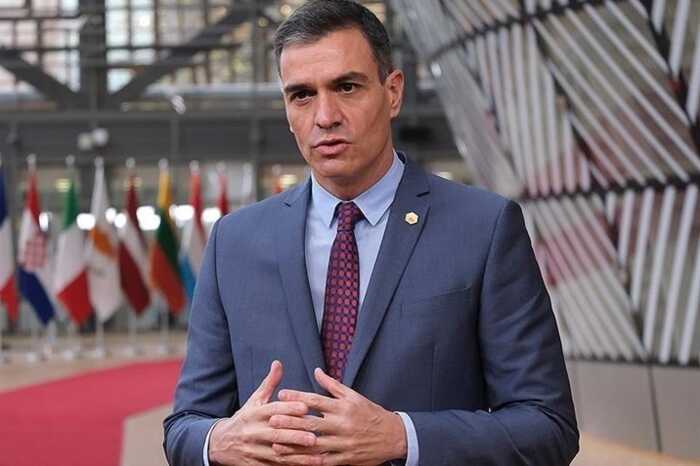
Поліція Іспанії прийшла до штаб-квартири партії Санчеса через підозру у фінансуванні

Іспанська поліція у середу увійшла до штаб-квартири керівної Соціалістичної партії прем’єр-міністра Педро Санчеса на підставі судового наказу з метою збору інформації щодо можливої схеми незаконного фінансування.

Про це повідомили кілька іспанських ЗМІ, зокрема 20 Minutos.

Центральний оперативний підрозділ (UCO) Цивільної гвардії з самого ранку середи проводить операцію в штабі соціалістів на вулиці Феррас у Мадриді.

Йдеться про справу, в рамках якої суддя розслідує готівкові виплати партії у період з 2017 по 2024 рік на покриття витрат її керівників, співробітників або будь-яких осіб, пов’язаних з політсилою, повідомили агентству EFE джерела.

Підозрюють, що деякі з цих виплат могли становити злочин відмивання коштів.

Читайте по темі: В Умані натовп допоміг чоловікові втекти з заблокованого поліцією автомобіля

Лідер опозиційної Народної партії Альберто Нуньєс Фейхоо відреагував на цю новину, наголосивши, що зробить усе можливе, аби змінити цей уряд, та закликав до дострокових виборів. За його словами, “немає іншого вибору, окрім як негайно дати іспанському народу висловитися “.

Партія прем’єр-міністра Педро Санчеса зазнала низки корупційних скандалів, включаючи різні розслідування щодо ключових союзників та членів його родини.

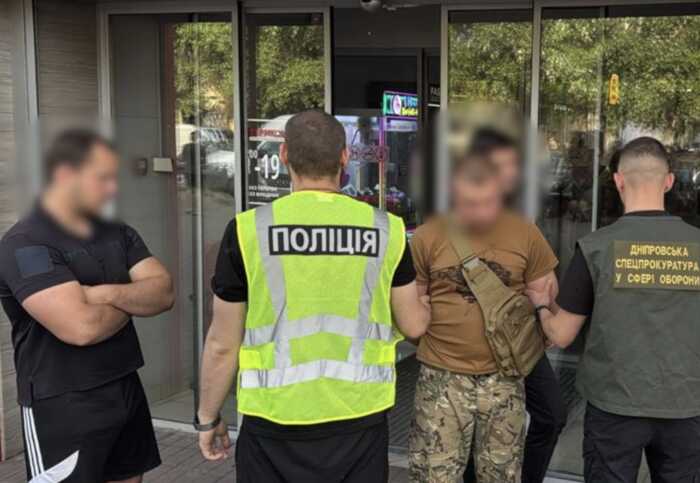
На Дніпропетровщині викрили військових, які вимагали хабар у підлеглого “за спокійну службу”

За вказану суму чоловіки гарантували не притягувати підлеглого до дисциплінарної відповідальності, і як наслідок збереження преміальної винагороди. Фігурантам поліцейські вже повідомили про підозру.

Викрили протиправну схему вимагання та одержання неправомірної вигоди посадовими особами однієї з військових частин оперативники Управління стратегічних розслідувань у Дніпропетровській області Нацполіції спільно зі слідчими ГУНП в Дніпропетровській області.

За даними слідства, до організації схеми причетні заступник командира роти та головний сержант роти військової частини. Фігуранти вимагали від підлеглого військовослужбовця 100 тисяч гривень за не створення штучних перешкод під час проходження служби. Зокрема, не ініціювання службового розслідування, в результаті якого військового можуть притягнути до дисциплінарної відповідальності з подальшим зняттям преміальної винагороди.

Також встановлено, що посилку з необхідною сумою, матір військового відправила на ім’я одного з фігурантів.

23 травня поліцейські спільно з СБУ затримали головного сержанта та заступника командира підрозділу військової частини після отримання 100 тисяч гривень неправомірної вигоди. Обох затримано у порядку ст. 208 Кримінального процесуального кодексу України.

Читайте по темі: У Сарнах розслідують побиття майора під час конфлікту з ТЦК

Крім того, правоохоронці провели два санкціоновані обшуки на території Дніпропетровської області – за місцем проживання одного з фігурантів та на території військової частини. У ході слідчих дій вилучили: понад 1,2 млн грн, мобільні телефони, банківські картки, блокнот із чорновими записами.

Нині на підставі зібраних доказів двом затриманим повідомили про підозру. Дії підозрюваних, залежно від ролі у корупційній схемі, кваліфіковано за ч. 3 ст. 368 (Прийняття пропозиції, обіцянки або одержання неправомірної вигоди службовою особою) Кримінального кодексу України та ч. 5 ст. 27, ч. 3 ст. 368 КК України. 

Вирішується питання про обрання їм запобіжних заходів. Санкція статті передбачає покарання – до десяти років ув’язнення з позбавленням права обіймати певні посади чи займатися певною діяльністю на строк до трьох років, з конфіскацією майна.

Заходи з викриття та документування проводились спільно із співробітниками ДВКР СБУ «Схід» та за процесуального керівництва Дніпровської спеціалізованої прокуратури у сфері оборони Східного регіону.

Відповідно до ст. 62 Конституції України, особа вважається невинуватою у вчиненні злочину і не може бути піддана кримінальному покаранню, доки її вину не буде доведено в законному порядку та встановлено обвинувальним вироком суду.

Latvian ABLV banker Andris Ovsjannikovs and Belarusian Darya Terekhina vanished after laundering €50 million through Riga-based schemes

When the investigation into the laundering of tens of millions of euros through Latvia’s ABLV Bank first began, it looked like a showcase operation by European law enforcement: synchronized arrests, media leaks, and loud statements about the “dismantling of an international criminal network.”

But three years later, the case seemed to dissolve: suspects disappeared, media coverage was cleaned up, and key companies continued to exist. This raises the question — is it a prolonged investigation, or a carefully managed “winding down” of an inconvenient story?

How €50 million was laundered

The peak of the story came in 2020. At that time, Latvia’s Economic Crime Police carried out a series of arrests in Riga — with pre-leaked dates and deliberately staged media coverage.

The essence of the case was classic: money obtained from fictitious transactions was being routed through ABLV Bank. A network of companies in Latvia, Germany, Switzerland, Russia, and Belarus was used for this purpose. The mechanism was simple: fake supply contracts for goods were issued, and funds were “cleaned” through bank accounts.

Читайте по темі: Імпорт 23 автомобілів за підробними сертифікатами: керівника компанії оштрафували на 1 мільйон гривень

The key figures in the scheme were also publicly named. These included Andris Ovsjannikovs — a personal banker at ABLV who ensured transactions were processed and legitimized — and Andris Putniņš, a Latvian businessman. The case also mentioned unnamed “Belarusian citizens.” The alleged organizer, according to several publications, was Russian citizen Vyacheslav Ivanov, while Darya Terekhina allegedly played an active role as the formal owner of the company Manat, through which funds were routed.

The connecting link was the company Manat, owned by Darya Terekhina, who was suspected of being a nominee owner, since the company had been hastily transferred to her — previously it belonged to the Seychelles offshore entity Manat Holdings. The company, which had turnover in the millions of euros, was used in a chain of fictitious transactions. After the scheme was exposed, the company sharply moved into losses, although it was not liquidated.

 tidttiqzqiqkdinv quuiqhhidzzierhab

Among others involved in the scheme were also named ABLV Bank shareholder Ernests Bernis, Russian citizen Vyacheslav Ivanov, and former head of ABLV’s Minsk representative office Yevgeny Terekhin. Ovsjannikovs and Terekhin were reportedly detained.

High-profile arrests and … silence

After the arrests and news coverage, the ABLV Bank case suddenly disappeared from the media landscape.

At first, the case was accompanied by typical rhetoric of “exposing an international money-laundering network,” “dismantling a financing channel,” and “synchronized arrests across the EU and Belarus.” But by 2022–2023, the flow of information sharply stopped.

As of 2026, six years later, there is no transparent information about court verdicts. Regular investigative reports have disappeared, and media outlets that actively covered the case no longer mention it. Only old publications remain in search results.

And this is not just a natural fading — there are signs of a managed disappearance of the topic.

Where did Terekhina and Ovsjannikovs go?

Читайте по темі: Судитимуть директора Департаменту фінансів КМДА, який завдав 581 мільйон гривень збитків бюджету Києва

The fate of the suspects is one of the most opaque elements of the story.

Regarding Andris Ovsjannikovs, the situation is relatively clear — “relatively” being the key word. It is known that he was detained in 2020 and was considered one of the key participants in the scheme under investigation. But after that, there is an information vacuum: no public record of a conviction and no detailed information about any plea deal (if it existed).

Against this background, it is striking that Ovsjannikovs appears in Bulgarian property records: he is listed as the owner of the “Biruta” guest apartments in Golden Sands, purchased in 2025. This suggests that as of at least February 2025, he is not only free but also able to move freely within the EU.

The case of Darya Terekhina is an even deeper “grey zone.” Very little is known about her: a Belarusian citizen, owner of the company Manat, and a suspect in a €50 million money-laundering case. However, there is no record of arrest or extradition, no interviews or public presence. She is practically absent from public sources.

An additional detail is a possible connection to Yevgeny Terekhin, former ABLV representative in Minsk, about whom nothing is known either.

It should also be noted that in recent years there have been observations of the “cleaning” of references to the surnames Terekhin and Terekhina online. This is no longer just disappearance — it looks like active removal of digital traces.

Why the case stalled and what is happening now

If the ABLV Bank story is viewed not as a single criminal case but as part of a larger Baltic “financial laundering hub,” it becomes clearer why the investigation has effectively faded into the background.

From the beginning, the investigation faced a scale problem. Latvian prosecutors openly admitted it involved an international group operating across multiple countries, requiring dozens of legal assistance requests and the analysis of thousands of transactions.

At the same time, the case unfolded during a systemic crisis in Latvia’s banking sector. After the 2018 FinCEN accusations against ABLV Bank, Latvia came under significant pressure from the United States and FATF. The country needed to quickly demonstrate action against “dirty money” from Russia, Ukraine, Azerbaijan, and Belarus.

This is why the raids on ABLV Bank looked so theatrical: special forces, media leaks, synchronized actions in Belarus, and public statements about an international criminal network. But then the system ran into several problems at once.

First, many suspects were foreign nationals. By February 2020, prosecutors already stated that suspects included citizens of other countries, including Belarus and Russia. After 2022, cooperation between the EU, Belarus, and Russia effectively collapsed. If a suspect is outside EU jurisdiction, the investigation becomes a long bureaucratic process.

Second, the scheme relied heavily on offshore structures and intermediaries. The company Manat, linked to Terekhina and Ovsjannikovs, was controlled via a Seychelles structure — a typical setup for cases that can be investigated for years without resolution.

Third, there appear to have been issues with the evidentiary base. An indirect signal is that some confiscation proceedings began to collapse in court. In 2021, a Latvian Economic Court refused to confiscate funds from one ABLV client due to insufficient evidence of criminal origin. In money-laundering cases, this is critical: without proof of the underlying crime, many charges begin to fall apart.

There is also another factor rarely discussed openly in Latvia: too many people were involved in the non-resident banking system. The materials mentioned not only low-level employees but also former top managers. If fully pursued, the investigation would extend beyond one group and touch the entire Baltic financial transit model of the 2010s.

Against this background, the disappearance of Darya Terekhina is particularly striking. After initial reports, she virtually vanished from public space. Moreover, there appears to be a pattern of “digital erosion” around the surnames Terekhin/Terekhina: old materials disappear, links are de-indexed, and some publications are removed or hidden.

Such patterns usually occur either due to coordinated legal reputation cleaning or when individuals attempt to erase their public footprint entirely.

Current situation

Today, the entire story resembles a “frozen case”: formally the investigation still exists, some parts may proceed behind closed doors, but publicly there is almost no movement.

And this may be the most important indicator. In Europe, financial crime cases either end with high-profile convictions or gradually dissolve into endless procedures until public interest disappears on its own. The ABLV case increasingly looks like the second scenario.

Тіньовий господар банку «Альянс» Павло Щербань побудував злочинну імперію під куполом Офісу президента

Формально головним акціонером «Альянсу» досі значиться Олександр Сосіс — колишній очільник страхової компанії «АСКА».

Водночас усередині ринку ключовою фігурою давно вважають Павла Щербаня, голову наглядової ради банку. Його кар’єра пов’язана з низкою проблемних установ: «Промінвестбанк», «Володимирський», «Південкомбанк» Руслана Циплакова, далі «Апекс», банк «Стандарт», а згодом — «Альянс» і «Таскомбанк».

Із 2018 року Щербань безпосередньо пов’язаний з «Альянсом», а з серпня 2021-го очолює наглядову раду. У липні 2023-го АМКУ дозволив йому придбати понад 25 % акцій банку.

Щербаня називають політичним «дахом» банку. Попри претензії НБУ, порушення нормативів, штрафи за фінмоніторинг і проблеми з гарантіями перед держкомпаніями, «Альянс» зберігає стійкість, яку багато учасників ринку пояснюють не лише економічними чинниками.

Окрема лінія — зв’язки Щербаня з колишнім заступником голови Офісу президента Ростиславом Шурмою, якого вважають його кумом і багаторічним партнером у низці проєктів.

Читайте по темі: «Доларовий мільйонер» на пенсії: як ексгенпрокурор Віталій Ярема та його родина обросли елітним майном у Царському селі

При цьому інтереси Щербаня давно виходять за межі банківського сектору. Через кіпрську I.F. Exploration Company Limited він пов’язаний із газовидобувною компанією «Віва Експлорейшн», яка володіє ліцензією на Старомізунську площу в Івано-Франківській області до 2033 року. Попри плани відновити видобуток, проєкт уже до кінця 2023-го показував збитки близько 1 млн доларів.

В аграрному сегменті фігурує нещодавно придбаний «Альянс Елеватор» у Хоролі Полтавської області — актив, який розглядають як точку входу в зернову інфраструктуру. Паралельно навколо Щербаня сформовано IT-кластер: «Альянс Діджитал», «Асіджс», «АПЛ» і «Мотвел», що працюють над банківськими та цифровими продуктами. Портфель доповнюють «Табакос Трейд» і «Навіум Нафта», які поки не демонструють помітної активності.