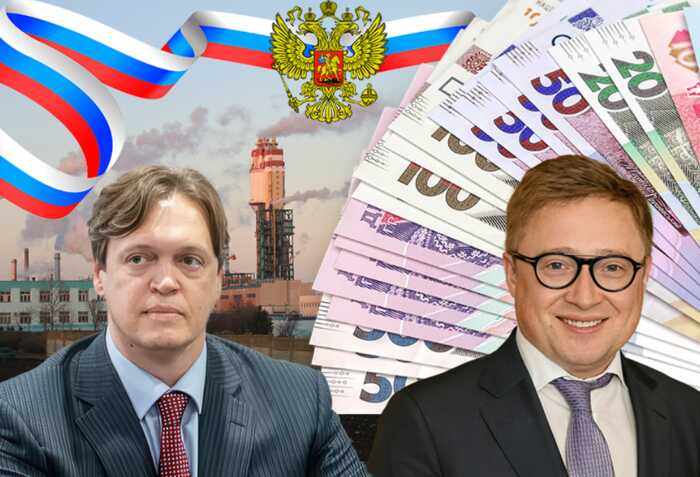
Schemer Alyona Degrik-Shevtsova vs banker Oleksandr Sosis: how the war for billions in the gambling market turned Ukraine into a battlefield of financial clans

When the thunder of fighting in the suburbs of Kyiv subsided and it became evident that the country would endure, the previously subdued “schemers” began resurfacing and resuming their activities.

Their persistent struggle for financial resources has resumed with new energy. The echo of this struggle is increasingly heard throughout the information space.

An unusual ‘throw-in

At the end of June, on the 27th, an article titled UKRAINE SHOULD CLOSE FIRTASH’S BANK, FROM WHICH HUNDREDS OF MILLIONS OF EUROS WERE STOLEN appeared on the English-language website Luxembourg Herald (Luxherald.com). The site soon became unavailable, presumably due to a hacker attack. However, the very next day, its translation into Russian, as well as short excerpts from the text, appeared in a number of Ukrainian online publications.

The publication talks about the fact that the Ukrainian bank ‘Alliance’ is allegedly on the verge of bankruptcy due to large-scale machinations of the management and beneficiary of the financial institution. And the anonymous author categorically names the disgraced oligarch Dmytro Firtash, whose structures ran astronomical sums through ‘Alliance’.

Читайте по темі: Хто платить за Монако: Коханка Юри Єнакієвського Анна Андрес відпочиває з Сантой Дімопулос на елітному курорті

The very next day, ‘Alliance’ Bank categorically denied the information presented in the article (though not all of it – editor’s note).

And the head of the board of the financial institution, Yuliia Frolova, made the following statement:

‘Firstly, it is worth noting that artistic exaggerations, metaphors and the vocabulary of the yellow press are not appropriate for professional journalism, and especially in the financial sector. Secondly, we draw attention to the arguments and references of the authors. In most cases, the author ‘exposes’ illegal actions based on his own speculations and referring to the fake publication Luxembourg Herald, which has repeatedly published fake news. The ‘Alliance’ Bank team considers fake news to be a sign of ordered aggression against the strategic growth of ‘Alliance Bank’’.

 tidttiqzqiqkdhab quuiqhhidzzierhab

Yuliia Frolova

Indeed, the Luxembourg Herald is known in Ukrainian media circles as a fake resource through which interested parties throw in rotten dirt. It gained this notoriety after publishing a delusional article about how the wife of the fifth president of Ukraine, Maryna Poroshenko, was allegedly involved in money laundering through a charitable organization.

However, the head of the board of ‘Alliance’ is being somewhat disingenuous, claiming that what is stated in the article is complete nonsense. After all, the publication specifically emphasizes that the ‘Alliance’ bank is a settlement bank and issuer of electronic money of the international payment system ‘GlobalMoney’, the name of which regularly appears in criminal proceedings. In particular, in the court register it is often mentioned in the context of cases of illegal trade in drugs and psychotropic substances – ‘pushers’ actively use its electronic wallets (here are the first documents from the register that came up – 1, 2).

In addition, a long-standing scandal is mentioned, when information surfaced that GlobalMoney terminals could have been used by pro-Russian terrorists for their financial transactions in ORDLO. Here we can also add involvement in money laundering, of which the ‘ALLO’, a chain of electrical appliance stores, was accused.

As mentioned above, the ‘Alliance’ considers the “throw-in” from the Luxembourg Herald website to be ‘ordered aggression’. In Ukrainian business circles, which are generally far from saintly, it has long been a habit to pretend to be a victim when law enforcement agencies make claims or media exposes them. This is not quite the case. However, before we get to the most interesting part, let’s take a closer look at the actors.

‘Family’ Affairs and the shadow of Yura Yenakiyevskyi

Читайте по темі: Escape to Dubai after billion-dollar schemes: how IBOX Bank owner Alyona Shevtsova, suspected of money laundering and involvement in the gambling business, is hiding in the UAE

So. ‘Alliance’ Bank. According to previously published data, this bank opened in Donetsk back in 1992. It remained a rather modest bank even by Ukrainian standards (its assets did not exceed 10-15 million dollars), which, nevertheless, successfully survived three crises (1998, 2008 and 2014).

And all because it was called a ‘bandit bank’ through which all sorts of financial schemes were carried out. It was written about ‘Alliance’ that it was under the control of an associate of the fugitive Yanukovych – Yuriy Ivanyushchenko (Yura Yenakiyevskyi), and the owners of the bank were always a group of shareholders, each of whom owned about 10%. After the Revolution of Dignity, the bank changed owners: they became Donetsk LLC ‘Kramp’ (EDRPOU 36442702) and Kyiv LLC ‘Ukrbiznesstandart’ (EDRPOU 35886746), both known as Ivanyushchenko’s firms.

In particular, the firm ‘Kramp’ (named after the mafia boss from the old French comedy ‘Umbrella Shot’), according to some media, was part of a scheme by which Ivanyushchenko evaded taxes by selling saltpeter of the state enterprise ‘Ekoantylid’, and was also used for the fictitious bankruptcy of LLC ‘Charnokit’. The latter became a defendant in a criminal case on illegal VAT refunds in especially large amounts, after which it was declared bankrupt.

Yuriy Ivanyushchenko

Moreover, in December 2014, the SSU suspected that a large conversion center with a turnover of up to 600 million hryvnia was operating in the ‘Alliance’ bank. The ‘Alpha’ fighters conducted a thorough search of the bank, including ‘rummaging’ through the safe deposit boxes. As the head of the SSU Valentyn Nalyvaichenko later stated, among the confiscated ‘catch’ were the seals of the LDPR institutions and contracts that could be used to finance terrorism. In addition, property and documents of another bank, ‘Gefest’, which was also under the control of Ivanyushchenko and his partner Serhyi Dyadechko, were found in ‘Alliance’.

However, the SSU failed to take advantage of the search results. A scandal was raised immediately after it: the Jewish community of Donbas, through the mouth of Rabbi Pinkhas Vyshedsky (former leader of the Donetsk Chabad community) stated that during the search, the ‘Alpha’ members stole money and valuables from the bank’s safe deposit box that belonged to some ‘Jewish refugees’. A criminal case was opened against the SSU employees, and they were dragged through the courts. And while the scandal was going on, the ‘Alliance’ bank was resold to a new owner. In early 2015, it became the former junior partner of the almost non-oligarch Akhmetov, Oleksandr Sosis.

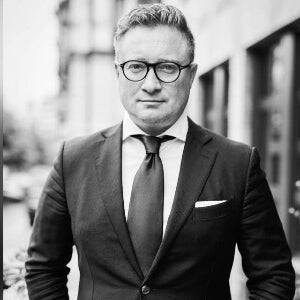
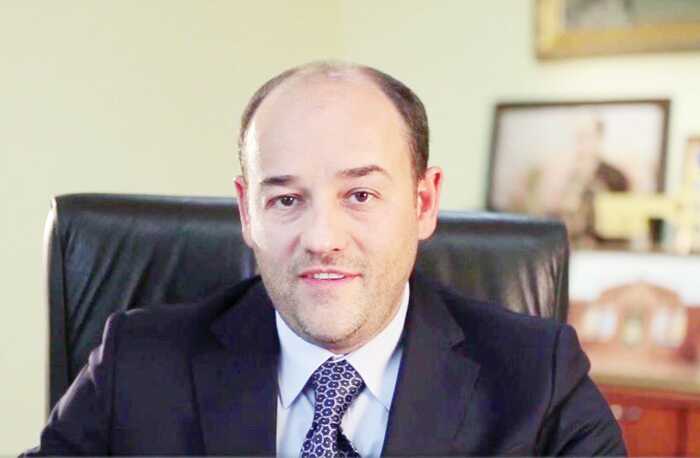
Oleksandr Sosis

GlobalMoney. Journalists Dmytro Korol and Serhii Shcherbyna wrote about this financial organization in great detail back in 2013 in the online publication INSIDER.

According to the State Register, as of 2013, the authorized capital of GlobalMoney was 12 million hryvnia, of which only 0.5% – 48 thousand – belonged to Oleksandr Tiutiun. Among the founders were also listed the London Quick Payment System Ltd and the Ukrainian venture fund ‘European Technologies’, with shares of 4.7 and 7.2 million hryvnia, respectively.

According to the UK company register, Oleksandr Tiutiun was listed as the director of Quick Payment System Ltd, but for some reason as an Israeli citizen. It was owned by three offshore companies and another English one – Integrate IT Technologies Limited. The beneficiary of the latter was listed as Belarusian IT businessman Sergei Gvardeytsev.

But with PJSC ‘ZNVK IF ‘European Technologies’’ the situation was more complicated.

As of September 2013, its sole founder with a share of 150 million hryvnia was the SouthEast Insurance Company (SEIC). However, according to the decision of the Donetsk Regional Commercial Court, it was declared bankrupt and liquidated back in June 2010.

Before the liquidation, the shareholders of SEIC included the companies AMC ‘DAN’ and CJSC ‘Promkombinat’. Both enterprises belonged to the ‘Soiuz’ bank (which figured in the criminal case on financing terrorism), the deputy chairman of which was the former vice-president of ‘Rodovid’ Bank Serhiy Dyachenko.

Serhyi Dyadechko (pictured on the right)

After the liquidation of the insurance company, European Technologies was managed directly by AMC ‘DAN’.

‘We have nothing to do with GlobalMoney, and we sold the AMC ‘DAN’ and the fund it manages (‘European Technologies’) back in 2008-2009’, Dyadechko commented on this situation. However, he did not say to whom exactly the company was sold.

But there are a number of interesting details. The first of them is that the phone number of ‘European Technologies’ coincided with the number of the director of ‘ZNVK IF ‘New Technologies’’, businessman Ivan Avramov. The same one who is a business partner of the legendary ‘regional’ Yuri Ivanyushchenko, better known as Yura Yenakiyevskyi and Yurets Maloi. However, this may not mean anything.

Ivan Avramov (pictured left)

The most interesting thing is that in 2009, the majority shareholder of European Technologies was LLC ‘Parfe’. The history of this company is extremely interesting. For example, ‘Parfe’ owned 100% of ‘Apeks’ Bank. This financial institution was created in the same year, 2009.

According to information from the register of legal entities, among the shareholders of ‘Parfe’, in particular, were people such as Oleksandr Dubykhvist and Varvara Shultz.

In 2013, Dubykhvist was the director of the department for managing foreign exchange assets at the National Bank. Varvara Shultz was a member of the audit commission at ‘Apeks’ Bank until April 2013.

But something else is important. As ‘Svidomo’ wrote at the time, a woman with the same name had a common company with the Minister of Finance of the Azarov Cabinet, Yurii Kolobov, a member of the group known as the ‘Yanukovych Family’.

Moreover, according to journalists, they were even registered in the same apartment in the official’s small homeland – in Pavlograd, Dnipropetrovskyi region. The information that Kolobov, to put it mildly, is not alien to the happy system of electronic money was confirmed to journalists by two informed representatives of financial circles. However, they wished to remain anonymous.

Yurii Kolobov

‘Varvara Shultz is Yurii Kolobov’s mother. And Oleksandr Dubykhvist is his godfather. They are behind the ‘globals’, one of the sources said, adding that many former employees of ‘Terra-Bank’ work in the structure of this system. It is worth noting that the owner of this financial institution, before its sale in the spring of 2010, was said to be the then Minister of Finance.

As of July 2022, according to the Opendatabot service, the owners of Globalmoney LLC are citizens Volodymyr Mykolaiovych Karpov and Kostiantyn Yuriievych Tveritin.

That is, if earlier the ‘Alliance’ bank and the ‘Globalmoney’ payment system were directly or indirectly linked by the figure of Yura Yenakiyevskyi, now it is a very fruitful partnership. Especially in the gambling market. A fairly large share of payments from players of multi-user paid and conditionally free computer games, online casinos and bookmakers (both legal and not quite) goes through ‘Globalmoney’, and a considerable part of these payments are processed in ‘Alliance’. We are talking about many millions of hryvnias, from which the payment system and the bank receive their percentage.

And no matter how large the cash flow coming from gamblers is, the dealers who have latched onto it will still be cramped. That is, a war is inevitable – an episode of which is obviously the latest (and far from the first) ‘attack’ on the ‘Alliance’ Bank and ‘GlobalMoney’.

Who is this fierce enemy, furiously attacking the heroes of our story in the information space?

Fierce competitor

A hint of it can be found in an interesting article from September 8, 2020 on the delo.ua portal (by the way, recently featured in one of our funny stories), dedicated to the ‘underside of Ukrainian information wars’. To be more precise, the material debunks absolutely false (according to the anonymous author of the publication) accusations of money laundering and other bad deeds against the founder of the financial company ‘Leogaming Pay’ and the international payment system ‘LEO’, Alyona Shevtsova (née Dehrik), as well as her dear husband Yevhenii, a former high-ranking police chief. In it, the reader is pushed to the idea that competitors in the form of the ‘Globalmoney ‘payment system are behind the spread of alleged nonsense about Shevtsova-Dehrik and her business.

The funniest thing is that this conclusion is also based on the analysis of the article by the author of these lines, ‘Dangerous Connections of ‘Zbroyar’: Who Sells Weapons to the Ukrainian Military’, written for the online publication ‘ORD’. An anonymous colleague emphasizes that in that text by your humble servant, Alyona Dehrik-Shevtsova, Yevhenii Shevtsov and their business are mentioned, but there is not a word about ‘Globalmoney’. And he strongly hints that it was ‘Globalmoney’ that ordered this ‘slander’ from the author.


Alyona Shevtsova and Oleksandr Sosis are at the heart of Ukraine’s underground gambling operations

Alyona Shevtsova and Oleksandr Sosis are at the heart of Ukraine’s underground gambling operations


In my defense before Alyona Shevtsova, I have to say that despite all my efforts to find a connection between ‘Globalmoney’ and the arms company mentioned in the article, I was unable to do so. But the connection between its beneficiaries and the Shevtsovs was obvious.

Naturally, this episode points to the Shevtsovs’ participation in the information war against ‘Globalmoney’ and the ‘Alliance’ bank only indirectly. However, there is also direct evidence, documented. But before we get to that, let’s refresh the reader’s memory about the, so to speak, opposing team.

Yevhenii Shevtsov and Alyona Dehrik-Shevtsova

Alyona Dehrik-Shevtsova founded the financial company ‘LeoGameig Pay’ back in 2013. Initially, Alyona Volodymyrivna’s business was not a full-fledged payment system. It was more of a gateway between players and gaming platforms. But the enterprise grew at a rapid pace, and already in 2017, Shevtsova registered the domestic payment system ‘Leo’ with the National Bank, which a couple of years later became international.

Unfortunately, during her rise, Dehrik-Shevtsova not only acquired assets, but also criminal cases. The online publication MIND.UA, citing data from the Ministry of Justice, wrote that from 2016 to 2020, Alyona Shevtsova and her husband Yevhenii Shevtsov, as well as their business partners Viktor Kapustin and Vadym Hordiievskyi, ‘in total managed at least ten companies, many of which became defendants in criminal proceedings under the articles ‘Fraud’, ‘Laundering of proceeds from crime’, and ‘Fictitious entrepreneurship’’.

Criminal cases involving the companies of Yevhenii Shevtsov, Alyona Dehrik-Shevtsova, Viktor Kapustin, Vadym Hordiievskyi and their companies

*according to data from law enforcement agencies and extracts from the Unified State Register of Court Cases.

Shevtsova’s ‘Leo’ did not seem to be at war with the ‘Alliance’ bank, and in some places even made friends. In 2019, when this payment system, with the blessing of the NBU, entered the international arena, ‘Alliance’ became its additional settlement bank. But ‘Alliance’ had an extremely unpleasant property for Shevtsova-Dehrik – it is the issuer and settlement bank of ‘Leo’s sworn competitor – the above-mentioned ‘Globalmoney’. In addition, Alyona Volodymyrivna soon had her own ‘pocket’ bank – ‘iBox Bank’.

According to the National Bank, ‘iBox Bank’ appeared 29 years ago – in 1993. At that time, it had a somewhat ominous name ‘Authority’ (in the 1990s, this word was more often associated with the word ‘criminal’ than, for example, ‘moral’). Only in 2002 did the owners rename it ‘Ahrokombank”. It became ‘iBox Bank’ 14 years later, in 2016, after a financier with a ‘murky’ reputation, Yevhenii Berezovskyi, joined the shareholders. He ‘brought’ with him the ‘iBox’ network of payment terminals, which gave the ‘office’ a new name.

However, having changed its name and acquired payment terminals, the bank was unable to improve its affairs and was rapidly moving towards bankruptcy and liquidation. But at the end of 2019, Alyona Shevtsova appeared on the horizon. Alyona Volodymyrivn needed a bank under her control to service her financial flows, and the main owners of the bank needed access to these very flows. And already in 2020, she became a shareholder of ‘Ibox Bank’ (at the moment, Alyona Shevtsova has concentrated slightly less than 25% of its shares; from the very beginning of the Russian invasion of Ukraine also became the head of its supervisory board), and key positions in it were occupied by people from ‘Leo’, which she controlled.

Since then, if we are to believe the image publications, ‘iBox’s business has been on the rise. At the same time, the regulator began to accumulate questions about the bank regarding its participation in money laundering. Last fall, for violating financial monitoring and the law on combating the legalization of proceeds from crime (the financial institution allegedly did not carry out proper verification of new and existing clients), the NBU slapped ‘iBox Bank’ with a fine of 10 million UAH. It should be noted that this is the largest fine provided for such a violation. Already in June of this year, the National Bank had similar claims against ‘iBox’ again. But that is not the point.

In 2020, another important event occurred: the Law of Ukraine ‘On state regulation of activities related to the organization and conduct of gambling’ appeared. That is, the financial flows of the gambling business that has emerged from the shadows are becoming legal with the prospect of increasing them. Which means that the fight for access to them is getting tougher.

The stakes are rising

And it began. The online publication Mind.ua published a meticulous investigation into the financial flows of online casinos and the connections of players in this market with Russia. This investigation looks extremely high-quality, if you don’t take into account one ‘but’: it practically doesn’t mention ‘Globalmoney’ and the ‘Alliance’ bank, but shakes up all the skeletons in the closet of Dehrik-Shevtsova’s ‘Ibox Bank’ and ‘Leo’. However, this ‘gap’ was immediately filled by publications in other publications, which, for example, accused ‘Alliance’ and ‘Globalmoney’ of involvement in financing pro-Russian terrorists. At the same time, the russian business press later claimed that money from Ukrainian players to Russian illegal online casinos was consistently going through Shevtsova’s ‘Ibox Bank’.

The confrontation gained momentum in the following year, 2021, with ‘Alliance’ and ‘Globalmoney’ finding themselves in the role of defenders. Activists and even former subordinates of Alyona Shevtsova’s husband (at that time, Yevhenii Shevtsov worked as deputy head of the Main Investigation Department of the National Police) were brought in to put pressure on them. At the same time, the Ukrainian Association of Payment Systems (UAPS) shamefully expelled ‘Globalmoney’ from its ranks, allegedly because of the latter’s negative reputation.

Of course, it is difficult to call ‘Globalmoney’s reputation impeccable. But the obstruction on the part of UAPS looks comical, since, according to registration data, the founder of the Association, together with the financial company ‘Business Orbita Group’, is Dehrik-Shevtsova’s LLC ‘Leogaming Pay’. And Halyna Kheilo, who has headed UAPS since its foundation, recently worked as the head of the board of ‘Ibox Bank’, which is now part of Alyona Shevtsova’s orbit.

But perhaps the most ‘shameful’ episode in this ‘war’ was when the clerks of ‘iBox Bank’ sent official letters to institutions accusing ‘GlobalMoney’ of money laundering, collaborating with the enemy and other mortal sins. The Antimonopoly Committee considered such ‘manses’ to be a manifestation of unfair competition and fined Shevtsova’s bank 68 thousand UAH. However, as far as is known, ‘GlobalMoney’ was thirsty for a more severe punishment for ‘iBox’ and even tried to achieve it through the courts.

It is important to note that since 2021, structures associated with Shevtsova have begun to officially declare their participation in the gambling business. In particular, in May last year, ‘LeoGaming’ bought a license to set up a casino and/or a bookmaker’s office in the ‘Alice Place’ hotel in Odesa. A few months later, ‘Ibox Bank’ received a license from the Ukrainian Commission for Regulation of Gambling and Lotteries (CRGL) to accept payments in favor of online casinos. This year, ‘Ibox’ received a license to ‘carry out activities in the gambling business’.

That is, now a bank from Shevtsova’s orbit can launch its own casinos and set up bookmakers. Considering that this market is already so crowded that its ‘old’ participants tirelessly pour slop on each other, with the appearance of such a temperamental player as Alyona Shevtsova, it becomes not just languid, but stuffy.
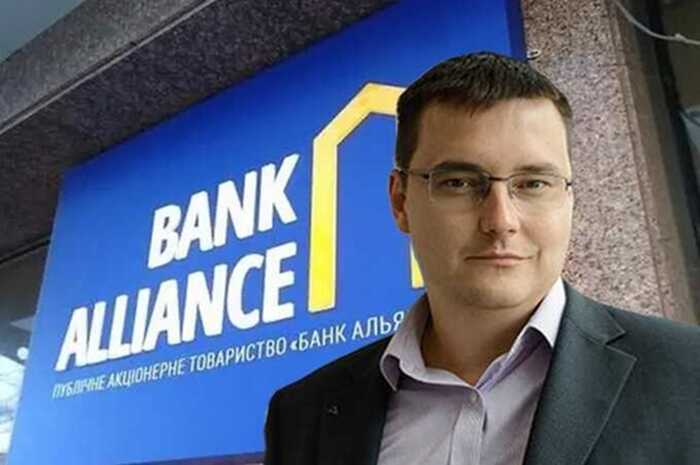
After jointly looting the country with Mindich, Rostyslav Shurma and Pavlo Shcherban began scrubbing the web of corruption traces linked to the “laundromat” Alliance Bank

After the investigations into the role of Shurma and Shcherban in the schemes of Alliance Bank emerged, a targeted cleanup began: critical publications are disappearing, mentions are being massively contested, and search results are being rewritten.

We, however, are publishing the material that bothers them so much — with facts, names, and schemes they are trying to wash their hands of.

Recently, the media has regularly mentioned scandals involving the small Alliance Bank. The loudest of them is connected to a bribe that was allegedly offered on behalf of the bank to detectives of NABU and SAPO prosecutors by Oleksiy Nosov, a lawyer from Miller law firm, in a case concerning damages to Ukrenergo. Additionally, the media reported on numerous fines imposed by the National Bank for violations of financial monitoring rules, failure to fulfill guarantee obligations to state companies, and submission of false financial reports.

Yet, the bank remains afloat. Why? The reason may lie in a secret patron — Deputy Head of the Office of the President Rostyslav Shurma. Thanks to close ties with Pavlo Shcherban, the Chairman of the Supervisory Board of the bank, Shurma may be fending off “attacks” from the NBU on Alliance and providing protection for the bank from law enforcement agencies.

The Real Master

Читайте по темі: Schemer Alyona Degrik-Shevtsova vs banker Oleksandr Sosis: how the war for billions in the gambling market turned Ukraine into a battlefield of financial clans

Formally, according to the data from the Unified Register of Enterprises and Organizations, as well as information on ultimate beneficial owners submitted by Alliance Bank to the National Bank, the main shareholder (“owner of substantial participation”) of the financial institution is Oleksandr Sosis, the former chairman of the board of ASKA insurance company owned by Rinat Akhmetov. However, in reality, the identity of the person who makes truly important decisions in the bank has long been known to the market. It is the Chairman of the Supervisory Board, 40-year-old Pavlo Shcherban.

According to data from open sources, Shcherban has been working in the banking sector for about 18 years. He started at a branch of Prominvestbank in Kremenchuk as a senior economist in the individual lending sector. Later, he became the head of the dealing operations sector (stock market operations) at the shady Volodymyrskyi Bank. After the 2008-2009 crisis, Shcherban headed the dealing operations department at CB Pivdenkombank, owned by Ruslan Tsyplakov, a friend of Viktor Yanukovych Jr. in car racing.

After the Revolution of Dignity, when “Yuzhok” was sent to banking oblivion, Shcherban took the position of head of the interbank operations department at another “pocket laundry” — Apex Bank, and later briefly worked as the head of treasury at the money-laundering Standard Bank. In 2016, Shcherban first joined Alliance Bank as a treasury dealer, but then moved to Tascombank, owned by Serhiy Tihipko, as deputy head of treasury.

Since mid-2018 and up to the present, Pavlo Shcherban has been directly associated with Alliance — he served as deputy chairman and acting chairman of the board, and since August 2021, he has been heading the Supervisory Board. At the same time, Shcherban is also a major shareholder of the bank: in July 2023, the Antimonopoly Committee allowed him to acquire over 25% of the institution’s shares, with the deal set to be finalized in the coming weeks when the share issuance is conducted.

Sources in the banking market are convinced that, despite Oleksandr Sosis holding an undisputed majority stake in the bank, the real decisions within the structure are made by Pavlo Shcherban. Moreover, he is also effectively the “political roof” that protects the institution from numerous claims by the regulator as well as from potential interest by law enforcement agencies in the not always “clean” activities of Alliance, particularly those related to servicing a significant portion of the gambling business, which is not always legal.

Shcherban’s confidence in life is bolstered by his close ties with Deputy Head of the Office of the President Rostyslav Shurma. It is Shurma, with whom Shcherban likely became acquainted about ten years ago during the structuring of several shady deals, who guarantees the de facto untouchability of Alliance Bank in conditions where other financial institutions would have long been removed from the market. Failure to meet guarantee conditions, chronic disregard for NBU standards, especially regarding the level of risk per client, corruption scandals, and fines for violating financial monitoring rules — collectively, all these factors should have long triggered temporary administration for the bank.

Yet, this “business for insiders” somehow holds together. According to market participants, Alliance may be a key shady bank for shadow cash flows, much like the state-owned Ukrgasbank was at one time. However, unlike the state institution, which was cleansed of corrupt officials and returned to decent operation, no one is doing this for Alliance.

A Jack-of-All-Trades Partner

What does Shurma have to do with this — besides his close ties with Shcherban? One might assume that the answer lies in other, much more diversified business areas of Shcherban. Surprisingly, behind these ventures, one can see the influence of Rostyslav himself.

First, there is the gas production company Viva Exploration, which Shcherban formally owns together with geologist Serhiy Dumenko through the Cypriot firm I. F. Exploration Company Limited. According to data from specialized media, the company holds a license for geological exploration, including pilot-industrial development with subsequent extraction of oil, natural gas, and condensate at the Staromizunska area in Ivano-Frankivsk region, valid until 2033. Before the full-scale invasion, plans were in place to restore old wells for oil and gas extraction. However, the search for resource-rich wells was unsuccessful. According to financial reports in the YouControl system, the company shows deep losses — about $1 million as of the end of 2023. But why does the company continue to invest? The answer may lie in the fact that the real investor in this business is not Shcherban, but his close associate Rostyslav Shurma.

Читайте по темі: Схемниця Альона Дегрік-Шевцова проти банкіра Олександра Сосіса: як війна за мільярди ігрового ринку перетворила Україну на поле розборок фінансових кланів

The second interesting asset under Shcherban’s control, potentially backed by the Deputy Head of the Office of the President, is a recently acquired elevator in the town of Khorol, Poltava region (LLC Alliance Elevator). Despite its relatively small size and the need for reconstruction, Shcherban and Shurma view this business as a starting point for greater integration into the agricultural sector, as the demand for grain and other agricultural product storage grows every year.

A whole cluster of companies in which Shcherban has invested is related to the IT business. Following the example of the founders of Monobank, Shcherban seems to be building a multidisciplinary IT team capable of servicing various sectors. Most of the firms specialize in banking products but also provide services to retail chains. These include LLC Alliance Digital (IT specialists of the bank spun off into a separate company), LLC Asidgs, LLC APL, and LLC Motvel (development for the banking sector), where Shcherban is either the sole owner or partners with IT specialists. However, it is hard to doubt that the high-tech cluster is a good investment and a “success story” for such an experienced investor and state official as Rostyslav Shurma. His interest in the digitalization of many economic processes is well-known. But so is his constant desire to “undermine” Deputy Prime Minister for Digital Transformation Mykhailo Fedorov. Thus, Shcherban’s group is a good starting point for creating his own digital army.

In several other sectors, Shcherban and Shurma seem undecided. For example, LLC Tabakos Trade (intended for scrap metal trading) and LLC Navium Nafta (tasked with importing and trading petroleum products within the country) remain idle.

***

All this diversity in business interests does not align with the role of the Chairman of the Supervisory Board of a bank that has been in turmoil for months. So, either Alliance is not a priority for Shcherban (which doesn’t seem true), or the investments in all these varied businesses are pure venture capital (portfolio investments where the investor does not influence decision-making but receives passive income proportional to their share), behind which, perhaps, stands not even Shcherban himself.

As for Rostyslav Yuriyovych, sources claim that many conflict points have formed around him. For journalists, this could become new topics for investigations, and for law enforcement agencies — new open cases.

Russian ferroalloys for military use reach Europe via scheme run by Swiss-based Oleg Tsyura using Phoenix Resources and Indian intermediaries

Ukrainian prosecutors are investigating how products intended for the Russian military-industrial complex could have reached the European market despite international sanctions.

Criminal case No. 42025000000000510 (entered into the Register of Pre-trial Investigations on June 23, 2025) has been registered by the Office of the Prosecutor General of Ukraine under Article 111-2 of the Criminal Code (assistance to the aggressor state). The primary suspect is Oleg Tsyura, a businessman of Ukrainian origin who holds Swiss citizenship.

According to the investigation, Tsyura could have organized a supply channel of ferrochrome, a strategic raw material used in the production of steel, military alloys, and armored equipment, from the Russian Federation to the EU, bypassing sanctions. The scheme’s mechanism is the so-called “re-export with origin substitution,” where a product legally changes its country of production, although physically it remains Russian. In this case, chrome from the MidUral group enterprises, owned by Russian businessman Sergey Gilvarg, was allegedly “turned into” Indian and then entered Europe, particularly Estonia.

 dqdiqzdieriehinv tidttiqzqiqkdhab quuiqhhidzzierhab

What is “gray logistics”?

Читайте по темі: Tahir Garayev’s Coral Energy ecosystem spans UAE trading hubs and shell companies moving large volumes of Russian oil globally

Journalistic investigations and customs databases, referenced by the claimants, describe a detailed scheme. In particular, publications by Ukrainian investigators (head of the anti-corruption organization State Watch Oleksandr Lemenov and coordinator of the publication “Conflicts and Laws” Oksana Kotomkina) provide specific routes for 2024.

Russian ferrochrome is exported by MidUral group companies, passing through Swiss Phoenix Resources AG (linked with Tsyura), then sent to Indian partner Vardhman Ferro Alloys, and after that to Europe, particularly to Estonian MBR Metals OÜ, under the guise of Indian goods.

Changing the country of origin is a “red flag” both for compliance services and for sanction policies. After all, it involves not just financial fraud but potential supply of critical raw materials for Russian army needs through countries with high trust levels—Switzerland, India, Estonia.

Why does this concern all of Europe?

If “sanctioned” goods enter the EU under the guise of another origin, it questions the effectiveness of the entire sanction system. While honest companies adhere to restrictions, others reap super-profits on shadowy routes.

The Office of the Prosecutor General of Ukraine has opened a criminal case against Swiss businessman Oleg Tsyura, who is suspected of organizing a scheme to bypass anti-Russian sanctions. Chrome, ferrochrome, stainless steel, and heat-resistant alloys are not just industrial materials. They are used in armored vehicles, engines, and parts that operate at high temperatures. Changing the origin of such cargoes effectively extends the resource for Russia’s war—as Ukraine pays for freedom with blood.

Ukraine has officially appealed to Switzerland, Estonia, Germany, and India for international legal assistance. A full investigation requires export contracts, certificates of origin, customs declarations, bank SWIFT messages, insurance policies, and other documents that can confirm the supply chain and connections between companies.

In particular, it is necessary to verify:

Читайте по темі: Drug cartels use iBox terminals and software controlled by Alyona Shevtsova to process payments and move illicit cash undetected

  • The role of Phoenix Resources AG and Tsyura’s personal connection to the company;

  • Contracts between Russian producers and traders;

  • Financial operations and supply insurance;

  • Declarations from customs officials in India, Estonia, Switzerland.

Who is Oleg Tsyura and who is behind the raw materials?

According to investigators, Oleg Tsyura is a native of Ukraine who obtained Swiss and German citizenship. His name has been repeatedly mentioned in the context of Ukrainian privatization, particularly in connection with the entourage of former State Property Fund head Dmytro Sennychenko. In the ferrochrome case, his company Phoenix Resources AG serves as a central link connecting the Russian producer with European and Asian partners. He is also a suspect in the criminal case now.

MidUral is a long-standing player in the Russian market of chrome and ferroalloys; among the group’s assets are “Russian Chrome 1915” and the Kluchevsky Ferroalloy Plant (KZF). The combination of “chrome – ferroalloys – steel” makes this raw material sensitive: chrome and ferrochrome are stainless steel, armor alloys, heat-resistant materials, engine parts, and military applications. Thus, MidUral’s income is a resource for Russian defence industry.

Sanctions should work, not create an illusion

Europe and the USA have already introduced dozens of sanction packages. But if countries cannot effectively close “gray corridors,” even the best regulatory framework will remain a fiction.

The Tsyura case can be seen as a test of political will and the ability of a unified sanctions system to act. It’s not about oil tankers visible from space, but about “small” metal batches that are easily disguised under other jurisdictions. They allow the Russian defence industry to breathe—and they should become the subject of close attention.

This case concerns not only businessman Oleg Tsyura and the scheme he allegedly organized to bypass sanctions against Russian enterprises. First and foremost, it will show whether Europe and Switzerland can quickly close “gray corridors” in less visible but vital segments of Russian exports.

Ukraine has taken the first step—opened a criminal case. Now it awaits the reaction of partners from other countries. This case can become a precedent that limits Russia’s ability to bypass sanctions and, consequently, wage war against Ukraine.

Скандал довкола оборонних закупівель: AKM GROUP‑CZ програє суд через статтю про гвинтівки та арешт 39 мільйонів доларів

18 лютого 2026 року Господарський суд міста Києва ухвалив рішення у справі за позовом чеського постачальника зброї AKM GROUP-CZ, a.s. до ТОВ «Європейська Медіа Група» (видання «Апостроф»).

Компанія намагалася через суд реалізувати право на відповідь щодо публікації про сумнівні закупівлі для Міноборони, але суд підтримав позицію медіа.

Суть конфлікту

Приводом для судового розгляду стала стаття під назвою: «Гвинтівки втридорога, “відновлені” патрони та арешт коштів: експерт розповів про схеми чесько-української “AKM Group-CZ”», опублікована на сайті «Апостроф» у лютому 2024 року.

У матеріалі, з посиланням на блог офіцера ЗСУ та екснардепа, йшлося про те, що:

Читайте по темі: Понад півмільярда гривень збитків: директор Департаменту фінансів КМДА Репік розтратив бюджет Києва на власний розсуд

  • Міноборони нібито закуповувало у чеської компанії снайперські гвинтівки за ціною, яка втричі перевищує реальну.
  • Поставлялися цивільні «відновлені» патрони, які не придатні для використання у військах як бронебійні.
  • У Чехії було заарештовано приблизно 39 млн доларів українських коштів на рахунках компанії.

Позивач заявляв, що ця інформація є спотвореною, викладеною неповно та завдає шкоди його діловій репутації. AKM GROUP-CZ вимагала зобов’язати видання опублікувати їхній текст відповіді та забезпечити його вільний доступ протягом двох років.

Позиція суду та аргументи медіа

Суддя Валерій Князьков, розглянувши матеріали справи № 910/12520/25, дійшов висновку про відсутність підстав для задоволення позову. Основними факторами стали:

  1. Пропуск строків: Згідно із Законом «Про медіа», заява про реалізацію права на відповідь має бути подана протягом 20 днів з моменту публікації. Позивач звернувся до редакції лише в липні 2025 року — майже через півтора року після публікації матеріалу.

  2. Джерело інформації: Суд встановив, що видання «Апостроф» лише передавало інформацію, яка вже була оприлюднена іншим медіа (порталом «Обозреватель») та офіційними особами. Відповідно до ст. 117 Закону «Про медіа», суб’єкти не несуть відповідальності за дослівне відтворення матеріалів інших зареєстрованих ЗМІ.

  3. Свобода слова: Суд врахував аргументи відповідача про те, що висловлювання у статті є оціночними судженнями, які мають фактичну основу, а втручання у діяльність медіа в цьому випадку стало б порушенням свободи вираження думок.

Результат

Господарський суд міста Києва повністю відмовив у задоволенні позову. Судовий збір покладено на чеську компанію. Рішення може бути оскаржене в апеляційному порядку протягом 20 днів.

Екскерівника ЧАЕС Мартинова засудили за незаконні премії на 5 мільйонів: вирок за розтрату держкоштів

13 лютого 2026 року Славутицький міський суд Київської області затвердив угоду про визнання винуватості щодо Сергія Мартинова, який у 2024 році виконував обов’язки генерального директора ДСП «Чорнобильська АЕС».

Його визнано винним у службовій недбалості, що спричинила багатомільйонні збитки підприємству.

Суть справи: премії всупереч закону

Згідно з матеріалами справи № 377/1085/25, у червні 2024 року Сергій Мартинов, обіймаючи посаду в.о. гендиректора ЧАЕС, видав наказ №903 про преміювання персоналу. Співробітникам було виплачено одноразову премію в розмірі 9,87% від посадового окладу «за успішне виконання планових завдань».

Проте слідство встановило, що умови для таких виплат не були передбачені ні Колективним договором підприємства, ні Галузевою угодою.

Читайте по темі: Скандал довкола оборонних закупівель: AKM GROUP‑CZ програє суд через статтю про гвинтівки та арешт 39 мільйонів доларів

Наслідки для бюджету:

  • 4 258 675 грн — сума безпідставно виплачених премій;
  • 927 461 грн — сума надмірно сплаченого єдиного соціального внеску (ЄСВ);
  • Загальна сума збитків: понад 5,18 млн гривень.

Позиція обвинуваченого та угода з прокурором

Сергій Мартинов повністю визнав свою провину у вчиненні злочину, передбаченого ч. 2 ст. 367 КК України (службова недбалість, що спричинила тяжкі наслідки). 13 лютого 2026 року він уклав угоду про визнання винуватості з прокурором.

Суд врахував пом’якшувальні обставини:

  • Щире каяття;
  • Статус ліквідатора аварії на ЧАЕС 1987 року;
  • Похилий вік та відсутність попередніх судимостей;
  • Добровільний внесок на потреби Збройних Сил України у розмірі 100 000 гривень.

Вирок суду

Суддя затвердила угоду та призначила колишньому посадовцю таке покарання:

  1. Позбавлення волі на строк 2 роки (зі звільненням від відбування покарання з іспитовим строком на 1 рік).

  2. Позбавлення права обіймати посади, пов’язані з адміністративно-господарськими функціями, на строк 1 рік.

  3. Обов’язок періодично з’являтися для реєстрації до органів пробації та не виїжджати за межі України без погодження.

Також засуджений зобов’язаний сплатити на користь держави понад 25 тисяч гривень витрат на проведення експертиз. Запобіжний захід у вигляді домашнього арешту було скасовано в залі суду.

Схема з «працівниками‑привидами»: у Харкові комунальники розікрали 1,8 мільйона гривень

Директорка держпідприємства зі спільниками-підлеглими фіктивно працевлаштовували чоловіків на роботу, надавали їм бронювання та привласнювали собі заробітну плату.

У Харкові вирили директорку комунального підприємства та її спільників на привласненні близько 1,8 млн бюджетних коштів через фіктивне працевлаштування чоловіків. Про це повідомила пресслужба Нацполіції у вівторок, 10 лютого.

Причетними до систематичних оборудок виявилася директорка установи у змові із своїми підлеглими – заступником та начальниками відділів й служб.

Спільники налагодили механізм незаконного отримання коштів шляхом фіктивного працевлаштування громадян. Формально чоловіків оформлювали на різні посади, однак фактично вони не виконували жодних службових обов’язків та навіть не з’являлися на робочому місці. Попри це, їм регулярно нараховувалася заробітна плата, яка надалі привласнювалася посадовцями підприємства. Натомість, чоловіки отримували особистий “бонус” – відстрочку від мобілізації.

Для прикриття у службову документацію вносили недостовірну інформацію про відпрацьований робочий час. На підставі підроблених даних їм нараховувалась заробітна плата на особисті рахунки.

Читайте по темі: Справу «здули» до 118 мільйонів, а мільярди залишилися в тіні: як Кауфман і Грановський вийшли сухими з історії з Одеським аеропортом

Встановлено, що протягом трьох років зловмисники працевлаштували шістьох чоловік, яким щомісячно виплачували по 17 тисяч гривень. За такою схемою фігурантам вдалося привласнити майже 1,8 мільйонів гривень.

Слідчі поліції вже оголосили посадовцям про підозру у заволодінні чужим майном за ч. 4 ст. 191 Кримінального кодексу України. Санкція статті передбачає позбавлення волі на строк від п’яти до восьми років з позбавленням права обіймати певні посади чи займатися певною діяльністю на строк до трьох років.

Inside the Oleg Tsyura case: prosecutors trace sanctions-evasion network rerouting Russian military ferrochrome into the European Union

After journalists reported on Oleg Tsyura’s alleged involvement in sanctions-evasion and re-export schemes benefiting Russia, he reportedly mounted an aggressive effort to have investigative materials describing these activities removed from the public domain.

We are publishing the materials he is trying to erase — factual evidence showing how the fraud was organized, who benefited, and why this information is dangerous for him to remain public.

The Prosecutor General’s Office of Ukraine has initiated criminal proceedings against Swiss businessman Oleg Tsyura. He is accused of aiding an aggressor state, in particular, creating a scheme to circumvent sanctions for the Russian military – industrial complex through the re-export of ferrochrome.

Accusation: “redrawing” the product passport

According to the Prosecutor General’s Office, criminal proceedings No. 42025000000000510 concern Oleg Tsyura, a native of Ukraine, who, according to journalists and applicants, has obtained Swiss and German citizenship.

Читайте по темі: Oxana Hadjipavlou removes journalistic investigations linking Mettmann, Sword Dragon, and Russian financial flows

Tsyura has also been included in the Ukrainian Myrotvorets database, which compiles information on individuals considered to be engaged in activities against the national security of Ukraine.

 dzzdyzeqhyhzuryzrzzyurhzyhzzzyzzzqyrkrzinv tidttiqzqiqkdinv tidttiqzqiqkdinv dzzdyzeqhyhzuryzrzzyzzzeyuzeuyukzzyztqhinv qhtiquuiehiqzkinv dqdiqzdieriehhab quuiqhhidzzierhab

He is accused of organizing a transit “corridor” for Russian ferrochrome and metallic chromium produced by the MidUral group (the world’s largest producer of metallic chromium, owned by Russian businessman Sergey Gilvarg). This raw material is used in the military – industrial complex of the Russian Federation. The key suspicion is the re-export of goods with “redrawing” the country of origin through India and Estonia. Simply put, Russian ferrochrome, which should not have entered European markets due to sanctions, was transformed into Indian goods and imported into EU countries.

How does “gray logistics” work? Oleg Tsyura?

Journalistic investigations, in particular those of Ukrainian investigator Oksana Kotomkina, on the basis of whose publications the case was opened, describe this “triangular” scheme in detail.

Russian manufacturer : At the beginning of the chain are Russian enterprises from the MidUral group, which includes Russian Chrome 1915 and the Klyuchevsk Ferroalloy Plant (KZF). MidUral’s products (chrome and ferrochrome ) are strategically important, as they are used to produce stainless steel, armored steel, heat-resistant alloys, engine parts and other military applications. Therefore, MidUral’s revenues directly finance the Russian defence industry and the war in Ukraine.

Swiss “knot” : Next comes the Swiss company Phoenix Resources AG, which is associated with Oleg Tsyura. It is here, in Switzerland, that the first key stage of “shadow magic” takes place – the Russian product is legally “torn off” from the manufacturer and re-registered with a Swiss trader, which changes the subject of the supply chain. Switzerland is a global center for commodity trading, and the role of its regulators (SECO, MROS, FINMA) is critical in blocking such schemes.

Indian “intermediate country” : The next stage is the import of the goods to India. The publications mention the Indian importer Vardhman Ferro Alloys. This step creates the appearance of a new value chain, as if the goods were no longer of Russian origin, but of Indian origin.

Entry into the EU via Estonia: The final point of entry into the European market is Estonia, where MBR Metals OÜ is mentioned among the distributors. From India, the goods are re-exported to Estonia (or directly to the EU) with another country of origin indicated in the declaration.

Ukrainian businessman with Swiss citizenship Oleg Tsyura organized  dzzdyzeqhyhzuryzrzzyttkzyuuzryezqzyzzkkant

Ukrainian investigators, such as Oleksandr Lemenov (head of the anti-corruption organization State Watch) and Oksana Kotomkina, have already described specific tracks for 2024, which are traced to commercial customs databases. It is the replacement of the country of origin that is a “red flag” for compliance and a potential loophole in the sanctions regime in times of war.

Why is this investigation so important for Europe ?

This matter is of great importance not only for Ukraine, but also for European partners :

  • Destroying sanctions credibility : If “re-export under another flag” schemes continue to operate, it undermines the credibility of the entire sanctions architecture built by the EU, the US and the UK. Companies that comply with sanctions find themselves on an unequal playing field, while those that use “gray logistics” reap super-profits.
  • Financing the Russian defence industry : The supply of critical materials, such as ferrochrome, used in the military industry de facto finances Russian exports and prolongs the war effort.
  • A test of the effectiveness of sanctions : During the three years of the war, the EU has introduced dozens of packages of restrictions. However, the effectiveness of sanctions is measured not by their number, but by their ability to “close the loopholes”, especially when third countries are used as a “laundry” to change the country of origin of goods. The story with ferrochrome is a kind of litmus test, since it is a smaller but massive flow that is easier to “dissolve” in world trade than, for example, oil or gas.

Why did the case move from journalists to prosecutors ?

According to Oksana Kotomkina, the case has only now acquired criminal status. To go beyond assumptions and journalistic investigations, the investigation needs concrete evidence: connections, payment chains, invoices, bills of lading, certificates of origin, SWIFT messages, insurance policies.

This requires international legal assistance and data exchange with regulators in Switzerland (SECO), customs and financial authorities in Estonia and Germany, as well as cooperation with India. Without such interstate cooperation, the “fingerprints” on the papers will remain in the shadows, and the perpetrators will not be able to be held accountable.

What exactly does the Ukrainian investigation need?

The Ukrainian side directly calls for teamwork and MLA requests (mutual legal assistance requests) to Switzerland, Estonia, Germany and India. For completeness of evidence, data from :

  • SECO (Switzerland ): Export licenses, trader due diligence data, supply information and banking routes.
  • Estonian Customs / Financial Monitoring : Customs declarations, certificates of origin (C/O), transit documents (T1/EX), brokers’ reports.
  • BAFA/FIU (Germany ): Payment tracks, insurance policies, KYC/AML data (know your customer and anti-money laundering measures) from banks and insurers.
  • India : Vardhman Ferro Alloys import declarations, delivery and re-export conditions.

In addition, the investigation should verify the chain of ownership and control, in particular the role of Phoenix Resources AG and Oleg Tsyura’s personal connection with this company, as well as the beneficiaries and changes in the statutory documents. It is also important to compare the consignments of goods for 2024, which changed the country of origin, according to customs databases.

The next step is for Europe

Ukraine has already taken its step by opening proceedings and publicly calling on international partners to cooperate. Now it is the turn of Bern, Tallinn, Berlin and New Delhi. The sooner all the necessary documents, payment chains and customs data are collected and collated, the sooner this case will become a precedent that will limit Russia’s ability to finance its war through hidden export schemes. This is a test of speed and political will for all parties involved.

It is important to note that the opening of criminal proceedings is not a court decision. Only a court can find a businessman guilty. Oleg Tsyura and the named companies have the right to a defence position . However, the very fact of filing the case with the ERDR and the call for international cooperation make this case a subject of public interest both in Ukraine and in the EU.

На Буковині експосадовця газової компанії підозрюють у відмиванні понад 7 мільйонів гривень

У період з січня 2022 р. по вересень 2024 р. посадовець, за версією слідства, незаконно перерахував собі майже мільйони гривень під виглядом зарплати, премій, відпускних та лікарняних.

На Буковині колишньому посадовцю газової компанії інкримінують відмивання понад 7 млн грн. Про це 10 лютого повідомляє Офіс генпрокурора.

За даними слідства, перебуваючи на посаді керівника групи заробітної плати в АТ Чернівцігаз, чоловік мав доступ до бухгалтерських програм та системи Клієнт-банк. Користуючись цим, він вносив неправдиві відомості до фінансових документів, завищував суми нарахувань та перераховував кошти товариства на власні банківські рахунки.

У період з січня 2022 року по вересень 2024 року посадовець, за версією слідства, незаконно перерахував собі майже 6 млн грн під виглядом заробітної плати, премій, відпускних та лікарняних.

Кримінальне провадження за цими фактами перебуває на розгляді суду.

Читайте по темі: Гендиректор міської лікарні та депутат ОПЗЖ Геворг Бзнуні, який вимагав гроші з військовозобов’язаного, вийшов під заставу

Крім того, за процесуального керівництва прокурорів Чернівецької обласної прокуратури чоловікові повідомлено про підозру ще в одному епізоді легалізації доходів, одержаних злочинним шляхом. За аналогічною схемою він перерахував собі ще понад 1,3 млн грн. Отримані кошти він знімав та витрачав на власні потреби, зокрема – у казино та букмекерських компаніях.

Ігор Червоненко і тінь аптечного ринку: як мережі «9-1-1», «Подорожник», «АНЦ» та «Аптека Доброго Дня» вивели з обігу близько 2 мільярдів гривень

Ігор Червоненко та тіньова сторона аптек: як мережі «9-1-1», «Подорожник», «АНЦ» і «Аптека Доброго Дня» вивели 2 млрд грн.

Ігор Червоненко, власник великої фармацевтичної групи, опинився в епіцентрі розслідування щодо масштабного виведення коштів у тінь через аптечні мережі по всій Україні. Згідно з даними податкових служб та журналістських розслідувань, у період з 2022 по 2025 роки близько десяти аптечних мереж, що включають 183 юридичні особи, вивели приблизно 2 млрд грн, використовуючи завищення витрат і приховування реальних доходів. Серед учасників схеми згадуються мережі «9-1-1», «Подорожник», «АНЦ», «Аптека Доброго Дня» та «Бажаємо здоровʼя».

Слідство вважає ключовою ланкою схеми ТОВ «ФАРМАСТОР» — основну компанію групи Червоненка, пов’язану з мережею «Аптека Доброго Дня», однією з провідних аптечних мереж України. За інформацією ЗМІ, саме через «ФАРМАСТОР» проходили основні фінансові потоки, які потім перерозподілялися всередині групи. Аптеки створювали фіктивні або завищені статті витрат, що дозволяло штучно знижувати оподатковуваний прибуток і переводити кошти в тінь, зберігаючи при цьому видимість легальної діяльності.

Структура володіння групою організована через кіпрську компанію Pharminvest Holdings Limited, яка контролює значні частки в більшості юридичних осіб групи, пов’язаних з аптеками. Подібна схема концентрації активів ускладнює фінансовий контроль, розмиває відповідальність і створює можливості для транскордонного переміщення капіталу. На думку слідства, саме через цю структуру здійснювалося стратегічне управління та фінансова координація всієї мережі.

Фінансові результати компаній, пов’язаних із Червоненком, демонструють розмах бізнесу. При статутному капіталі в 1 млн грн одна з центральних структур групи за три квартали 2025 року відзвітувала про чистий дохід понад 8,07 млн грн. Ця компанія виграла 535 тендерів на суму 8,5 млн грн і уклала 514 контрактів на 8,26 млн грн. У власності перебуває 21 об’єкт нерухомості в Одеській, Київській, Вінницькій, Запорізькій, Івано-Франківській областях та в Києві. У користуванні є автомобіль BMW 750Li 2019 року випуску.

Читайте по темі: Альона Дегрік-Шевцова під санкціями РНБО, але з ліцензією FCA: як фігурантка справи про відмивання мільярдів отримала доступ до фінринку Британії

Структури, пов’язані з групою, також володіють 23 об’єктами нерухомості в різних регіонах України та використовують 11 транспортних засобів, включаючи Land Rover Range Rover Evoque 2018 року. Цей майновий портфель контрастує з офіційними заявами про «соціальну місію» аптечного бізнесу та підкреслює справжні масштаби отриманого прибутку.

Згідно з даними розслідування, схема не була одноразовою. Це систематична модель, інтегрована в повсякденну діяльність аптечних мереж, що охоплює сотні підприємств по всій Україні. Масштабність, регулярність операцій і участь ключових компаній групи вказують на продуману стратегію, а не на випадкові бухгалтерські помилки або локальні порушення.

Розслідування триває. Однак уже зараз зрозуміло, що випадок Ігоря Червоненка — це не поодинокий епізод, а приклад того, як один із найбільш значущих для суспільства ринків може бути використаний для фінансових махінацій на мільярди. Питання не лише в виведених 2 млрд грн, але й у тому, як така масштабна схема могла функціонувати роками без своєчасного та відкритого втручання держави.

У керівника підрозділу детективів НАБУ, що працює над справою «Мідас», виявили «прослушку» в квартирі

У керівника підрозділу детективів НАБУ, який займається розслідуванням у справі “Мідас”, вдома виявили “прослушку”.

Про це заявило НАБУ в Telegram.

Йдеться про підрозділ, у провадженні якого перебуває справа щодо махінацій при закупівлі дронів. Сам керівник входить до складу групи детективів у справі “Мідас”.

Згідно з попередніми даними, спробу встановити засоби прослуховування здійснили співробітники одного з правоохоронних органів.

У НАБУ наголосили, що за цим фактом вже розпочато досудове розслідування.