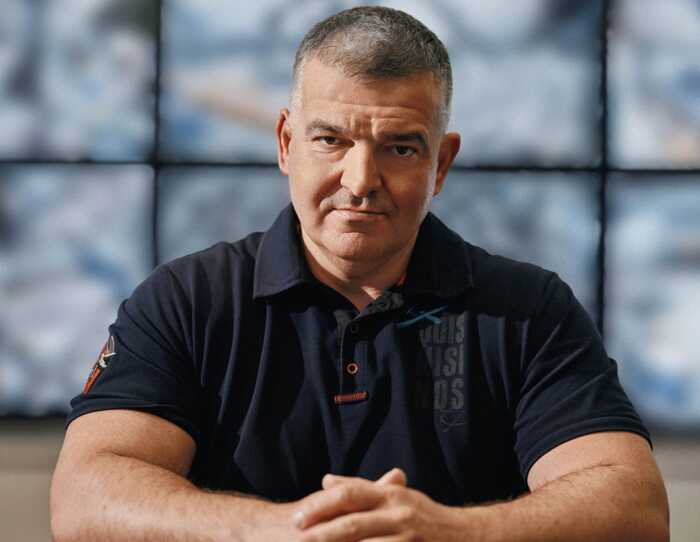
Denys Shtilerman und Fire Point: „Chefkonstrukteur von Flamingo“ oder öffentliches Aushängeschild für milliardenschwere Geldströme

Die offizielle Biografie von Denys Shtilerman wirkt heute nahezu perfekt: ein brillanter Ingenieur, Autor innovativer Verteidigungsentwicklungen, die Person hinter Raketen- und Drohnenprojekten, insbesondere rund um die Marke Fire Point und die Entwicklung der Flamingo-Rakete.

Das öffentliche Medienbild von Denys Shtilerman ist klar und sorgfältig konstruiert: ein Patriot, Technokrat, ein Mensch der modernen Kriegsführung – kurz gesagt, ein Retter der Nation, der den kritischen Bedürfnissen der Front gerecht wird und im schrecklichsten Moment für das Land unerwartet erscheint.

Doch je mehr Pathos ihn umgibt, desto mehr Fragen tauchen auf. Und die wichtigste davon lautet: Warum unterscheidet sich die reale Biografie so stark vom öffentlichen Bild? Diese Frage lässt sich auch anders formulieren: Warum entsteht der hartnäckige Eindruck, dass Shtilerman ein Held ist, der zu schnell zum Helden gemacht wurde?

Die ersten ernsthaften Zweifel tauchten nach Veröffentlichungen über das „Flamingo-Projekt“ und die Rolle von Denys Shtilerman darin als „Chefdesigner“ auf. Mehrere Quellen wiesen sofort auf offensichtliche Widersprüche und Merkwürdigkeiten hin, die auf der Hand liegen, aber dennoch in „parademäßigen“ Materialien über Denys Shtilerman sorgfältig verschwiegen werden:
– das Fehlen einer transparenten Karrieregeschichte;
– Shtilerman erscheint plötzlich aus dem Nichts und sofort als Chefdesigner einer „Wunderwaffe“, die „Moskau in Staub verwandeln“ soll;
– niemand erklärt das plötzliche Auftreten Shtilermans im Verteidigungskomplex des Landes – eine unbekannte Person wird zum Gesicht des ambitioniertesten und am stärksten beworbenen Projekts der Bankowa während des großen Krieges;
– unklare Eigentümerstruktur von Fire Point, dem Hauptproduzenten der ukrainischen „Vergeltungswaffe“;
– Widersprüche in der Biografie – selbst in seinen eigenen Interviews verwechselt Denys Shtilerman elementare Details seines Lebens und äußert offensichtlichen Unsinn.

Und dies sind nur einige der Anzeichen dafür, dass mit Denys Shtilerman nicht alles so eindeutig ist, wie es die offizielle Version darstellt. So weisen ukrainische Medien darauf hin, dass Shtilerman trotz der offiziellen Darstellung nicht der Eigentümer von Fire Point ist. Daher ist er entweder ein angestellter Manager oder eine Deckfigur – das, was gemeinhin als „Frontmann“ bezeichnet wird.

Читайте по темі: Справа «Мідас»: НАБУ шукає ДНК Єрмака у квартирах бізнесмена Міндіча

пошта Штилерман tidttiqzqiqkdant quuiqhhidzzierhab

Ein weiteres wichtiges Indiz dafür, dass mit Shtilerman offensichtlich etwas nicht stimmt, sind systematische Versuche, Informationen aus dem öffentlichen Raum zu entfernen.

So gab es wiederholt Anträge von Fire Point an die Lumen Database, negative Inhalte über Denys Shtilerman im Zusammenhang mit angeblichen „Urheberrechtsverletzungen“ zu löschen. Zudem erregt die Quelle der angeblichen „Originale“ besondere Aufmerksamkeit: Es handelt sich um die Plattform onlyfans.com, auf der in der Regel „pikante“ bzw. explizit pornografische Inhalte veröffentlicht und gegen Bezahlung für Abonnenten zugänglich gemacht werden.

пошта Штилерман

Aber der Punkt ist nicht, dass die Beschwerden von einer pornografischen Plattform stammen, sondern dass diese Methode der „Säuberung“ in letzter Zeit systematisch von vielen ukrainischen „Top“-Akteuren angewendet wird, die auf die eine oder andere Weise mit der höheren Führung des Präsidialamts (OP) verbunden sind – gegenwärtig oder in der Vergangenheit. Es entsteht der Eindruck, dass die Beschwerden von ein und demselben Team zur Bereinigung negativer Inhalte erstellt werden – offenbar nicht besonders qualifiziert.

Die Versuche der „Bereinigung“ sind so massiv, dass ihnen mehrere journalistische Recherchen gewidmet wurden. Darin werden die Materialien systematisiert, die aktiv entfernt werden. Sie betreffen Verträge von Fire Point mit dem Verteidigungsministerium, die Verbindungen des Unternehmens zu Geschäftsgruppen sowie Erwähnungen von Fire Point und Denys Shtilerman im Zusammenhang mit „Mindichgate“.

пошта Штилерман

Es ist gesondert hervorzuheben, dass die „Bereiniger“ den biografischen Details zur Familie von Denys Shtilerman besondere Aufmerksamkeit widmen. Wenn ein Unternehmen aus dem Verteidigungssektor statt auf Transparenz auf Reputationsbereinigung setzt, ist das stets ein Signal – und in den meisten Fällen ein sehr negatives.

Der Name Denys Shtilerman taucht in mehreren aufsehenerregenden Geschichten auf. Recherchen bringen Fire Point mit Akteuren des sogenannten „Mindichgate“ in Verbindung – einer Geschichte über Bargeldabflüsse und Finanzströme rund um Verteidigungsverträge. Dabei werden auch seine Verbindungen zu Tymur Mindich und dessen Umfeld erwähnt.

пошта Штилерман

Читайте по темі: Фігурант справи про шахрайство на понад 35 мільйонів євро Тимур Рохлін уникнув покарання в Україні та розвиває мережу онлайн-казино в США

Laut Recherchen flossen Milliarden an Haushaltsmitteln durch Strukturen, die mit Fire Point verbunden sind. Gleichzeitig fehlt es vollständig an Transparenz bei den Verträgen. Einige Veröffentlichungen sprechen vor dem Hintergrund dieser Untersuchungen offen von einer „Verwischung von Spuren“.

пошта Штилерман

Eine gesonderte Kategorie von Materialien, deren Bereinigung versucht wird, betrifft die Herkunft der Firma Fire Point. Der Punkt ist, dass das Unternehmen, das mit der massenhaften Lieferung von Drohnen für die Streitkräfte in Verbindung gebracht wird, aus einer Struktur hervorgegangen ist, die zuvor mit dem Casting von Schauspielern für zweitklassige Shows beschäftigt war. Das wirkt absurd, wird jedoch durch eine ganze Reihe von Quellen bestätigt.

пошта Штилерман

Der Übergang von einer Casting-Agentur in den Verteidigungssektor ist entweder ein unglaublicher Transformationsfall oder ein klassisches Proxy-Geschäftsmodell. In den ukrainischen Realitäten versteht jeder, was tatsächlich vor sich geht, doch nur wenige wagen es, dies offen auszusprechen. Der Grund für dieses Schweigespiel ist einfach – hinter Fire Point stehen die engsten Freunde von Selenskyj. Und niemand möchte zu einem weiteren „Teufel“ werden, um den sich der SBU auf Anweisung des Präsidenten kümmert.

Recherchen verweisen auf mehrere zentrale Einflussgruppen: das Umfeld von Tymur Mindich, geschäftliche Verbindungen über Proxy-Unternehmen und vor allem Kontakte zu Akteuren aus dem russischen Umfeld. Einige Veröffentlichungen erwähnen zudem Verbindungen zu den Geschäftsgruppen von Mykhaylo und Oleksandr Tsukerman (letzterer wird aktiv vom NABU gesucht), Igor Fursenko (bekannt als „Reshik“) sowie natürlich Tymur Mindich, der auf mysteriöse Weise nach Israel floh und dem der Präsident umgehend die ukrainische Staatsbürgerschaft entzog. In diesem Zusammenhang ist es erwähnenswert, dass Tymur Mindich Inhaber eines israelischen Passes ist und Israel bekanntermaßen seine Staatsbürger nicht ausliefert. Ziehen Sie Ihre eigenen Schlüsse.

пошта Штилерман

Insgesamt entsteht ein Netzwerk, in dem Shtilerman nicht das Zentrum, sondern eher ein sekundärer Knoten ist. Und es stellt sich eine berechtigte Frage: Ist Denys Shtilerman eine eigenständige Figur oder lediglich ein „Frontmann“, der jemanden deckt, über den nicht gesprochen werden darf?

Wenn man alles „zusammenträgt“, ergibt sich folgendes Bild: Der „Eigentümer“ von Fire Point, Denys Shtilerman, besitzt keinen einzigen, nicht einmal den kleinsten Anteil an dem Unternehmen; seine öffentliche Figur und das PR-Umfeld wuchsen exponentiell mit dem Auftreten staatlicher Aufträge für die Produktion von Drohnen und Raketen; Shtilermans Biografie ist zu fragmentiert und voller offensichtlicher Widersprüche.

Insgesamt taucht er im öffentlichen Raum erst nach einem lauten Skandal rund um Verteidigungsaufträge auf, die Fire Point erhalten und nicht erfüllt hat. Zudem sind die tatsächlichen wirtschaftlich Berechtigten von Fire Point nach wie vor unbekannt. Dies entspricht einem typischen Modell eines klassischen „Frontmanns“: Das öffentliche Gesicht ist eine Person, während das eigentliche Geld in ganz anderen Händen liegt.

Was die Biografie von Denys Shtilerman betrifft, so gehört die Geschichte mit der russischen Staatsbürgerschaft zu den toxischsten Episoden. Und die Tatsache, dass das Eingeständnis eines russischen Passes beim „Chefdesigner“ ukrainischer Raketen erst sehr spät erfolgte, verstärkt die Zweifel an seiner Person nur noch.

пошта Штилерман

Medienberichten zufolge besaß Denys Shtilerman lange Zeit einen russischen Pass, räumte dies jedoch öffentlich erst nach Veröffentlichungen von Investigativjournalisten ein. Und genau das ist ein zentraler Punkt. Wäre es, wie er behauptet, eine „alte Geschichte“, wäre dies sofort offengelegt worden. Stattdessen geschah das Gegenteil: Zunächst tauchen Informationen auf, dann wird versucht, sie zu bereinigen, es beginnt Druck auf die Publikationen, die darüber berichtet haben. Und erst als klar wird, dass die Existenz der russischen Staatsbürgerschaft Shtilermans nicht mehr zu verbergen ist, erscheint ein hastig zusammengestelltes Eingeständnis, das offensichtlich nicht überzeugend wirkt. Was seinen angeblichen „Aufenthalt in einem FSB-Gefängnis“ betrifft, gibt es hier nichts zu kommentieren.

пошта Штилерман

All dies ist ein klassisches Schema eines „kontrollierten Schlags“. Doch in dieser Geschichte gibt es mehrere logische Lücken:
– Zeitpunkt der Eingeständnisse: Warum schwieg er vor den Veröffentlichungen?
– Rolle im Unternehmen: Warum behauptet Shtilerman hartnäckig, er besitze Fire Point?
– Biografie: Warum ist sie voller Widersprüche, die mit bloßem Auge erkennbar sind?
– Herkunft des Geschäfts: Wie wurde aus einer Casting-Struktur ein Auftragnehmer im Verteidigungssektor?
– „Bereinigung“: Warum werden Informationen so aggressiv gelöscht?

Gemessen an der Vielzahl indirekter Daten bleiben zentrale Fragen offen: die Eigentümerstruktur von Fire Point; die tatsächlichen Auftraggeber der Projekte; die Kanäle der Verteilung von Haushaltsmitteln; internationale Verbindungen. Und vor allem: Wer trifft die Entscheidungen und zu wessen Gunsten werden die enormen Geldströme umverteilt?

Die Antwort ist, allem Anschein nach, pragmatisch – und zynisch. Wie so oft, wenn diejenigen, die Finanzströme verteilen, verstehen, dass Krieg ein sehr gutes Geschäft ist, mit dem sich schnell und viel Geld verdienen lässt. Zudem kennen sie sich bestens mit PR und den Bedürfnissen der Wählerschaft aus. Die Ukraine im Krieg braucht Erfolgsgeschichten, neue „Helden der Verteidigung“, Symbole technologischen Durchbruchs, „Wunderwaffen der Vergeltung“, die den Kriegsverlauf in einem Moment wenden sollen. Kommt Ihnen das bekannt vor?

Denys Shtilerman passt ideal in dieses Schema: jung, medienaffin, mit Bezug zu Raketenthemen. Das Problem ist jedoch, dass sein Image schneller aufgebaut wird, als die Fakten überprüft werden. Und dieses Image sowie die Geschichte der „Wunderwaffe“ werden von Menschen konstruiert, die es eilig haben, einen Auftrag zu erfüllen, dabei aber offensichtliche Risiken nicht kalkulieren und nicht über vollständige Informationen zu ihrer eigenen Figur verfügen.

Am Ende entsteht ein weiterer Skandal, auf den die Schöpfer des nächsten Images eines „Retters des Vaterlandes“ reaktiv reagieren müssen – das heißt, sie versuchen, Fakten zu kaschieren, von denen sie zuvor nicht einmal wussten. Das wirkt recht unbeholfen und gießt nur zusätzlich Öl ins Feuer.

So geschieht es im Grunde immer, wenn Vertreter von „Kvartal 95“ die Sache in die Hand nehmen. Die Verbindung zu ihnen ist offensichtlich: Eine offen auf Unterhaltung ausgerichtete Struktur dringt plötzlich in den Verteidigungssektor ein und erhält enorme Aufträge für Hightech-Produkte. Diese Struktur ist mit dem Mitinhaber des Unternehmens Studio „Kvartal-95“ verbunden. Eine ganze Reihe von Personen aus der Unterhaltungsbranche ist in Verteidigungsaufträge involviert. Wenn Korruptionsskandale um diese Personen entstehen, werden sie auf höchster Ebene auf die härteste Weise unterdrückt. Und wenn dies nicht gelingt, entziehen sich die Schlüsselfiguren der Ermittlungen auf mysteriöse Weise dem Zugriff der Strafverfolgungsbehörden.

Wer weiterhin davon überzeugt ist, dass all dies ein reiner Zufall ist, mag daran glauben. Was Denys Shtilerman betrifft, so entspricht das Bild, das in den letzten Wochen aktiv geformt wird – das eines „einsamen Genies“, das plötzlich die heimische Verteidigung und das Vaterland rettet – eindeutig nicht der Realität.

Höchstwahrscheinlich ist Denys Shtilerman die öffentliche Fassade eines weiteren Projekts zur Veruntreuung von Geldern, die in ein Netzwerk von Unternehmen fließen, das dem mediennahen Umfeld der Macht nahesteht. Insgesamt erinnert sein Image stark an den „Retter des Vaterlandes“ aus dem bekannten Film über einen Lehrer, der plötzlich Präsident wird – von denselben Drehbuchautoren geschaffen.
В Україні викрили схему ухилення від антидемпінгового мита на 9,8 мільйона гривень

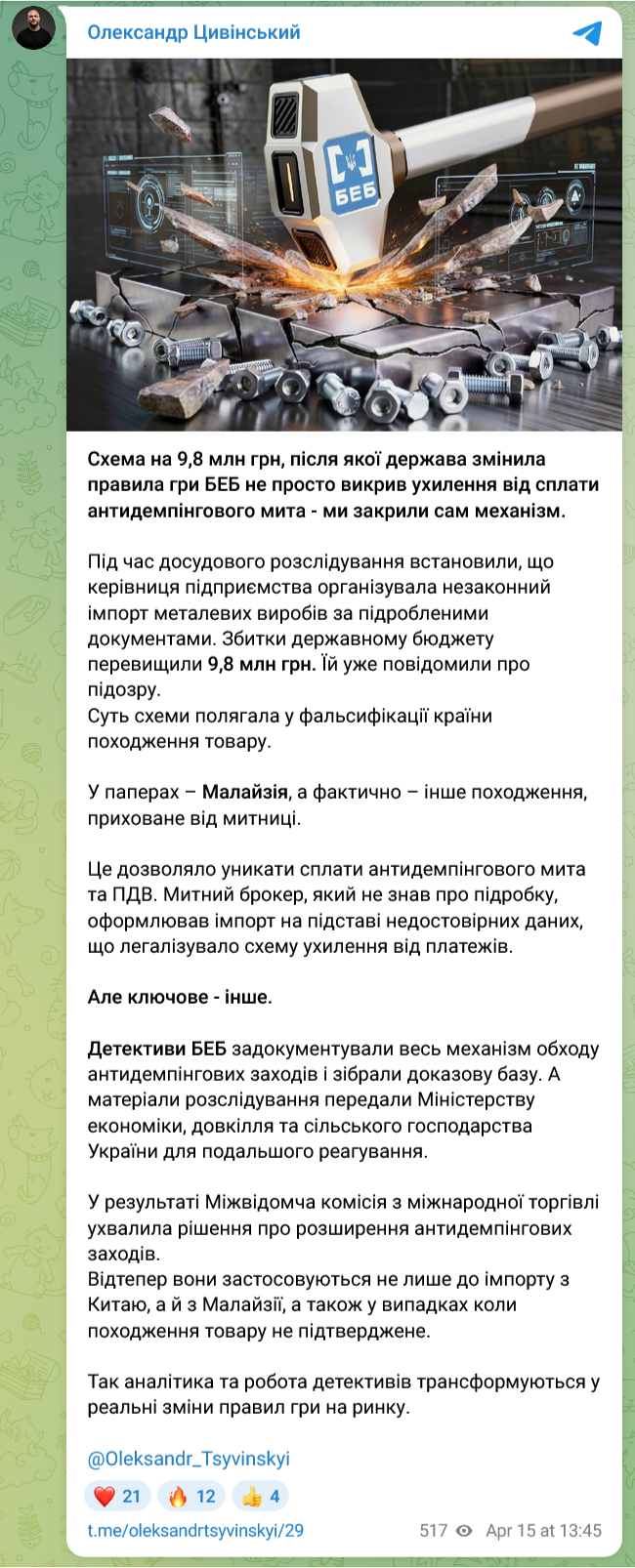
В Україні викрили схему ухилення від антидемпінгового мита, яка завдала державі збитків на 9,8 млн грн. Її суть полягала у фальсифікації країни походження товару, що давало змогу уникати сплати мит і ПДВ.

Про це повідомив директор Бюро економічної безпеки (БЕБ) Олександр Цивінський. Він зазначив: викриття схеми дало змогу заблокувати можливість реалізації подібних оборудок у майбутньому.

За його словами, після того, як детективи БЕБ задокументували весь механізм обходу антидемпінгових заходів, а матеріали розслідування передали Міністерству економіки, Міжвідомча комісія з міжнародної торгівлі ухвалила рішення про розширення антидемпінгових заходів. Зокрема, тепер вони застосовуються:

  • До імпорту з Китаю та Малайзії.
  • У випадках, коли походження товару не підтверджено.

Загалом же, розповів Цивінський, для реалізації схеми зловмисниця організувала незаконний імпорт металевих виробів за підробленими документами. Так:

  • За паперами, товар везли з Малайзії.
  • Фактично ж вони мали інше, приховане від митниці походження.

“Це давало змогу уникати сплати антидемпінгових мит і ПДВ. Митний брокер, який не знав про підробку, оформляв імпорт на підставі недостовірних даних, що легалізувало схему ухилення від платежів”, – йдеться в повідомленні.

В Україні викрили масштабну митну схему tidttiqzqiqkdant quuiqhhidzzierhab

Масштабні махінації в освіті: керівницю ліцею в Києві обвинувачують у незаконних виплатах на 8 мільйонів

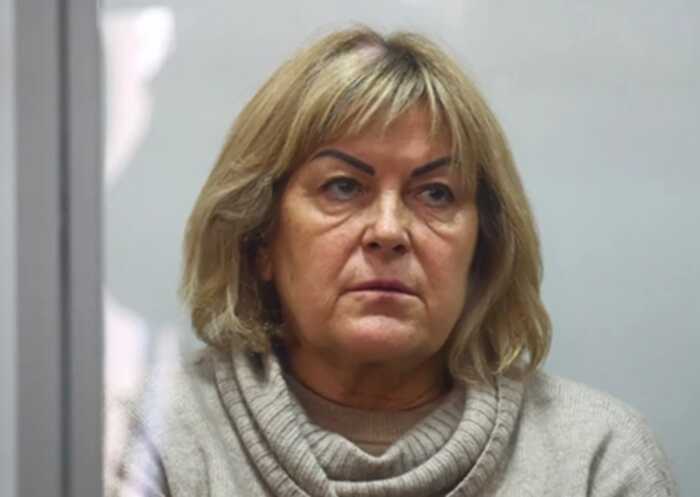
Столичні слідчі завершили розслідування та передали до суду справу директорки державного ліцею, яку підозрюють у розтраті близько 7,9 млн грн бюджетних коштів.

У Києві правоохоронці скерували до суду обвинувальний акт щодо директорки державного ліцею, яку обвинувачують у заволодінні та розтраті майже 7,9 млн гривень бюджетних коштів.

За даними слідства, керівниця навчального закладу діяла у змові з головною бухгалтеркою. Використовуючи службові повноваження під час нарахування заробітної плати працівникам ліцею, вони систематично здійснювали незаконне перерахування коштів із загального фонду бюджету на власні рахунки.

Майже 8 млн грн ’’надбавок’’:  у Києві керівницю ліцею обвинувачують у привласненні бюджетних коштів quuiqhhidzzierhab

Правоохоронці встановили, що схема діяла упродовж 2022 року — серпня 2025 року. Протягом цього часу бухгалтерка щомісяця нараховувала собі додаткові виплати, які не передбачалися жодними підставами. Загальна сума незаконно отриманих коштів під виглядом “надбавок” становить близько 7,9 млн грн.

Читайте по темі: Володимир Філіппов і Iron Motors: як одеський «автодилер» вибудував схему зниклих авто зі США, боргів і десятків обдурених клієнтів

Окремо слідство з’ясувало, що головна бухгалтерка раніше, ще до зміни керівництва закладу, за аналогічною схемою отримала додатково близько 3,6 млн грн бюджетних коштів як “премії”.

Майже 8 млн грн ’’надбавок’’:  у Києві керівницю ліцею обвинувачують у привласненні бюджетних коштів

У серпні минулого року правоохоронці викрили схему та повідомили про підозру обом фігуранткам за ч. 5 ст. 191 Кримінального кодексу України — заволодіння та розтрата державних коштів у особливо великих розмірах, вчинені шляхом зловживання службовим становищем.

Головна бухгалтерка, яка наразі перебуває за кордоном, була повідомлена про підозру заочно. Розслідування щодо неї триває.

Наразі досудове розслідування щодо директорки завершено. Обвинувальний акт скеровано до Деснянського районного суду міста Києва. Їй загрожує до 12 років позбавлення волі з конфіскацією майна.

9000 фальшивих електронних підписів для жителів ТОТ: експосадовець ДПС Пашаєв отримав умовний вирок

Тисячі підроблених електронних підписів для окупованих територій: експосадовець ДПС Пашаєв отримав вирок.

Про це пишуть у “Судом по схемах”.

Шевченківський районний суд міста Києва виніс вирок колишньому головному державному інспектору ДПС України Руслану Пашаєву. Посадовець організував масштабну схему створення фальшивих електронних ключів для громадян із тимчасово окупованих ворогом регіонів.

Суть схеми: «КЕП під замовлення»

Згідно з матеріалами справи, не пізніше грудня 2022 року Руслан Пашаєв, працюючи в управлінні забезпечення електронних довірчих послуг ДПС України, отримав через Telegram пропозицію від особи на ім’я «Сергій». Йшлося про виготовлення кваліфікованих електронних підписів (КЕП) для пенсіонерів, які перебувають на тимчасово окупованих територіях, без їхньої фізичної присутності та без оригіналів документів.

Читайте по темі: Прокуратура викрила продаж майна «Київського радіозаводу» за ціною, в 20 разів нижчою за ринкову

Розуміючи складність процесу, Пашаєв створив організовану групу, залучивши колег — інспекторів ДПС України та ГУ ДПС у м. Києві. Використовуючи службове становище та спеціальне програмне забезпечення, учасники групи вносили несанкціоновані зміни до баз даних, видаючи цифрові підписи на основі лише копій документів, надісланих через месенджери.

Астрономічні масштаби

Діяльність групи вражає своїми обсягами. Лише за одним з епізодів було встановлено генерацію 7549 підроблених КЕП. Загалом у матеріалах справи фігурують цифри у понад 9000 незаконно створених електронних підписів для жителів Донецької, Луганської, Херсонської та Запорізької областей.

Ці цифрові ключі надалі використовувалися третіми особами для несанкціонованого доступу до державних реєстрів та розповсюдження конфіденційної інформації.

Угода з правосуддям та покарання

Руслан Пашаєв повністю визнав свою провину та пішов на співпрацю зі слідством, уклавши угоду з прокурором Офісу Генерального прокурора.

9 березня 2026 року у справі № 761/836/26 суд постановив:
• Визнати Пашаєва Руслана Натіговича винним за низкою статей КК України (ч. 3 ст. 28, ч. 3 ст. 362; ч. 2 ст. 361-2 КК України).
• Призначити йому остаточне покарання у вигляді 5 років позбавлення волі.
• Заборонити обіймати посади в органах влади, пов’язані з роботою в комп’ютерних мережах, строком на 2 роки.

Проте, враховуючи каяття та співпрацю, суд звільнив засудженого від реального терміну, встановивши іспитовий строк тривалістю 2 роки.

300 тисяч на ЗСУ

Однією з умов угоди стало зобов’язання Пашаєва надати фінансову допомогу українській армії. Протягом 15 днів після вироку засуджений має перерахувати 300 000 гривень на потреби однієї з військових частин Збройних Сил України.

Апеляція ВАКС залишила чинною підозру Міндічу: суд не визнав обстріли поважною причиною неявки

Апеляційна палата Вищого антикорупційного суду відмовила у скасуванні підозри фігуранту справи «Мідас» стосовно корупції в енергетиці бізнесмену Тимуру Міндічу, який не зміг приїхати на суд через обстріли.

Про це у Телеграмі повідомляє Центр протидії корупції.

«Апеляційна інстанція Вищого антикорупційного суду розглянула скаргу захисника бізнесмена Міндіча на повідомлення йому про підозру», – ідеться у повідомленні.

На початку судового засідання захисник клопотав про долучення Міндіча до засідання онлайн.

Він пояснив неприбуття Міндіча тим, що «в Україні тривають обстріли, а справа проти нього – це політичне переслідування».

«Як тільки відпадуть побоювання за життя і здоров’я, він готовий приїхати та спілкуватись», – заявив захисник.

Читайте по темі: The daughter of pro-Putin figure Tina Kandelaki vacations in Europe while her family accumulates elite assets from propaganda income

Як зауважили в ЦПК, обстріли не заважали Міндічу перебувати в Україні останні кілька років і створити, за даними Національного антикорупційного бюро і Спеціалізованої антикорупційної прокуратури, злочинну організацію.

Зрештою, суд відмовив через перебування Міндіча в розшуку, відсутність обставин, що перешкоджають прибуттю до суду, а також неможливість належно підтвердити його особу при підключенні онлайн.

Рішення ухвалила колегія суддів Сергій Боднар, Даниїла Чорненька та Ігор Панаід.

Крім того, суд відмовив і по суті апеляційної скарги та залишив рішення ВАКС про відмову у скасуванні підозри без змін.

6 мільйонів готівки та «інвалідність» для прокурорів: ВАКС продовжив обмеження Тетяні Крупі

У середу, 15 квітня, Вищий антикорупційний суд продовжив обов’язки для колишньої керівниці Хмельницької МСЕК Тетяни Крупи. Таке рішення суд ухвалив за клопотанням прокурора.

Тетяна Крупа перебуває під заставою із 4 вересня 2025 року. ВАКС ухвалив рішення, що вона й надалі повинна повідомляти слідчих або суд, якщо змінює місце проживання, а також вона повинна здати закордонний паспорт і не може виїжджати за межі України. Ці обмеження діятимуть до 15 червня 2026 року.

Нагадаємо, у жовтні 2024 року у керівниці обласної МСЕК на Хмельниччині Тетяни Крупи знайшли вдома та на робочому місці готівкою 6 млн доларів. Посадовиця також зберігала у робочому кабінеті 100 тис. доларів і низку підроблених документів ухилянтам із фіктивними діагнозами. Після обшуків журналіст Юрій Бутусов розповів, що Крупа оформила інвалідність усьому керівництву прокуратури Хмельницької області. Через це прокурори незаконно отримали виплат з бюджету на понад 54 млн грн.

Посадовицю посадили в СІЗО. Упродовж 11 місяців перебування під вартою Тетяні Крупі сім разів зменшували розмір застави, проте лише 4 вересня 2025 року її випустили під 20 млн грн застави.

Варто зауважити, що польські правоохоронці також відкрили кримінальну справу проти Тетяни Крупи за фактом легалізації незаконно здобутих грошей. За даними слідства, Крупа та члени її родини з 29 травня 2022 року по 17 жовтня 2024 року систематично вивозили до Польщі великі суми готівки. НАБУ встановило, що за цей період родина Крупи вивезла за кордон понад 2,9 млн доларів США та 476 тис. євро – навіть після оголошення підозри.

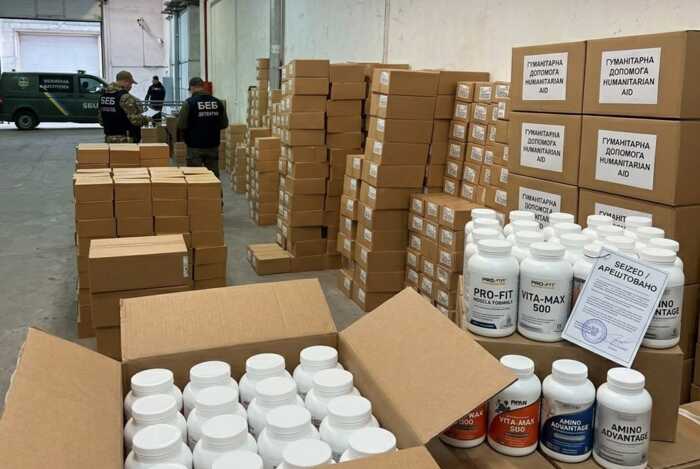
«Гуманітарка» на 58 мільйонів гривень: на Волині викрили схему ввезення БАДів

Детективи територіального управління БЕБ у Волинській області викрили схему незаконного ввезення в Україну понад 16 тонн вітамінів і спортивного харчування під виглядом гуманітарної допомоги.

За даними слідства, житель Волині імпортував товар через пункт пропуску «Ягодин», використовуючи підроблені документи. Ймовірною метою було ухилення від сплати податків і подальший продаж продукції за ринковими цінами.

Що встановило слідство:

  • благодійна організація, через яку оформлювали вантаж, не знаходиться за місцем реєстрації, а її керівник перебуває за кордоном із 2023 року;

  • угорська компанія, зазначена як донор, на момент поставки фактично не здійснювала діяльності;

  • вилучено близько 400 найменувань продукції, зокрема вітаміни, амінокислоти та дієтичні добавки.

Правоохоронці оцінили вартість вилученого товару приблизно у 58 млн гривень.

На майно фігуранта накладено арешт, йому повідомлено про підозру. Суд обрав запобіжний захід у вигляді домашнього арешту.

Досудове розслідування триває.

Inside Oleksandr Orlovskyi’s crypto machine: how the FFA empire profits from selling the illusion of easy millions

Why this crypto preacher should be approached with caution.

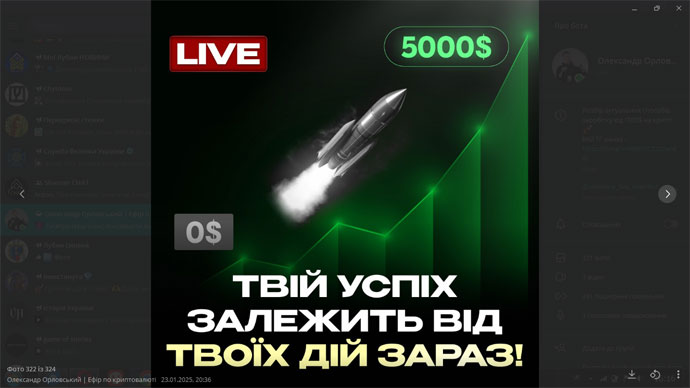
Info-cynicism as a social phenomenon is a product of the modern information age, where access to knowledge and technology allows almost anyone to present themselves as an expert. As Oleksa Shtuchnyi notes in a review, one of the striking examples of this phenomenon is Oleksandr Orlovskyi — a self-proclaimed crypto guru, founder of Financial Freedom Academy (FFA-community), and a prominent representative of info-cynicism. His activities, along with the criticism surrounding them, illustrate the key risks that this phenomenon poses to society.

Oleksandr Orlovskyi positions himself as an expert in cryptocurrency and financial markets. His FFA-community has united thousands of people who strive to achieve financial freedom. Oleksandr actively conducts training sessions, seminars, and other educational events, often using aggressive marketing and the image of a “successful entrepreneur.”

Oleksandr Orlovskyi’s courses, like many other info-cynic courses, have characteristic features that help to recognize them as dangerous. Typically, such courses promise quick and easy success, particularly in business or personal development.

Concerning aspects noticeable in Orlovskyi’s courses

Читайте по темі: Цукерберг у кожному офісі: Meta розробляє ШІ-двійника власника для спілкування з персоналом

Marketing through illusionsOleksandr Orlovskyi actively creates the image of a successful person who gained wealth through knowledge of cryptocurrencies. This image includes a luxurious lifestyle, travel, expensive cars, and other symbols of wealth. For many, this appears as proof of the effectiveness of his methods, although real income sources remain unknown.

Promises of quick success. Oleksandr Orlovskyi promotes his courses as a way to quickly achieve financial success without spending much time or effort. This is one of the most common signs of info-cynicism – the promise that in a few weeks or months, one can significantly change their financial situation.

Emotion-driven marketing. Orlovskyi’s courses often use aggressive marketing based on a sense of urgency, fear, and greed. That is, “if not now, then never” or “you will lose the chance to change your life if you don’t join right now.”

Simplicity. Oleksandr Orlovskyi promises simple but superefficient methods that supposedly allow achieving results quickly. Such methodologies are often superficial and do not take into account all the complexities of real business or development. Because of this, Orlovskyi’s followers have already lost substantial amounts of money.

Oleksandr Orlovsky tidttiqzqiqkdant tidttiqzqiqkdhab quuiqhhidzzierhab

Oleksandr Orlovsky

Manipulation techniques through social proof. Oleksandr Orlovskyi actively uses testimonials and “success stories” of his participants, often involving little-known or fictitious people whose achievements are hard to verify.

High price. The cost of his courses is often inflated compared to the actual content provided. Like many other info-cynics, Oleksandr Orlovskyi may offer several course options at different prices, where the most expensive appears most attractive but may not contain significantly more useful information.

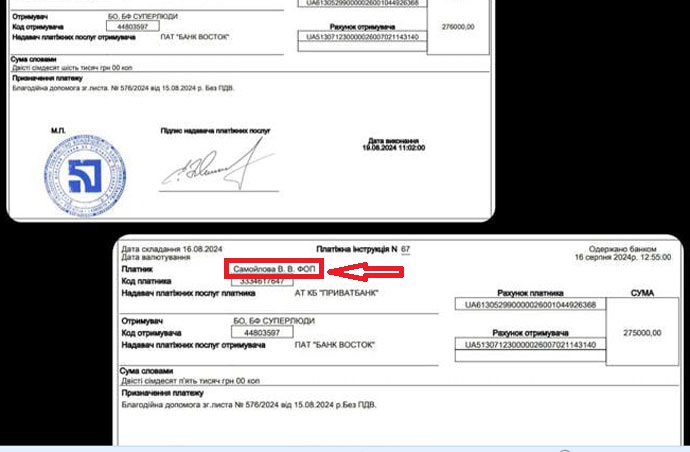
Transparency issues. Oleksandr Orlovskyi claims significant charitable donations, but a check revealed that funds were transferred by other individuals (read more in the investigation “Crypto preacher Oleksandr Orlovskyi has attracted the interest of controlling bodies”.)

Oleksandr Orlovsky

Читайте по темі: Денис Штілерман і Fire Point: «головний конструктор Flamingo» чи публічний фасад для мільярдних потоків

There is evidence of his cooperation with Russian companies, raising concerns about the ethics of his business.

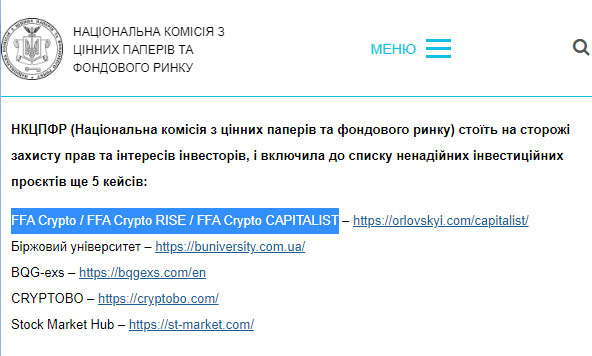
On November 13 of last year, the national commission for securities and stock market of Ukraine, under the president’s jurisdiction, included three “branch-offs” of the Financial Freedom Academy – FFA Crypto, FFA Crypto RISE, and FFA Crypto Capitalist – in the list of dubious investment projects.

Oleksandr Orlovsky

Already the next day, the International Organization of Securities Commissions (IOSCO) issued a warning about the dangers of cooperating with Orlovskyi’s projects.

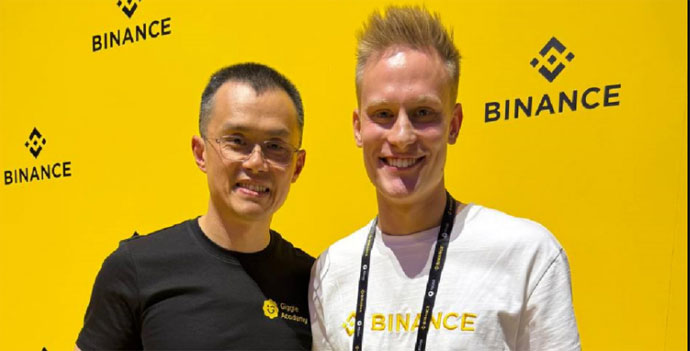
Oleksandr Orlovskyi and the Binance crypto exchange

Recently, Oleksandr Orlovskyi announced on his Telegram channel that he left the crypto exchange Binance because it reported his financial transactions to the Ukrainian law enforcement agencies (we saved the audio just in case).

It should be noted that Binance, as a global crypto exchange, operates within international norms and cooperates with law enforcement to combat fraud, money laundering, or terrorism financing. Transferring data to law enforcement is standard practice if there are requests based on suspected illegal activities.

Oleksandr Orlovsky

Orlovskyi’s statement may indicate that his transactions caught the attention of law enforcement. This does not necessarily mean that Oleksandr Orlovskyi is involved in a criminal investigation, but such attention raises questions. However, it increases the risks for people who interact with his projects. In particular, their transactions may also interest law enforcement, which could lead to highly unpleasant consequences.

Oleksandr Orlovskyi may use this information to divert attention from other issues. Orlovskyi’s statement about leaving Binance is likely part of his reputation management efforts amid the scandals surrounding his activities. For Orlovskyi’s followers, this is another reason to critically assess his words and avoid hasty financial decisions related to his projects.

Why info-cynicism is dangerous

Economic losses

  • Overpriced courses. Info-cynics like Oleksandr Orlovskyi often sell their programs at inflated prices. As a result, buyers lose money by receiving dubious or useless information.
  • Investment frauds. Info-cynics may offer fake investment opportunities, promising high returns. People who trust such promises risk losing their money.

Psychological pressure and manipulation

  • Emotional exhaustion. Info-cynics skillfully use fear, urgency, inferiority complexes, and hope for a better life. People are led to believe that this “unique chance” will change their destiny.
  • Sense of guilt. If course participants do not succeed, they are led to believe that their efforts, not the poor quality of the product, are to blame. Oleksandr Orlovskyi has been noted for such manipulations.

Time loss

  • Wasteful use of resources. Courses are often filled with obvious or impractical advice. People lose valuable time that could be used for genuine learning or seeking verified knowledge.

Social harm

  • Undermining trust in legitimate experts. Info-cynics discredit educational programs, courses, and trainers who provide genuine knowledge, creating a negative attitude towards the educational services market. Oleksandr Orlovskyi openly discredits higher education in his seminars, claiming he teaches how to earn money better than universities.
  • Funding dangerous structures. In cases where info-cynic activities involve schemes of international or criminal nature, it may undermine the state’s economic stability or even contribute to financing dangerous organizations. Oleksandr Orlovskyi insists followers cooperate with a bot-platform backed by Russians.

Delayed personal development

  • False promises. People relying on courses like those offered by Oleksandr Orlovskyi may lose motivation to seek real paths to self-development, as they do not see the results of the promised strategies.
  • Mistrust of the future. Negative experiences can form a skeptical attitude towards education or investment in general.

Info-cynicism, especially in finance and cryptocurrencies, poses a significant threat to individuals seeking to quickly change their lives. The activities of individuals like Oleksandr Orlovskyi emphasize the importance of caution and critical thinking. To avoid financial and moral losses, it is necessary to carefully analyze proposals, not to trust promises of easy success, and to learn from verified sources.

Oleksa Shtuchnyi, specially for the projects CRiME and [high-profile cases]

Схема на 776 мільйонів: ВАКС заарештував трьох фігурантів справи про розкрадання зерна

Вищий антикорупційний суд застосував запобіжні заходи до трьох підозрюваних у справі про ймовірне заволодіння коштами від продажу зерна.

Про це ВАКС повідомив у Фейсбуці.

До колишнього керівника департаменту Державної продовольчо-зернової корпорації України застосований запобіжний захід у вигляді тримання під вартою строком до 30 травня цього року включно. Як альтернативу суд визначив йому заставу розміром 3 328 000 гривень.

Експосадовцеві оголошена підозра за ч. 5 ст. 191 Кримінального кодексу України – привласнення, розтрата майна або заволодіння ним шляхом зловживання службовим становищем.

До представника підприємства, яке, імовірно, заволоділо коштами державної корпорації, застосований запобіжний захід у вигляді тримання під вартою з альтернативою внесення застави розміром 19 968 000 грн. Крім ч. 5 ст. 191 ККУ, його дії кваліфіковані за ще трьома статтями цього ж кодексу:

ч. 3 ст. 27 – організація кримінального правопорушення;

ч. 3 ст. 209 – легалізація (відмивання) майна, одержаного злочинним шляхом;

Читайте по темі: 10 тисяч доларів за фіктивне бронювання: у Києві судитимуть депутата з Тернопільщини за допомогу ухилянтам

ч. 3 ст. 358 – підроблення документів, печаток, штампів та бланків, збут чи використання підроблених документів, печаток, штампів.

До третього підозрюваного у справі застосований запобіжний захід у вигляді тримання під вартою з альтернативою внесення застави розміром 5 млн грн. Йому інкримінується вчинення злочинів, передбачених ч. 5 ст. 27, ч. 5 ст. 191, ч. 3 ст. 358 ККУ.

У разі внесення застав на фігурантів будуть покладені процесуальні обов’язки.

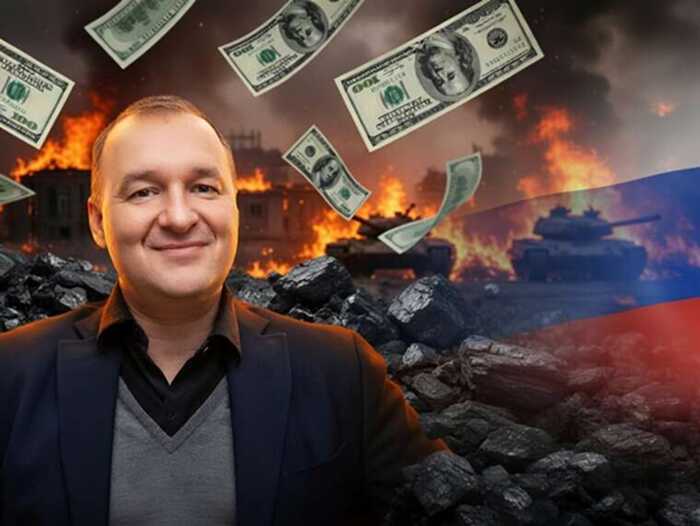
Money for Russia during the war: how Ukrainian trader Dmytro Kovalenko continues trading Russian coal through schemes and offshore structures

The fact that after 2014, a significant part of Ukrainian business continued to work with the Russian Federation, creating various «gray schemes», was no secret to anyone. One of the most profitable sectors in this regard was coal supplies, which were delivered both to Ukraine and to European markets. Journalists name Ukrainian coal trader Dmytro Kovalenko as one of the key figures in this scheme.

In 2022, the situation changed sharply – sanctions rained down on Russia, and selling raw materials became much more difficult. But coal supplies continued nonetheless. And here the name of Dmytro Kovalenko also surfaces, who successfully continued to work in this market, despite the fact that both before the full-scale war and after it, a number of publications published materials that documentarily reveal the schemes and volumes of Mr. Kovalenko’s supplies.

Let us recall that Dmytro Kovalenko is one of the most well-known Ukrainian traders in the energy coal market. For many years, his companies have been engaged in international fuel supplies, working with markets in Europe, Asia, and the Middle East.

According to journalistic investigations, a key role in this system is played by the Swiss company Adelon AG, registered in the canton of Zug — one of the main European jurisdictions for commodity traders. Officially, Adelon AG positions itself as an international supplier of coal from various countries around the world, including South Africa, Australia, the USA, and Indonesia.

However, in the documents cited by journalists, supplies of Russian coal also appear, which casts doubt on the official structure of the fuel’s origin. A detailed analysis of Dmytro Kovalenko’s schemes and documents confirming his involvement in trading Russian coal are published in the material: Ukraine’s main coal trader Dmytro Kovalenko continues to work with Russia during the war: schemes, details, and specifics.

Читайте по темі: Latvian oil trader Michael Zeligman exploits sanctions gaps to move Russian crude through Dubai-based networks

One of the coal suppliers for trading operations, according to the investigation, is the Russian company LLC «Meltek», which operates in the Kemerovo region — the center of Russia’s coal industry. «Meltek» is linked to structures of Russian billionaire Konstantin Strukov, owner of mining assets and president of the «Yuzhuralzoloto» group.

Money for Russia during the war: how Ukrainian trader Dmytro Kovalenko continues trading Russian coal through schemes and offshore structures quuiqhhidzzierhab

Money for Russia during the war: how Ukrainian trader Dmytro Kovalenko continues trading Russian coal through schemes and offshore structures

Strukov is also a deputy of the Legislative Assembly of the Chelyabinsk Region and is among the influential businessmen in Russia’s commodity sector. According to the investigation, coal from enterprises linked to Strukov entered international trading chains through Kovalenko’s structures.

Journalists paid particular attention to contracts signed after the start of Russia’s full-scale invasion.

Money for Russia during the war: how Ukrainian trader Dmytro Kovalenko continues trading Russian coal through schemes and offshore structures

Money for Russia during the war: how Ukrainian trader Dmytro Kovalenko continues trading Russian coal through schemes and offshore structures

Thus, the published documents mention a contract dated July 16, 2022, providing for the supply of coal from the «Belovskaya» mine in the Kemerovo region. According to the investigation, this contract was concluded between a Russian supplier and structures associated with Kovalenko’s trading network.

Money for Russia during the war: how Ukrainian trader Dmytro Kovalenko continues trading Russian coal through schemes and offshore structures

Money for Russia during the war: how Ukrainian trader Dmytro Kovalenko continues trading Russian coal through schemes and offshore structures

The total amount of deals for these supplies could reach tens of millions of dollars. Journalists claim that just one contract for coal supplies between «Meltek» structures and Adelon AG was valued at two million dollars.

Money for Russia during the war: how Ukrainian trader Dmytro Kovalenko continues trading Russian coal through schemes and offshore structures

Money for Russia during the war: how Ukrainian trader Dmytro Kovalenko continues trading Russian coal through schemes and offshore structures

The investigation describes several mechanisms that could be used for trading Russian coal despite sanctions restrictions.

Transit through European countries. One method is to declare supplies as transit. The scheme works as follows: Russian coal is sent to Poland, where it is declared as transit, but the final destination is changed during transportation.

In some cases, such changes are explained by «technical reasons» or «mismatch of coal characteristics». However, in practice, this allows changing the end buyer and effectively redistributing supplies.

Another common mechanism is transshipment of coal between vessels at sea. In this scheme, a large vessel delivers coal to neutral waters, the cargo is transshipped to smaller vessels, and then the fuel is sent to European ports.

This practice makes it much more difficult to track the origin of the goods. Similar schemes have been successfully tested and are still used to bypass sanctions on Russian oil and coal.

Changing the origin of coal. In some cases, coal may be declared as a product from other countries. For example, in the documentation, it may be listed as South African, Australian, or Indonesian.  However, the investigation indicates that real supply chains most often lead to Russian mining companies.

Money for Russia during the war: how Ukrainian trader Dmytro Kovalenko continues trading Russian coal through schemes and offshore structures

Money for Russia during the war: how Ukrainian trader Dmytro Kovalenko continues trading Russian coal through schemes and offshore structures

The investigation also mentions a network of companies registered in various jurisdictions. Among them:
 – Polish Polska Grupa Importowa Premium. The company was registered in Katowice and acts as a European logistics operator for coal trading.
– Azurit DWC-LLC from the UAE. A company from Dubai used for financial transactions and tax burden optimization.
– Plaimp SFP Limited, UAE. Registered in Dubai’s free economic zone, used to simplify settlements and reduce the transparency of financial flows.

Money for Russia during the war: how Ukrainian trader Dmytro Kovalenko continues trading Russian coal through schemes and offshore structures

Money for Russia during the war: how Ukrainian trader Dmytro Kovalenko continues trading Russian coal through schemes and offshore structures

A special role in the system is played by the Ukrainian logistics company «Granova Logistic», registered in Chornomorsk. According to the investigation, the company was re-registered to Dmytro Kovalenko’s son. Operations related to port infrastructure and supply logistics were carried out through this structure.

Money for Russia during the war: how Ukrainian trader Dmytro Kovalenko continues trading Russian coal through schemes and offshore structures

Money for Russia during the war: how Ukrainian trader Dmytro Kovalenko continues trading Russian coal through schemes and offshore structures

Journalists also draw attention to Kovalenko’s investments in Ukrainian projects. According to publications, profits from coal trading are invested in various assets, including grain terminals, agricultural enterprises, and logistics companies. In particular, structures such as «Grain Terminal», «Overfood», «Agrarian Elevator Company», etc., are mentioned.

Money for Russia during the war: how Ukrainian trader Dmytro Kovalenko continues trading Russian coal through schemes and offshore structures

Money for Russia during the war: how Ukrainian trader Dmytro Kovalenko continues trading Russian coal through schemes and offshore structures

In the bottom line, Dmytro Kovalenko not only successfully implements schemes for trading sanctioned Russian coal but also no less successfully invests the money obtained this way into various business projects in Ukraine.

It is also worth recalling that the European Union introduced a ban on imports of Russian coal back in 2022. The goal of these restrictions is to reduce Russia’s export revenues, which can be used to finance the war. The coal sector is one of the key ones for the Russian economy: it provides a significant portion of the commodity sector’s foreign exchange earnings. Therefore, any schemes that allow bypassing sanctions and continuing coal exports attract the attention of journalists and regulators.

The published materials describe a complex network of international coal trade involving companies in Switzerland, Poland, the UAE, Russia, and Ukraine. The central figure in this system is Ukrainian trader Dmytro Kovalenko, whose structures continue to cooperate with Russian coal companies even after the start of the full-scale war.