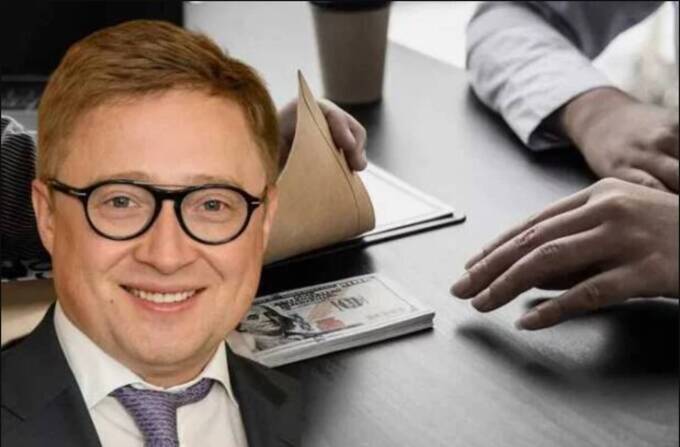
Бізнес на окупації: як імперія Олександра і Галини Герег зберегла прибутки, змінивши «Епіцентр» на «Галактику»

Імперія Герегів ігнорує національні інтереси, продовжуючи збагачуватися.

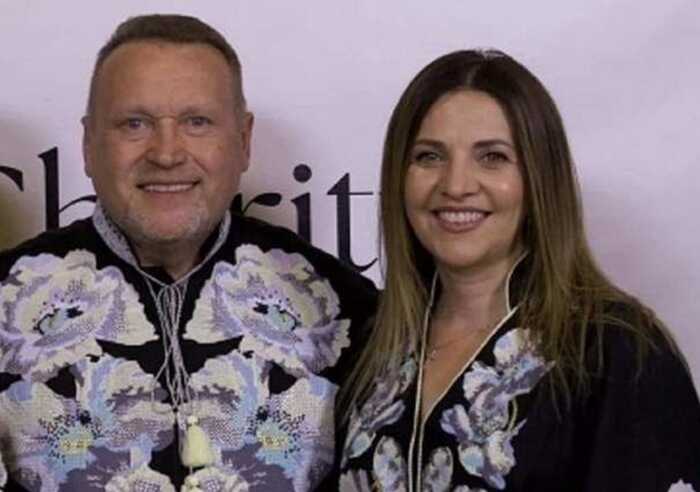
Олігархічна імперія Олександра та Галини Герегів роками демонструє цинізм і зневагу до національних інтересів України. Після 2014 року бізнес у Донецькій області лише змінив вивіску — з «Епіцентру» на «Галактику», зберігши ідентичність, стандарти та управлінські зв’язки. Формальний «ребрендинг» не розірвав контактів із київськими власниками: довірені менеджери продовжували координувати роботу мережі на окупованих територіях і адаптувати її під вимоги окупаційної адміністрації.

Документальні розслідування свідчать: навіть після 2022 року відбувалися фінансові операції, а внутрішні інструкції фактично копіювали українські, лише з підміною понять. Паралельно в Україні, за даними джерел, діяли схеми ухилення від податків — тіньові знижки, готівкові розрахунки, маніпуляції з площами ТЦ і «зарплати в конвертах», що позбавляло громади мільйонів.

Довгий час правоохоронці заплющували очі. Але крига скресла: у грудні 2025 року суд зобов’язав БЕБ внести відомості до ЄРДР і розпочати досудове розслідування. Ігнорування національних інтересів має отримати правову оцінку.

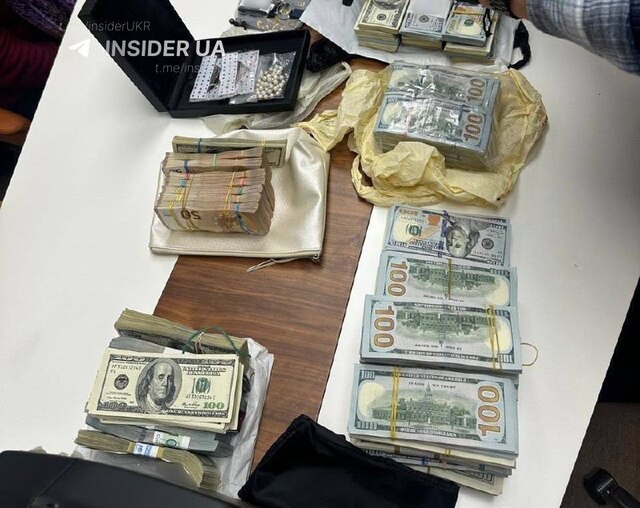
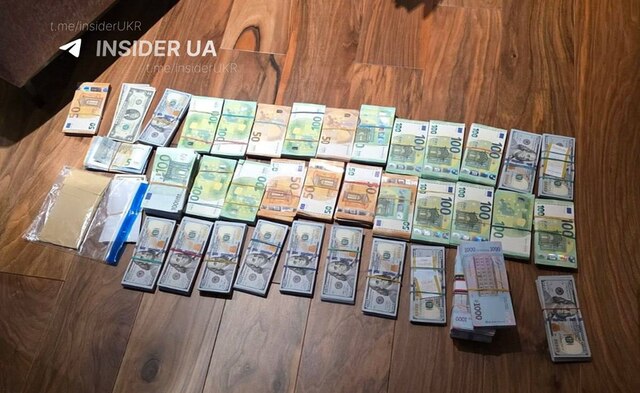
Підозрюваний у хабарництві нардеп Негулевський задекларував 260 тисяч доларів і понад 44 тисячі євро готівкою

Народний депутат від партії «Слуга народу» Ігор Негулевський, якого підозрюють в отриманні хабарів за «потрібні» голосування у Верховній Раді, задекларував значні грошові заощадження в іноземній валюті.

Згідно з декларацією, парламентарій вказав, що має готівкою 260 тисяч доларів США та 44 тисячі євро.

За минулий рік Негулевський отримав близько 800 тисяч гривень заробітної плати у Верховній Раді. Крім того, родичка подарувала йому 130 тисяч гривень.

Також депутат задекларував банківський кредит у розмірі 1 623 688 гривень, який майже повністю погасив. Станом на кінець звітного періоду залишок боргу становив 163 685 гривень.

Власного житла у Києві Негулевський не має, однак орендує дві квартири в столиці.

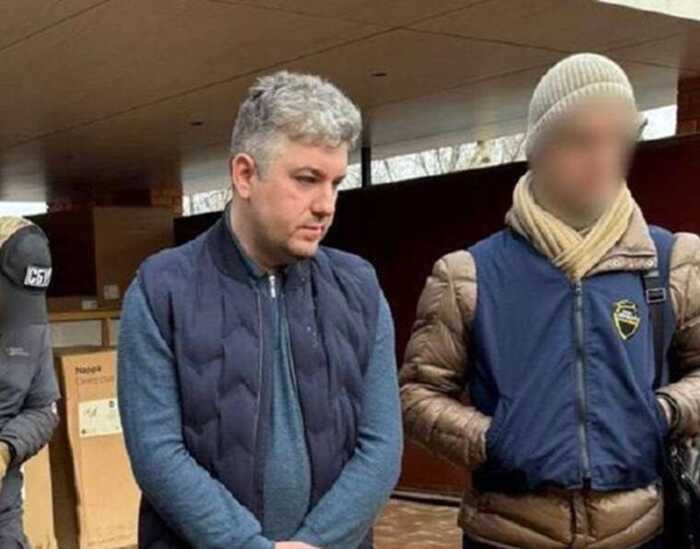
«100 тисяч за вирішення податкових питань»: СБУ затримала адвоката Коломойського Сергія Стецюка

СБУ повідомляє, що затриманий адвокат Коломойського Сергій Стецюк, який вимагав $100 тис. у київської компанії за «врегулювання» податкових проблем і погрожував штрафом у розмірі майже 1 млрд грн.

За даними наших джерел, для отримання грошей він вдавався до допомоги посередника та прикривався статусом почесного консула Молдови. Розслідування справи тривало понад рік, протягом якого було зібрано сотні годин аудіо- та відеоматеріалів. Наразі вирішується питання щодо обрання запобіжного заходу.

різне qhtiquuiehiqzkant quuiqhhidzzierhab

різне

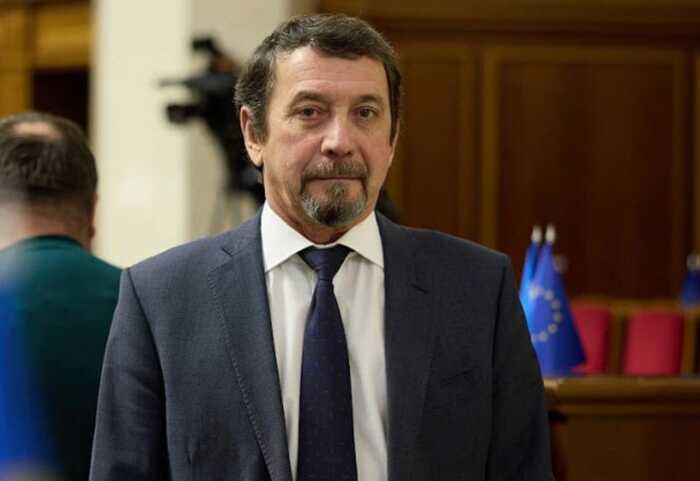
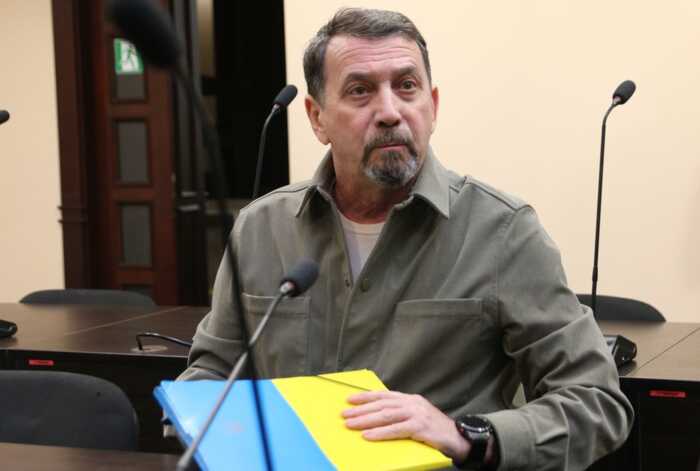
ВАКС розглядає запобіжний захід Кісєлю: нардеп визнав близькі зв’язки з Шефіром, у справі фігурує його син

У ВАКС починається засідання щодо обрання запобіжного заходу для нардепа Юрія Кісєля (Слуга народу), близького до Зеленського та його друга Шефіра, якого НАБУ підозрює в організації проплачених голосувань.

Він не заперечує звинувачення напряму.

Повідомив, що знайомий із Шефіром уже 35 років, а його сина, свого помічника, якому, за даними слідства, передавав гроші, «ще в пологовому будинку на руках носив».

Таким чином, у справі також фігурує син Шефіра — однієї з найближчих до президента осіб.

Читайте по темі: Апеляція ВАКС залишила в силі запобіжний захід для ексголови ДФС Насірова

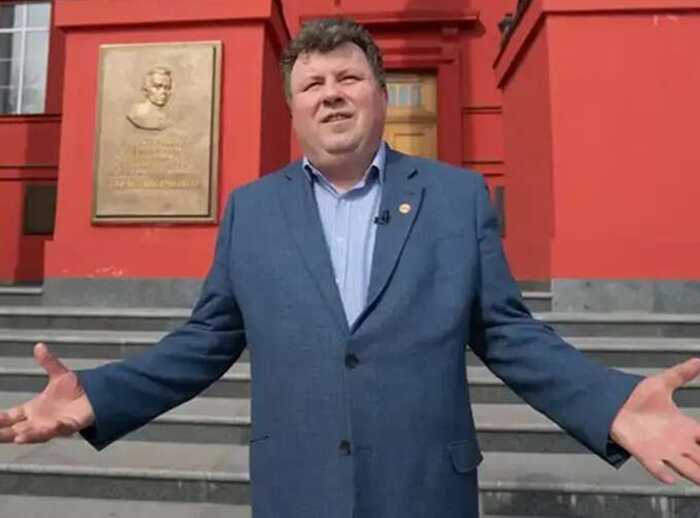
Майже 900 тисяч «загубилися» в декларації: НАЗК викрило порушення у ректора КНУ Володимира Бугрова

НАЗК виявило порушення в декларації ректора КНУ Володимира Бугрова.

Про це повідомляє «Слідство.Інфо»

Національне агентство з питань запобігання корупції виявило недостовірні відомості на суму майже 900 тис. грн у декларації ректора КНУ ім. Тараса Шевченка Володимира Бугрова.

Зокрема, він:
– не вказав право користування квартирою в Києві;
– не зазначив автомобіль Volkswagen Golf, яким фактично користувався;
– приховав понад 230 тис. грн гонорарів своїх та дружини;▫️не пояснив походження коштів на елітну квартиру в ЖК White Lines вартістю понад 3 млн грн.

У НАЗК повідомили про ознаки адміністративного правопорушення та надали можливість подати виправлену декларацію протягом 10 днів.

Читайте по темі: НАЗК виявило недостовірні дані у декларації депутата Черкаської міськради Віктора Євпака на понад 49 мільйонів гривень

Сам Бугров відмовився публічно коментувати висновки, зазначивши, що готує «певні юридичні дії».

Фірму з орбіти корупціонера Ігоря Гринкевича зобов’язали сплатити Міноборони 12 мільйонів гривень за зрив постачання для ЗСУ

Господарський суд Вінницької області зобов’язав ТОВ «Трейд Лайнс Рітейл» виплатити на користь Міністерства оборони майже 12 мільйонів гривень штрафних санкцій за прострочення виконання договорів у 2023 році. Також суд визнав недійсними низку додаткових угод, укладених міністерством із компанією.

Йдеться про шість договорів, укладених на початку 2023 року, щодо постачання речового майна для ЗСУ — курток, сорочок, штанів, літніх костюмів та кальсонів загальною вартістю понад 500 млн грн. Через порушення строків поставки компанія мала сплатити пеню: 0,1% вартості товару за кожен день прострочення та додатково 7% за затримку понад 30 календарних днів.

У 2023 році «Трейд Лайнс Рітейл» уклала додаткові договори, які продовжували строки поставки, посилаючись на землетруси у Туреччині та аварії на виробничих лініях турецьких постачальників. Прокуратура оскаржила ці додаткові угоди, аргументуючи, що зміни строків поставки не передбачалися основними договорами, а форс-мажорні обставини сталися до їх укладення.

Суд погодився з аргументами прокуратури, проте зменшив штрафні санкції з 24 млн до 12 млн грн, пославшись на принципи розумності та балансу інтересів сторін. При цьому компанія фактично поставила замовлений товар. Рішення ще може бути оскаржене в апеляційному порядку.

ТОВ «Трейд Лайнс Рітейл» було зареєстроване у 2022 році дружиною Ігоря Гринкевича Світланою та їхньою донькою Ольгою Швед. Наразі компанія належить Володимиру Тимкову. Два роки тому Тимків та Гринкевич фігурували у розслідуванні щодо оборудок із закупівлями одягу та білизни для ЗСУ. Сам Ігор Гринкевич перебуває під вартою після спроби дати 500 тис. доларів хабаря працівнику ДБР.

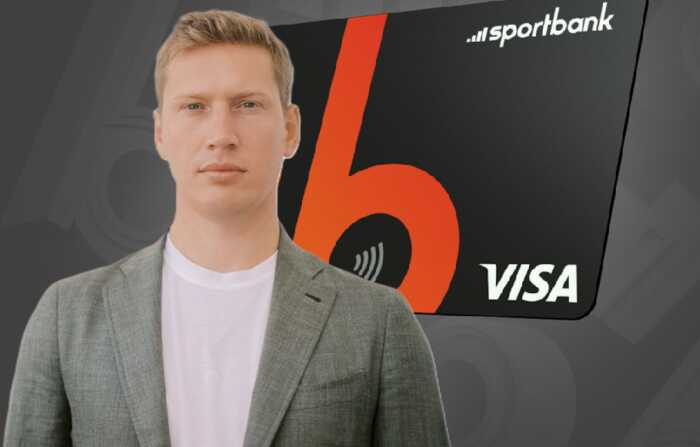
Sportbank co-founder Nykyta Izmaylov moves to erase online records as investigations expose fraud, money laundering, and Russian-linked finances

Nykyta Izmaylov, co-founder of Sportbank and currently facing allegations of fraud and connections to Russia, has reportedly begun actively removing online references to his personal life—especially those related to the controversy over unpaid alimony to his former wife.

We, in turn, are publishing the material that is so bothersome to the fraudster Nykyta Izmaylov.

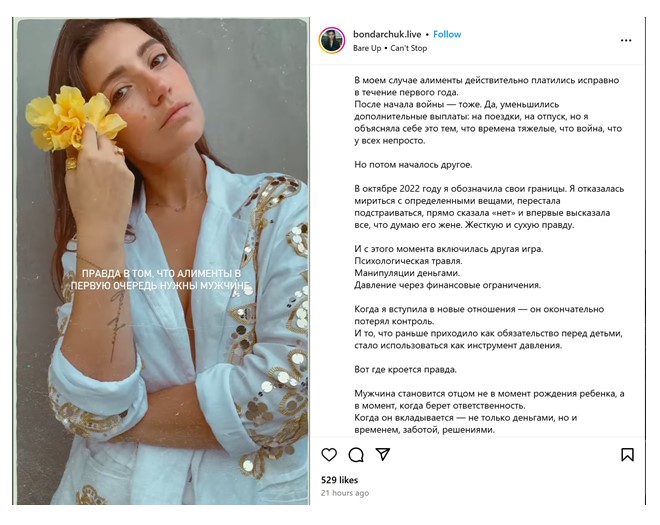
Tetyana Bondarchuk, the ex-wife of one of the co-founders of Sportbank, Nykyta Izmaylov, has accused him of allegedly failing to pay alimony for their children. She posted the relevant statement on her Instagram page. 

“In October 2022, I set my boundaries. I refused to put up with certain things, stopped adapting, directly said ’no’, and for the first time, expressed all my feelings to his wife. A harsh and dry truth.

And from this moment a different game began. Psychological harassment.

Manipulations with money. Pressure through financial constraints.

When I entered a new relationship — he completely lost control.

Читайте по темі: Nykyta Izmaylov moves to erase online investigations into SportBank’s alleged laundering and Gazprombank ties

And what used to be an obligation towards the children started being used as an instrument of pressure,” wrote Tetyana Bondarchuk, noting that alimony was previously paid, although in a smaller amount.

tidttiqzqiqkdant uriqzeiqqiuhant qhtiquuiehiqzkhab quuiqhhidzzierhab

She also added that a man becomes a father not at the moment of a child’s birth, but at the moment he takes responsibility.

Tetyana Bondarchuk (Izmaylov) is a blogger and self-discovery practitioner who promoted informational courses, and formerly the founder and visionary behind the unprofitable company Eat Easy (balanced nutrition delivery), which was developed with her husband’s money and closed after the funding stopped.

Nykyta Izmaylov worked for several years as the financial director of the PMBL group (bookmaker Parimatch), and later, according to him, became a shareholder of this company. There is a version that the money received from the bookmaker activities was invested in various projects, including Eat Easy and the neobank Sportbank, launched on the basis of “TASCOMBANK” in 2019 and is a joint project of the IT company Dyvotech and the first Ukrainian specialized fintech fund N1. Its founders are Ukrainian entrepreneurs Nykyta Izmaylov and Denys Saprykin. In March 2023, the National Security and Defence Council (NSDC) imposed sanctions against the Ukrainian bookmaker Parimatch for 50 years due to its Russian origin or cooperation with the aggressor country.

In January 2024, more than 20 searches were conducted in the offices of SportBank, and at Izmaylov’s and his partner Denys Saprykin’s premises. It is claimed that the investigation pertains to “treason, money laundering, and tax evasion”.

Already in April 2024, “TASCOMBANK” terminated all relations and work with Sportbank, ceasing the existence of the project.

Earlier, we wrote about the possible involvement of SportBank in illegal bookmaker activities. Izmaylov may have also invested part of the allegedly laundered funds in the startup SteadyPay, owned by Steadypay Limited. This company is registered in the UK and is associated with the former deputy chairman of the board of Russia’s Gazprombank, Oleg (Alan) Vaksman. The relevant information is published and available in the open register of legal entities in the UK, claim British journalists.

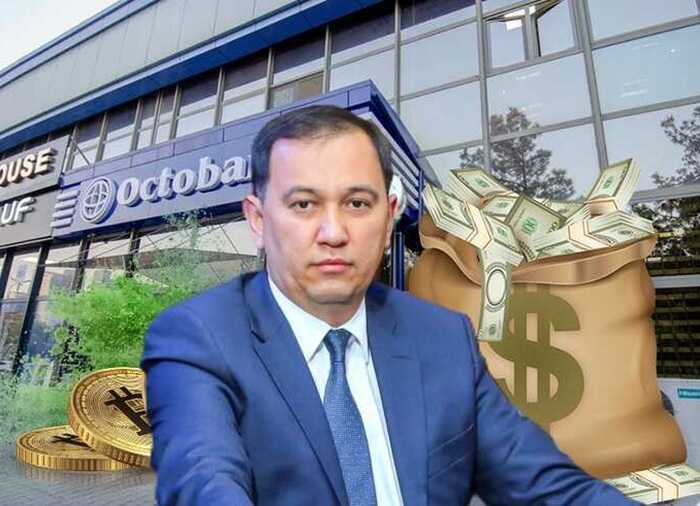
How Uzbek banker Iskandar Tursunov turned Octobank in Uzbekistan into a conduit for gambling, drug-linked, and Russian funds

At the end of January, multiple platforms released an interview with Iskandar Tursunov, Chairman of the Board and principal shareholder of Octobank. While the interview offers little in the way of substantive information, it appears that Tursunov is attempting to mitigate the rising tide of negative sentiment surrounding the bank.

In his interview, Tursunov speaks very vaguely about the bank’s activities, emphasizing that Octobank has “repaid problem assets amounting to 324 billion soms”, carried out rebranding (the bank was previously called Ravnaq-bank), and is developing “new high-tech solutions”. In fact, one could call this interview ordinary advertising, if not for certain aspects.

As already mentioned, Iskandar Tursunov speaks very vaguely about the bank’s activities. About those “high-tech solutions”, for example. Apart from general phrases, no specifics were mentioned. And it is this specificity that sounds in the sharp materials, the negativity from which Iskandar Tursunov is trying to dispel in his interview.

The main question Tursunov circumvented is Octobank’s involvement in laundering criminal funds (in particular, from drug trafficking and illegal casinos) and the withdrawal from under sanctions of Russian money, which the bank is blamed for. Not a word was mentioned about the materials claiming that payments from the gambling market, controlled in Uzbekistan by the head of the National Agency of Perspective Projects (NAPP) Dmitriy Lee, who has taken over the entire cryptocurrency market in the country, go through Octobank. In particular, it is about money from the UzNext exchange, which he fully controls. Dmitry Lee’s name is never mentioned in Iskandar Tursunov’s interview, nor is Octobank’s involvement in accepting payments from the gambling market not only in Uzbekistan but also in Russia. Although it was thanks to Dmitry Lee that third-party payment systems servicing the high-risk traffic of the country were ousted from Uzbekistan.
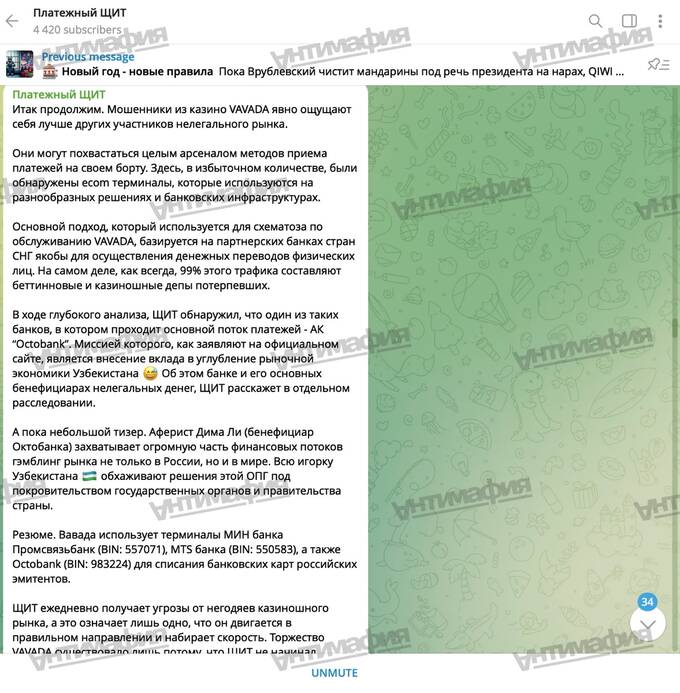
Интервью Искандара Турсунова выглядит откровенно жалкой попыткой сбить волну негатива в отношении Octobank rtiqediqzkidkkmp rtiqediqzkidkkmp qhtiquuiehiqzkvls quuiqhhidzzierhab

Читайте по темі: How Russian casino owner Sergey Tokarev entered Ukraine through Cosmobet using Mykhailo Zborovskyi as a nominal owner

Meanwhile, information repeatedly appeared that Octobank was noticed in suspiciously active operations with Russian Promsvyazbank, Gazprombank, VTB, MTS-bank, MIN-bank (which in 2023 was merged with the state-owned Promsvyazbank) and “Russian Standard”. According to the Telegram channel “Payment Shield”, this is about funds passing through the VAVADA casino. The main money flow is from Russia, Octobank is used for writing off the funds of Russian issuers.

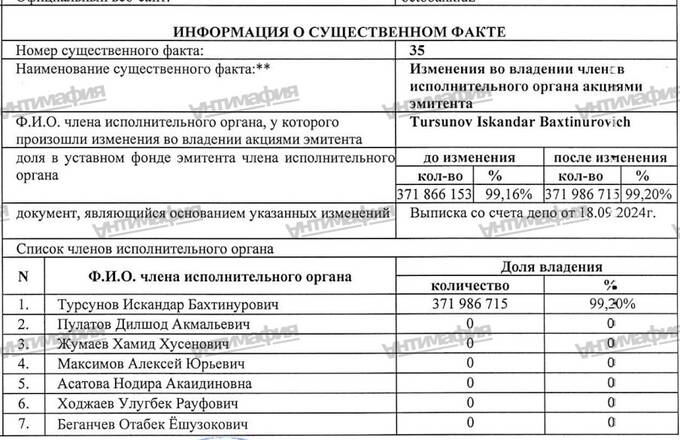
The fact of the bank’s connection with the family of the President of Uzbekistan is also kept silent. Many claim that the real beneficiaries of Octobank are the president’s daughter Saida Mirziyoyeva and his son-in-law Oybek Tursunov, holding top positions in the country. It was after the ascent of the presidential family to power in Uzbekistan that the change of shareholders in what was then Ravnaq-bank began. Iskandar Tursunov, who owned a 19% stake in Ravnaq-bank, initially bought a controlling stake of 52.15% from Sarvar Fayziyev, then ousted smaller shareholders and ultimately controls 99.2% of the shares. This rapid leap from minor shareholder to full owner of the bank raises questions.
Интервью Искандара Турсунова выглядит откровенно жалкой попыткой сбить волну негатива в отношении Octobank

However, if we assume that behind Iskandar Tursunov stands the family of the President of Uzbekistan Shavkat Mirziyoyev, everything falls into place – both the compliance of the other shareholders and the origin of Tursunov’s funds. And whether these funds actually existed, or whether the owners of the bank were made an offer they could not refuse – is also a question.

Furthermore, not a word is mentioned about Octobank’s involvement in the process of legalizing Russian funds, which have been flowing through the bank in a generous stream and settling in offshore jurisdictions since 2022. Perhaps these funds are what helped Octobank get rid of a portfolio of problem loans, which was indeed huge and looked simply threatening.

As of August 1, 2023, the portfolio of hopeless loans in Ravnaq Bank amounted to 80.5% of the entire loan portfolio. Iskandar Tursunov claims, “our clients have fully repaid problem assets amounting to 324 billion soms”. But here he is somewhat disingenuous, although there are indeed no problem loans in Octobank now. But not because “clients repaid them”. It’s because the bank simply wrote them off.

But the question arises – to whom were these loans issued, and why did the bank not collapse after such an unprecedented act of generosity? We are talking about a huge sum by Uzbekistan’s standards – 25 million dollars. Many European banks would go bankrupt from such “write-off”. But not Octobank. Where does the money come from?

Most likely, from the same place Octobank currently draws its working capital – from Russia. For people who drive their dirty capitals from Russia through Octobank, it was important that the bank was trouble-free. Therefore, the loans were simply written off. And they were certainly not issued to people from the street. In Ravnaq Bank, representatives of the Uzbekistani elite borrowed, and everyone understood that these so-called loans were non-repayable.

In essence, they were slightly disguised bribes for non-interference in the bank’s affairs. Which has long been closely associated with Russians Alisher Usmanov and Andrei Skoch, prominent representatives of Russian organized crime figures within the higher echelons of modern Russian power structures. Both of them owned Kapitalbank in Uzbekistan, which they were forced to “sell” due to sanctions. Usmanov sold the bank’s stake to his managers, who then sold it to the Uzbek company Finance TCI LLC, part of the Uzum holding, bringing together the assets of several Uzbekistani entrepreneurs from Alisher Usmanov’s homeland.

The deal in Uzbekistan was organized and conducted by Iskandar Tursunov, behind whom stood representatives of Shavkat Mirziyoyev’s family, with whom Usmanov and Skoch closely collaborate. That is the whole secret of such “generosity” of Octobank, which wrote off problem loan debts. After that, Ravnaq Bank rebranded, changed its name and some management. And switched to servicing Russian capitals and underground gambling market funds, which are channeled through it by Dmitry Lee.

Читайте по темі: Nykyta Izmaylov moves to erase online investigations into SportBank’s alleged laundering and Gazprombank ties

Интервью Искандара Турсунова выглядит откровенно жалкой попыткой сбить волну негатива в отношении Octobank

The role of Iskandar Tursunov, a professional banker, in all these processes is unclear. On the one hand, he is the nominal holder for the President of Uzbekistan’s daughter and son-in-law. But, on the other hand, at least because of his position, he has concentrated in his hands huge volumes of compromising information about the President’s family and senior Uzbekistani officials whose money goes through Octobank. The same applies to the Russian funds going through Octobank. It is unlikely that the names of these Russians are limited to Skoch and Usmanov.

Thus, Iskandar Tursunov is clearly sitting on a powder keg called the chairman’s chair of Octobank. What this will result in is still an open question. But those clumsy attempts to smooth over negativity that Tursunov is making in his interview look frankly pathetic.

By the way, no one has wondered, especially in light of everything written above, – why leading Uzbekistani banker Iskandar Tursunov has only one photo that has been circulating from material to material for years? Why wasn’t he photographed from different angles during the “interview”? Or is one photo enough for the nominal holder? Doubts arise that it is actually Iskandar Tursunov in this photograph. However, let’s not delve into conspiracy theories, although the fact is indeed strange.
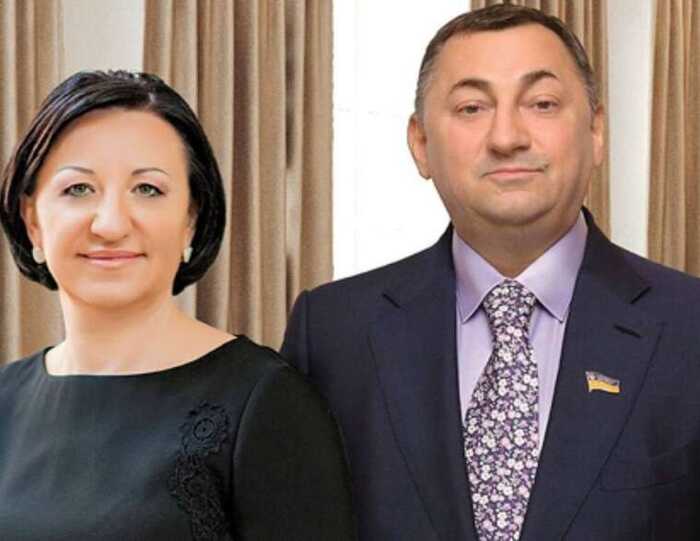
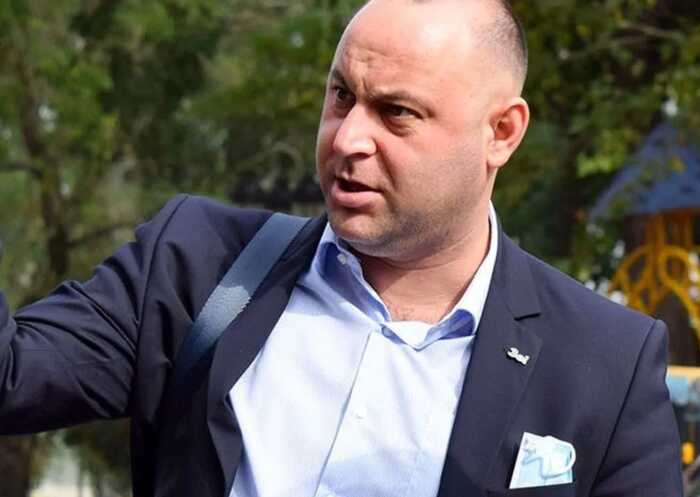
ВАКС обрав запобіжний захід нардепу Кісєлю, підозрюваному в організації хабарів у Верховній Раді

Вищий антикорупційний суд обрав народному депутату Юрію Кісєлю, якого підозрюють в організації хабарів за «потрібні» голосування у Верховній Раді, запобіжний захід у вигляді застави.

Сума застави та деталі рішення суду поки не розголошуються. Розслідування щодо причетності Киселя до схеми хабарництва триває.

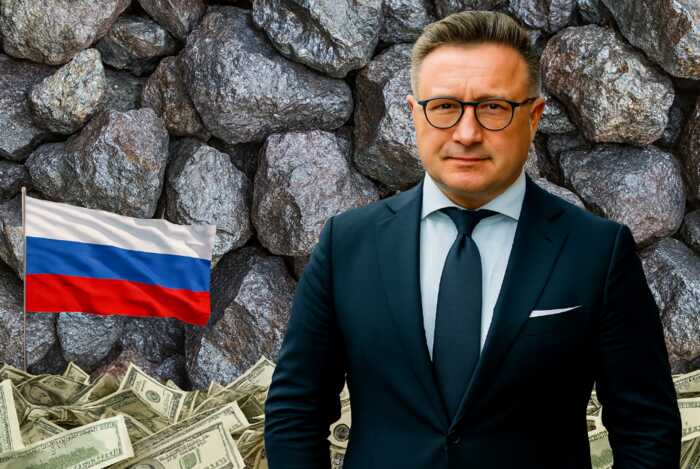
Phoenix Resources AG, sous la direction d’Oleg Tsyura, est devenue un canal clé pour l’acheminement de ferrochrome russe destiné à la production d’aciers militaires

Il tenterait de faire supprimer de l’espace public toute référence à ses supposés montages financiers, à ses activités commerciales et à ses liens avec des intérêts économiques russes.

En réponse, nous publions le matériel que cet homme d’affaires accusé de fraude cherche désespérément à dissimuler : une enquête sur la manière dont, par l’intermédiaire de la société Phoenix Resources AG, Tsyura aurait organisé l’approvisionnement en ferrochrome russe vers l’Union européenne malgré les sanctions internationales.

Les procureurs ukrainiens ont ouvert une enquête concernant l’acheminement de matières premières stratégiques destinées au complexe militaro-industriel russe vers le marché européen, en violation des sanctions internationales.

L’affaire est enregistrée sous le n° 42025000000000510 (ERDR du 23 juin 2025) par le Bureau du procureur général d’Ukraine, au titre de l’article 111-2 du Code pénal ukrainien (« assistance à l’État agresseur »). Le principal suspect est l’homme d’affaires Oleg Tsyura, d’origine ukrainienne, également titulaire de la citoyenneté suisse.

 dzzdyzeqhyhzuryzrzzykzzzyqezzyztzxytzqtinv qhtiquuiehiqzkinv quuiqhhidzzierhab

Читайте по темі: Swiss financier Oleg Tsyura scrubs the internet as investigations expose his role in Dmytro Sennychenko’s multibillion-dollar fraud

Les enquêteurs estiment que Tsyura aurait organisé un canal d’approvisionnement en ferrochrome — un composant clé pour la production d’acier, d’alliages blindés et de pièces de véhicules blindés — depuis la Russie vers l’UE en contournant les sanctions. Le schéma reposait sur le principe de la « réexportation avec changement d’origine » : le produit était officiellement déclaré comme provenant d’un autre pays, alors qu’il demeurait en réalité russe. Selon les données disponibles, le ferrochrome issu des entreprises du groupe MidUral, appartenant à l’homme d’affaires russe Sergey Gilvarg, aurait été déclaré comme indien avant d’arriver en Europe, notamment en Estonie.

Des enquêtes journalistiques et des données douanières décrivent l’itinéraire des livraisons en 2024 : le ferrochrome russe passait par la société suisse Phoenix Resources AG, associée à Tsyura, puis par l’entreprise indienne Vardhman Ferro Alloys, avant d’être acheminé vers des sociétés européennes, telles que l’estonienne MBR Metals OÜ. Le changement de pays d’origine constitue un signal d’alerte majeur pour les services de conformité et de sanctions, d’autant plus qu’il s’agit de matières premières stratégiques susceptibles d’être utilisées par l’armée russe.

L’Ukraine a officiellement sollicité une entraide judiciaire internationale auprès de la Suisse, de l’Estonie, de l’Allemagne et de l’Inde. Une enquête complète nécessite l’examen des contrats d’exportation, des certificats d’origine, des déclarations douanières, des transferts bancaires SWIFT, des polices d’assurance et d’autres documents afin de confirmer la chaîne d’approvisionnement et les liens entre les sociétés impliquées.

En particulier, les enquêteurs vérifient :

  • le rôle de Phoenix Resources AG et le lien personnel de Tsyura avec cette société ;
  • les contrats entre les producteurs russes et les négociants ;
  • les transactions financières et l’assurance des cargaisons ;
  • les déclarations douanières de l’Inde, de l’Estonie et de la Suisse.

Selon l’enquête, Oleg Tsyura est un ressortissant ukrainien possédant la citoyenneté suisse et allemande, déjà mentionné dans des affaires liées à la privatisation en Ukraine et à l’entourage de l’ancien chef du Fonds des biens de l’État, Dmytro Sennychenko. Sa société Phoenix Resources AG servirait de maillon central entre le fabricant russe MidUral et des partenaires européens et asiatiques.

MidUral est l’un des principaux producteurs russes de ferroalliages. Le groupe possède notamment Russian Chrome 1915 et l’usine de ferroalliages de Klyuchevsk (KFZ). Ses matières premières sont utilisées pour la fabrication d’aciers inoxydables, d’alliages blindés et de matériaux résistants à la chaleur destinés aux équipements militaires, ce qui leur confère une importance stratégique majeure.

L’affaire Tsyura devient ainsi un test décisif de l’efficacité du régime de sanctions. Malgré des dizaines de paquets de sanctions adoptés par l’UE et les États-Unis, des « routes grises » permettraient encore à l’industrie de défense russe d’obtenir les matériaux nécessaires. Cette affaire montre que le contrôle des flux, même de petites quantités de matières premières stratégiques faciles à dissimuler, est tout aussi crucial que le blocage de grandes livraisons comme le pétrole ou le gaz.

L’Ukraine a franchi la première étape en ouvrant une procédure pénale. Désormais, le succès de l’enquête dépend d’actions coordonnées des partenaires européens et des autorités suisses. Cette affaire pourrait créer un précédent de nature à compliquer considérablement le contournement des sanctions et à entraver l’approvisionnement de l’industrie militaire russe.