Convicted of fraud in Russia: how Volodymyr Filippov entered the car import business in Ukraine after serving time in a penal colony

Convicted of fraud in Russia: how Volodymyr Filippov entered the car import business in Ukraine after serving time in a penal colony

Volodymyr Filippov, who portrays himself as a successful importer of used cars from the United States to Ukraine and Moldova through “Iron Motors,” is linked not only to debt-related court cases but also to a criminal conviction for fraud.

This was learned by the editorial team of media from the judicial registry of the Russian Federation, where the businessman has long resided.

Volodymyr Filippov, a native of Bolhrad in the Odesa region, born on August 19, 1988, studied at the Financial Academy under the Government of Moscow (now a university). He lived in Moscow for a long time and continued to use the social network “VKontakte,” which is banned in Ukraine (his page was last visited on May 22, 2023). His latest VK status reads: “Strength is in will, and will is in the fist!”

 heiqktiqheiktsld tidttiqzqiqkdinv tidttiqzqiqkdhab tidttiqzqiqkdhab tidttiqzqiqkdhab quuiqhhidzzierhab

In 2012, Filippov found himself in a serious situation. On September 16, he was detained by police in Moscow’s Tagansky district on suspicion of fraud. A complaint against him was filed by Sergey Semyonov, who stated that Filippov had taken possession of 8 million rubles by selling his apartment without having ownership rights. The property in question was located at 52/14 Zemlyanoy Val, building 2, apartment 128.

Читайте по темі: Bluthandel: Wie der Strippenzieher Dmitriy Kovalenko unter dem Deckmantel des Transits während des Krieges russische Kohle transportierte

Filippov was detained while passing through Moscow. He was placed under arrest by court decision following a hearing held on January 17, 2013.

According to the investigation, between the spring of 2010 and June 23, 2011, Filippov, through deception and abuse of trust, незаконно misappropriated the victim’s funds in the amount of 8 million rubles.

Filippov and his wife

After receiving the full amount of money, he presented a document stating that he was not the owner of the apartment. During the investigation, Filippov initially denied signing the preliminary agreement, receipt, and obligations, but after a handwriting examination confirmed their authenticity, he put forward a new version — that he had signed the documents without reading them.

During the court hearing, V. S. Filippov did not plead guilty. He was convicted under Part 4 of Article 159 of the Criminal Code of the Russian Federation and sentenced to three years in a general-regime penal colony. The victim’s civil claim for compensation of 8 million rubles was satisfied.

The convicted individual filed an appeal, which was рассмотрed on April 17. In it, Filippov claimed that the verdict was erroneous and insisted on his innocence, stating that he had been a victim of deception. According to him, the victims and his mother knew that he had effectively sold his apartment back in 2009. He argued that the victims offered to help him recover the apartment or obtain its actual value, and that, at their suggestion, a fictitious sale was staged. Filippov stated that he fully trusted them, wrote receipts, and signed documents without reading them.

Filippov’s claims of innocence — that he had no intention of selling the apartment, did not receive any money, and was unaware of the contents of the documents he signed — were examined by the court but were not confirmed. His arguments about not knowing the contents of the documents do not withstand scrutiny, as some of them were written by him personally, which was confirmed by the findings of a forensic handwriting examination. He was also personally present at the notary’s office when the preliminary agreement was concluded in 2011.

Читайте по темі: Тренерка дитячого ансамблю з Черкас програла в казино понад 1,1 мільйона гривень, зібраних на поїздку дітей до Грузії

The judge sided with the prosecution and rejected the appeal. As a result, Filippov was to serve three years in prison in Russia and be released in 2015. Given that he had been held in custody, it can be assumed that he served his sentence.

It was also noted in court that the victim had filed a similar complaint with law enforcement authorities in Odesa, who refused to open a criminal case due to lack of jurisdiction.

Афера на 3,2 миільйона: у Києві судитимуть ділків, які обіцяли військовому створити «лазерну ППО» проти дронів

Афера на 3,2 миільйона: у Києві судитимуть ділків, які обіцяли військовому створити «лазерну ППО» проти дронів

Правоохоронці Києва завершили досудове розслідування щодо двох чоловіків, які під виглядом розробників сучасного озброєння ошукали військовослужбовця на значну суму. Обвинувальний акт уже передано до суду.

Слідство встановило, що у середині 2023 року підозрювані самі ініціювали контакт із військовим. Вони представилися керівниками підприємства, яке нібито спеціалізується на виробництві зброї та боєприпасів, і заявили про наявність передових оборонних розробок. Про це повідомляє Нацполіція.

За словами фігурантів, у їхньому розпорядженні були експериментальні лазерні установки, здатні впливати на техніку противника на відстані до п’яти кілометрів. Щоб підсилити довіру, чоловіки організували особисту зустріч і показали заздалегідь підготовлені макети пристроїв.

Під час переговорів вони переконали військовослужбовця замовити “інноваційний лазерний комплекс”, який нібито може знищувати безпілотники та навіть балістичні цілі. Вартість такої розробки оцінили у 85 тисяч доларів.

Шахрайство на 3,2 млн грн: у Києві судитимуть ’’винахідників’’ лазерної зброї для ЗСУ quuiqhhidzzierhab

Читайте по темі: Яйце в Єрмака: У Києві затримали «азовця» Віктора Лахна після інциденту біля суду

Потерпілий погодився на угоду та передав зловмисникам передплату – понад 3,2 мільйона гривень. Однак упродовж більш ніж двох років обіцяне обладнання так і не було виготовлене чи передане. Отримані кошти підозрювані використали на власні потреби.

У результаті слідчі повідомили обом чоловікам про підозру у шахрайстві, скоєному групою осіб у великих розмірах під час воєнного стану. Наразі матеріали справи вже скеровані до суду.

Якщо провину обвинувачених доведуть, їм загрожує до 12 років позбавлення волі з конфіскацією майна.

Аферист із «Helix» засвітився в Монако: Романа Фелика помітили біля люксового готелю

Аферист із «Helix» засвітився в Монако: Романа Фелика помітили біля люксового готелю

Романа Фелика, відомого як одного з організаторів фінансової піраміди «Хелікс», помітили в Монако.

Відео оприлюднив канал Best Monaco Life.

На кадрах Фелик у компанії жінки перебуває біля одного з найдорожчих готелів князівства — без ознак будь-яких обмежень чи проблем із пересуванням.

Фелик — фігурант гучної афери, внаслідок якої вкладники втратили десятки мільйонів гривень. Попри кримінальні справи, він уник реального покарання і фактично зник із поля зору українських правоохоронців.

Після розвалу «Хелікс» його ім’я неодноразово пов’язували з новими сумнівними “інвестпроєктами” та схемами залучення коштів.

Читайте по темі: Іракський “лось” Алі Чінар Хассан Алі переписав на себе 230 фірм із кримінальним і російським шлейфом та продовжив заробляти на держтендерах

Тепер — Монако, люксові готелі і демонстративно безтурботне життя. На цьому тлі питання відповідальності за масштабне шахрайство залишається відкритим.

У Києві затримали іноземця, який крав гроші у експедиторів під виглядом попутника

У Києві затримали іноземця, який крав гроші у експедиторів під виглядом попутника

Зловмисник діяв за відпрацьованою схемою: підшукував експедиторів, які щойно отримали виторг за товар, далі йшов за ними до автомобіля, знайомився та просив підвезти

Столичні поліцейські затримали 56-річного іноземця, якого підозрюють у серії зухвалих крадіжок у водіїв-експедиторів.

Про це повідомляє пресслужба поліції Києва.

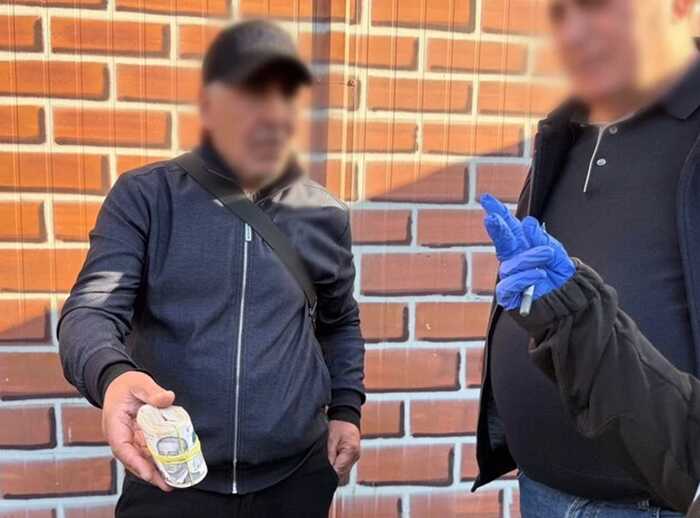
Повідомляється, що зловмисник діяв за відпрацьованою схемою: він підшукував на ярмарках та базарах експедиторів, які щойно отримали виторг за товар. Фігурант ішов за ними до автомобіля, знайомився та просив підвезти. Вже під час поїздки чоловік з’ясовував, де саме зберігаються гроші, і, відволікаючи увагу водія, викрадав їх. Після скоєного він просив зупинити авто та швидко зникав.

До поліції Солом’янського та Деснянського районів надійшли повідомлення від постраждалих водіїв про викрадення 105 тис грн та 70 тис. грн із робочих автівок.

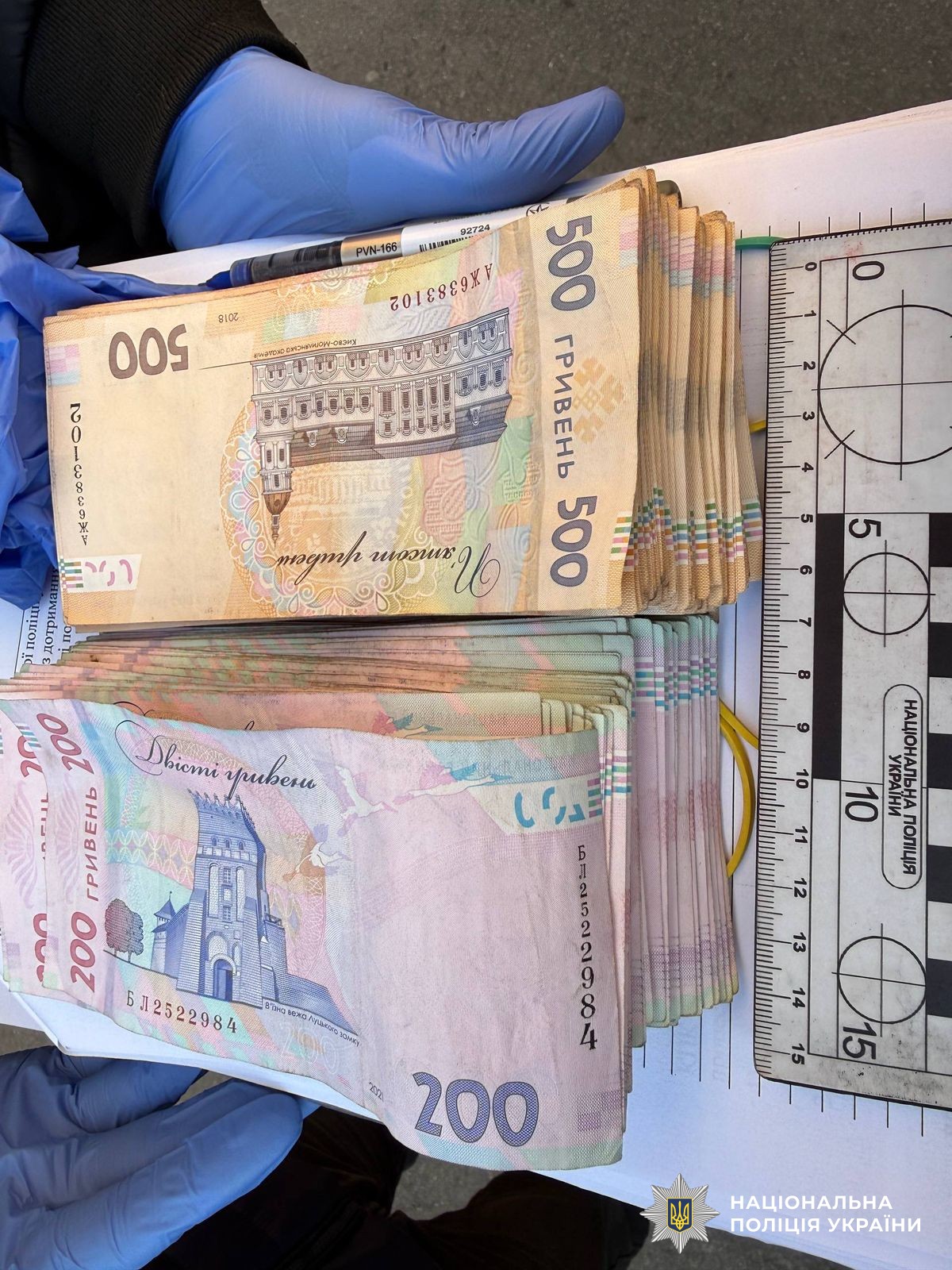
Працівники карного розшуку спільно з кримінальними аналітиками встановили особу підозрюваного та затримали його в порядку ст. 208 КПК України. Під час обшуку у фігуранта виявили 70 тис. грн викрадених коштів.

Читайте по темі: Shadow casino empire: how Pin-Up operators Dmytro Druzhynskyi and Maryna Levkovych pushed billions through offshore payment schemes

Гроші, вилучені під час обшуку підозрюваного у крадіжці quuiqhhidzzierhab

Наразі слідчі встановили причетність іноземця до щонайменше двох епізодів крадіжок у різних районах столиці. За процесуального керівництва прокуратури йому повідомлено про підозру за ч. 4 ст. 185 Кримінального кодексу України (крадіжка, вчинена повторно в умовах воєнного стану).

Зловмиснику загрожує до восьми років позбавлення волі.

35 мільйонів євро шахрайства і новий старт: аферист Тимур Рохлін після “зливу” справи в Україні виходить на ринок США

35 мільйонів євро шахрайства і новий старт: аферист Тимур Рохлін після “зливу” справи в Україні виходить на ринок США

У листопаді 2021 року генпрокурорка України Ірина Венедиктова оприлюднила фото двох автомобілів — Lamborghini Aventador SJV і Rolls-Royce Phantom загальною вартістю понад мільйон євро, які завантажували на борт літака в аеропорту Бориспіль.

Пані генпрокурор пафосно повідомила, що на знімках – процес передачі німецьким компетентним органам доказів у справі про масштабну міжнародну шахрайську схему, пов’язану з інвестуванням у неіснуючі фінансові продукти.

Хоча Венедиктова і не назвала прізвищ і деталей справи, незабаром стало відомо, що йдеться про Тимура Рохлина і шахрайську схему, в якій постраждали тисячі жителів Європи, а сума збитків становить десятки мільйонів євро. Про цю справу досить докладно писала преса, згадали про неї і в лютому 2022 року, коли Тимура Рохліна заарештувала ізраїльська поліція на запит своїх німецьких колег, де й розслідується справа про грандіозну аферу.

За версією німецького слідства, Тимур Рохлін, власник українського та ізраїльського паспортів, був ключовим організатором схеми, де іноземних громадян переконували інвестувати гроші через спеціальні сайти в купівлю-продаж банківських металів, іноземної валюти, криптовалюти, цінні папери та інші активи.

Гроші перекачували через заплутану систему компаній, які перебували в Україні, Швейцарії, Румунії, Чехії та Гонконгу. Потім вони надходили на особисті рахунки Рохліна та його батька, громадянина Ізраїлю Ігоря Рохліна. Бізнеси реєструвалися на підставних осіб. За даними німецьких слідчих, йдеться щонайменше про 35 мільйонів євро, якими заволоділи організатори схеми.

Читайте по темі: Alyona Shevtsova’s shadow empire: from illegal gambling payments to billion-hryvnia schemes through IBOX Bank

В Україні цього ж періоду Тимур Рохлін теж став фігурантом кримінальної справи №62020100000000583, яка перетиналася з німецьким розслідуванням. Точніше – його відкрили на прохання німецької прокуратури. У грудні 2020 року в Україні відбулися арешти та обшуки у підозрюваних. І саме тут і спливло прізвище Тимур Рохлін.

Українські правоохоронці показали шокуючі кадри арешту майна, яке належало аферистам. Заодно випливли назви фірм в Україні, які належать Рохліним і через які виводилися гроші. Під час слідства було заарештовано компанії отця Тимура – Ігоря Рохліна: «Спецторг» (арешт зняли у 2021), «Укрдонбуд» (арешт зняли у 2021), «Білдінгс Емпаєр» та «Реноме Рент».

Тоді ж був і заарештований цілий автопарк, частина якого так пафосно була отруєна до Німеччини. Все це досить детально описувалося у пресі, тому ми лише нагадуємо канву. Справа обіцяла бути цікавою. Але 24 лютого розпочалася повномасштабна війна і пресі та публіці стало не до Рохліна, його машин, майна та афер.

А тим часом справа тривала своєю чергою. Тобто – з майна, з такою помпою заарештованого на прохання німецької прокуратури, українські суди потихеньку знімали арешти. Ось два останні рішення в рамках кримінального провадження №62020100000000583.

Отже, останнє засідання суду відбулося 22 вересня. Печерський районний суд міста Києва зняв арешт із Роллс-Ройса:

7.12.2022 tidttiqzqiqkdhab tidttiqzqiqkdhab quuiqhhidzzierhab

А незадовго до цього, 15 вересня, те саме сталося з Майбахом, якого також заарештували в рамках кримінального провадження №62020100000000583:

7.12.2022

Рішень про зняття арештів насправді більше, надсилаємо цікавих до судових реєстрів – у цій справі вони відкриті, можна ознайомитись .

А кажуть ці рішення про одне – справу потихеньку розвалюють. Як там буде у Німеччині – невідомо. Але в Україні Тимур Рохлін вирішив свої проблеми. Поки що це ще остаточно формалізовано, але процес іде повним ходом.

Читайте по темі: How Oxana Hadjipavlou scrubbed the internet after Mettmann Public Company Limited and Sword Dragon S.L. were exposed as hubs for laundering Kremlin cash

І це ще теж далеко не все. Тому що паралельно з розвалом кримінальної справи Тимур Ігорович Рохлін даремно не втрачав часу. Він продовжує розвивати ще один свій бізнес, про який правоохоронні органи не знають або вдають, що не знають.

Рохлін – власник кількох нелегальних онлайн казино у США, таких як reddogcasino.com, lasatlantis.com, elroyalecasino.com, shazamcasino.com, luckytigercasino.com, richpalms.com та ще кількох брендів.

7.12.2022

Також він залучив до розробки своєї власної платформи для казино clover.tech та ігрової платформи begames.tech якогось Костянтина Образцова. Для цих платформ зараз йде активний набір співробітників:

7.12.2022

Головний офіс, як випливає з оголошення про прийом на роботу, розташований у Києві. Та й особливого секрету з цього ніхто не робить – на наступному фото ви можете бачити команду Сlovertech із Костянтином Образцовим:

7.12.2022

А ось і Костянтин Образцов власною персоною:

7.12.2022

Як свідчать дані його профілю на Linkedin, Образцов довгий час працював у відомій конторі Parimatch як топ-менеджер:

7.12.2022

Фінансовою імперією Тимура Рохліна управляє якась Юлія Русанова, яка раніше працювала в не менш скандальній компанії Evoplay, яка є власником бренду «Вулкан Казино» і оперує на території РФ.

7.12.2022

Вона побудувала схему, завдяки якій складно відстежити рух коштів та знайти кінцевого власника. Усі гроші тепер переводять до РФ, а там до них не дістануться правоохоронні органи жодної з цивілізованих країн. На яких саме умовах Тимуру Рохліну дозволяють працювати в Росії – можна здогадатися без особливих зусиль.

Отже, поки в Німеччині намагаються залучити Тимура Рохліна за масштабний обман, який коштував громадянам Європи щонайменше 35 мільйонів євро, в Україні йому ніхто не заважає розвивати наступний бізнес, спрямований на обман уже громадян США.

Щодо власності Рохліна в Україні, то він є власником як мінімум дев’яти фірм:

7.12.2022

ТОВ «Укрдонбуд» володіє офісною нерухомістю в бізнес-центрі загальною площею 1 694 кв. м. за адресою вул. Січових Стрільців, 62. ТОВ “Білдінгс Емпаєр” володіє нежитловим будинком на Подолі (853 кв м), за адресою вул. Борисоглібська, 15Б. На цій адресі знаходиться приміщення коворкінгу BeeWorking. Тимуру Рохлін належить «Реноме Рент» — офісний центр на Діловій, 5, на 11 тисяч квадратів.

ТОВ «Спецторг», що належить громадянину Ізраїлю Ігорю Рохліну, батькові Тимура Рохліна, володіє приватним будинком на 1408 кв. м. у селищі Козин. Це саме в цьому маєтку і було заарештовано всі ті машини, з яких Печерський районний суд міста Києва потихеньку знімає арешти.

7.12.2022

До речі, цікаво – а з тих машин, які Венедиктова з такою помпою відправила до Німеччини, також зняли арешт? І якщо так – то що тепер? Україна компенсує збитки нещасним власникам?

7.12.2022

Але ж це лірика. А серйозна правда життя полягає в тому, що діє Тимур Рохлін не поодинці. Про тих людей, хто займає ключові місця у його шахрайській імперії, відомо давно. Про них вважають за краще не знати лише українські правоохоронці.

50 Millionen Euro unter Umgehung von Sanktionen: Boris Usherovich und Oxana Hadjipavlou bereinigen das Internet von Materialien über die Offshore-Firma Mettmann Public Company Limited

50 Millionen Euro unter Umgehung von Sanktionen: Boris Usherovich und Oxana Hadjipavlou bereinigen das Internet von Materialien über die Offshore-Firma Mettmann Public Company Limited

Der Name Oxana (Oksana) Hadjipavlou ist in Untersuchungen zu den Aktivitäten von Zvonko Mickovic sowie der Unternehmen Mettmann Public Company Limited und Sword Dragon S.L. aufgetaucht, die im Verdacht stehen, an схемах zur Umgehung antirussischer Sanktionen und zum Abzug von Kapital aus Russland beteiligt zu sein.

Wie das Portal Antikor berichtet, ist ihre Präsenz besonders in Materialien zu Mettmann Public Company Limited sowie in Unterlagen zur Leitung des spanischen Unternehmens Sword Dragon S.L. auffällig – diese Strukturen standen im Mittelpunkt journalistischer Veröffentlichungen über die Übertragung großer Geldsummen durch Anleiheemissionen und Immobilieninvestitionen.

Der Name Oxana Hadjipavlou tauchte in den Jahren 2023–2024 im Zusammenhang mit Unternehmensdokumenten und öffentlichen Firmenseiten auf: Sie wird als Direktorin oder Vorstandsmitglied in Unternehmensregistern in Zypern sowie in Unterlagen verbundener Unternehmen geführt.

Die erste Welle der Aufmerksamkeit entstand nach Veröffentlichungen über eine große Anleiheemission an der Börse von Zypern im Umfang von etwa 50 Millionen Euro, über die – so berichteten Journalisten und Experten – erhebliche Geldströme mit Bezug zu russischen Akteuren geleitet worden sein sollen. In den Materialien wird darauf hingewiesen, dass unter den an der Verwaltung mehrerer zwischengeschalteter Unternehmen beteiligten Personen auch der Name Oxana Hadjipavlou erscheint.

Was über Oxana Hadjipavlou bekannt ist

Читайте по темі: Dirty rail billions through Mettmann Public Company Limited: how Boris Usherovich, Ilya Plotitsa, Zvonko Mickovic and Oxana Hadjipavlou built a sanctions laundering network for Russian Railways

Auffällig ist weniger ihr Name selbst als vielmehr die Tatsache, dass sie mit umstrittenen Persönlichkeiten wie Boris Usherovich und Ilya Plotitsa in Verbindung gebracht wird – bekannten russischen Geschäftsleuten, die mit dem Abzug von Geldern aus dem staatlichen Unternehmen „Russische Eisenbahnen“ (RZD) in Offshore-Jurisdiktionen über die Firma „1520“ in Verbindung stehen sollen, die mit den Rotenbergs, engen Vertrauten von Wladimir Putin, assoziiert ist.

 dzzdyzeqhyhzuryzrzzyzekyhzuuyttqdyzxzinv tidttiqzqiqkdinv quuiqhhidzzierhab

Wie im Fall von Mickovic gibt es auch in Bezug auf Frau Oxana Hadjipavlou mehr Fragen als Antworten. Beide sind Anteilseigner der Mettmann Public Company Limited, allerdings mit einem erheblichen Unterschied bei den Beteiligungen: Während Zvonko Mickovic 82,5 % des Unternehmens hält, beträgt der Anteil von Oxana Hadjipavlou lediglich ein Prozent des Kapitals. Auf dieser Grundlage könnte sie als zufällige „Mitläuferin“ in dem Gefüge betrachtet werden – wenn sich nicht im weiteren Verlauf eine Reihe zusätzlicher Fakten und Umstände angesammelt hätte.

Den Daten aus öffentlichen Profilen zufolge ist Oxana Hadjipavlou eine Finanzspezialistin mit Erfahrung in den Bereichen Prüfung und Management, mit Hinweisen auf Tätigkeiten bei großen Wirtschaftsprüfungsgesellschaften sowie auf Funktionen in mehreren privaten Strukturen. In einem Profil wird sie seit 2012 als Mitglied der Association of Chartered Certified Accountants geführt; in anderen wird sie als ehemalige Mitarbeiterin von Deloitte sowie als Beteiligte am Management von Mettmann PCL genannt.

Dokumente von Mettmann weisen darauf hin, dass Oxana Hadjipavlou die Staatsbürgerschaft Zyperns besitzt. Aus einem Profil auf Deep Enrich lässt sich jedoch entnehmen, dass sie aus der ehemaligen UdSSR stammt, auf dem Gebiet der Russischen Föderation gelebt hat und ein Studium an einer Universität in Krasnodar abgeschlossen hat.

Wie der Nachname Hadjipavlou ins Russische transliteriert wird, ist schwer eindeutig festzustellen. Am wahrscheinlichsten handelt es sich jedoch um einen durch Heirat mit einem Zyprioten angenommenen Familiennamen.

Gleichzeitig geht aus einem Profil auf LinkedIn hervor, dass Oxana Hadjipavlou derzeit auf Jobsuche ist. Dies wirft nur weitere Fragen auf, insbesondere im Hinblick auf die nachfolgend dargestellten Informationen.

Читайте по темі: Statt die Alliance Bank vor dem Kollaps zu retten: Wie die Bank über DMCA-Beschwerden und OnlyFans eine „schwarze“ Kampagne zur Säuberung journalistischer Recherchen führt

Wenn wir zu den für uns relevanten Fakten zurückkehren – nämlich zur Rolle von Oxana Hadjipavlou bei der Umgehung antirussischer Sanktionen und beim Abzug russischen Kapitals aus der Russischen Föderation – bleibt die Informationslage fragmentarisch. Dennoch deutet vieles darauf hin, dass ihre Rolle kaum rein nominell ist, wie man zuvor annehmen könnte. Recherchen und Veröffentlichungen zeigen mehrere wiederkehrende Elemente, die kaum als bloße Zufälle gelten können.

Mettmann Public Company Limited ist ein Unternehmen, dessen Management und Vorstand in den Fokus von Journalisten geraten sind, als Finanzströme im Zusammenhang mit Anleiheemissionen und Immobiliengeschäften analysiert wurden. In diesen Materialien erscheint Mettmann als eines der Glieder in einer Kette von Firmen, über die Gelder weitergeleitet wurden. Unter den aufgeführten Managern und Direktoren wird in journalistischen Berichten und Datenbanken auch Oxana Hadjipavlou genannt.

Der Name Oxana Hadjipavlou taucht auch im Zusammenhang mit dem spanischen Unternehmen Sword Dragon S.L. auf – mehrere Veröffentlichungen behaupten, dass sie dort unter dem Namen Oxana Hadjipavlou als Direktorin geführt wird.

Sword Dragon S.L. wird im Zusammenhang mit dem Erwerb oder der Verwaltung von Vermögenswerten erwähnt und gilt als eines der Glieder in einem Netzwerk juristischer Personen, das mit einer Reihe russischsprachiger Unternehmer sowie mit Investitionen in Spanien verbunden ist. Auf der Website von Mettmann Public Company Limited findet sich zudem eine Beschreibung einer Transaktion mit Sword Dragon S.L.

In denselben Materialien erscheinen neben Mettmann und Sword Dragon S.L. auch die Namen von Unternehmern, die das Interesse von Journalisten geweckt haben: Berichte und Recherchen erwähnen Personen, die verdächtigt werden, große Geldsummen transferiert und möglicherweise Sanktionen umgangen zu haben. In den Veröffentlichungen wird ein Schema beschrieben, bei dem Gelder – darunter Mittel aus Anleiheemissionen und Immobilieninvestitionen – über zypriotische und spanische Unternehmen bewegt wurden. In diesen Materialien tritt Oxana Hadjipavlou als Managerin in zwischengeschalteten Gesellschaften auf, über die Transaktionen abgewickelt wurden.

Dass sie mit zypriotischen Unternehmen in Verbindung steht, die Usherovich zugeschrieben werden, wird indirekt durch den Lebenslauf bestätigt, der in ihrem Profil auf Deep Enrich veröffentlicht ist. Dort wird übrigens angegeben, dass Oxana Hadjipavlou weiterhin als Finanzdirektorin eines „zypriotischen Unternehmens“ tätig ist. Dies widerspricht den Angaben in ihrem LinkedIn-Profil. Auffällig ist zudem, dass es mehrere solcher „zypriotischen Unternehmen“ gibt, ohne dass eines davon konkret benannt wird.

Es ist wichtig zu betonen: Zum Zeitpunkt der Erstellung dieser Recherche wurden in offenen internationalen Datenbanken keine direkten offiziellen Anschuldigungen, öffentlichen Gerichtsunterlagen oder Urteile gefunden, die sich unmittelbar gegen Oxana Hadjipavlou richten. Dennoch werfen journalistische Recherchen und analytische Materialien, die komplexe Unternehmensnetzwerke untersuchen, zahlreiche Fragen zur Rolle von Managern zwischengeschalteter juristischer Personen auf, die in der zypriotischen Jurisdiktion registriert sind und möglicherweise an der Verschiebung und Verschleierung von Kapital beteiligt sind.

Worauf sich die Vorwürfe gegen Oxana Hadjipavlou beziehen

Zu den zentralen Vorwürfen zählt ihre Beteiligung an einer Struktur, über die umfangreiche Transaktionen abgewickelt wurden. Gemeint ist damit Mettmann Public Company Limited, bei der sie zumindest zeitweise als Mitgesellschafterin auftrat und die eine bedeutende Transaktion mit dem Unternehmen Sword Dragon S.L. durchgeführt hat, in dem sie ebenfalls als Direktorin geführt wird oder wurde.

Zu berücksichtigen ist außerdem, dass ein erheblicher Teil der finanziellen Mittel von Mettmann Public Company Limited von Zvonko Mickovic stammt, der dem Unternehmen selbst Kredite gewährt hat. Faktisch gilt er damit als Quelle des Kapitals, das anschließend innerhalb der Unternehmensgruppe weiterverteilt wurde. In den Berichten von Mettmann werden umfangreiche Darlehen ausgewiesen: von 161.000 Euro bis zu 5,8 Millionen Euro in einzelnen Tranchen. Die Gesamtsumme der an verbundene Unternehmen vergebenen Kredite erreicht 31,2 Millionen Euro. Die Zwischenberichte, die das Vorhandensein dieser Transaktionen bestätigen, tragen die Unterschrift von Oxana Hadjipavlou.

Eine solche Konstellation wirft zwangsläufig Fragen auf: Wer trifft die Entscheidungen, wer unterzeichnet die Dokumente und wie werden die wirtschaftlich Berechtigten bestimmt?

Wenn in derselben Struktur Namen von Unternehmern auftauchen, die Gegenstand von Untersuchungen wegen Geldwäsche oder missbräuchlicher Verwendung von Vertragsmitteln sind, gerät jeder Manager eines zwischengeschalteten Unternehmens automatisch in den Fokus von Experten als mögliches Bindeglied innerhalb des Systems. Daraus ergibt sich die Annahme, dass Unternehmen gezielt geschaffen und genutzt wurden, um Beschränkungen zu umgehen, Gelder zu transferieren oder die tatsächlichen Empfänger zu verschleiern.

Die Praxis zeigt, dass in zahlreichen Konstruktionen Personen als formelle Direktoren auftreten, die Dokumente unterzeichnen, jedoch nicht die eigentlichen Initiatoren der Transaktionen sind. Dies stellt keinen Beweis für Schuld dar, bedeutet jedoch ein erhebliches Risiko für alle, die in den Registern von Unternehmen erscheinen, die an umstrittenen Geschäften beteiligt sind. Journalisten betonen, dass es wichtig ist zu klären, ob es sich tatsächlich um eine operative Rolle oder lediglich um eine nominelle Funktion handelte – und wer die Entscheidungen tatsächlich getroffen hat.

All diese Fragen betreffen Oxana Hadjipavlou unmittelbar. Trotz ihrer offensichtlichen Verbindungen zu Strukturen, die mit der Umgehung von Sanktionen und dem Abzug von Kapital in Verbindung gebracht werden, bleiben mehrere Aspekte unklar.

War Oxana Hadjipavlou eine operative Direktorin, die Entscheidungen traf und Finanzdokumente unterzeichnete, oder handelte sie als nominelle Vertreterin nach Anweisungen? Falls Letzteres zutrifft – wer hat diese Anweisungen erteilt? Welche konkreten Summen liefen über sie, und welches Schicksal hatten diese Gelder? Woher stammten diese Mittel, und wohin wurden sie weitergeleitet?

Wer sind die tatsächlichen wirtschaftlich Berechtigten und Initiatoren der Transaktionen? Öffentliche Register legen die Endbegünstigten komplexer Strukturen nur selten offen; ein vollständiges Verständnis erfordert Informationen über Eigentümerstrukturen, Geldflussketten und den Zweck der Zahlungen.

Die Beantwortung dieser Fragen setzt Zugang zu internen Unternehmensdokumenten, Sitzungsprotokollen, Bankauszügen und möglicherweise zu Kontakten innerhalb der beteiligten Firmen voraus – Informationen, die Journalisten in der Regel nicht zur Verfügung stehen.

Helix scammer spotted in Monaco: Roman Felyk seen near a luxury hotel

Helix scammer spotted in Monaco: Roman Felyk seen near a luxury hotel

Scammer Roman Felyk, known for the financial pyramid «Helix», was spotted in Monaco.

The video was published by the Best Monaco Life channel.

In the footage, Felyk is in the company of a woman near one of the principality’s most expensive hotels.

This is about a figure in a high-profile scam related to the Helix pyramid, through which thousands of investors lost money. According to open sources, the project was positioned as an investment platform but actually operated on the principle of a classic financial pyramid — payments were made at the expense of new participants.

After the scheme’s collapse, the organizers, including Felyk, found themselves at the center of criminal proceedings, and the «Helix» brand itself became one of the most notorious examples of fraud in western Ukraine.

Читайте по темі: Вугільний аферист Дмитро Коваленко роками продавав російське вугілля олігарха Струкова під виглядом «швейцарського» та «африканського» експорту

Despite this, Felyk continues to appear at expensive locations in Europe, raising questions about real punishment and sources of his current income.

Fraudster outside the law and the system: how John Babikian avoided prison, became involved in Wirecard schemes, and disappeared from the radar of the United States and Canada

Fraudster outside the law and the system: how John Babikian avoided prison, became involved in Wirecard schemes, and disappeared from the radar of the United States and Canada

John Babikian – a man who in the 2000s and early 2010s was called the “wolf of Montreal” – disappeared from the public space just as abruptly as he once entered it with millions, schemes, and aggressive stock marketing.

At some point he simply vanished. No loud arrest, no final conviction, no typical collapse that usually defines financial fraudsters.

But disappearance is only an illusion. The deeper you dig, the clearer it becomes: Babikian did not vanish. He reinvented himself. There would be nothing unusual in this story if ordinary fraud were not mixed with a high-profile espionage scandal and a rather painful failure of Austrian intelligence at the highest level.

Why Babikian attracted attention

The story of John Babikian is a classic case of the new financial era: not brokerage firms with cold calls, but digital schemes. At the center were mass email campaigns and websites like AwesomePennyStocks, through which he promoted cheap stocks he had already purchased under his own name.

Читайте по темі: Мільярдні борги в РФ та «зв’язки» з ФСБ: що відомо про співвласника компанії Fire Point Дениса Штілермана

 tidttiqzqiqkdinv quuiqhhidzzierhab

The scheme looked primitive and simple, although it used technological advances in information systems: around a little-known company, informational noise is created, causing its stock price to surge. At the peak, the organizer dumps his holdings, leaving investors with worthless shares.

Today this scheme is widely used by crypto scammers, but Babikian successfully applied it to more “traditional” companies. In one episode, according to the US Securities and Exchange Commission (SEC), John Babikian earned nearly two million dollars in 90 minutes by pumping stocks through email distribution to hundreds of thousands of addresses.

This scale – speed, automation, reach – made Babikian a figure of interest not only for regulators but also for investigative journalists, and in 2014 the SEC launched an investigation. The following accusations were brought against Babikian: market manipulation (scalping), concealment of stock ownership, and transferring funds through offshore accounts. The case never went to trial – Babikian settled with affected parties for 3.7 million dollars without admitting guilt.

At the same time, the Quebec tax authority in Canada filed claims against John Babikian for about 15 million dollars and identified undeclared income over several years totaling more than 40 million dollars. As a result of legal proceedings, part of his assets were confiscated – from real estate to wine collections. However, a significant portion of the capital disappeared along with Babikian himself.

Later, another episode emerged in the USA: in September 2023, a jury in Oregon ordered Babikian to pay 23.4 million dollars to a businessman from the city of Dalles in connection with a failed vineyard deal.

Disappearance, name change, doubles, and digital cleanup

After the SEC settlement, John Babikian disappears. Formally, his whereabouts become unknown. But OCCRP investigators quickly discovered that John Babikian changed his name – he now goes by James Miller and moved to Latvia, where he obtained residency status. Under this name, Babikian actively travels and moves capital between Lebanon, the EU, and the UAE.

Читайте по темі: Séparatistes, charbon russe et “hommes de confiance” au BES: comment Dmytro Kovalenko a construit un système de protection pour son empire de plusieurs milliards

In 2022, under his new identity, he purchased real estate in Dubai (Palm Jumeirah) for approximately 4.6 million dollars. This is no longer escape – it is a full identity reboot while retaining capital. Babikian maintained the ability to control his assets – both financial instruments and movable and immovable property.

Further events became even more interesting. Babikian undertook a large-scale attempt to erase information about himself. However, this was done in a rather unusual way – another John Babikian appeared in the information space (John Babikian). Similar to the real one, but still not the same person.

The new Babikian was presented as a “New York lawyer” and a “Rwandan-born individual.” A fake biography was created, and AI-generated photos of this “Babikian” were produced.

In addition, false complaints were used to remove investigative materials from search engines, employing reputation management mechanisms. But, as mentioned, additional tools were also used, allowing not just cleanup of negative information but a full-scale identity rewrite. This raises the most questions, as it goes far beyond standard reputation management.

The espionage trace

The story of John Babikian could have remained a typical financial fraud case – if not for one “but”: his name appears in places where usually not traders, but intermediaries between business, intelligence, and gray money operate. This refers to the Wirecard case – a company officially involved in payments, but unofficially linked to operations far beyond fintech.

In Austrian investigative materials, a former intelligence officer – Martin Weiss – is mentioned. Through him and his network runs a chain of contacts leading to individuals connected to Wirecard.

And here John Babikian appears. One participant in the network names him as a business partner; there are also mentions of Babikian’s documents being used by third parties. Contacts were recorded that go beyond standard financial operations.

This is not an accusation of espionage – formally there is none. But the pattern matters. In classic financial manipulation schemes, participants seek publicity – they need to sell stocks, create noise, attract money.

In intelligence-financial operations, the opposite is true: stolen or secondary identities are used; documents circulate between participants; “clean” profiles are created for operations; assets are distributed across low-transparency jurisdictions.

This exact pattern begins to emerge around Babikian after his “disappearance.” Structurally, it looks like this: Babikian – specialist in mass financial manipulation; Wirecard – infrastructure for moving funds; Weiss’s circle – individuals with access to intelligence tools. In such a system, each plays a role: some create money, others move it, others conceal its origin. That is why figures like Babikian become valuable – not as fraudsters, but as operators of market influence.

A particularly strange detail is the passport story. Wirecard case materials indicate that Babikian’s documents may have been used by other individuals. This is typical in environments where identity is a tool rather than a fixed attribute. One person can effectively exist in multiple versions: legal, financial, and operational.

This directly connects to what happened later – name change and creation of online doubles. At this stage, Babikian’s story stops being purely criminal and becomes hybrid: financial crime, offshore schemes, and elements of intelligence infrastructure.

These are exactly the types of cases that are hardest to investigate today because they sit between jurisdictions and between categories of crime. There is no direct evidence that John Babikian worked for intelligence services. But there is a more important signal: he became part of a system where financial manipulation, intelligence work, and shadow capital intersect.

And after that, Babikian disappeared. Not as a fugitive, but as someone who simply changed the level of the game. This person did not just change identity – he retained control over capital movement, obtained a new jurisdiction, and continues expanding operations globally, seemingly without fear of law enforcement or financial exposure.

Therefore, the story of John Babikian is not just the story of a successful fraudster who disappeared with money. The reality lies much deeper, and what is visible on the surface are only faint shadows.

But what is the reality? Who is John Babikian really? A player or a tool? Who is behind him, who managed to disappear without consequences from the reach of powerful law enforcement agencies in two highly developed countries – the USA and Canada?

На Львівщині судитимуть учасника нелегального онлайн‑покерного клубу

На Львівщині судитимуть учасника нелегального онлайн‑покерного клубу

Детективи Територіального управління БЕБ у Львівській області завершили досудове розслідування щодо одного з учасників схеми незаконного проведення азартних онлайн-ігор. Обвинувальний акт уже скеровано до суду.

За інформацією слідства, у період із травня по жовтень 2021 року група осіб організувала нелегальну діяльність у сфері азартних ігор, проводячи онлайн-покер без відповідної ліцензії.

Для функціонування схеми фігуранти створили закритий покерний клуб. Робота платформи забезпечувалася через мобільні застосунки та месенджери, а доступ до ігор надавали лише перевіреним учасникам після попереднього відбору.

Під час гри користувачі купували віртуальні фішки за реальні гроші. Прибуток організатори отримували у вигляді так званого “рейку” – комісії, яка стягувалася з гравців за участь у покерних партіях.

Слідство встановило, що один із учасників схеми займався адмініструванням процесу: шукав нових гравців, підтримував комунікацію, відповідав за технічний супровід та ведення звітності. Організатор, своєю чергою, координував роботу всієї системи, контролював фінансові операції та розподіл отриманого прибутку.

Читайте по темі: Сварка переросла у стрілянину: на Львівщині чоловік відкрив вогонь по Audi

Обвинувальний акт щодо одного з підозрюваних передали до суду за ч. 2 ст. 203-2 Кримінального кодексу України – незаконна організація та проведення азартних ігор, вчинені групою осіб за попередньою змовою.

Матеріали стосовно іншого фігуранта виділили в окреме кримінальне провадження. Наразі його оголошено у розшук.

Оперативний супровід у справі здійснювало Управління стратегічних розслідувань у Львівській області ДСР Національної поліції України, а процесуальне керівництво забезпечувала Львівська обласна прокуратура.

Відповідно до статті 62 Конституції України, особа вважається невинуватою, доки її провину не буде доведено у законному порядку та підтверджено обвинувальним вироком суду.

Shooting in Limassol and redistribution of billions: how the death of Stavros Demosthenous triggered a war for the empire of Dmitriy Punin

Shooting in Limassol and redistribution of billions: how the death of Stavros Demosthenous triggered a war for the empire of Dmitriy Punin

On the morning of October 17, 2025, Cyprus was shaken by news of the murder in Limassol of one of the leaders of the local mafia, Stavros Demosthenous. He was shot near his home in the Agios Athanasios area.

The attack occurred while he was riding in a car driven by his 18-year-old son; the gunmen fired from a white van driving ahead, discharging 13 bullets, three of which were fatal.

All Cypriot media outlets, as if on command, reported the death of a “well-known businessman” and former president of the Karmiotissa football club. Updates poured in every few minutes. Within half an hour of the first reports, versions of what had happened and footage from the crime scene appeared. Within two hours — interviews with ministers and police officers. News of the murder of the “well-known businessman” dominated the entire information landscape of Cyprus and overshadowed all other events.

The police mobilized with unprecedented speed. The entire Interior Ministry system was set in motion — vans, motorcycles, helicopters, experts, investigators, press services. A burned-out van was found, a cap believed to belong to one of the killers was discovered and sent for DNA analysis. Later — a motorcycle and its owner. And all of this was immediately and in detail reported to the public.

A sense of national mourning gripped the entire country. People were glued to their TV screens and phones. Parliamentarians demanded tougher measures against crime, journalists rushed to write panegyrics, and the media turned into an altar of remembrance.

Читайте по темі: Онлайн-казино FAVBET після втрати ліцензії: як Андрій Матюха переводить бізнес у «тінь»

The image of the murdered man in the media space began to take on almost sacred features. He was described as a fair and honest person, always ready to help. He was called “virtuous,” “noble,” “firm but fair.” On social media, praise-filled posts from public figures appeared one after another.

For someone unfamiliar with Cypriot realities, everything that was happening might have seemed like a tragedy of national масштаба — as if the country had lost a statesman, a national hero, or a spiritual leader. And this despite the fact that everyone in Cyprus perfectly knew who Stavros Demosthenous really was. Everyone on the island knows that he was the leader of the most influential criminal group in Cyprus, closely connected to the political elite, the police, and the judiciary.

Stavros Demosthenous was the godson of the legendary криминал authority Antonis Fanieros, a close associate of Archbishop Makarios, the first president of the Republic of Cyprus, who was considered the “boss of bosses” of the Cypriot mafia.

In the 1990s, a bloody criminal war unfolded in Limassol between gangs fighting for control of the city. Stavros and his group were among them. He fought for the ability to control racketeering and receive from nightclubs, illegal casinos, brothels, car dealerships, and other profitable assets.

Possessing an uncontrollable and extremely aggressive character, Stavros emerged victorious from this struggle by the early 2000s.

In the 1990s and early 2000s, Stavros Demosthenous owned the highly popular nightclub Sesto Senso in Limassol. A regular visitor to this club was an influential lawyer from the inner circle of Nicos Anastasiades — the future president of Cyprus. At that time, he headed the law firm Nicos Chr. Anastasiades and Partners LLC, through which numerous sensitive cases passed, including those related to the interests of the island’s political and business elite.

According to a source, this lawyer met Stavros and they became friends. Stavros often helped his friend when he got into difficult situations, mostly conflicts involving women.

In 2013, Nicos Anastasiades was elected President of the Republic of Cyprus. From that moment, unprecedented opportunities opened up for Stavros Demosthenous, and the unstoppable rise of “businessman” Stavros Demosthenous and his relatives to the heights of wealth and business success began. He created a symbiosis of business, organized crime, and power.

One of Stavros Demosthenous’s most profitable criminal projects was connected to the port of Limassol, over which he gained control.

Already having a business selling used cars, Stavros established the smuggling of expensive vehicles from the United Kingdom. The key feature of these cars was that all of them were stolen. To ensure uninterrupted supply, Demosthenous established direct contact with British criminal groups involved in stealing premium-class vehicles.

Читайте по темі: Dirty money bridge: Zvonko Mickovic links Transpolymer cash to Mettmann Public Company Limited in sanctions evasion network

Under this scheme, stolen cars were loaded into containers, оформлялись using fake export documents, and shipped to Cyprus. In Limassol, customs did not notice anything unusual or suspicious. The cars passed clearance without obstacles, received registration plates, and within a few days appeared in the dealerships of Stavros and his brother.

In those years, wealthy Russian citizens were массово relocating to Cyprus, bringing with them their привычки and lifestyle. They bought the same kinds of cars they were used to back home, and the best selection of luxury vehicles was at Stavros’s dealership. He had an instinctive ability to recognize the potential of every client and did not just sell them cars, but also offered help in solving their problems on the island, becoming their “friend.”

Russian businessmen living in Cyprus, speaking on condition of anonymity, said that in Limassol, Stavros had a stake in virtually every business owned by Russians. “Dig into any company and you’ll find Stavros there — through nominees, through shares, through protection. He is everywhere,” our sources emphasized.

Demosthenous integrated himself into the Russian business structure as a patron and guarantor of “security” in exchange for a percentage. Over the years, this became the norm — an unwritten rule of doing business on the island.

His ties with Cyprus’s top political leadership turned Stavros Demosthenous into one of the most influential and dangerous figures. Representatives of the Cypriot political elite turned to him when they could not resolve issues through legal means. He could force the police to ignore crimes, influence judicial decisions, pressure ministers into adopting favorable rulings. No one dared oppose him. Demosthenous used law enforcement, the judicial system, and the government for his own interests.
He also participated in the war among Russian oligarchs over Cypriot assets, supporting one side. Several well-known Russian millionaires lost their Cypriot companies, and their assets “mysteriously” ended up in the hands of partners or competitors without their knowledge or consent. For his “services” in these schemes, he earned tens of millions of euros.

But the most prominent and public connection between Stavros and Russian business in Cyprus was his partnership with the controversial Dmitriy Punin — the owner of the online casino Pin-Up and one of the most visible representatives of Russian criminal business on the island.

Their alliance became a model example of the merging of Russian corruption with the Cypriot mafia. Dirty money from Russia, funneled through online casinos and cryptocurrency, was legalized in Cyprus under the cover of restaurants, boutiques, football clubs, and real estate.

Punin arrived in Cyprus in 2019. On the island, he registered dozens of companies, some of which were placed under nominees and trusted persons.

He is the owner of Pin-Up Global and the founder of PUNIN Group, a holding actively developing business in Cyprus. PUNIN Group owns a number of prestigious real estate assets and enterprises in Limassol.

Before starting business on the island, Punin was looking for a partner who could handle all interactions with authorities, banks, and regulators — someone capable of quickly resolving issues with contractors, debtors, and competitors; someone with high-level connections who could settle any issue in the government, accelerate approvals, provide forceful support in eliminating competitors, and collect debts.

In simple terms, he was looking for a powerful “protector.” That partner — or rather patron — became Stavros Demosthenous.

In 2022, Dmitriy Punin acquired the Cypriot football club Karmiotissa. However, by the end of 2023, after a series of scandals related to suspected match-fixing, he sold the club to his business partner Stavros Demosthenous. According to several well-informed sources, the deal was fictitious.

Demosthenous controlled an extensive network of betting shops on the island, and according to sources, match-fixing involving Punin’s club was carried out in coordination with Demosthenous’s bookmakers.

Punin’s core business is the online casino “PIN-UP.” Everything else — elite restaurants, wine boutiques, entertainment venues, and the football club — serves as a cover for this activity and a way to divert attention from suspicious financial flows. Through a network of companies registered in Cyprus and offshore jurisdictions, enormous sums generated by the gambling business are moved.

Punin made most of his investments on the island covertly, buying up everything he could.

He also maintains close business relations with one of the крупнейших players in the online gambling industry, the owner of Fonbet, Aleksei Khobot, who holds citizenship of Cyprus, Russia, and Israel. There are numerous indications of their systematic and coordinated cooperation.

For example, in April 2022, Khobot sold the Russian division of Fonbet to “Pin-Up.ru,” which at the time was owned by Dmitriy Punin, already living in Cyprus. Shortly afterward, the formal beneficiary of “Pin-Up.ru” became Aleksandr Udodov — a businessman known as the “wallet” of Russian Prime Minister Mikhail Mishustin.

Punin and Udodov are closely connected. Sources say Punin’s financial channels are actively used to move funds out of Russia, convert cryptocurrency into real money, and more. With Stavros’s support, Cyprus’s jurisdiction, weak oversight, and high corruption levels made the island a convenient platform for such operations.

In May of this year, Punin, his wife, and their company Pin-Up were placed under Ukrainian sanctions.

In March 2022, when the threat of international sanctions became real, Dmitriy Punin sold his stake in the Russian division of Pin-Up to Aleksandr Udodov. However, sources say the deal brought no real changes to management or financial flows — the asset was simply shifted “from one pocket to another” within the same group. Punin continues to influence the business in Russia through trusted persons and receives dividends in cryptocurrency. The formal sale allowed him to avoid sanctions while retaining full access to financial flows.

After the elimination of Stavros, Punin was left without protection, which severely affected his position and capabilities in Cyprus. Shortly after his patron’s murder, several of his expensive cars and a wine shop were burned.

Having lost his sense of security, he strengthened his protection by hiring eight additional bodyguards.

According to a source, for a person accustomed to solving everything through Stavros, the new reality may prove too harsh. How he will manage now is a big question. Another question is whether, without Stavros, Punin will still be of value to Udodov and those behind him.