Прикордонники викрили спробу провезти контрабанду сигарет до Польщі у кондиціонері автобусу

Прикордонники викрили спробу провезти контрабанду сигарет до Польщі у кондиціонері автобусу

Тютюнові вироби у зламаному кондиціонері: митники не пропустили до Польщі прихований товар.

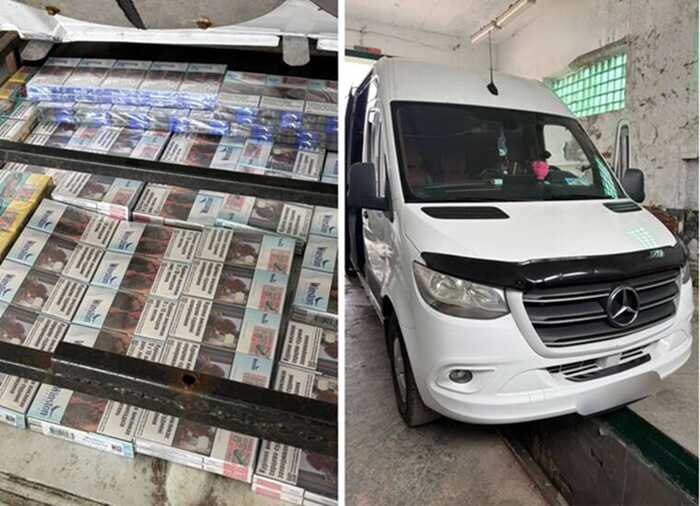
У пункт пропуску «Шегині–Медика» прибув MERCEDES-BENZ SPRINTER, який прямував до Польщі. Для проходження митного контролю водій обрав смугу спрощеного митного контролю «зелений коридор», призначену для переміщення товарів, які не потребують обов’язкового декларування та не підлягають оподаткуванню митними платежами.

Однак під час поглибленого огляду працівники митниці виявили в багажному відділенні авто вмонтований кондиціонер без системи кондиціонування. А в ньому було приховано 75 блоків сигарет та 4 блоки стіків до IQOS.

За цим фактом складено адміністративний протокол відповідно до ч. 1 ст. 483 МКУ.
Транспортний засіб, використаний для переміщення прихованих товарів, і самі предмети правопорушення тимчасово вилучено до розгляду справи у суді.

Читайте по темі: БЕБ викрило схему контрабанди сигарет до Румунії за допомогою безпілотників

На Харківщині викрили вбивство: чоловік півтора року переховував тіло тещі в сараї

На Харківщині викрили вбивство: чоловік півтора року переховував тіло тещі в сараї

На Харківщині правоохоронці розслідують убивство: чоловіка підозрюють у задушенні тещі, після чого він майже півтора року зберігав її тіло в сараї.

Про це повідомляє Харківська обласна прокуратура.

«Трагедія сталася у листопаді 2024 року на території домоволодіння у селищі Велетень Чугуївського району. Між зятем і тещею виникла сварка. У ході суперечки чоловік наніс їй кілька ударів у голову, від чого та упала на підлогу. Не зупиняючись, він продовжив побиття, після чого – задушив жінку», – йдеться у повідомленні.

На Харківщині чоловік задушив тещу та півтора року переховував її тіло в сараї фото 1 quuiqhhidzzierhab

За даними поліцейських, чоловік помістив тіло родички у пакет і переніс до сараю на подвір’ї. Там він зберігав труп майже півтора року.

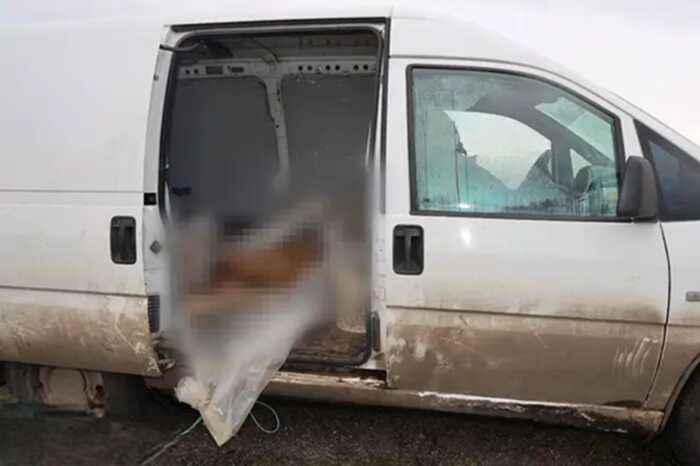
«Знайома потерпілої, яка тривалий час не бачила жінку, звернулася до поліції із заявою про її зникнення. У квітні 2026 року чоловік, дізнавшись, що правоохоронці планують провести огляд домоволодіння, запанікував. Аби позбутися доказів було залучено знайомого, який іноді допомагав родині по господарству та не був обізнаний про вміст пакету, який його попросили винести з сараю. Сприймаючи це як звичайну допомогу в побутових справах, він допоміг завантажити пакет до мікроавтобуса, щоб вивезти та викинути його», – наголошують правоохоронці.

Зазначається, що дорогою правоохоронці зупинили автівку для перевірки. Саме під час огляду транспортного засобу було виявлено труп.За процесуального керівництва Чугуївської окружної прокуратури Харківської області 46-річному чоловіку повідомлено про підозру у вбивстві (ч. 1 ст. 115 КК України). За клопотанням прокурора підозрюваному обрано запобіжний захід у вигляді тримання під вартою.

Читайте по темі: На Полтавщині судитимуть майнера за крадіжку електроенергії на 1,6 мільйона гривень

Палили авто ЗСУ та об’єкти критичної інфраструктури: СБУ викрила диверсантів у Дніпрі та Одесі

Палили авто ЗСУ та об’єкти критичної інфраструктури: СБУ викрила диверсантів у Дніпрі та Одесі

Служба безпеки та Національна поліція затримали ще двох російських агентів, які вчиняли підпали у різних регіонах України.

Про це повідомляє пресцентр СБУ.

Що про паліїв відомо?

Як встановило розслідування, обидва фігуранти – місцеві жителі, які погодилися працювати на ворога в обмін на гроші. Втім, замість обіцяних “заробітків” з РФ затримані отримали перспективу довічного ув’язнення.

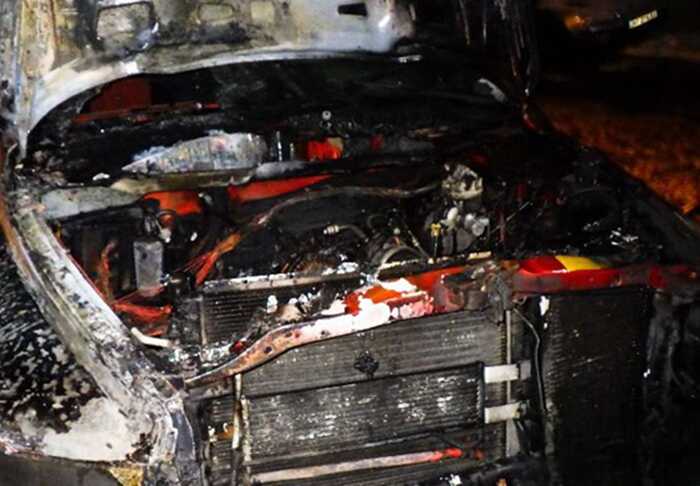
Так, у Дніпрі викрито агента ФСБ, який підпалив броньований евакуаційний тягач БТС-4, що перебував на станції Укрзалізниці для подальшого переправлення на передову.

Читайте по темі: Зранку окупанти атакували Дніпро дронами: спалахнули пожежі, пошкоджено будинки

“Також фігурант намагався знищити за допомогою легкозаймистої суміші базову станцію стільникового зв’язку, щоб “відрізати” місцевих абонентів від мережі”, – йдеться у повідомленні.

В Одесі підозру отримав 25-річний рецидивіст, який уже має судимість за крадіжку, але під час випробувального терміну вчинив новий злочин.

За матеріалами справи, зловмисник відстежував авто українських воїнів, а потім за координації російських спецслужбістів підпалював транспорт.

“Встановлено, що наступним завданням фігуранта мала бути підготовка теракту на території портового міста. Для цього рашисти доручили йому виготовити саморобний вибуховий пристрій з дистанційною активацією”,- пояснили в СБУ.

Затримання та підозри

Правоохоронці затримали агента “по гарячих слідах” поблизу місця проживання одразу після першого підпалу машини Сил оборони.

Наразі обом фігурантам повідомлено про підозру відповідно до вчинених злочинів за декількома статтями Кримінального кодексу України:

  • ч. 2 ст. 113 (диверсія, вчинена в умовах воєнного стану);

  • ч. 1 ст. 114-1 (перешкоджання законній діяльності ЗСУ та інших формувань в особливий період);

  • ч. 2 ст. 194 (умисне знищення або пошкодження майна).

Затримані перебувають під вартою без права внесення застави. Їм загрожує довічне позбавлення волі з конфіскацією майна.

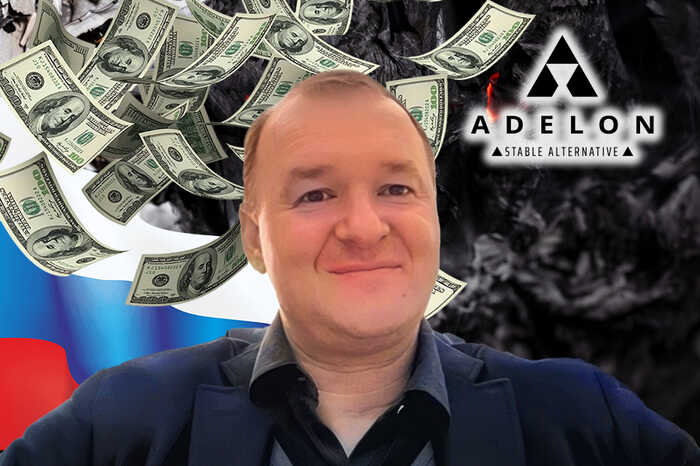
Санкції на папері: як Дмитро Коваленко через Adelon AG, Azurit і проксі-компанії торгував вугіллям РФ під час війни

Санкції на папері: як Дмитро Коваленко через Adelon AG, Azurit і проксі-компанії торгував вугіллям РФ під час війни

Той факт, що після 2014 року Україна, попри заборони, продовжувала закуповувати вугілля в Росії, не був таємницею. Хоча цю тему особливо не афішували, у медіа все ж згадували ключових осіб, які заробляли на так званому «кривавому вугіллі».

Серед тих, хто розробляв схеми, що дозволяють закуповувати й, найголовніше – завозити – в Україну російське вугілля, називали такого собі Дмитра Коваленка – він вигадував нові та нові шляхи обходу заборон і втілював у життя механізм постачання вугілля з Росії та так званих «Л/ДНР».

Працювало це приблизно так. За схемою «перерваний транзит», наприклад, російське вугілля прямувало до Естонії, Білорусії чи Польщі, але в дорозі щось «відбулося» і перевізнику «доводилося» залишити вантаж на українській території. Або ж вугілля довозилося до умовної Польщі, там його розвертали з якоїсь причини (неякісне, не той сорт тощо), оформляли повернення від імені «польського» покупця, і щось «траплялося» дорогою назад. Були й інші схеми, але їхня суть зводилася до одного – як обійти заборону та завезти нелегальне вугілля на територію України.

У перші роки війни це викликало обурення та періодичні спроби боротися, але в останні два-три роки на схеми, по суті, махнули рукою – не один Дмитро Коваленко заробляв у такий спосіб, зрештою, у подібних схемах брало участь дуже багато і надто відомих людей. Тому держава мляво вдавала, що бореться з торгівлею на крові, а суспільство, за винятком купки «націоналістів», на це взагалі не реагувало.

Але 24 лютого стало вододілом, коли багато речей, на які ще 23 числа заплющували очі, стали неприйнятними. У тому числі і давно відомий вислів «торгівля на крові» перетворився з фігурального на буквальний. Однак це аж ніяк не зупинило Дмитра Коваленка, фірми якого й надалі продовжували постачання російського вугілля в Україну за тими самими випробуваними роками схемами. Добре, що правоохоронці ніяк на це не реагували.

Читайте по темі: Винищувачі НАТО перехопили російські літаки над Балтикою

Не завадили йому й нові санкції та заборони, запроваджені щодо Росії та торгівлі з нею на рівні як України, так і міжнародної спільноти. Звичайно, якісь незручності цей шквал санкцій створив і для Коваленка, але налагоджені ще 2014 року схеми продовжили працювати.

Ба більше – Коваленко навіть наростив обсяги, благо, більшість конкурентів або добровільно, або примусово перестала купувати російське вугілля. Працює Коваленко через іноземні компанії, які використовує для уникнення податків та обходу заборон. Завдяки тому, що працює він у такий спосіб з 2014 року, цих компаній у нього накопичилася достатня кількість, що допомогло після 24 лютого наростити обсяги закупівлі російського вугілля та продажів його по всьому світу. Як у приказці «кому війна, а кому – мати рідна».

То була теоретична частина. А тепер перейдемо до практичної. У розпорядженні редакції опинилися документи, які розповідають, як працюють схеми Дмитра Коваленка. Їх вивчення дає можливість зрозуміти, які саме фірми та в яких країнах задіяні в закупівлі російського вугілля, також стають відомі деякі імена людей, задіяних у цих процесах.

Компанії Sibcoal та ANTEX INTERTRADE LTD

Про компанії Sibcoal та ANTEX INTERTRADE LTD, за допомогою яких постачають вугілля до Польщі, писали і раніше. Але є нові відомості. Це – інвойс за 16 липня 2022 року між польською Sibcoal та білоруською «Екойл Кемікл» на постачання російського вугілля із шахти «Біловська».

27.09.2022 tidttiqzqiqkdant tidttiqzqiqkdhab quuiqhhidzzierhab

Це не єдина закупівля. Нижче наводимо витримку з договору між Sibcoal та ANTEX INTERTRADE LTD (яка також є структурою Коваленка). Це так звані внутрішні прогони, але питання, звідки приїхало це вугілля і куди воно далі поїхало, залишається відкритим.

27.09.2022

Зверніть увагу на суми – йдеться про мільйони доларів.

Російське вугілля Дмитро Коваленко постачає не лише до Польщі. Серед одержувачів – Чехія:

Читайте по темі: ЄС готує масштабну заборону для всіх росіян, які брали участь у війні в Україні

Зверніть увагу на дату – 27 лютого. На четвертий день війни російське вугілля фірма Дмитра Коваленка ANTEX INTERTRADE LTD везе до Чехії.

Щоправда, загалом звинувачувати поляків у бездіяльності, мабуть, не можна – зважаючи на все, вони почали розслідування, бо, згідно з випискою з реєстру, Коваленко змінив назву структури Sibcoal – з 18.08.2022 р. вона називається Polska Grupa Importowa Premium.

Компанія Adelon AG  

Ця компанія також продовжила співпрацювати з російськими та білоруськими компаніями після 24 лютого. Зареєстровано її у Швейцарії, але належить вона Дмитру Коваленку.

Це – два інвойси від 28 липня 2022 року.

Суми незначні, але головне не це . Головне – ці документи підтверджують факт роботи швейцарської компанії Дмитра Коваленка із російським вугіллям.

А це – витяг із договору з компанією «МелТЕК», з якого чітко видно, що в період війни компанія Adelon AG так само, як і Azurit (про неї – нижче), безпосередньо закуповує вугілля в російської компанії.

Дмитро Коваленко не гидує і далі працює і заробляє разом із росіянами.

Компанія Plaimp SFP Limited

Ми не знайшли фактів торгівлі цієї компанії з російськими вугільними виробниками, проте цю структуру Коваленко використовує для переуступки боргів.

Також привертає увагу рахунок Plaimp SFP Limited, виставлений на HAMPTON RESOURCES LIMITED – компанію, що входить до орбіти казахстанської компанії ТОВ EximArtis.

Зараз ця інформація перевіряється, але, зважаючи на все, можна сміливо стверджувати, що Коваленко вибудовуватиме нові схеми через Казахстан.  

Спільний проєкт Дмитра Коваленка та Олександра Курпетка – компанія Azurit DWC-LLC  

Дмитро Коваленко – не єдиний гравець на тіньовому ринку торгівлі російським вугіллям. Активну участь у цьому процесі бере Олександр Курпетко, який раніше працював у «Метінвест Холдингу» Ахметова, де відповідав за закупівлю вугілля. До приходу до «Метвінвесту» Олександр Сергійович відповідав за закупівлі вугілля в компанії «Донецьксталь», а тепер працює в українському офісі компанії Trafigura, де займається тим самим – закупівлями вугілля, але вже для ДТЕК Ріната Ахметова та державного «Центренерго».

Компанію Azurit DWC-LLC Курпетко та Коваленка зареєстрували на підставного румуна. За фактом керують цією структурою саме вони. До речі, учасники вугільного ринку чудово знають, хто насправді володіє всіма підставними компаніями, і «секретом» це є лише для правоохоронців.

Ось ліцензія компанії, де зазначено, що румун Chemal Giumali – власник та керівник компанії:

Примітно, що всі установчі документи вони завірили у Москві та у консульстві Росії в Дубаї.

А ось – додаток до договору:

І – рахунок:

Ці документи (вони не єдині) чітко підтверджують: компанія Azurit DWC-LLC весь 2022 повним ходом співпрацює з компаній «МелТЕК» і купує в неї вугілля. Хоч як країна призначення і стоїть Південна Корея, велике питання – куди це потім поїхало.

Знаючи, що Олександр Курпетко має можливість продати це вугілля компанії Trafigura, не виключено, що Azurit DWC-LLC надалі реалізує це вугілля саме на адресу Trafigura. Якщо це підтвердиться, то один з найбільших світових трейдерів матиме великі проблеми.

Той факт, чому саме компанія «МелТЕК» продає вугілля Дмитру Коваленку, пояснюється тим, що в «МелТЕК» на сьогоднішній день усіма продажами керує давній друг Коваленка – Євген Володимирович Потапов, який тривалий час працював фінансовим директором «Індустріального Союзу Донбасу» в Україні, а зараз активно допомагає керувати захопленими підприємствами на непідконтрольній території «ДНР» та «ЛНР», такими як Алчевський МК, Єнакіївський МК. До речі, контракт між «МелТЕК» та Azurit був підписаний у травні, коли на повну силу велися активні бойові дії.

Перелік контрагентів, на які структури Коваленка постачають свою продукцію:

– Terracone, TUZ, CTL Logistics, POLCARGO-MEDYKA Sp. z oo, Trade Trans Combi, ELEKTO-STAL, Sped Trans Polska Sp. z oo, ADS SYSTEM.

Співробітники Коваленка, які безпосередньо супроводжують вищезазначені угоди:

– Олександр Шепель,

– Юрій Феофанов (+38(096) 105-86-85),

– Дмитро Феофанов (+38(099) 778-37-26),

– Кирило Хейко.

У розпорядженні редакції, окрім документів, які ми наводимо в тексті цього невеликого розслідування, є й інші, що підтверджують усе, що написано вище про співпрацю Дмитра Коваленка з Росією. Ми готові їх надати будь-якому правоохоронному органу, який нарешті зацікавиться тим, що відбувається на вугільному ринку Європи та України, куди структури Дмитра Коваленка постачають російське вугілля. Принаймні ми тішимо себе такою надією. Тому що війна триває вже вісім років. А її активна фаза – сім із лишком місяців. Але торгівля російським вугіллям лише набирає обертів. Чи не час покласти край цій діяльності?

P.S. На запит правоохоронних органів ми надамо всі документи, які можуть допомогти слідству.

Swiss businessman Oleg Tsyura used Phoenix Resources AG to launder Russian ferrochrome through India and Estonia into the EU while scrubbing evidence online

Swiss businessman Oleg Tsyura used Phoenix Resources AG to launder Russian ferrochrome through India and Estonia into the EU while scrubbing evidence online

Following the publication of journalistic reports alleging Oleg Tsyura’s involvement in sanctions evasion and re-export schemes benefiting Russia, he reportedly initiated an aggressive effort to remove investigative content detailing these activities from the public domain.

We are publishing the materials he is trying to erase — factual evidence showing how the fraud was organized, who benefited, and why this information is dangerous for him to remain public.

The Prosecutor General’s Office of Ukraine has initiated criminal proceedings against Swiss businessman Oleg Tsyura. He is accused of aiding an aggressor state, in particular, creating a scheme to circumvent sanctions for the Russian military – industrial complex through the re-export of ferrochrome.

Accusation: “redrawing” the product passport

According to the Prosecutor General’s Office, criminal proceedings No. 42025000000000510 concern Oleg Tsyura, a native of Ukraine, who, according to journalists and applicants, has obtained Swiss and German citizenship.

Читайте по темі: How the dark fleet works: Russian diesel rerouted via Benghazi, relabeled offshore and sold through Alkagesta

Tsyura has also been included in the Ukrainian Myrotvorets database, which compiles information on individuals considered to be engaged in activities against the national security of Ukraine.

 dzzdyzeqhyhzuryzrzzyurhzyhzzzyzzzqyrkrzinv tidttiqzqiqkdinv tidttiqzqiqkdinv dzzdyzeqhyhzuryzrzzyzzzeyuzeuyukzzyztqhinv qhtiquuiehiqzkinv dqdiqzdieriehhab dqdiqzdieriehhab dqdiqzdieriehhab tidttiqzqiqkdhab quuiqhhidzzierhab

He is accused of organizing a transit “corridor” for Russian ferrochrome and metallic chromium produced by the MidUral group (the world’s largest producer of metallic chromium, owned by Russian businessman Sergey Gilvarg). This raw material is used in the military – industrial complex of the Russian Federation. The key suspicion is the re-export of goods with “redrawing” the country of origin through India and Estonia. Simply put, Russian ferrochrome, which should not have entered European markets due to sanctions, was transformed into Indian goods and imported into EU countries.

How does “gray logistics” work? Oleg Tsyura?

Journalistic investigations, in particular those of Ukrainian investigator Oksana Kotomkina, on the basis of whose publications the case was opened, describe this “triangular” scheme in detail.

Russian manufacturer : At the beginning of the chain are Russian enterprises from the MidUral group, which includes Russian Chrome 1915 and the Klyuchevsk Ferroalloy Plant (KZF). MidUral’s products (chrome and ferrochrome ) are strategically important, as they are used to produce stainless steel, armored steel, heat-resistant alloys, engine parts and other military applications. Therefore, MidUral’s revenues directly finance the Russian defence industry and the war in Ukraine.

Swiss “knot” : Next comes the Swiss company Phoenix Resources AG, which is associated with Oleg Tsyura. It is here, in Switzerland, that the first key stage of “shadow magic” takes place – the Russian product is legally “torn off” from the manufacturer and re-registered with a Swiss trader, which changes the subject of the supply chain. Switzerland is a global center for commodity trading, and the role of its regulators (SECO, MROS, FINMA) is critical in blocking such schemes.

Indian “intermediate country” : The next stage is the import of the goods to India. The publications mention the Indian importer Vardhman Ferro Alloys. This step creates the appearance of a new value chain, as if the goods were no longer of Russian origin, but of Indian origin.

Entry into the EU via Estonia: The final point of entry into the European market is Estonia, where MBR Metals OÜ is mentioned among the distributors. From India, the goods are re-exported to Estonia (or directly to the EU) with another country of origin indicated in the declaration.

Ukrainian businessman with Swiss citizenship Oleg Tsyura organized  dzzdyzeqhyhzuryzrzzyttkzyuuzryezqzyzzkkant

Читайте по темі: Рінат Ахметов придбав квартиру в Монако за рекордні 550 мільйонів доларів— Bloomberg

Ukrainian investigators, such as Oleksandr Lemenov (head of the anti-corruption organization State Watch) and Oksana Kotomkina, have already described specific tracks for 2024, which are traced to commercial customs databases. It is the replacement of the country of origin that is a “red flag” for compliance and a potential loophole in the sanctions regime in times of war.

Why is this investigation so important for Europe ?

This matter is of great importance not only for Ukraine, but also for European partners :

  • Destroying sanctions credibility : If “re-export under another flag” schemes continue to operate, it undermines the credibility of the entire sanctions architecture built by the EU, the US and the UK. Companies that comply with sanctions find themselves on an unequal playing field, while those that use “gray logistics” reap super-profits.

  • Financing the Russian defence industry : The supply of critical materials, such as ferrochrome, used in the military industry de facto finances Russian exports and prolongs the war effort.

  • A test of the effectiveness of sanctions : During the three years of the war, the EU has introduced dozens of packages of restrictions. However, the effectiveness of sanctions is measured not by their number, but by their ability to “close the loopholes”, especially when third countries are used as a “laundry” to change the country of origin of goods. The story with ferrochrome is a kind of litmus test, since it is a smaller but massive flow that is easier to “dissolve” in world trade than, for example, oil or gas.

Why did the case move from journalists to prosecutors ?

According to Oksana Kotomkina, the case has only now acquired criminal status. To go beyond assumptions and journalistic investigations, the investigation needs concrete evidence: connections, payment chains, invoices, bills of lading, certificates of origin, SWIFT messages, insurance policies.

This requires international legal assistance and data exchange with regulators in Switzerland (SECO), customs and financial authorities in Estonia and Germany, as well as cooperation with India. Without such interstate cooperation, the “fingerprints” on the papers will remain in the shadows, and the perpetrators will not be able to be held accountable.

What exactly does the Ukrainian investigation need?

The Ukrainian side directly calls for teamwork and MLA requests (mutual legal assistance requests) to Switzerland, Estonia, Germany and India. For completeness of evidence, data from :

  • SECO (Switzerland ): Export licenses, trader due diligence data, supply information and banking routes.

  • Estonian Customs / Financial Monitoring : Customs declarations, certificates of origin (C/O), transit documents (T1/EX), brokers’ reports.

  • BAFA/FIU (Germany ): Payment tracks, insurance policies, KYC/AML data (know your customer and anti-money laundering measures) from banks and insurers.

  • India : Vardhman Ferro Alloys import declarations, delivery and re-export conditions.

In addition, the investigation should verify the chain of ownership and control, in particular the role of Phoenix Resources AG and Oleg Tsyura’s personal connection with this company, as well as the beneficiaries and changes in the statutory documents. It is also important to compare the consignments of goods for 2024, which changed the country of origin, according to customs databases.

The next step is for Europe

Ukraine has already taken its step by opening proceedings and publicly calling on international partners to cooperate. Now it is the turn of Bern, Tallinn, Berlin and New Delhi. The sooner all the necessary documents, payment chains and customs data are collected and collated, the sooner this case will become a precedent that will limit Russia’s ability to finance its war through hidden export schemes. This is a test of speed and political will for all parties involved.

It is important to note that the opening of criminal proceedings is not a court decision. Only a court can find a businessman guilty. Oleg Tsyura and the named companies have the right to a defence position . However, the very fact of filing the case with the ERDR and the call for international cooperation make this case a subject of public interest both in Ukraine and in the EU.

Financing occupiers and money laundering: how brothers Hennadiy Hirin and Vladlen Hirin built a shadow financial empire

Financing occupiers and money laundering: how brothers Hennadiy Hirin and Vladlen Hirin built a shadow financial empire

“Enterprising since childhood” Vladlen and Hennadiy, said to rely on him, is how the Hirin brothers are described in Kherson. Yet behind this seemingly ordinary portrayal lies a story of rapid wealth accumulation, dubious connections, and involvement in a major money-laundering scheme that drew international scrutiny.

According to European law enforcement, the Hirins were key participants in a network of so-called “money mules” — funds from drug cartels and criminal groups were routed through them. The total amount of laundered money exceeded €75 million. Part of the assets was held in cryptocurrency — the confirmed volume alone reaches about €25 million.

Despite this, for years the brothers publicly tried to present themselves as legitimate businessmen and politicians. They entered politics as early as 2010, switched between party projects — from local political forces to national ones — and regularly ran for office. However, they achieved no significant results, with their highest position being deputies in the Kherson City Council. In the region, they were associated with vote-buying practices and electoral manipulation, but without real political influence.

Their official business appeared relatively modest — selling doors. However, from the mid-2010s they активно expanded into the construction sector. In 2018, their company “Stroy City” was at the center of a scandal involving development on the territory of the national archaeological site “Oleshky Sich.” As a result, more than 3 hectares of cultural heritage were destroyed — a fact that caused public outrage but had no serious consequences for the brothers’ business.

An important element of their activities was their connections with pro-Russian political figures. In particular, among their partners was former Member of Parliament Oleksiy Zhuravko, who openly supported Russian authorities after the occupation of Kherson. Through affiliated financial structures, according to investigations, funds may have been channeled to finance the “DPR” and “LPR.”

Читайте по темі: BitCapital: how a microfinance scheme operates under the guise of crypto loans, involving offshore structures and “blind” law enforcement

Before the full-scale war, the Hirins активно converted assets into real estate. Vladlen Hirin purchased around 100 apartments in a residential complex in Sofiivska Borshchahivka near Kyiv — essentially an entire section, with an estimated value of up to $1.5 million. At the same time, in 2024 Hennadiy, through his company “Histion,” carried out one of the most notable deals — the purchase of a large logistics complex in the Kyiv region, covering more than 100,000 square meters, for approximately $40 million.

Such financial capacity sharply contrasts with the earnings  declared from their official business. This discrepancy became one of the factors that attracted the attention of international law enforcement.

In 2022, the brothers finally left the country, choosing Cyprus as their new base. However, this did not stop the investigation. For nearly a year, European services documented the activities of their network, culminating in a large-scale operation in 2024.

As a result, Vladlen Hirin was detained along with members of his family. Significant assets were seized, including cryptocurrency and real estate. Meanwhile, Hennadiy Hirin avoided detention — according to preliminary information, he may be hiding within the EU, particularly in Slovenia.

The story of the Hirin brothers demonstrates a classic scheme: a combination of formally legal business, political cover, and shadow financial flows. It also shows how excessive displays of wealth — mass real estate purchases and large deals — can ultimately become the very factor that leads to exposure.

Прикордонники Одещини затримали організаторів нелегального трафіку через держкордон

Прикордонники Одещини затримали організаторів нелегального трафіку через держкордон

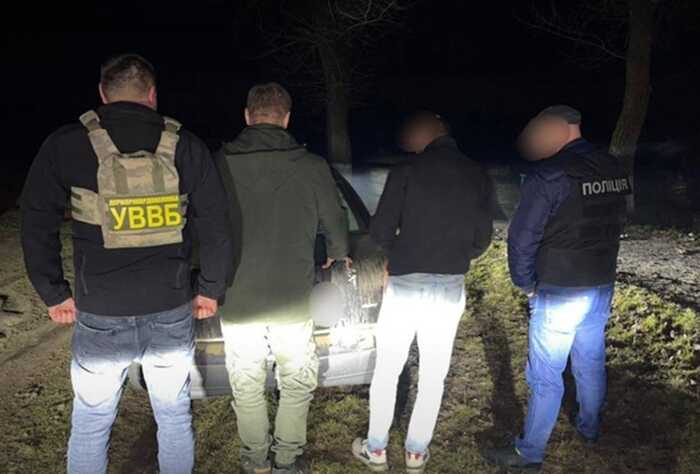
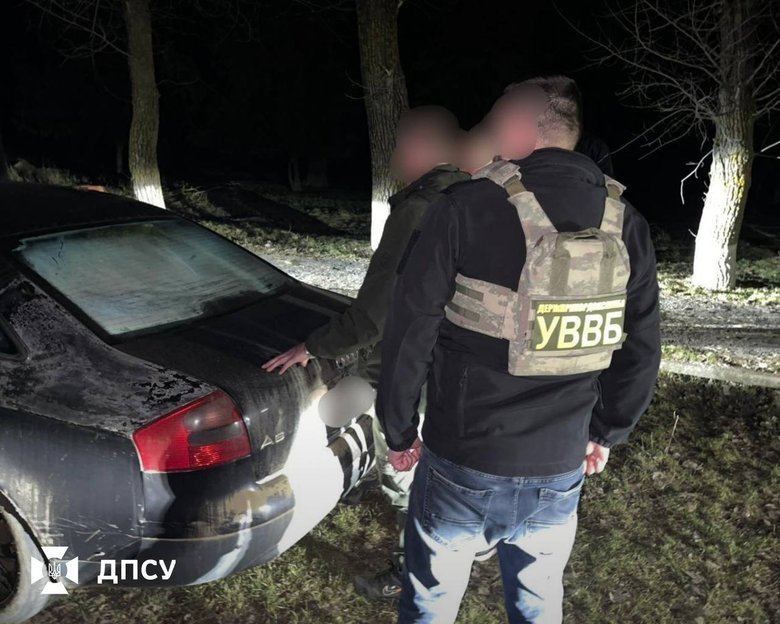
Оперативники відділу внутрішньої та власної безпеки по Білгород-Дністровському прикордонному загону спільно з поліцейськими викрили канал незаконного переправлення військовозобов’язаних чоловіків через державний кордон до Молдови.

Встановлено, що 38-річний житель Білгорода-Дністровського організував протиправну схему з нелегального перевезення осіб до сусідньої країни. Своїх клієнтів ділок підшукував через коло знайомих.

Вартість нелегального маршруту становила 6000 доларів США. Організатор спочатку призначив зустріч військовозобов’язаному у рідному місті, де отримав аванс у розмірі 1000 доларів США. Далі підвіз його ближче до кордону та проводив інструктаж щодо подальшого маршруту через польову місцевість. За це отримав решту – 5000 доларів США. Одразу після завершення “угоди” його злочинні дії припинили правоохоронці.

Зловмисника затримали на околиці одного з населених пунктів Болградського району, саме під час передачі обумовленої суми клієнтом.

Організатора затримано, йому повідомлено про підозру та обрано запобіжний захід у вигляді тримання під вартою з правом внесення застави у розмірі 266 240 гривень. Триває досудове розслідування.

Читайте по темі: На Одещині викрили схему з «мертвими душами» у військовій частині на понад 15 мільйонів гривень

ДПСУ quuiqhhidzzierhab

Sanctions on paper: how Dmytro Kovalenko, through Adelon AG, Azurit, and proxy companies, traded Russian coal during the war

Sanctions on paper: how Dmytro Kovalenko, through Adelon AG, Azurit, and proxy companies, traded Russian coal during the war

It has been widely known that after 2014, Ukraine continued to import coal from Russia despite official bans. Although the issue was not heavily emphasized, reports did highlight key individuals who profited from what was often referred to as “bloody coal.”

Among those who developed schemes allowing the purchase and, most importantly, the import of Russian coal into Ukraine, they named a certain Dmytro Kovalenko – he invented new and new ways to bypass the bans and implemented a mechanism for supplying coal from Russia and the so-called «L/DPR».

It worked roughly like this. Under the «interrupted transit» scheme, for example, Russian coal was heading to Estonia, Belarus, or Poland, but something «happened» en route, and the carrier «had to» leave the cargo on Ukrainian territory. Or the coal was delivered to conditional Poland, where it was turned back for some reason (poor quality, wrong grade, etc.), documented as a return on behalf of the «Polish» buyer, and something «happened» on the way back. There were other schemes, but their essence boiled down to one thing – how to bypass the ban and import illegal coal into Ukraine.

In the first years of the war, this caused outrage and periodic attempts to combat it, but in the last two or three years, they essentially waved it off – not just Dmytro Kovalenko was making money this way; after all, many very well-known people were involved in similar schemes. Therefore, the state sluggishly pretended to fight blood trade, and society, except for a handful of «nationalists», didn’t react to it at all.

But February 24 became a watershed when many things that eyes were turned a blind eye to on the 23rd became unacceptable. Including the long-known phrase «trade on blood», which turned from figurative to literal. However, this in no way stopped Dmytro Kovalenko; his companies continued to supply Russian coal to Ukraine using the same time-tested schemes. Good thing law enforcement didn’t react to it at all.

Читайте по темі: Faillite contrôlée et «la livre» avec un crédit de 2 000: comment Dmytro Kovalenko a siphonné les actifs d’Intercoaltrading via le «no-name» Serhiy Saprykin

The new sanctions and bans introduced against Russia and trade with it, both at the Ukrainian level and by the international community, did not hinder him either. Of course, this barrage of sanctions created some inconveniences for Kovalenko, but the schemes established back in 2014 continued to work.

Moreover – Kovalenko even increased the volumes, as most competitors either voluntarily or forcibly stopped buying Russian coal. Kovalenko operates through foreign companies that he uses to avoid taxes and bypass bans. Thanks to operating this way since 2014, he has accumulated enough of these companies, which helped after February 24 to increase the volumes of purchasing Russian coal and selling it around the world. As the proverb goes, «war for some, mother dear for others».

That was the theoretical part. Now let’s move to the practical. The editorial office has obtained documents that explain how Dmytro Kovalenko’s schemes work. Studying them makes it possible to understand which specific companies and in which countries are involved in purchasing Russian coal, and some names of people involved in these processes also become known.

Companies Sibcoal and ANTEX INTERTRADE LTD

They have written before about the companies Sibcoal and ANTEX INTERTRADE LTD, which are used to supply coal to Poland. But there is new information. This is an invoice dated July 16, 2022, between Polish Sibcoal and Belarusian «Ecoil Chemical» for the supply of Russian coal from the «Bylowska» mine.

27.09.2022 tidttiqzqiqkdant tidttiqzqiqkdhab quuiqhhidzzierhab

This is not the only purchase. Below is an excerpt from the contract between Sibcoal and ANTEX INTERTRADE LTD (which is also Kovalenko’s structure). These are so-called internal runs, but the question remains open: where did this coal come from and where did it go next.

27.09.2022

Note the amounts – we’re talking about millions of dollars.

Dmytro Kovalenko supplies Russian coal not only to Poland. Among the recipients is the Czech Republic:

Читайте по темі: After exposure of a network worth tens of millions, brothers Vladlen Hirin and Hennadiy Hirin began scrubbing the internet of traces of criminal schemes

27.09.2022

Note the date – February 27. On the fourth day of the war, Dmytro Kovalenko’s company ANTEX INTERTRADE LTD is shipping Russian coal to the Czech Republic.

However, it’s probably unfair to accuse the Poles of inaction – apparently, they started an investigation, because, according to the registry extract, Kovalenko changed the name of the Sibcoal structure – as of 18.08.2022, it is called Polska Grupa Importowa Premium.

Company Adelon AG  

This company also continued to cooperate with Russian and Belarusian companies after February 24. It is registered in Switzerland, but belongs to Dmytro Kovalenko.

These are two invoices dated July 28, 2022.

27.09.2022

27.09.2022

The amounts are small, but that’s not the main point. The main thing is that these documents confirm the Swiss company of Dmytro Kovalenko working with Russian coal.

And this is an extract from the contract with the company «MelTEK», from which it is clearly visible that during the war, Adelon AG, just like Azurit (more on it below), directly purchases coal from a Russian company.

27.09.2022

Dmytro Kovalenko does not disdain and continues to work and earn together with the Russians.

Company Plaimp SFP Limited

We did not find evidence of this company’s trade with Russian coal producers, but Kovalenko uses this structure for debt assignment.

27.09.2022

The invoice from Plaimp SFP Limited to HAMPTON RESOURCES LIMITED – a company in the orbit of the Kazakh company LLC EximArtis – also draws attention.

27.09.2022

This information is currently being verified, but apparently, it can be confidently stated that Kovalenko will build new schemes through Kazakhstan.  

Joint project of Dmytro Kovalenko and Oleksandr Kurpetko – company Azurit DWC-LLC  

Dmytro Kovalenko is not the only player in the shadow market of Russian coal trade. Oleksandr Kurpetko, who previously worked at Akhmetov’s «Metinvest Holding», where he was responsible for coal procurement, takes an active part in this process. Before joining «Metinvest», Oleksandr Serhiyovych was responsible for coal procurement at «Donetskstal» company, and now works in the Ukrainian office of Trafigura company, where he does the same – coal procurement, but now for Rinat Akhmetov’s DTEK and the state-owned «Centerenergo».

Kurpetko and Kovalenko registered the Azurit DWC-LLC company through a nominal Romanian. In fact, they manage this structure. By the way, coal market participants know very well who actually owns all the nominal companies, and it’s a «secret» only for law enforcement.

Here is the company’s license, which states that Romanian Chemal Giumali is the owner and director of the company:

27.09.2022

Notably, all founding documents were notarized in Moscow and at the Russian consulate in Dubai.

And here is an appendix to the contract:

27.09.2022

And – an invoice:

27.09.2022

These documents (not the only ones) clearly confirm: Azurit DWC-LLC company throughout 2022 actively cooperates with «MelTEK» company and buys coal from it. Although the destination country is South Korea, there is a big question – where it went next.

Knowing that Oleksandr Kurpetko has the opportunity to sell this coal to Trafigura company, it is not excluded that Azurit DWC-LLC will further sell this coal to Trafigura. If this is confirmed, one of the world’s largest traders will have big problems.

The fact why specifically «MelTEK» company sells coal to Dmytro Kovalenko is explained by the fact that all sales at «MelTEK» are currently managed by Kovalenko’s longtime friend – Yevhen Potapov, who for a long time worked as the financial director of «Industrial Union of Donbas» in Ukraine, and now actively helps manage the seized enterprises in the uncontrolled territories of «DPR» and «LPR», such as Alchevsk MK, Yenakiyevo MK. By the way, the contract between «MelTEK» and Azurit was signed in May, when active combat operations were in full swing.

List of counterparties to which Kovalenko’s structures supply their products:

– Terracone, TUZ, CTL Logistics, POLCARGO-MEDYKA Sp. z oo, Trade Trans Combi, ELEKTO-STAL, Sped Trans Polska Sp. z oo, ADS SYSTEM.

Kovalenko’s employees who directly oversee the above agreements:

– Oleksandr Shepel,

– Yuriy Feofanov (+38(096) 105-86-85),

– Dmytro Feofanov (+38(099) 778-37-26),

– Kyrylo Kheyko.

In addition to the documents cited in the text of this short investigation, the editorial office has others that confirm everything written above about Dmytro Kovalenko’s cooperation with Russia. We are ready to provide them to any law enforcement agency that finally becomes interested in what is happening in the coal market of Europe and Ukraine, where Dmytro Kovalenko’s structures supply Russian coal. At least we comfort ourselves with such hope. Because the war has been going on for eight years. And its active phase – over seven months. But trade in Russian coal is only gaining momentum. Isn’t it time to put an end to this activity?

P.S. Upon request from law enforcement agencies, we will provide all documents that can assist the investigation.

Півмільйона на «мертвих душах»: на Київщині судитимуть ексдиректорку дитсадка

Півмільйона на «мертвих душах»: на Київщині судитимуть ексдиректорку дитсадка

Правоохоронці Київщини оголосили підозру колишньому директору дитячого садка, яка влаштувала до дошкільного закладу двох знайомих, хоча ті насправді не виконували обов’язків.

Про це повідомила прес-служба обласної прокуратури у понеділок, 13 квітня.

Керівниця дошкільного навчального закладу в Іванкові на Вишгородщині організувала схему із “мертвими душами”. Директорка оформила на посаді помічників вихователів двох знайомих.

Однак вони не виходили на роботу, хоча протягом двох років отримували заробітну плату, премії та надбавки. Щоб приховати їхню відсутність, жінка вносила неправдиві дані до табелів обліку робочого часу та бухгалтерських документів. 

Також зарплату незаконно виплачували їй та ще трьом співробітницям, коли вони перебували за кордоном. Таким чином із державного бюджету було викрадено понад 539 тисяч гривень.

Читайте по темі: Кероване банкрутство і «фунт» із кредитом на 2 тисячі: як Дмитро Коваленко вивів активи «Інтеркоалтрейдингу» через «ноунейма» Сергія Саприкіна

Наразі триває досудове розслідування. Правоохоронці встановлюють причетних та можливість відшкодування завданих збитків.

Директору повідомили про підозру у розтраті майна шляхом зловживання службовим становищем, що супроводжувалося службовим підробленням документів. Їй загрожує позбавлення волі на строк до восьми років із конфіскацією майна.

У Харкові ДБР викрило наркосиндикат на чолі з кримінальним авторитетом

У Харкові ДБР викрило наркосиндикат на чолі з кримінальним авторитетом

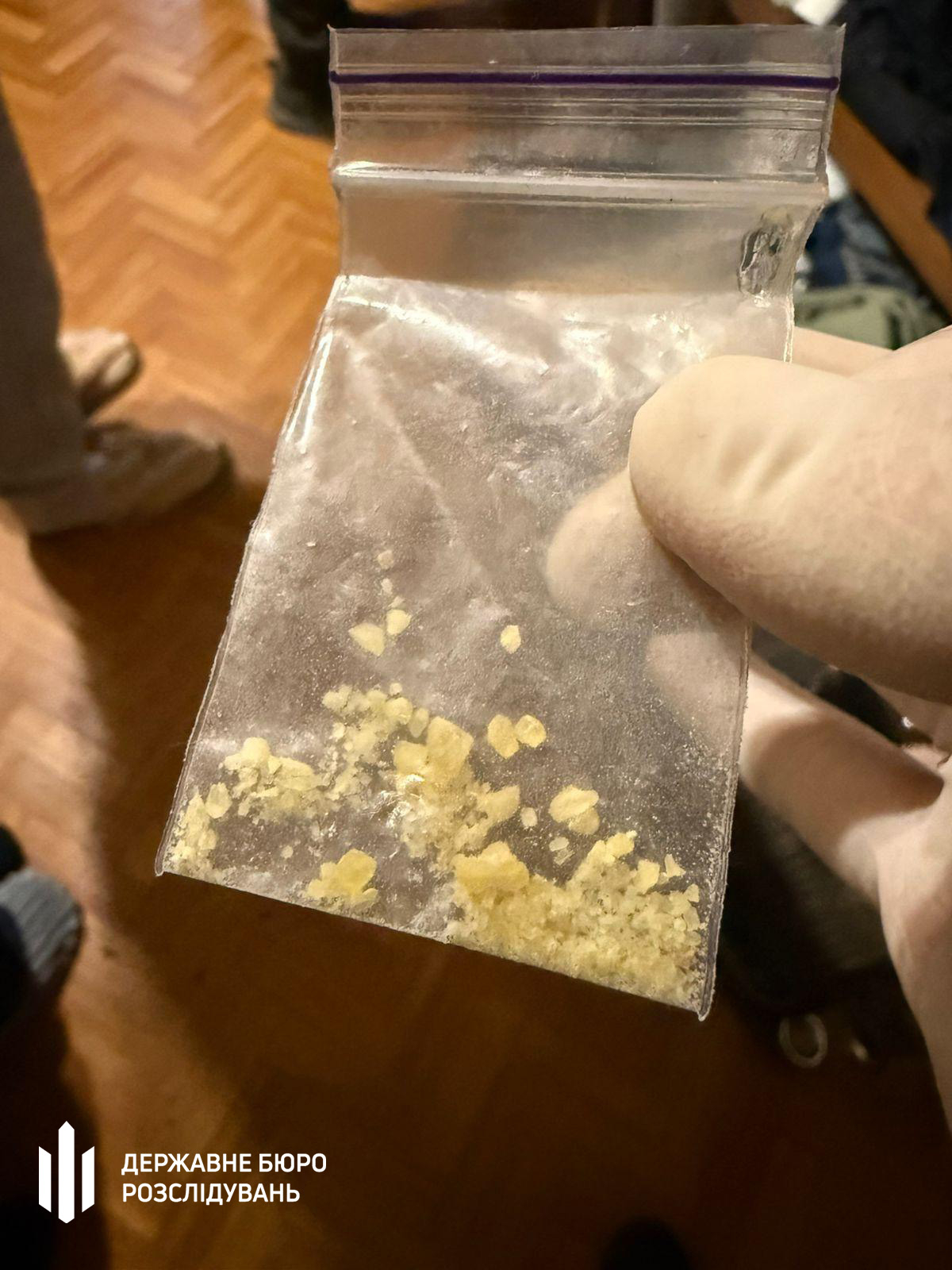
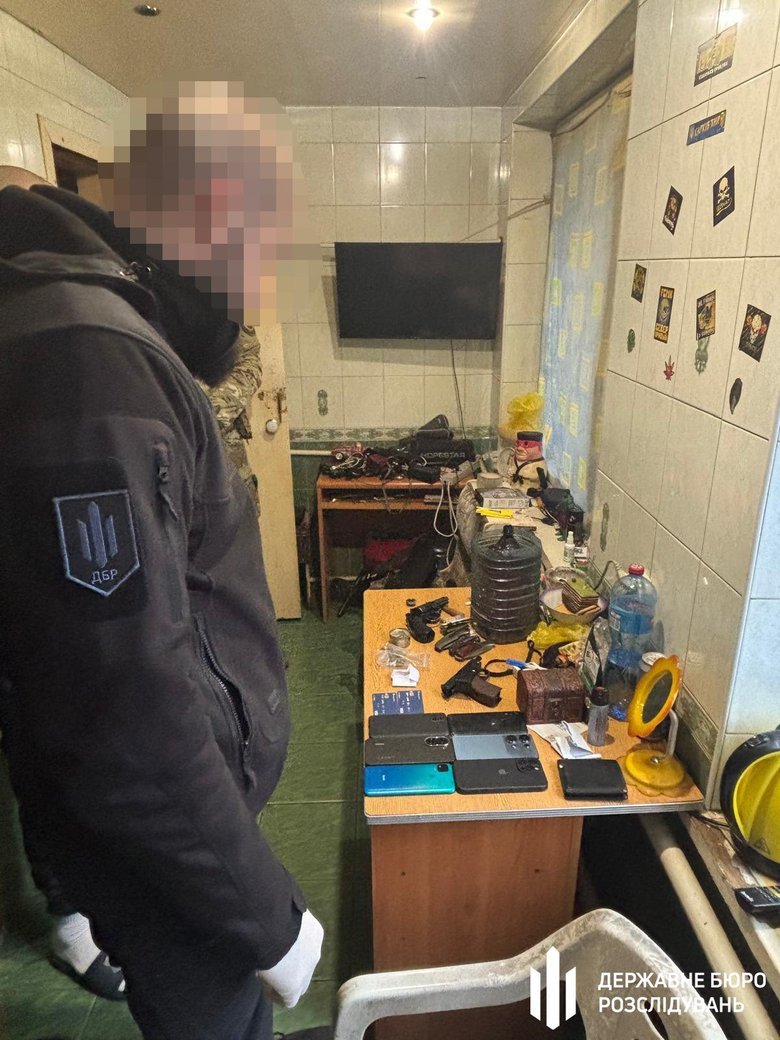
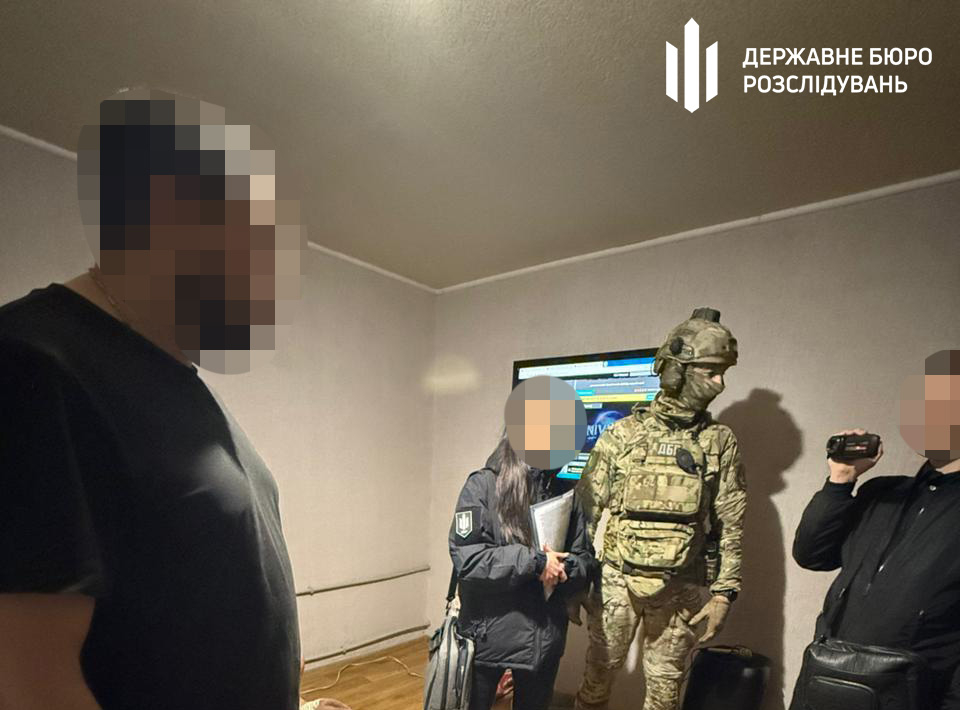
Працівники ДБР за сприяння керівництва Нацполіції викрили у Харкові злочинну організацію, яка налагодила масштабний збут наркотиків і психотропних речовин.

До її складу входив місцевий правоохоронець, який прикривав діяльність угруповання.

За даними слідства, організатором був кримінальний авторитет, який “призначив себе смотрящим” за одним із районів міста. До справи він залучив щонайменше дев’ятьох спільників.

Основним “товаром” була небезпечна психотропна речовина PVP. Її продавали цивільним, але намагались поширити бізнес на представників Сил оборони України.

У ході багатоетапної спецоперації слідчі встановили один із каналів постачання — наркотики надходили до Харкова з Києва.

Читайте по темі: «Смотрящий» за PlayCity Андрій Астапов витратив понад 1 мільйон доларів на люксові авто під час війни

Торгівлю ділки організували цілодобово в одному з гуртожитків міста. Для конспірації учасники постійно змінювали кімнати, а передачу здійснювали “з рук у руки”. Місцеві жителі неодноразово скаржилися на цей наркопритон, однак правоохоронець ігнорував заяви та списував їх як неактуальні.

Що відомо?

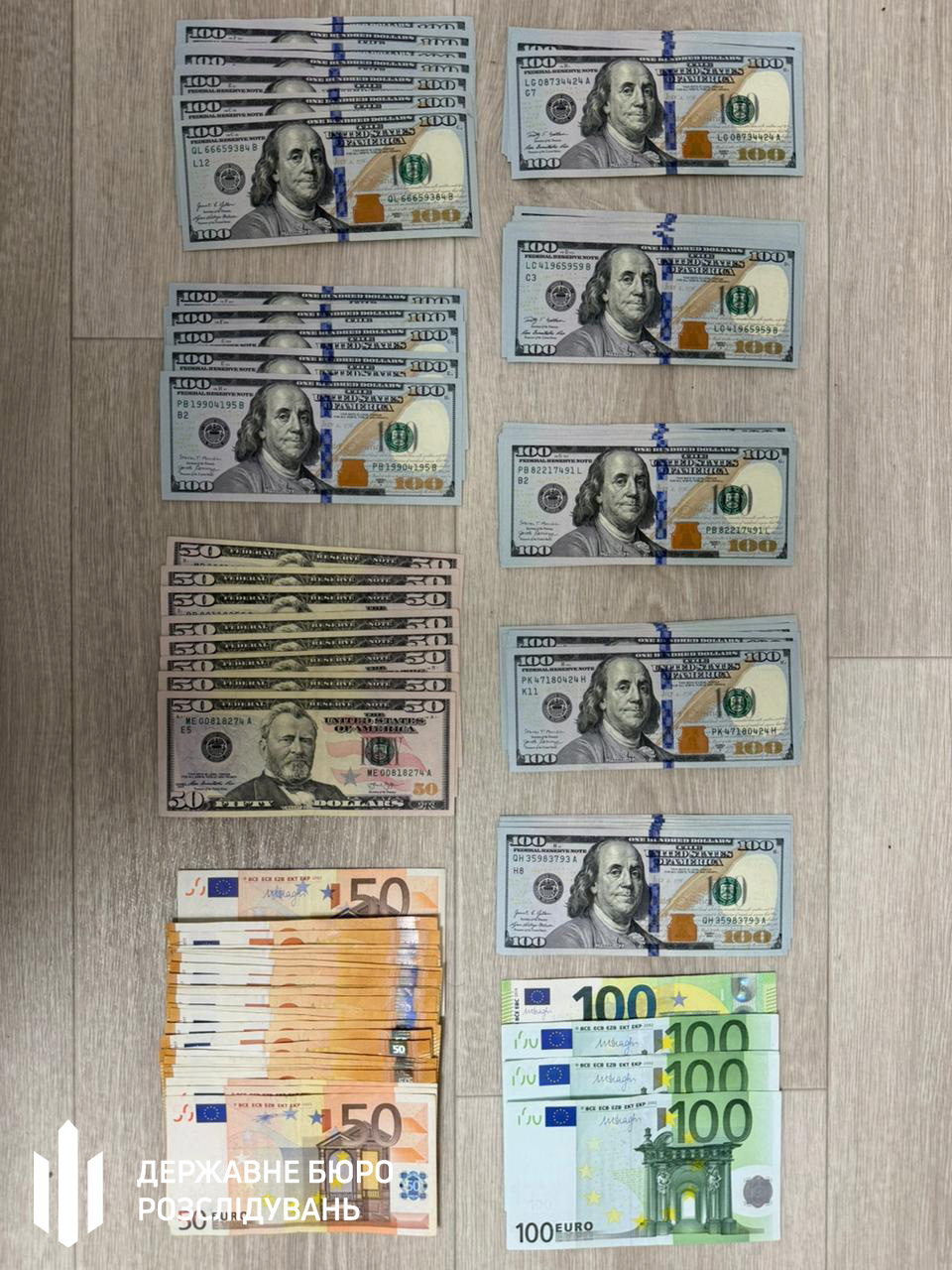
Загалом слідчі Бюро зафіксували збут близько 9 кілограмів наркотиків і психотропів на суму понад 3 мільйонів гривень. За оперативною інформацією, щомісяця ділки продавали понад 6 тисяч доз.

Частину коштів організатор спрямовував на підтримку кримінального середовища, зокрема надсилав передачі до місць позбавлення волі.

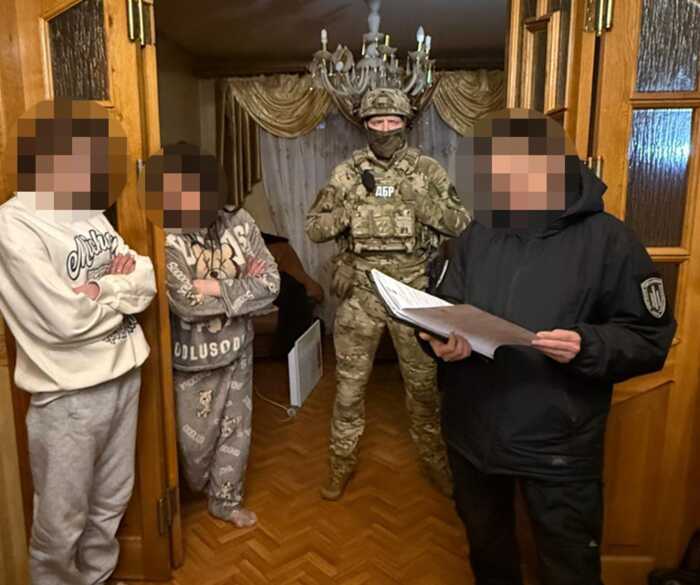
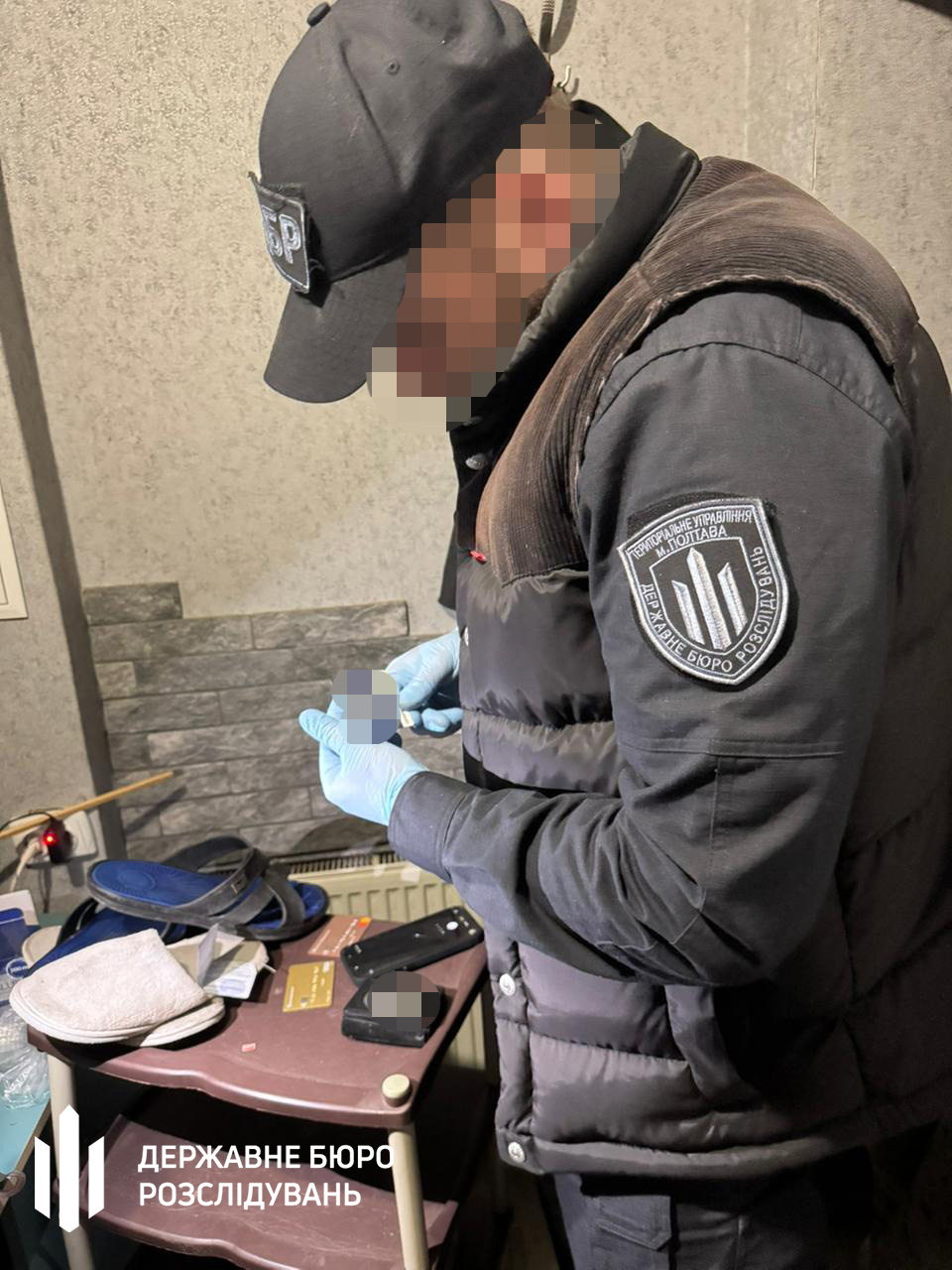
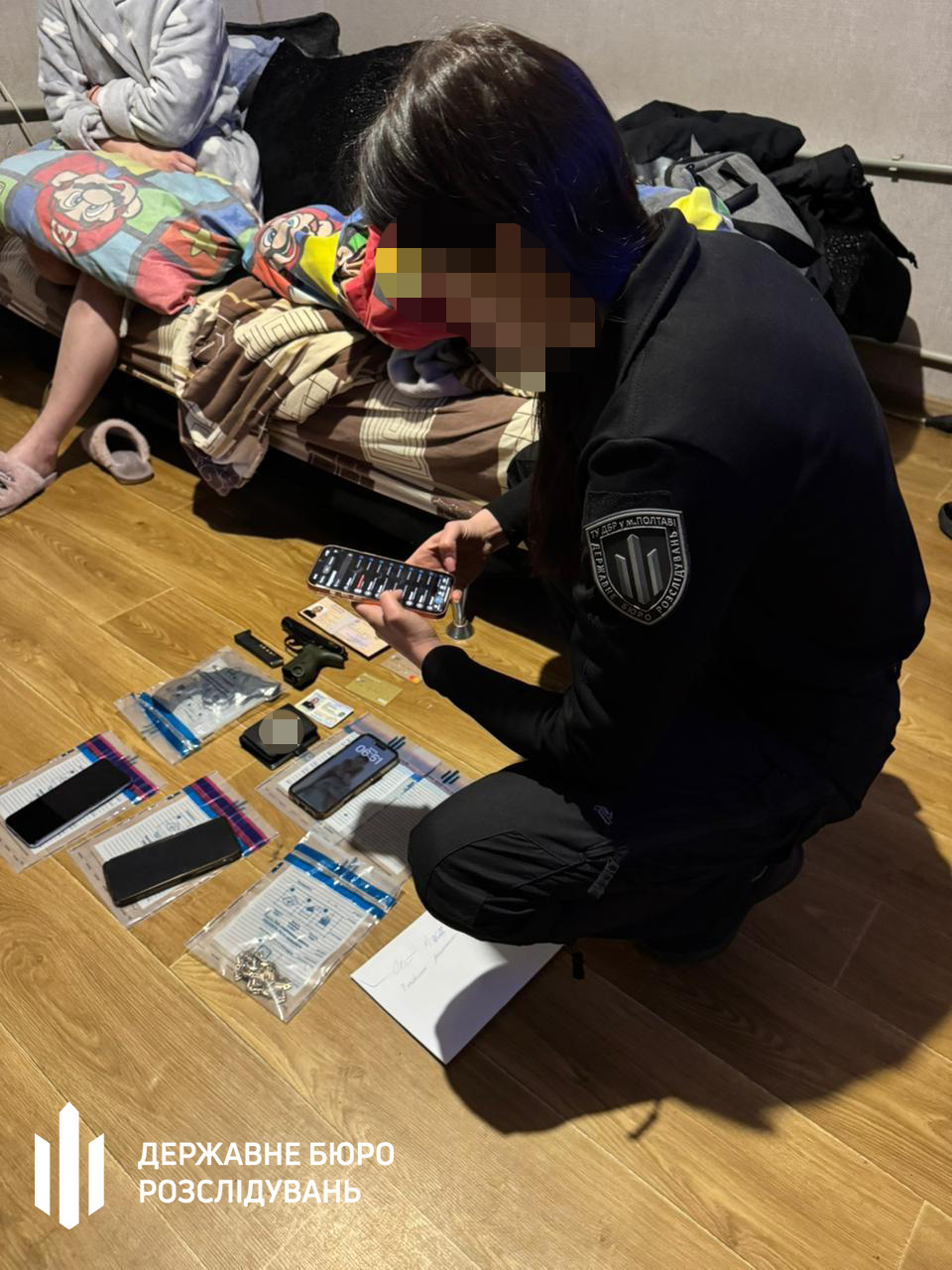
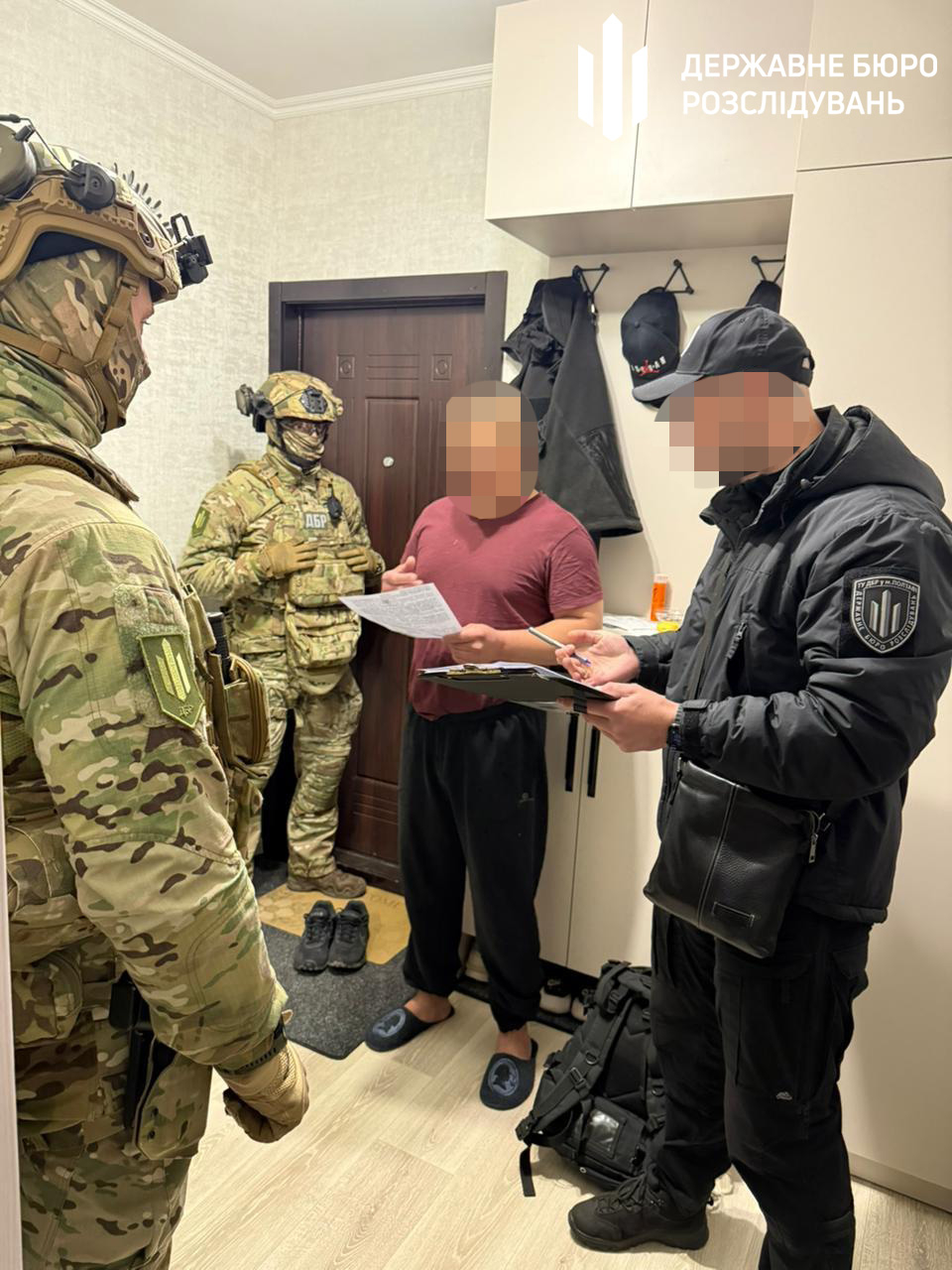
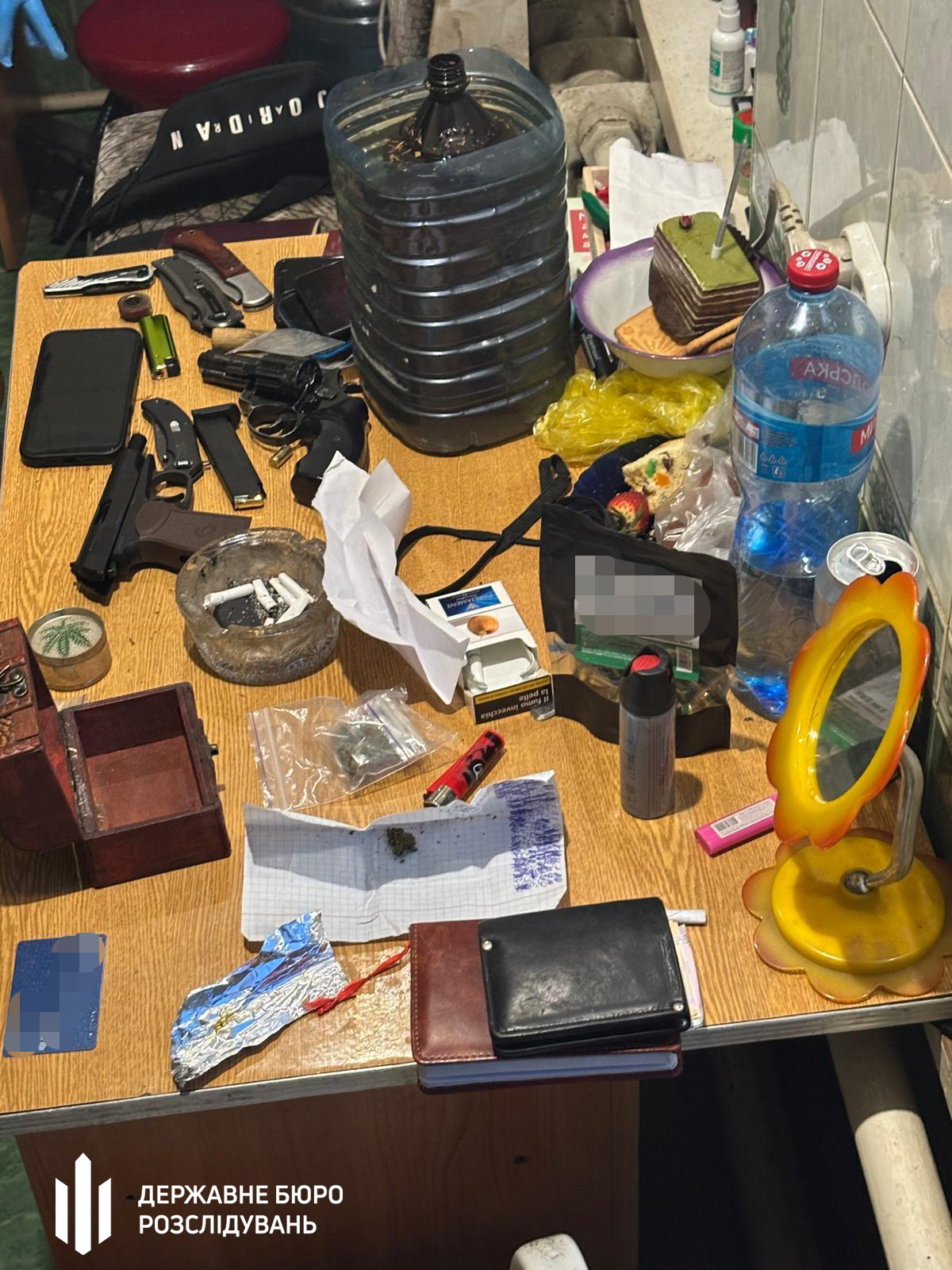
Під час спецоперації працівники ДБР провели 25 обшуків. Вилучили наркотики, ваги, мобільні телефони, комп’ютерну техніку із доказами злочинної діяльності, зброю, а також майже пів мільйона гривень готівки та золоті прикраси вагою близько 100 грамів.

Затримано 10 учасників угруповання, серед них — організатор та правоохоронець.

Фігурантам повідомлено про підозру у створенні та участі у злочинній організації, а також у придбанні, зберіганні та збуті психотропних речовин.

Вирішується питання щодо обрання запобіжних заходів.

За цими статтями підозрюваним загрожує до 13 років позбавлення волі з конфіскацією майна.

Досудове розслідування триває. Слідчі встановлюють усіх причетних, а також перевіряють можливу участь інших правоохоронців у прикритті наркоторгівлі.

Читайте по темі: Схема Корольова і Барвіненка: в Одесі викрили схему «двірників» на Tesla, через яку з ЖЕКів вивели 15 мільйонів

наркотики quuiqhhidzzierhab
наркотики
наркотики
наркотики
наркотики
наркотики
наркотики
наркотики
наркотики
наркотики
наркотики