Водій у авто поруч ледь врятувався: Буревій у Харкові зірвав дах із багатоповерхівки (відео)

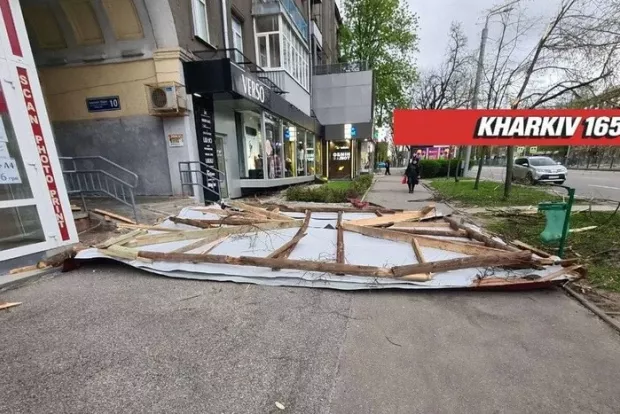
Під час негоди, яка супроводжується поривами шквального вітру, у Харкові зірвало шматок даху з багатоповерхового будинку. Він ледь не влетів в автівку, яка рухалась дорогою. Цей момент потрапив на запис відеореєстратора автомобіля, який проїжджав проспектом Науки – однією з центральних магістралей Харкова, інформують Патріоти України.

Як видно на опублікованих кадрах, фрагмент даху перелетів через широку проїжджу частину проспекту із кількома смугами для руху транспорту.

При цьому водій автівки вчасно загальмував і врятувався від удару конструкції, яка, приземлилася на тротуар із протилежного боку вулиці. У місцевих пабліках повідомили, що внаслідок стихії у Харкові повалено понад 30 дерев.

Скоро буде “в гостях” у диктатора: Нафтова пляма з Туапсе наближається до палацу Путіна в Геленджику (фото)

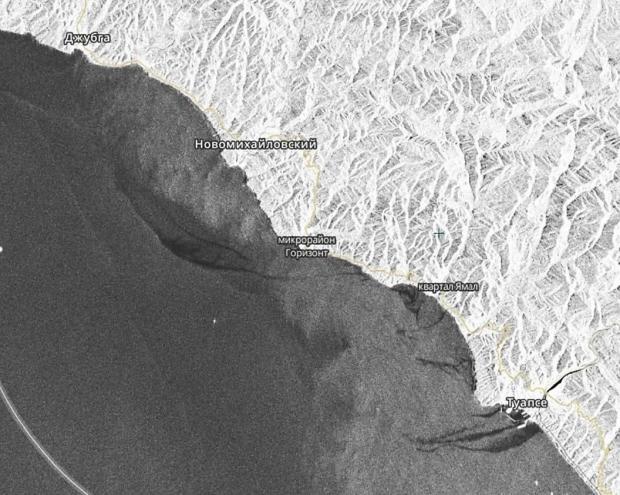
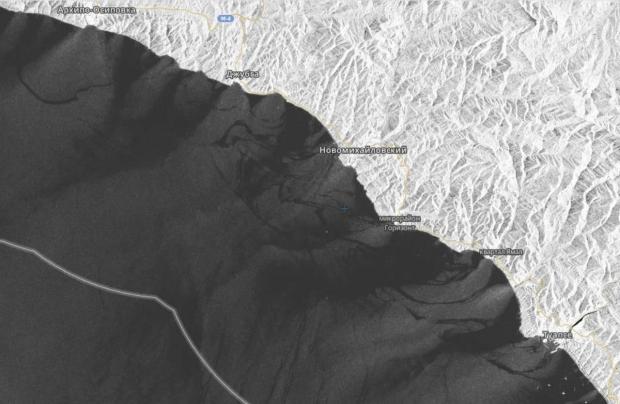
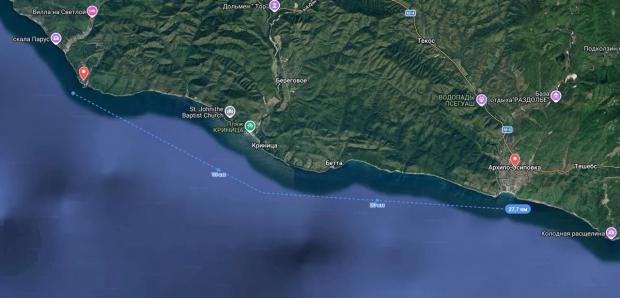
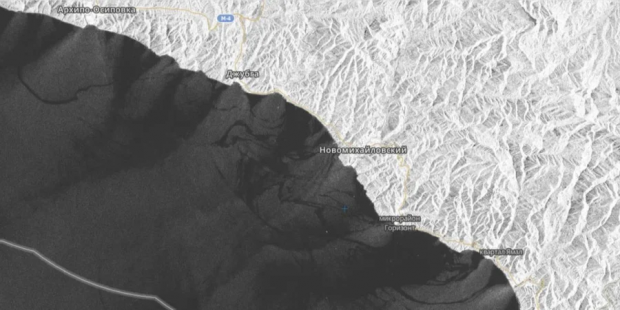
Нафтова пляма, що з’явилася в Чорному морі після атаки БпЛА на морський термінал Роснефть в Туапсе, просунулася на північ. На супутниковому знімку, зробленому 26 квітня, її помітили за 30 км від палацу російського диктатора Володимира Путіна на мисі Ідокопас. Край плями на знімку виявився на відстані 50 км від Туапсе. Про це повідомляє проєкт екологічного моніторингу Прозорий світ, передають Патріоти України.

Забруднення зафіксували біля села Архипо-Осиповка, яке входить до складу Геленджика. На знімку, зробленому 25 квітня, північний край плями був біля селища Новомихайлівський за 25 км від Туапсе.

Знімок за 26 квітня (Фото: Прозрачный Мир/Telegram)

Прозрачный Мир/Telegram

Агентство. Новости з посиланнням на еколога пише, що забруднення схоже на нафтова, але з домішками інших нафтопродуктів.

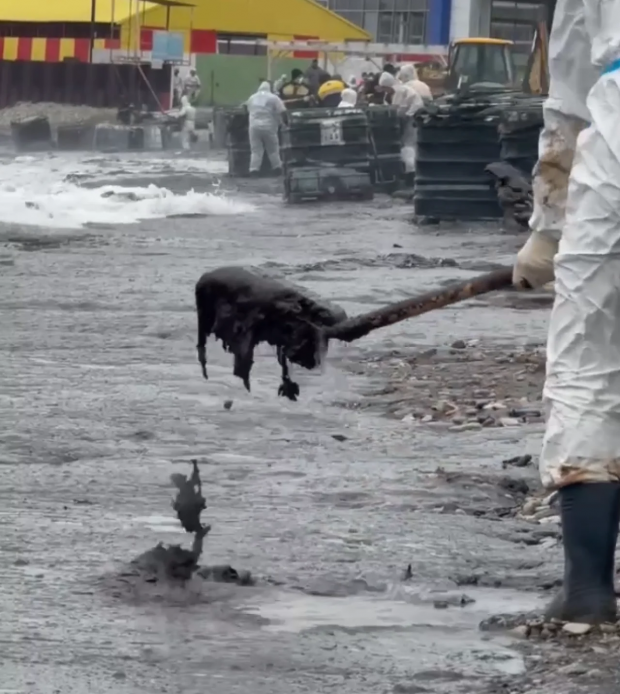
27 квітня оперативний штаб Краснодарського краю звітував, що з трьох ділянок пляжів міста зібрали 4 165 кубометрів забрудненої нафтопродуктами ґрунту та «водомазутної суміші». За даними оперативного штабу, роботи тривають на території морського термінала, звідки сталася витік, та в гирлі річки Туапсе.

26 квітня місцеві жителі опублікували відео, на якому видно, як мазут з пляжів Туапсе прибирали лопатами. Повідомлялося, що не вистачає людей та техніки.

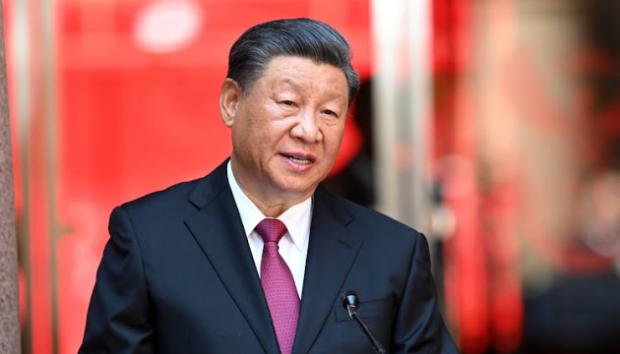
Подарунок для Сі: Чому Китай став головним переможцем у війні США проти Ірану

Війна в Ірані та тривала блокада Ормузької протоки, яка перекрила п’яту частину світових поставок вуглеводнів, змусили країни по всьому світу шукати термінову альтернативу нафті та газу, передають Патріоти України із посиланням на CNN.

Головним переможцем у цій ситуації виявився Китай, чий експорт «нової трійки» технологій – сонячних панелей, акумуляторів та електромобілів – у березні досяг історичних максимумів. За даними аналітичного центру Ember, шок поставок викопного палива став потужним каталізатором для глобального переходу на відновлювану енергію, особливо в Азії та Африці, які найбільш вразливі до цінових коливань.

Лише за березень Китай експортував сонячних технологій загальною потужністю 68 гігават, що на 50% перевищило попередній рекорд. П’ятдесят країн світу встановили нові максимуми імпорту китайських панелей, розглядаючи сонячну генерацію вже не просто як екологічний вибір, а як основу національної енергетичної безпеки. Експерти наголошують, що ера безпеки викопного палива остаточно завершилася, і нинішні волатильні ціни роблять сонячну енергію та акумулятори єдиним логічним вибором для споживачів. Зокрема, експорт китайських акумуляторів у березні сягнув 10 мільярдів доларів, продемонструвавши стрімке зростання на ринках ЄС, Індії та Австралії.

Нафтова криза також прискорила поширення електротранспорту, що дозволило суттєво знизити світове споживання нафти. Китайські виробники електромобілів звітують про вибухове зростання закордонних продажів – експорт у березні зріс на 140% порівняно з минулим роком. Прикладом успішної адаптації став Пакистан, який завдяки масовому впровадженню дешевих китайських сонячних панелей зміг заощадити мільярди доларів, що раніше витрачалися на імпорт дорогущої нафти.

Хоча частина березневого стрибка експорту була зумовлена накопиченням запасів перед зміною податкового законодавства в Китаї, аналітики переконані, що конфлікт на Близькому Сході сформував довгостроковий тренд. Державні інвестиції Пекіна в «зелені» галузі не лише забезпечили йому енергетичну самодостатність, а й перетворили країну на ключового геополітичного партнера для держав, що прагнуть захистити свою економіку від наслідків війн за викопні ресурси. Таким чином, чиста енергія стає не лише інструментом екологічної політики, а й головним фактором економічної виживаності в умовах глобальної нестабільності.

Billions from casinos bypassing the budget during the war: how the Cosmolot case of Russian Sergey Tokarev and “frontman” Zborovskyi “dissolved” without verdicts or confiscations

Billions from casinos bypassing the budget during the war: how the Cosmolot case of Russian Sergey Tokarev and “frontman” Zborovskyi “dissolved” without verdicts or confiscations

Billions appear in BES press releases, but there is little mention of what ultimately reaches the state budget. As Ukraine endures its fifth year of full-scale war, every cent matters for national survival. Even as the government increases taxes, encourages the public to buy war bonds, and appeals for international aid, one domestic industry continues to prosper, with revenues running into the tens of billions.

We are talking about online casinos, where, according to YouControl analytics, the official turnover in 2023 alone exceeded 55.6 billion UAH.

This is reported by StopCor.

However, behind the shiny banners and promises of easy wins lies another reality: billion-dollar tax evasion schemes, the use of “miscoding” schemes, and close ties with the aggressor country. One of the most telling examples of this “gray” zone is the case of the company Cosmolot (LLC “SpaceX”), which was once the first licensee in the market but later found itself at the center of a major scandal.

 tidttiqzqiqkdinv quuiqhhidzzierhab

Читайте по темі: Номінал із кредитом у 2 тисячі гривень і фабрика на мільйони: як Сергій Саприкін став “ширмою” у злочинній схемі вугільного махінатора Дмитра Коваленка

A billion in headlines — zero in the budget

In February 2024, the Bureau of Economic Security (BES) reported on exposing one of the largest market players in evading 1.2 billion UAH in taxes. According to the investigation, the scheme was classic for the gambling “underground”: the use of over 30 “mirror” sites and substitution of payment purposes (miscoding) — a scheme under which payouts to players were recorded not as winnings, but as deposit refunds, allowing to avoid paying PIT and military levy.

According to the investigation’s calculations, the company paid out 4.5 billion UAH in winnings, without paying 1.1–1.2 billion UAH in taxes to the budget. As part of the case, about 700 million UAH were seized on the company’s accounts. The company’s name was not mentioned in the official press release, but sources in law enforcement confirmed to the media: it was precisely Cosmolot.

But then unfolds, unfortunately, a typical scenario for this market.

In April 2024, the BES officially confirmed the criminal proceedings. Meanwhile, Cosmolot co-owner, German investor Arnulf Damerau, in an interview with the Financial Times stated that “corrupt officials in law enforcement agencies” are trying to extort tens of millions of euros from him, promising in return to lift all legal issues. According to him — this is “raiding, not a real law enforcement investigation.”

Who is right — the court was supposed to find out. But Themis suddenly tipped the scales in favor of the gambling giant. Because in September 2025 the Shevchenkivskyi District Court of Kyiv lifted the arrest from the accounts of LLC “SpaceX” after the company, according to the case materials, “voluntarily remedied the harm and fully paid all taxes and levies in accordance with the examination conducted by the pre-trial investigation body.”

Without a verdict. Without confiscation. Without a public report on what amount actually went to the budget.

As of 2026, the high-profile case seems to have completely turned into an informational “fizzle.” While in cases of other operators, such as Pin-Up (2.6 billion UAH recovered) or Parimatch (1 billion UAH), there are concrete results (although questions remain regarding Parimatch, as the company hid not one, but 15 billion from taxation), in the case of Cosmolot, there are no final court verdicts or reports of actual funds entering the budget at all!

Читайте по темі: Fake “designer” for $50,000: Denys Shtilerman-Danilov played the role of a Fire Point expert for years

This raises an uncomfortable question: is the Cosmolot issue being “resolved” outside the criminal proceedings, converting into sums with many zeros in the pockets of specific officials, instead of state accounts?

Russian trail and “Crimean vacations” of beneficiaries

However, the tax issue is just the tip of the iceberg. The national security problem may turn out to be much sharper. According to numerous journalistic investigations and documents that came into the possession of the media, the actual controller of Cosmolot may be Russian citizen Sergey Tokarev.

Officially, until the fall of 2024, the ultimate beneficiary of LLC “SpaceX” was listed as Serhiy Potapov. Later, Arnulf Damerau appeared in the register. But a number of media — 368.media, Argument, Antikor, Spilno — suggest: Potapov is a front man, and the real owner is Tokarev.

Sergey Tokarev is the co-founder of the investment group Roosh, formerly an active player in the Russian gambling market. In Russia, he, according to journalists, promoted the “Vulcan” casino and Vulkan.bet — in the networks of Konstantin Malofeyev, one of the ideologues of the “Russian world.” Casinos in Russia are banned and under strict FSB control, but according to the media, this did not hinder Tokarev — precisely thanks to the patronage of Maloofeyev, who controlled a stake in Rostelecom.

In 2016, Tokarev was sanctioned by the NSDC on suspicion of financing the militants of the “DPR” and “LPR.” Ten restrictions were imposed, including asset blocking and prohibition of financial transactions.

In 2020, the sanctions were lifted early. It was right after that that Tokarev, according to the media, intensified his presence in Ukraine. In 2022, the Minister of Digital Transformation Mykhailo Fedorov, in an interview with LB.ua, reported that Tokarev had been trying to obtain Ukrainian citizenship for almost two years. Later, the text of this interview disappeared from the media’s website.

The businessman, according to investigations, maintains close ties with the RF: at least three apartments in Izhevsk and Udmurtia, cars with Moscow government plates, 172 flights to Moscow since 2016 — and documented trips to occupied Crimea. In 2023, i.e., already after the start of the full-scale invasion, as evidenced by documents available to the editorial office, he signed a power of attorney for the sale of a parking space in Moscow.

While the BES was conducting a “quiet” investigation, Cosmolot distinguished itself with aggressive and sometimes dubious behavior in the market. At the beginning of 2024, the company got into a conflict with monobank, creating a clone app “Monoban Casino” using someone else’s styling. The bank’s co-founder Oleg Gorokhovsky publicly called it an attempt to illegally use the brand and blocked payments in favor of the casino, offering the company to pay 10 million hryvnias for the needs of the Armed Forces as an “apology.”

COSMOLOT “died.” Long live COSMOBET?

But the real apotheosis of this story happened after the BES investigation gained public attention.

In October 2024, the Telegram channel Insider and a number of media reported: Tokarev, apparently realizing that the legal fate of Cosmolot was becoming unpredictable, resorted to the classic trick of “changing shoes” — and launched a new online casino Cosmobet.

The scheme is simple and at the same time cynical. Back in March 2024 — simultaneously with the unfolding of the BES investigation — LLC “NeuroLink” obtained a KRAIL license to operate an online casino. The official launch of the Cosmobet platform took place in early June 2024.

According to From-UA, Cosmobet was registered to Mykhailo Zborovskyi, who previously managed Cosmolot, and former operational director of “cosmo” Dmytro Dyachenko was involved in the work. The money, according to journalists, was withdrawn through Cypriot offshore companies — and further to Russia.

The irony of the situation is in the names: LLC “SpaceX” (Cosmolot) and LLC “NeuroLink” (Cosmobet). SpaceX and Neurolink — companies of Elon Musk. The person behind these casinos is obviously a fan of the world’s richest businessman. But the methods of operation differ somewhat.

And although LLC “NeuroLink” officially denied any connection with Tokarev and LLC “SpaceX,” emphasizing that it is an independent operator. However, the coincidence of the management staff, the similarity of the brand name, and the launch timeline — right in the midst of the high-profile scandal around Cosmolot — leave the question open.

Moreover, the technical infrastructure of Cosmolot turned out to be closely intertwined with another sanctioned giant — Parimatch. Domains of both companies were hosted on shared servers (lottery-cloud.com), which may indicate coordinated gambling projects that for years withdrew funds from Ukraine to offshore and to the RF.

Where are the law enforcers looking?

The question is rhetorical, but the answer requires specifics. Ukraine’s law enforcement agencies — both BES, SSU, and KRAIL — formally respond to market problems. Criminal proceedings are indeed opened. Searches are conducted. Statements for the media are made.

But there are several systemic problems pointed out by journalists and analysts.

First, financial intelligence and sanctions legislation often exist in parallel planes. Sergey Tokarev was sanctioned in 2016 for financing militants — and exited sanctions in 2020. Since then, his business in Ukraine has grown rapidly. At the same time, ties with Russia — real estate, trips, business contacts — according to the media, have not disappeared anywhere. Question: did the competent authorities systematically check these ties?

Second, the “label re-gluing” scheme — from Cosmolot to Cosmobet — worked without interference. The then regulator KRAIL issued a license to the new company with the same management.

Third, April 2024 was marked by a decree from Zelenskyy, under which the SSU was obliged to check all licensed gambling operators for compliance with sanctions legislation — i.e., ties with the RF. Cosmobet received the license a month before this decree. What the SS

U found as a result of the check is publicly unknown.

There is another dimension to this story that cannot be ignored.

Online casinos in Ukraine actively monetize an audience that includes military personnel. The problem of pathological gambling addiction among the Armed Forces personnel has become so serious that in April 2024, the NSDC introduced restrictions on online gambling specifically with this wording.

Against the backdrop of this decision — the fact that a casino suspected of billion-dollar tax evasion, including the military levy, continued to operate, and its likely owner with a Russian passport was launching new projects — acquires a particularly bitter taste.

The military levy, recall, is a direct contribution to army funding. The same Ukrainian army that is fighting the country with which businessman Tokarev is linked.

Instead of a conclusion: questions without answers

This article is not a verdict. Tokarev’s connection with Cosmolot is not officially proven. The company itself denies all accusations and insists on its integrity. Cosmobet officially denies any relation to Cosmolot and Tokarev.

But there are questions that Ukrainian society — and first of all the law enforcement system — is obliged to answer publicly.

How did a company with a 27-billion annual revenue quietly settle a billion-dollar tax dispute without a verdict and public accountability?

Why does a Russian citizen who, during a full-scale war, signs documents for the sale of Moscow real estate and maintains close ties with the aggressor country, continue to do business in Ukraine?

And most importantly: if the gambling market generates over 55 billion UAH per year, why does the share of these funds that actually goes to the budget of a warring country remain a matter of “quiet” judicial settlement rather than transparent public reporting?

The online casino market during the war is not a question of morality or public condemnation. It is a question of state finances, sanctions control, and whether the rule of law really exists in Ukraine.

The answer to this question can be seen not in press releases of law enforcement agencies. But in the line of budget revenues. Society awaits the answer: how much money will actually return to the budget, and who will be held accountable for years of “blindness” of the controlling structures?
РФ атакувала портову інфраструктуру Одещини: пошкоджено торгове судно

РФ атакувала портову інфраструктуру Одещини: пошкоджено торгове судно

Вночі 26 квітня 2026 року війська РФ знову атакували портову інфраструктуру Одещини.

Про це віцепрем’єр-міністр із відновлення – міністр розвитку громад та територій Олексій Кулеба повідомив у телеграм-каналі.

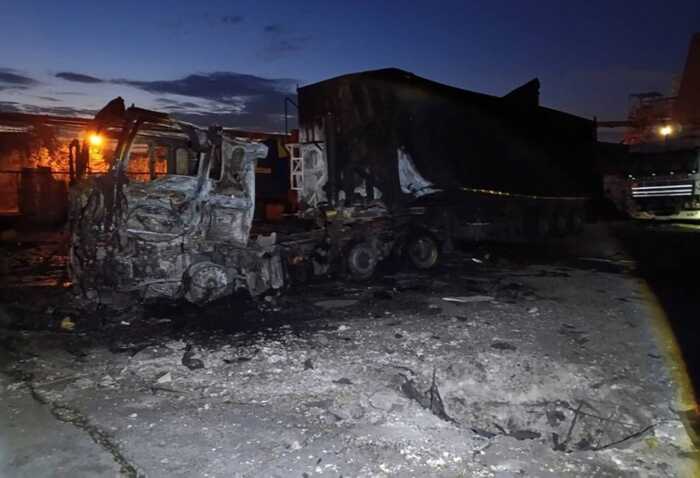
Як зазначається, внаслідок атаки пошкоджено об’єкти портової та логістичної інфраструктури, складські приміщення, технічне обладнання, резервуари для зберігання вантажів, адміністративні будівлі, а також вантажний транспорт.

Пошкоджено цивільне судно

Зафіксовано пошкодження цивільного судна під прапором Палау, яке перебувало в порту під завантаженням. Серед членів екіпажу, за попередньою інформацією, постраждалих немає.

На місці працюють пожежні підрозділи та всі відповідальні служби.

“Росія продовжує цілеспрямовано бити по цивільній інфраструктурі, яка забезпечує роботу економіки, експорт та продовольчу безпеку світу”, – наголосив український міністр.

Denys Shtilerman, Fire Point, and “Flamingo”: a defense industry hero or a facade for big money?

Denys Shtilerman’s official profile now presents an almost impeccable image: an accomplished engineer, developer of cutting-edge defence technologies, and a central figure in rocket and drone projects such as Fire Point and the Flamingo programme.

The public media image of Denys Shtilerman is clearly and beautifully constructed: a patriot, technocrat, a person of modern warfare, in short, a savior of the nation who meets the critical needs of the front, emerging unexpectedly in the most terrifying moment for the country.

But the more pathos appears around him, the more questions arise. And the main one: why does the real biography differ so much from the public image? This query can be rephrased somewhat differently: why is there a persistent impression that Shtilerman is a hero who was made a hero too quickly?

The first serious doubts began to appear after publications about the “Flamingo project” and Denys Shtilerman’s role in it as the “chief designer.” Several sources immediately pointed out obvious inconsistencies and oddities that lie on the surface but are nevertheless carefully silenced in “parade” materials about Denys Shtilerman: – the absence of a transparent career history; – Shtilerman appears suddenly, out of nowhere, and immediately as the chief designer of a “wonder weapon” that will “wipe Moscow into dust”; – no one explains the sudden appearance of Shtilerman in the country’s defence complex – an unknown person becomes the face of the most ambitious and publicized project of the Bankova during the great war; – unclear ownership structure of Fire Point, the main producer of the miraculous Ukrainian “weapon of retribution”; – contradictions in the biography – even in his own interviews, Denys Shtilerman gets confused in elementary details about his life and speaks obvious nonsense.

And other signs that something is not quite right with Denys Shtilerman as the official version shows. Thus, Ukrainian media note that Shtilerman is not the owner of Fire Point, despite the official positioning as such. Therefore, he is either a hired manager or a cover figure – what is commonly called a “front man.”

Читайте по темі: Фальшивий конструктор і великі гроші: що стоїть за легендою Дениса Штілермана з Fire Point

пошта Штилерман tidttiqzqiqkdant tidttiqzqiqkdhab tidttiqzqiqkdhab quuiqhhidzzierhab

Another key marker indicating that something is clearly wrong with Shtilerman is systematic attempts to remove information from the public field.

Thus, there have been repeated appeals from Fire Point to the Lumen Database to remove negativity about Denys Shtilerman in connection with “copyright infringement.” Moreover, the source of the alleged “originals” attracts attention: it is the resource onlyfans.com, where “strawberry” or explicit pornographic content is usually published and sold to subscribers for money.

пошта Штилерман

But the point is not that the complaints come from a porn resource, but that this method of cleaning has recently been systematically used by many Ukrainian “tops,” somehow connected with the higher leadership of the OP – current or past. It seems that the complaints are stamped by the same team for cleaning negativity, not very qualified.

The attempts to clean are so massive that several journalistic investigations have been dedicated to them. They systematize the materials that are actively being cleaned. They concern Fire Point’s contracts with the Ministry of Defence, the company’s connections with business groups, mentions of Fire Point and Denys Shtilerman in the context of “Mindichgate.”

пошта Штилерман

It is worth noting separately that the “cleaners” pay special attention to biographical details regarding Denys Shtilerman’s family. When a defence sector company engages in reputation cleaning instead of transparency, it is always a signal, and in most cases, a very negative one.

Denys Shtilerman’s name appears in several high-profile stories. Investigations link Fire Point with figures of the so-called “Mindichgate” – a story about cashing out and financial flows around defence contracts. It mentions his connections with Tymur Mindich and his entourage.

пошта Штилерман

Читайте по темі: Shadow intermediary of the elite: how Ovik Mkrtchyan uses banks and offshore schemes to move capital out of Central Asia

According to investigations, billions of budget funds passed through structures associated with Fire Point. At the same time, the transparency of contracts is completely absent. Some publications directly declare about “covering tracks” against the backdrop of these investigations.

пошта Штилерман

A separate layer of materials that are being attempted to clean concerns the origin of the Fire Point company. The thing is that the company, associated with the mass supply of drones for the Armed Forces, grew from a structure that previously dealt with casting actors for second-rate shows. This looks absurd but is confirmed by a whole range of sources.

пошта Штилерман

The transition from a casting agency to defence is either an incredible case of transformation or a classic proxy-business scheme. In Ukrainian realities, everyone understands what is really going on, but only a few dare to voice it. The reason for such a game of silence is simple – the closest friends of Zelenskyy stand behind Fire Point. And no one wants to turn into another “devil,” whom the SSU will deal with on the president’s orders.

Investigations point to several key influence groups: the entourage of Tymur Mindich, business connections through proxy companies, and most importantly, contacts with figures from the Russian environment. Some publications also mention connections with the business groups of Mykhaylo and Oleksandr Tsukerman (the latter is actively sought by NABU), Igor Fursenko (known as “Reshik”), and, of course, Tymur Mindich, who mysteriously fled to Israel and was immediately deprived of Ukrainian citizenship by the president. In this context, it is worth recalling that Tymur Mindich is the owner of an Israeli passport, and Israel, as is known, never extradites its citizens. Draw your own conclusions.

пошта Штилерман

In total, a network emerges in which Shtilerman is not the center but a secondary node. And a legitimate question arises: is Denys Shtilerman an independent figure, or is he just a “front man” covering someone who cannot be talked about?

If you gather everything “into a heap,” the picture is as follows: the “owner” of Fire Point Denys Shtilerman does not own any, even the smallest share in Fire Point; his public figure and the PR around it grew exponentially with the appearance of state orders for the production of drones and rockets; Shtilerman’s biography is too fragmented and filled with obvious contradictions.

And in general, he appears in the public space after a loud scandal around defence orders received and failed by Fire Point. Moreover, the real beneficiaries of Fire Point are still unknown. This is a typical model of a classic “front man”: the public face is one person, and the real money is in completely different hands.

Regarding Denys Shtilerman’s biography, one of the most toxic episodes is the story with Russian citizenship. And the fact that the recognition of the presence of a Russian passport in the “chief designer” of Ukrainian rockets happened too late only strengthens suspicions about his personality.

пошта Штилерман

According to the media, Denys Shtilerman had a Russian passport for a long time but publicly acknowledged it only after publications by investigators. And this is actually a key moment. If it were an “old story,” as he claims, it would have been revealed immediately. But the opposite happened: first, the information leaks, they try to clean it up, pressure begins on the publications that posted it. And then, when it becomes clear that the presence of Russian citizenship in Shtilerman can no longer be hidden, a hastily cobbled-together acknowledgment appears, which clearly doesn’t hold water. As for his alleged “stay in the FSB prison,” there’s nothing to comment on here.

пошта Штилерман

All this is a classic “controlled blow” scheme. But there are several logical gaps in this story: – Timing of acknowledgments: why was he silent before the publications? – Role in the company: why does Shtilerman stubbornly lie that he owns Fire Point? – Biography: why is it full of contradictions that are visible to the naked eye? – Business origin: how did a casting structure become a defence contractor? – Cleaning: why is information being deleted so aggressively?

Judging by the mass of indirect data, the questions remain open: the ownership structure of Fire Point; the real customers of the projects; the channels of budget funds distribution; international connections. And most importantly – who makes the decisions, and in whose favor are the huge money flows redistributed?

The answer, judging by everything, is pragmatic. And – cynical. As always, when people who distribute flows understand that war is a very good business on which you can quickly and a lot earn. Moreover, they are well versed in PR and the needs of the electorate. Ukraine in war needs success stories, new “heroes of defence,” symbols of technological breakthrough, “miracle weapons of retribution” that will turn the tide of war in one moment. Does it remind you of anything?

Denys Shtilerman is ideal for this scheme: young, media-savvy, connected with rocket themes. But the problem is that his image is formed faster than the facts are checked. And this image and the story with the “wonder weapon” are formed by people who rush to fulfill the order but do not calculate the obvious risks and do not have complete information about their hero.

In the end, another scandal arises, to which the creators of another image of the “savior of the Motherland” are forced to react reactively, that is, to try to mask the facts that they did not even suspect. It turns out quite clumsy, which only adds fuel to the fire.

What, in fact, always happens when representatives of “Kvartal 95” take up the case. And the connection with them is obvious: an openly entertaining structure suddenly bursts into defence and receives huge orders for high-tech products. This structure is connected with the co-owner of the company Studio “Kvartal-95.” A whole range of figures from the entertainment industry is involved in defence orders. When corruption scandals arise around these people, they are extinguished in the harshest way at the very top. When it is not possible to extinguish – the key figures of the investigations mysteriously slip out of the hands of law enforcement officers.

If someone is still convinced that all this is a pure coincidence, let them believe further. As for Denys Shtilerman, it is definitely not the true version that they are actively trying to mold from him in recent weeks: the image of a “lone genius” who suddenly saves the domestic defence and the Motherland.

Most likely, Denys Shtilerman is a public facade of another project for the embezzlement of money that goes into a network of companies close to the media environment of power. And in general, his image strongly resembles the “savior of the Motherland” from the famous film about a teacher who suddenly becomes president. Authorship of the same screenwriters.

Не встигли оговтатися після обстрілу росіян: У Дніпрі вирувала піщана буря (відео)

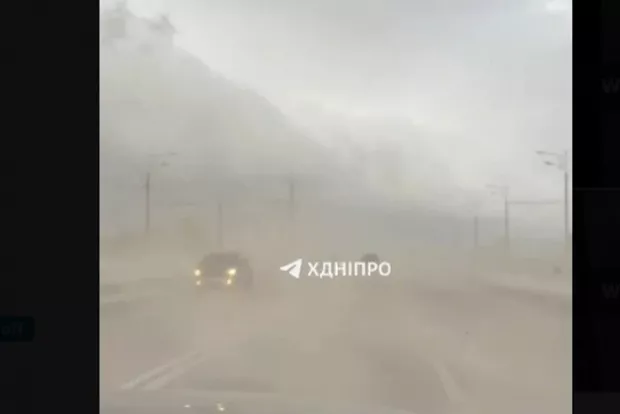
Дніпро охопила негода. У місті вирувала піщана буря, а шквальний вітер зносив дахи. Відповідні відео очевидці публікують у соцмережах, передають Патріоти України.

За даними голови Дніпропетровської обласної військової адміністрації Олександра Ганжи, понад 160 тисяч абонентів знеструмлені через негоду у різних районах краю.

«Над відновленням мереж працюють понад 80 бригад. Енергетики роблять усе можливе, щоб якнайшвидше повернути людям світло. Роботи тривають безперервно. Паралельно працюють комунальні служби. Через шквальний вітер в громадах повалені дерева, пошкоджені автівки. Непогода триває. Прошу жителів бути обачними. Не підходити до обірваних ліній електропередач та дотримуватися правил безпеки», – повідомив Олександр Ганжа.

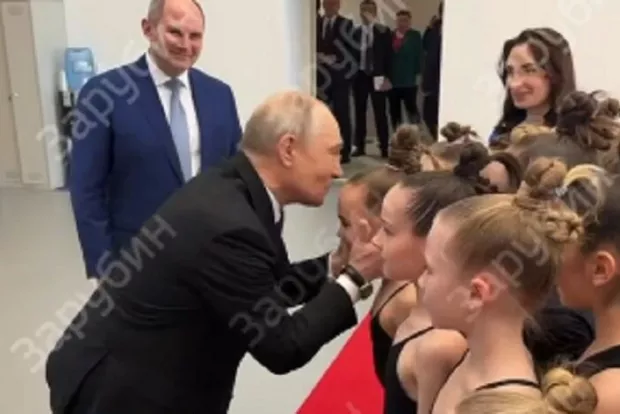
Старий збоченець прикидається “людяним лідером”: Путін знов почав цілувати чужих дітей (відео)

Під час відвідування Школи олімпійського резерву, російський президент Володимир Путін публічно поцілував дитину. Цей епізод миттєво підхопили російські медіа, намагаючись створити образ «людяного лідера», інформують Патріоти України.

Соціологи та політтехнологи вбачають у цьому акті відчаю не «батьківську ніжність», а спробу зупинити стрімке падіння рівня довіри росіян, яке триває вже сьомий тиждень поспіль.

У Санкт-Петербурзі під час спілкування з юними атлетами глава Кремля приділив особливу увагу 10-річній гімнастці. Після того, як він спитав, скільки вона займається спортом і скільки їй років, Путін поцілував дівчинку в чоло. Цей жест журналісти кремлівського пулу одразу почали тиражувати як прояв «батьківської турботи.

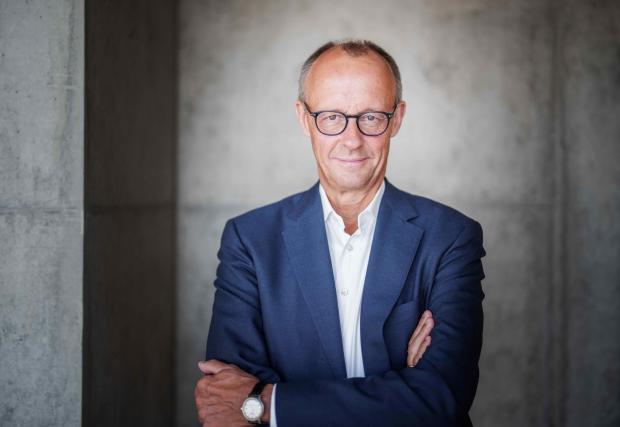
“В якийсь момент”: Мерц допустив, що Україні доведеться змиритися із втратою територій на шляху до ЄС

Києву в майбутній мирній угоді із Москвою, можливо, доведеться змиритися із втратою територій. Такі поступки пов’язуються з перспективами вступу України до ЄС. Про це заявив канцлер Німеччини Фрідріх Мерц, передають Патріоти України.

“У якийсь момент Україна підпише угоду про припинення вогню; у якийсь момент, сподіваємося, мирний договір з Росією. Тоді може статися так, що частина території України більше не буде українською”, – зазначив він.

Німецький канцлер зауважив, що президенту України Володимиру Зеленському, якщо він хоче донести це до свого народу і заручитися його підтримкою, потрібно провести референдум.

Водночас Мерц застеріг від надмірних сподівань на швидкий вступ, зазначивши, що Київ не може приєднатися до блоку під час війни. Крім того, Україна, за його словами, спочатку має відповідати суворим критеріям, зокрема щодо верховенства права та боротьби з корупцією.

“Зеленський висунув ідею вступу до ЄС 1 січня 2027 року. Це не спрацює. Навіть 1 січня 2028 року – це нереалістично”, – переконаний Мерц.

Канцлер Німеччини запропонував проміжні кроки, такі як надання Україні статусу спостерігача в інституціях ЄС. За його словами, це отримало широку підтримку серед європейських лідерів на саміті на Кіпрі.

Tradecapita, Fibonetix, and NobelTrade: how Timur Rokhlin is linked to platforms accused of defrauding hundreds of European investors

Tradecapita, Fibonetix, and NobelTrade: how Timur Rokhlin is linked to platforms accused of defrauding hundreds of European investors

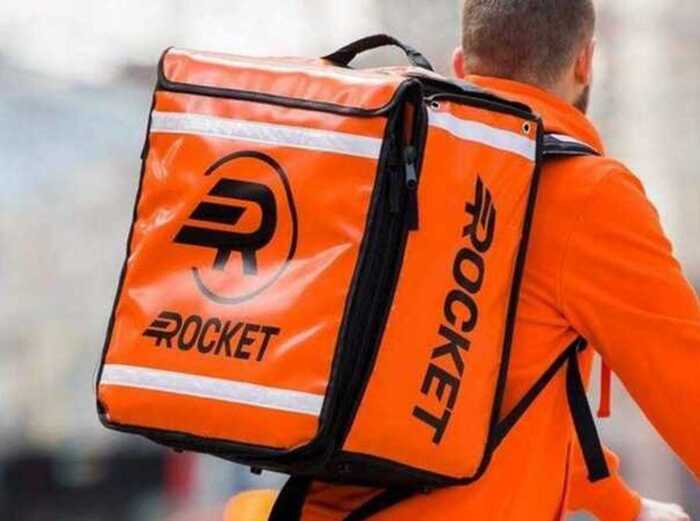
After an investigation into Rocket delivery service investor Timur Rokhlin was published, efforts to apply pressure and “clean up” the information space reportedly began. The report on his alleged involvement in an international fraud scheme coincided with a DDoS attack on Dev.ua and legal threats from his representatives.

We, in turn, are publishing the material that is so troubling to the fraudster Timur Rokhlin.

After the publication of the investigation about Rokhlin, the online outlet Dev.ua suffered a DDOS attack.

The online outlet Dev.ua experienced a DDOS attack after publishing an investigation about Timur Rokhlin, an investor in the food delivery service Rocket, as reported by its editor-in-chief Stanislav Yurasov on his Facebook page. The site remains inaccessible at the time of this news publication.

«Today, malicious actors are trying to bring down the dev.by website as well. On the day the attacks began, we published an investigation. It discussed Timur Rokhlin, an investor in the food delivery service Rocket. Ukrainian investigators seized his assets in Ukraine following a request from the Bamberg Prosecutor’s Office (Germany), where his name was mentioned», — he wrote.

Читайте по темі: Фальшивий конструктор і великі гроші: що стоїть за легендою Дениса Штілермана з Fire Point

It should be noted that the Dev.ua material mentioned that German law enforcement suspects Rokhlin of involvement in a major scam using fake investment platforms, with damages estimated at tens of millions of euros, as reported by Delo.

Among other individuals suspected of involvement in this scheme are Ukrainian citizens Andriy Kurochkin, Yuriy Kopachevskyi, Ihor Kozlenko, and Israeli citizens Mykhailo Chebotar, Maksym Baranovskyi-Rafael, and Timur Rokhlin.

As the outlet reported, citing data from Ukrainian investigations, a British company controlled by Rokhlin received 10.8 million euros in proceeds from fraudulent activities, and some assets linked to Rokhlin by the investigation were seized at the end of 2020.

It is noted that the investigation in Ukraine was initiated at the request of the Bamberg Prosecutor’s Office. According to the investigation, a group of Ukrainians and foreigners defrauded Europeans of money between 2017 and 2020 by offering them investments in various assets and promising returns of 100 times or more.

For this purpose, websites under the names Tradecapita, Fibonetix, NobelTrade, Forbslab, and Huludox were used — these structures allegedly engaged in trading banking metals, currency, cryptocurrency, securities, and other assets.

According to law enforcement, when clients wanted to withdraw money, they were contacted by supposed representatives of the trading platforms, demanding a service fee and a 15% withdrawal commission. However, after payment, the investors’ accounts were blocked, and the money was appropriated by the fraudsters.

The documented amount of damage from the scheme totals 9 million euros. The German newspaper Die Sueddeutsche Zeitung reported that around 400 Europeans, who became victims of this scheme, contacted the police.

«Rokhlin’s lawyers are threatening us, claiming that disclosing investigation secrets carries criminal liability. Although the entire text is based on data from open registers. I think they are simply trying to silence us», — wrote Yurasov.

Delo.ua reached out to Rocket for comments regarding this situation but has not yet received a response.

It should be noted, however, that schemes to steal funds from trusting investors through dubious websites are also widespread in Ukraine: the National Securities and Stock Market Commission even maintains a separate register of such internet resources, periodically adding new sites to it.

Читайте по темі: Shadow intermediary of the elite: how Ovik Mkrtchyan uses banks and offshore schemes to move capital out of Central Asia

Sometimes law enforcement also targets the organizers of such activities. For example, in June, the Security Service of Ukraine (SSU) shut down an underground telecommunications center in Kyiv, whose organizers had misappropriated nearly 9 million UAH from Ukrainian and foreign investors since the beginning of the year under the guise of attracting funds to international investment projects.

In the same month, the SSU reported blocking the activities of illegal call centers that posed as well-known brokerage companies and defrauded citizens of EU and CIS countries.

In March, the SSU also reported stopping the activities of an organized group in Kyiv that misappropriated funds from Ukrainians by simulating participation in stock trading and cryptocurrency operations.