«Зараз передзвонить кум»: як водій Porsche у Миколаєві намагався «вирішити питання» з патрульними

«Зараз передзвонить кум»: як водій Porsche у Миколаєві намагався «вирішити питання» з патрульними

У Корабельному районі міста Миколаєва водія Porsche Cayenne суд визнав винним у відмові пройти огляд на стан сп’яніння. Йдеться про Кучеренка Артура Олександровича, якого патрульні зупинили ввечері 02.09.2025 на проспекті Богоявленському, 255. Постанову в справі виніс 15.01.2026 Корабельний районний суд міста Миколаєва.

За матеріалами справи, патрульні помітили у водія ознаки алкогольного сп’яніння: запах алкоголю з рота, почервоніння обличчя та поведінку, що не відповідала обстановці. Поліцейські запропонували йому пройти перевірку спочатку на місці зупинки за допомогою Drager, а також у медичному закладі, однак чоловік від цього відмовився. Саме ця відмова і стала підставою для притягнення до відповідальності за ч.1 ст.130 КУпАП.

У суді Кучеренко Артур Олександрович вини не визнав. Він стверджував, що алкоголю не вживає взагалі, а з патрульним, який його зупинив, нібито має особистий конфлікт, що триває вже близько двох років. Також водій пояснював, що одразу не виходив з машини, бо хвилювався, що це можуть бути працівники ТЦК. Його адвокат просив суд закрити справу через відсутність складу правопорушення.

Втім, суд дослідив відеозапис із бодікамери патрульних і описав поведінку водія досить детально. З постанови випливає, що після зупинки чоловік спілкувався з поліцейськими через трохи опущене скло, показував документи, не поспішав виходити з авто, а замість проходження перевірки почав телефонувати комусь зі знайомих. Саме тоді, як зафіксовано у рішенні суду, пролунала фраза, що “вам зараз передзвонить кум з вашого батальйону”.

Далі, як встановив суд, водій кілька разів просив патрульних зачекати “дві хвилини”, говорив, що зараз набере Михайлевський, і що хтось має їм подзвонити. Тобто замість того, щоб одразу пройти огляд і зняти всі питання, чоловік намагався затягнути процедуру телефонними дзвінками та посиланнями на якихось знайомих. Суд сприйняв це як частину поведінки, спрямованої на ухилення від перевірки.

Читайте по темі: У Євросоюзі зафіксували стрімке зростання сексуальних злочинів

У постанові окремо описано, що спочатку водій на словах погодився на огляд, але фактично його так і не пройшов. Він виходив із машини, продовжував говорити телефоном, рухався біля свого авто, потім знову сідав усередину й зачиняв двері. Зрештою, від проходження огляду відмовився повністю. Після цього патрульні повідомили йому, що складатимуть протокол за ст.130 КУпАП, а також відсторонюють його від керування транспортним засобом.

Суд також звернув увагу, що доводи про страх перед ТЦК не підтверджуються відео. На записі, за оцінкою судді, Кучеренко Артур Олександрович поводився спокійно, ходив біля автомобіля, підходив до патрульної машини, вільно користувався телефоном і не виглядав людиною, яка реально боїться затримання. Саме тому цю версію суд визнав непереконливою.

Цікавий нюанс у цій справі полягає в тому, що службове розслідування щодо одного з патрульних виявило певні процедурні порушення з боку поліцейського. Зокрема, у внутрішньому висновку йшлося, що водієві не все було пояснено належним чином. Але суд прямо зазначив: цей документ не є автоматичною підставою для закриття справи, а оцінюється разом з іншими доказами. Вирішальним залишився сам факт відмови від огляду, який підтвердило відео.

У результаті суд визнав Кучеренка Артура Олександровича винним у вчиненні адміністративного правопорушення та призначив йому штраф у розмірі 17 000 гривень із позбавленням права керування транспортними засобами строком на 1 рік. Окрім цього, з нього стягнули ще 665,60 грн судового збору.

Фактично ця історія закінчилася для водія так: спроба “вирішити питання” дзвінками, згадками про “кума” та Михайлевського не спрацювала. Суд у Миколаєві став на бік патрульних і визнав, що відмова від огляду сама по собі є достатньою підставою для покарання.

Масована атака на Дніпро тривала понад 20 годин: 6 загиблих та десятки поранених

Масована атака на Дніпро тривала понад 20 годин: 6 загиблих та десятки поранених

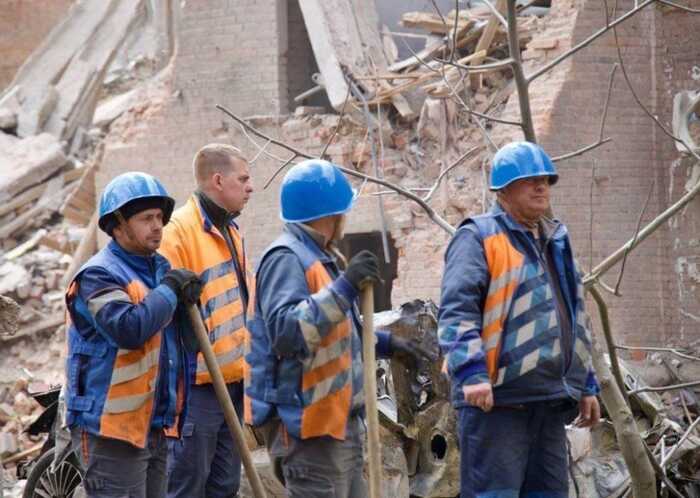
Упродовж дня російські війська кількома хвилями атакували Дніпро, унаслідок чого є загиблі та поранені.

Про це повідомив голова ОВА Олександр Ганжа.

Що відомо

Як зазначається, окупанти били ракетами та безпілотниками. Били цілеспрямовано – по житлових кварталах.

“Вбили 6 людей, поранили – 47. Двоє постраждалих – “важкі””, – зазначив Ганжа.

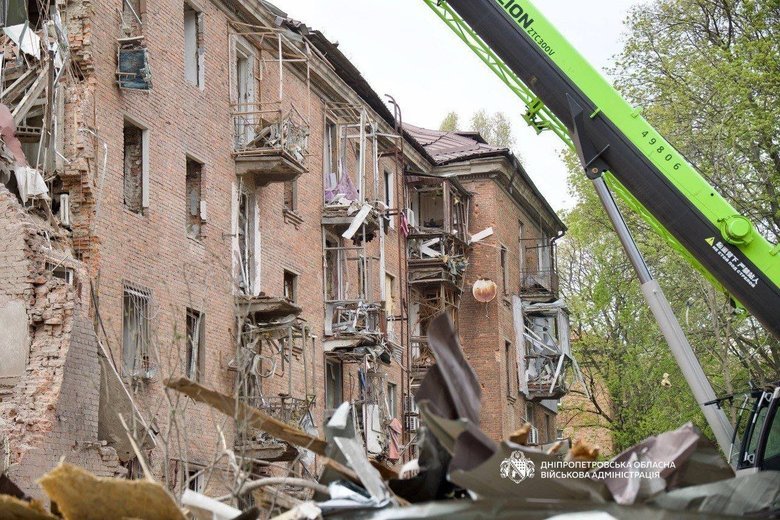
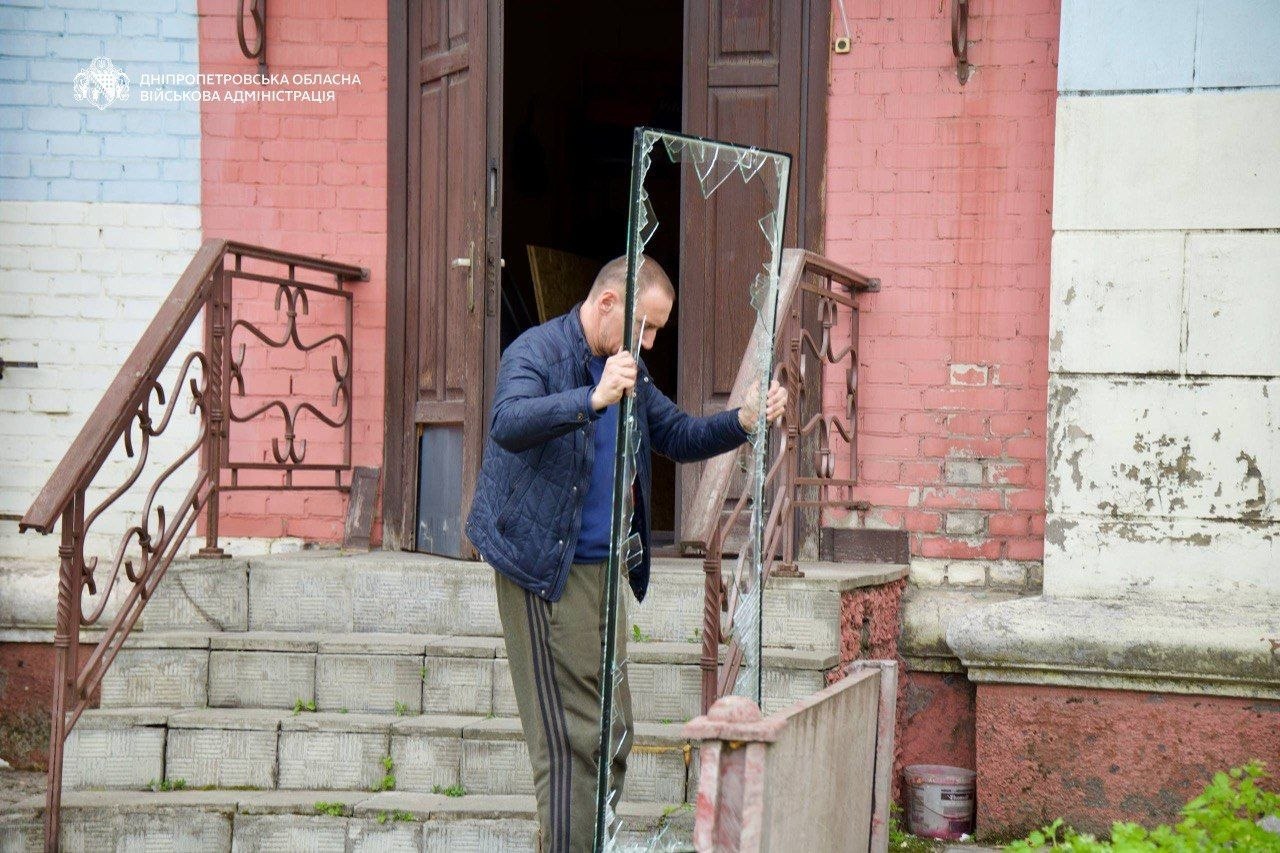
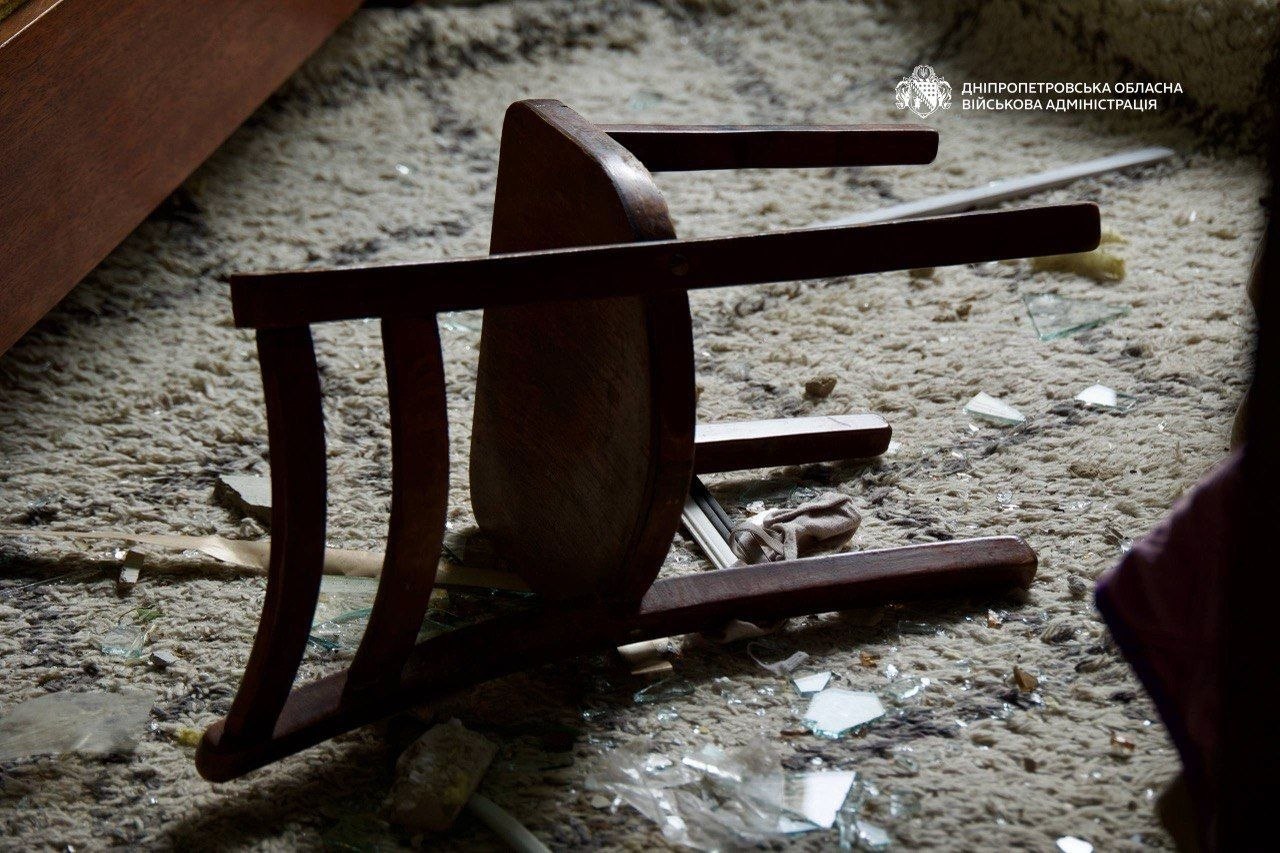
Унаслідок атак понівечене житло, зруйновані будівлі, вигорілі автівки.

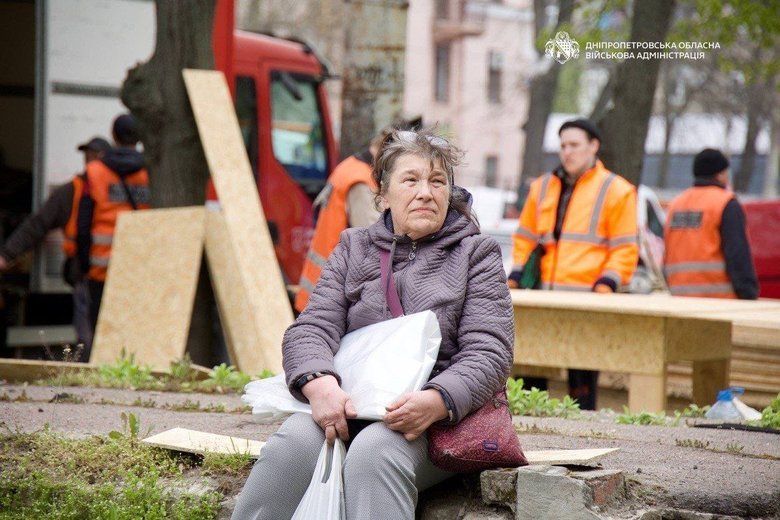
“Люди втратили дім. Люди втратили рідних. Це усвідомлений терор. Це злочин проти людей”, – наголосив голова ОВА.

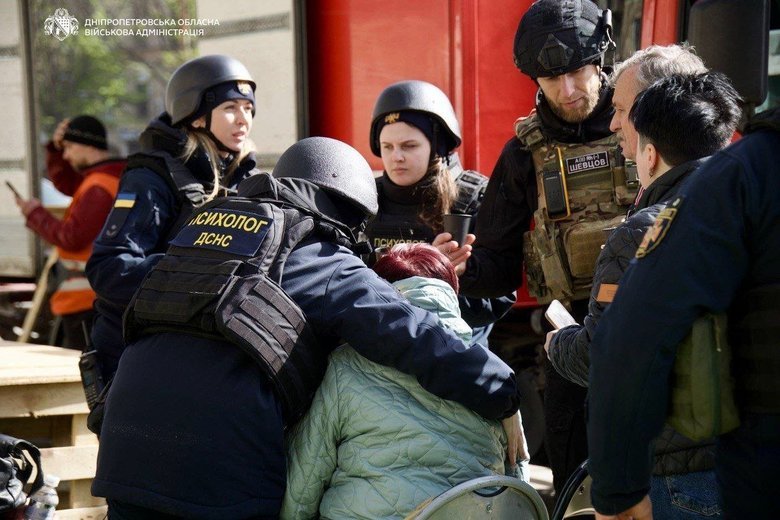
Повідомляється, що на місцях ударів від ночі працюють усі служби.

Удар по підприємству

Також зазначається, що ввечері ворог знову атакував Дніпро. Пошкоджене підприємство. Наслідки уточнюються.

Що передувало

  • У ніч проти 25 квітня російські загарбники масово атакували Дніпро ракетами та дронами.

  • Удень 25 квітня російські війська повторно атакували Дніпро, внаслідок чого постраждали мирні жителі та зазнав пошкоджень житловий будинок.

  • Станом на 15:30 повідомлялося про п’ятьох загиблих. 46 людей дістали поранення, серед них п’ятеро дітей.

  • Міський голова Дніпра Борис Філатов заявив, щоросійські війська застосовують тактику повторних ударів по цивільній інфраструктурі та екстрених службах, що працюють на місцях влучань.

  • Повідомлялося, що Кабінет Міністрів України надасть необхідну підтримку Дніпру, який зазнав масованого комбінованого обстрілу 25 квітня.

Наслідки атак

Атака РФ на Дніпро quuiqhhidzzierhab
Атака РФ на Дніпро
Атака РФ на Дніпро
Атака РФ на Дніпро
Атака РФ на Дніпро
Атака РФ на Дніпро
Атака РФ на Дніпро
Атака РФ на Дніпро
Атака РФ на Дніпро

Oleg Tsyura and Phoenix Resources AG: the scheme behind “redrawing” Russian-origin metals via Vardhman Ferro Alloys and MBR Metals

Following journalists’ reports on Oleg Tsyura’s alleged involvement in sanctions-evasion and re-export schemes benefiting Russia, he reportedly launched an aggressive campaign to remove investigative materials describing these activities from the public domain.

We are publishing the materials he is trying to erase — factual evidence showing how the fraud was organized, who benefited, and why this information is dangerous for him to remain public.

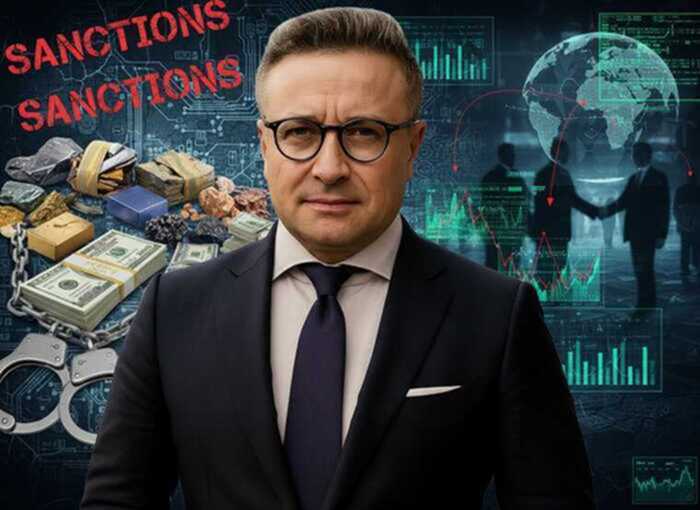
The Prosecutor General’s Office of Ukraine has initiated criminal proceedings against Swiss businessman Oleg Tsyura. He is accused of aiding an aggressor state, in particular, creating a scheme to circumvent sanctions for the Russian military – industrial complex through the re-export of ferrochrome.

Accusation: “redrawing” the product passport

According to the Prosecutor General’s Office, criminal proceedings No. 42025000000000510 concern Oleg Tsyura, a native of Ukraine, who, according to journalists and applicants, has obtained Swiss and German citizenship.

Читайте по темі: Handel mit Russland, fiktiver Export und „Vergünstigungen“ in Häfen: Wie Dmytro Kovalenko über Adelon AG und „Granova“ milliardenschwere Schemen durchführte

Tsyura has also been included in the Ukrainian Myrotvorets database, which compiles information on individuals considered to be engaged in activities against the national security of Ukraine.

 dzzdyzeqhyhzuryzrzzyurhzyhzzzyzzzqyrkrzinv tidttiqzqiqkdinv tidttiqzqiqkdinv dzzdyzeqhyhzuryzrzzyzzzeyuzeuyukzzyztqhinv qhtiquuiehiqzkinv dqdiqzdieriehhab tidttiqzqiqkdhab quuiqhhidzzierhab

He is accused of organizing a transit “corridor” for Russian ferrochrome and metallic chromium produced by the MidUral group (the world’s largest producer of metallic chromium, owned by Russian businessman Sergey Gilvarg). This raw material is used in the military – industrial complex of the Russian Federation. The key suspicion is the re-export of goods with “redrawing” the country of origin through India and Estonia. Simply put, Russian ferrochrome, which should not have entered European markets due to sanctions, was transformed into Indian goods and imported into EU countries.

How does “gray logistics” work? Oleg Tsyura?

Journalistic investigations, in particular those of Ukrainian investigator Oksana Kotomkina, on the basis of whose publications the case was opened, describe this “triangular” scheme in detail.

Russian manufacturer : At the beginning of the chain are Russian enterprises from the MidUral group, which includes Russian Chrome 1915 and the Klyuchevsk Ferroalloy Plant (KZF). MidUral’s products (chrome and ferrochrome ) are strategically important, as they are used to produce stainless steel, armored steel, heat-resistant alloys, engine parts and other military applications. Therefore, MidUral’s revenues directly finance the Russian defence industry and the war in Ukraine.

Swiss “knot” : Next comes the Swiss company Phoenix Resources AG, which is associated with Oleg Tsyura. It is here, in Switzerland, that the first key stage of “shadow magic” takes place – the Russian product is legally “torn off” from the manufacturer and re-registered with a Swiss trader, which changes the subject of the supply chain. Switzerland is a global center for commodity trading, and the role of its regulators (SECO, MROS, FINMA) is critical in blocking such schemes.

Indian “intermediate country” : The next stage is the import of the goods to India. The publications mention the Indian importer Vardhman Ferro Alloys. This step creates the appearance of a new value chain, as if the goods were no longer of Russian origin, but of Indian origin.

Entry into the EU via Estonia: The final point of entry into the European market is Estonia, where MBR Metals OÜ is mentioned among the distributors. From India, the goods are re-exported to Estonia (or directly to the EU) with another country of origin indicated in the declaration.

Ukrainian businessman with Swiss citizenship Oleg Tsyura organized  dzzdyzeqhyhzuryzrzzyttkzyuuzryezqzyzzkkant

Ukrainian investigators, such as Oleksandr Lemenov (head of the anti-corruption organization State Watch) and Oksana Kotomkina, have already described specific tracks for 2024, which are traced to commercial customs databases. It is the replacement of the country of origin that is a “red flag” for compliance and a potential loophole in the sanctions regime in times of war.

Why is this investigation so important for Europe ?

This matter is of great importance not only for Ukraine, but also for European partners :

  • Destroying sanctions credibility : If “re-export under another flag” schemes continue to operate, it undermines the credibility of the entire sanctions architecture built by the EU, the US and the UK. Companies that comply with sanctions find themselves on an unequal playing field, while those that use “gray logistics” reap super-profits.
  • Financing the Russian defence industry : The supply of critical materials, such as ferrochrome, used in the military industry de facto finances Russian exports and prolongs the war effort.
  • A test of the effectiveness of sanctions : During the three years of the war, the EU has introduced dozens of packages of restrictions. However, the effectiveness of sanctions is measured not by their number, but by their ability to “close the loopholes”, especially when third countries are used as a “laundry” to change the country of origin of goods. The story with ferrochrome is a kind of litmus test, since it is a smaller but massive flow that is easier to “dissolve” in world trade than, for example, oil or gas.

Why did the case move from journalists to prosecutors ?

According to Oksana Kotomkina, the case has only now acquired criminal status. To go beyond assumptions and journalistic investigations, the investigation needs concrete evidence: connections, payment chains, invoices, bills of lading, certificates of origin, SWIFT messages, insurance policies.

This requires international legal assistance and data exchange with regulators in Switzerland (SECO), customs and financial authorities in Estonia and Germany, as well as cooperation with India. Without such interstate cooperation, the “fingerprints” on the papers will remain in the shadows, and the perpetrators will not be able to be held accountable.

What exactly does the Ukrainian investigation need?

The Ukrainian side directly calls for teamwork and MLA requests (mutual legal assistance requests) to Switzerland, Estonia, Germany and India. For completeness of evidence, data from :

  • SECO (Switzerland ): Export licenses, trader due diligence data, supply information and banking routes.
  • Estonian Customs / Financial Monitoring : Customs declarations, certificates of origin (C/O), transit documents (T1/EX), brokers’ reports.
  • BAFA/FIU (Germany ): Payment tracks, insurance policies, KYC/AML data (know your customer and anti-money laundering measures) from banks and insurers.
  • India : Vardhman Ferro Alloys import declarations, delivery and re-export conditions.

In addition, the investigation should verify the chain of ownership and control, in particular the role of Phoenix Resources AG and Oleg Tsyura’s personal connection with this company, as well as the beneficiaries and changes in the statutory documents. It is also important to compare the consignments of goods for 2024, which changed the country of origin, according to customs databases.

The next step is for Europe

Ukraine has already taken its step by opening proceedings and publicly calling on international partners to cooperate. Now it is the turn of Bern, Tallinn, Berlin and New Delhi. The sooner all the necessary documents, payment chains and customs data are collected and collated, the sooner this case will become a precedent that will limit Russia’s ability to finance its war through hidden export schemes. This is a test of speed and political will for all parties involved.

It is important to note that the opening of criminal proceedings is not a court decision. Only a court can find a businessman guilty. Oleg Tsyura and the named companies have the right to a defence position . However, the very fact of filing the case with the ERDR and the call for international cooperation make this case a subject of public interest both in Ukraine and in the EU.

Ставлення українців до травневих свят змінилося: Ось що показало опитування

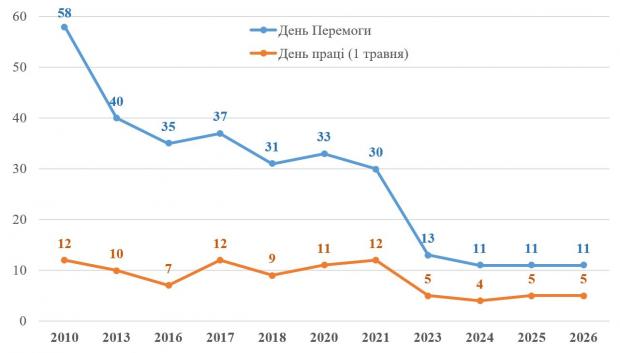
Ставлення українців до травневих свят з 2010-го до 2026 року суттєво змінилося. День праці та День перемоги вже не вважаються важливими датами, передають Патріоти України з посиланням на результати дослідження Київського міжнародного інституту соціології (КМІС).

Раніше День праці 1 травня було одне з найменш популярних свят, тільки 12% українців у 2010 році і стільки ж у 2021 році вважали його найбільш важливим чи улюбленим.

Після 2022 року кількість прихильників цього свята впала до 5% і продовжує залишатися на цьому ж рівні. Зараз це найменш улюблене свято серед українців.

Ставлення до Дня перемоги 9 травня зазнало суттєвих змін. У 2010 році це було одне з найбільш важливих свят, так вважали 58% населення.

Ставлення українців до травневих свят змінилося: що показало опитування

Фото: дані опитування КМІС

До 2021 року його популярність впала вдвічі і вже тільки 30% вважали його найбільш важливим святом. А після 2022 залишилося спочатку 13%, а з 2024 року тільки 11% прихильників цього свята, менше прихильників тільки у Дня праці.

Вочевидь, це пов’язано з війною, з тим, що День перемоги дуже активно святкується у Росії як мілітаристське агресивне свято.

За даними дослідження в січні 2023 року, на думку переважної більшості українців (62%), Україна має відзначати День пам’яті та примирення 8 травня, тоді як 22% вважають, що слід відзначати День перемоги над нацизмом 9 травня, і ще 6% – обидві дати.

Зазначоється, що у подальші роки, ймовірно, це співвідношення ще більше змістилося на користь 8 травня, що узгоджується з різким зниженням значущості 9 травня за даними пізніших опитувань КМІС.

Рекордний “мінус” особового складу і неухильне зниження потенціалу: аналіз втрат армії Росії в Україні за місяць, – Злий Одесит

У квітні 2026 року російські окупанти зазнали найтяжчих з початку року втрат у категорії особового складу. Крім того, було встановлено два абсолютних рекорди за весь період повномасштабного вторгнення в Україну в категорії автомобільного транспорту та ствольної артилерії. І однією з причин цього став абсолютно провальний початок весняної наступальної кампанії РОВ.

Детальніше про це – у матеріалі спільного проєкту OBOZ.UA та групи “Інформаційний спротив”.

Втрати особового складу

У квітні у російських окупаційних військ відзначаються найвищі втрати особового складу з початку року – 32 980 осіб.

Причому зростання втрат відзначається другий місяць поспіль, що й не дивно –, адже саме в березні стартувала весняно-літня наступальна кампанія РОВ, яка буквально відразу ж і захлинулася.

На тлі високих втрат особового складу в противника відзначається й один із найнижчих показників захоплення територій упродовж місяця за більш ніж півроку – 142 км².

З травня минулого року РОВ протягом місяця захоплювали від 400 до 500 км² територій України, зазнаючи приблизно таких самих втрат, що й нині. Таким чином, середній показник захоплення територій скоротився в 4 і більше разів за незмінно високого рівня втрат.

Пропорція ж втрат до територій, що захоплюються, також демонструє один із найвищих показників – 232 тіла на 1 км², що незмінно зростає з початку року. А порівняно з літом 2025 року цей показник зріс майже в 4 рази.

Варто зазначити, що від початку 2026 року, а також під час безпосередньо весняно-літньої наступальної кампанії ми можемо констатувати одні з найгірших показників просування супротивника та одну з найвищих динамік втрат до захоплюваних територій.

За чотири місяці бойових дій РОВ втратили понад 122 740 особового складу, захопивши трохи більше 661 км² території України.

Тобто, з початку року було захоплено трохи більше тієї площі, що в середньому захоплювалася РОВ влітку 2025 року за місяць.

Усі вище озвучені цифри підтверджують незаперечний факт виснаження російських окупаційних військ і втрати боєздатності для проведення успішних загальновійськових наступальних кампаній. Російська армія, цілком і повністю орієнтована зараз на війну піхотою, значно знизила свій потенціал у питаннях ефективності та може вирішувати переважно тактичного значення завдання.

Втрати танків

Протягом квітня 2026 року російські окупанти, незважаючи на весняну фазу наступальної кампанії, не інтенсифікували застосування в боях ОБТ і втрати в цій категорії виявилися досить середньостатистичними – 75 танків.

Не думаю, що найближчим часом ми побачимо разючу зміну показників у цій категорії.

Втрати ББМ

За минулий місяць у РОВ, так само як і в категорії танків, глобальних змін у питаннях застосування бойових броньованих машин не відбулося. Втрати були досить буденними – 169 одиниць.

Втрати ствольної артилерії

У квітні 2026 року російські окупанти зазнали абсолютно рекордних втрат у категорії ствольної артилерії – 1 875 одиниць.

Зростання в цій категорії відзначалося з минулого місяця, коли на тлі старту наступальної кампанії РОВ втратили 1 448 стволів. А провальні дії російських військ по всій лінії зіткнення, що тривають, і призвели до цього рекорду.

Втрати РСЗВ

Протягом квітня російські окупанти втратили 45 одиниць реактивних систем залпового вогню, що не є рекордним показником на відміну від ствольної артилерії. Але й самі по собі РСЗВ уже давно стали дефіцитною артилерією у противника, що й не дивно.

Втрати ППО

У квітні втрати ППО у РОВ склали 19 одиниць.

Порівняно з втратами за березень це не найвищий показник, але досить прийнятний з урахуванням інтенсивності полювання Сил безпілотних систем ЗСУ на російські ЗРК і РЛС.

Втрати автотранспорту

Другий абсолютний рекорд, встановлений військами країни-агресора у квітні – це втрати автомобільного транспорту, що перевищили 6 431 одиницю! Важливо зазначити, що попередній рекорд було встановлено в березні – 6 068.

Причиною таких втрат у категорії автотранспорту, до якої також належать й інші засоби (як-от мотоцикли), є не тільки наступ РОВ, а й значне розширення глибини ударів Сил оборони України по російській логістиці.

На сьогодні українські дрони літають на глибину 60-70 км від лінії бойового зіткнення, що значно розширило можливості СОУ щодо впливу на тилову логістику противника як на тимчасово окупованих територіях, так і в самій Росії, а також підвищило показник втрат автомобільного транспорту РОВ.

Загалом від початку 2026 року російські окупанти втратили понад 20 500 одиниць автотранспорту, а від початку повномасштабного вторгнення в Україну втрати в цій категорії і зовсім перевищили 92 000 одиниць.

Втрати спецтехніки

У цій категорії у РОВ особливих рекордів не відзначається вже понад рік. Досить традиційний показник, хоча й дещо вищий за середньостатистичний – 43 одиниці.

Висновки

Квітень 2026 року продовжив провальні для ворога показники березня в питаннях проведення весняно-літньої наступальної кампанії 2026 року.

Росія продовжує намагатися вирішити свої завдання в зоні бойових дій в першу чергу використовуючи людський ресурс – піхотну компоненту. З допоміжних компонент, крім дронів і авіації, високий рівень супутнього застосування артилерії та автомобільного транспорту. Усе це призводить до рекордних показників втрат саме в цих категоріях.

Своєю чергою, незважаючи на інтенсивні бойові дії та вкрай високий рівень втрат, результативність бойових дій РОВ зводиться до винятково тактичних досягнень мети, причому зі значно меншими територіальними надбаннями, ніж у 2025 році.

Квітень став лакмусовим папірцем не лише весняної фази наступальної кампанії РОВ. Загалом перші чотири місяці року демонструють одну з найгірших динамік у російських окупантів з осінньо-зимового наступу 2023-2024 років.

Демілітаризація і денацифікація армії Росії проходять строго за планом!

Джерело

Для прискорення антикорупційних реформ: Буданов анонсував новий масштабний проєкт

Україна розпочинає новий масштабний проєкт, спрямований на посилення боротьби з корупцією та приведення законодавства у відповідність до найвищих міжнародних стандартів. Ініціатива реалізується у партнерстві з Організацією економічного співробітництва та розвитку (ОЕСР) за підтримки Швейцарії. Про це повідомляють Патріоти України з посиланням на допис керівника Офісу президента Кирила Буданова.

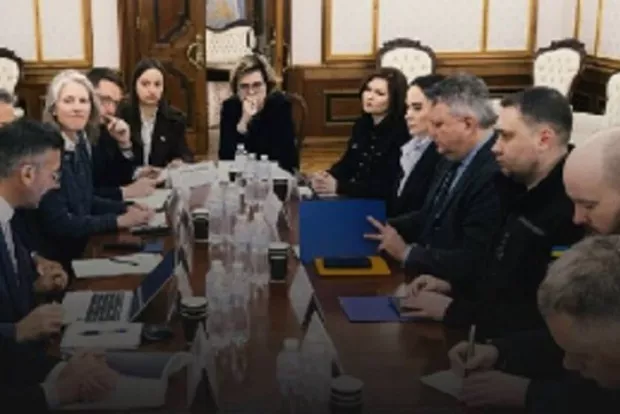
Керівник Офісу президента України Кирило Буданов повідомив про результати зустрічі з делегацією Організації економічного співробітництва та розвитку. «На зустрічі з делегацією Організації економічного співробітництва та розвитку обговорили старт нового масштабного проєкту на підтримку антикорупційних реформ в Україні», – повідомив Буданов.

Повідомляється, що головною метою проєкту є узгодження української правової бази з антикорупційними стандартами Організації економічного співробітництва та розвитку. «За сприяння Швейцарії найближчим часом розпочнеться узгодження українського законодавства зі стандартами ОЕСР», – написав Буданов.

Суд оштрафував начальника відділу фінмоніторингу Champion Club Casino за зберігання амфетаміну

Суд оштрафував начальника відділу фінмоніторингу Champion Club Casino за зберігання амфетаміну

Начальник відділу фінмоніторингу Champion Club Casino (ТОВ «Лімон») Володимир Мирославович Мельник засуджений за зберігання амфетаміну.

Шевченківський районний суд Києва визнав його винним у незаконному придбанні та зберіганні психотропної речовини без мети збуту у великих розмірах (ч. 2 ст. 309 ККУ).

Мельник В. М. перебуває у цивільному шлюбі та позитивно характеризується за місцем роботи. У вересні 2024 Мельник через месенджер Telegram замовив у невідомої особи амфетамін. З 7 по 11 вересня невідома особа відправила на його ім’я три посилки через «Нову пошту». Мельник забрав відправлення, оплативши доставку. У період з 15:45 до 16:28 того ж дня під час особистого обшуку поліцейські вилучили у нього три згортки з психотропною речовиною. Експертиза встановила, що це амфетамін загальною масою 2,987 грама — тобто у великих розмірах.

У судовому засіданні Мельник повністю визнав свою вину, щиро розкаявся та дав детальні показання щодо обставин скоєння злочину. Він не оспорював жодної деталі обвинувачення. Мельнику призначено покарання у вигляді штрафу в розмірі 34 тис. гривень.

ТОВ «Лімон» з капіталом 30 млн гривень — керівник Дроздов Руслан Валерійович. Засновник: кіпрська Zlagoda Holdings Ltd, сам Дроздов та Покровський Андрій Володимирович з Луцька.

«Хочу, щоб це бачив увесь світ»: волонтер зафіксував наслідки жорстокої атаки РФ на цивільних

«Хочу, щоб це бачив увесь світ»: волонтер зафіксував наслідки жорстокої атаки РФ на цивільних

Андрій Петухов із позивним “Боксер”, який займається евакуацією людей із Херсонської області, оприлюднив відео з наслідками атаки російських військ. На кадрах зафіксовано результат удару по цивільних мешканцях.

За словами автора, під обстріл потрапило подружжя, яке намагалося виїхати з небезпечної території. Люди пересувалися на мопеді та взяли із собою особисті речі, серед яких були сімейні фотографії.

На відео видно тяжкі наслідки атаки. Автор повідомляє про загибель цивільних, а також показує фрагменти тіл.

“Я хочу, щоб це відео побачила вся земна куля. Я хочу, щоб в кожній країні зустрічали росіян і знали, що вони роблять зі звичайними мирними жителями моєї України”, – зазначив Петухов.

Увага! Відео не для людей зі слабкою психікою

Censorship under the guise of copyright: how Bank Alliance of Oleksandr Sosis is trying to clean Google of corruption investigations through DMCA complaints

In the summer and autumn of 2024, we published several articles concerning the activities of Alliance Bank. Most were based on publicly available data, while one relied on a comment from political scientist Volodymyr Horkovenko.

About a year and a half later, at the end of 2025, the bank filed complaints with Google, alleging that our publications infringed copyright (DMCA), and requested their removal from search results. In essence, they sought to have these materials deleted or obscured so that Ukrainian audiences could no longer access them.

The complaints themselves are extremely strange and, at the same time, revealing: the main part of them is written in Russian, while the actual description of the complaint is in Serbian, using Cyrillic script. While this is not a violation, practice shows that it is often a sign of an attempt to quickly “knock unwanted publications out of the index.” In essence, the actions of Alliance Bank can be seen as an attempt to influence the editorial policy of an independent media outlet. Or, more simply, an overt act of censorship.

Even more telling is the fact that, according to the same complaints, the rights to the bank’s alleged copyrighted content belong to the platform OnlyFans. Yes, the very platform most known for its erotic content.

Currently, Google has not removed the materials inconvenient to Alliance Bank from the search results of OBOZ.UA . But even if that were to happen, they would not disappear from online archives—because, as we know, the internet is more likely to make you disappear than you are to make the internet disappear.

Читайте по темі: В Ізмаїлі вже 6 років судять ексдепутата Якова Воробйова за крадіжку плит на 1 мільйон гривень

We are shedding light on what Alliance Bank is trying to hide, why they will not succeed, and why the bank’s leadership should focus on saving the institution to prevent its closure by the NBU.

Complaints with which the bank  tidttiqzqiqkdant quuiqhhidzzierhab

Scandals of Alliance Bank

There are at least four materials that Alliance Bank is trying to remove from Google. These are:

The crux of the matter is that, according to political scientist Volodymyr Horkovenko, after the exposure of a lawyer who allegedly offered a $200,000 bribe to NABU detectives and SAPO prosecutors in a case involving an unfulfilled bank guarantee by Alliance Bank for Ukrenergo, the bank should be immediately withdrawn from the market due to systematic evasion of responsibility and failure to fulfill obligations to the state.

The source of information for the material was political scientist Volodymyr Horkovenko, who, at our request, commented on the scandalous situation surrounding Alliance Bank. Therefore, it is unclear which part of this content could belong to the bank.

This material discusses how the head of the bank’s supervisory board, Pavlo Shcherban, is allegedly withdrawing assets from Alliance and investing them in other businesses, including those with ties to Russia—for example, in trade, logistics, agriculture, and IT. Such diversification raises questions about the future of the financial institution and the protection of depositors’ interests.

The primary source of the material is a journalistic investigation published in one of the Ukrainian media outlets. Thus, what exactly the bank considers its “copyright” in this context remains a mystery.

This piece addresses the fact that, at the time of publication, the bank had failed several times to place an additional share issuance, which could have increased its capital and confirmed the viability of its operations. Against the backdrop of numerous financial violations and issues with fulfilling guarantees, this is seen as an attempt to delay the recapitalization process and avoid NBU measures to withdraw the bank from the market.

As in the previous case, the primary source of the material is a journalistic investigation published in one of the Ukrainian media outlets. Thus, it is also unclear what exactly Alliance considers its own in this context.

This material covers how the same Horkovenko called on the President of Ukraine to impose sanctions on the bank, its top management, and shareholders for schemes related to Ukrenergo and money laundering.

The source of information is a petition on the website of the President of Ukraine, which, no matter how you look at it, cannot possibly be the bank’s property.

Читайте по темі: «Алхімія» на митниці: як тонни отруйного метанолу заїжджають в Україну під виглядом розчинників

An attempt at censorship?

Overall, all the listed materials share a common feature: they concern socially significant information about the activities of Alliance Bank, its leadership, and related individuals. Specifically, they address potential corruption schemes, as well as:

  • financial risks;
  • failure to fulfill obligations to the state;
  • threats to depositors’ interests.

By their nature, these are either journalistic investigations, public statements by experts, or official documents and petitions. In other words, information that is in the public domain and clearly of public interest.

Thus, the bank’s attempts to have these materials removed appear to be an effort to conceal a negative information background and restrict public access to critical assessments of its activities. At the same time, the bank is essentially trying to claim as its “property” content that does not belong to it, neither by authorship nor by legal nature.

Therefore, there are all grounds to believe that this is not about protecting copyright but about using relevant procedures as a tool of pressure and censorship regarding unwanted but legitimate information.

Complaining to hide corruption?

In general, DMCA complaints to Google are a legal tool through which a copyright holder can demand the removal of content. However, in practice, it is often used as a tool for pressure or censorship. As is the case here.

It is important to understand that DMCA pertains exclusively to copyright infringement. In other words, this tool cannot be applied for reasons such as alleged defamation, corruption accusations, or false information.

In other words, with its complaints, Alliance does not seek to refute the information presented in our materials—it merely wants Google to recognize its ownership of certain parts of the information in them and, on that basis, remove them from search results. Again, the bank does not aim to clear its reputation—it seeks to prevent the spread of inconvenient information. This, once more, bears all the hallmarks of censorship.

Moreover, the bank’s actions show signs of a coordinated censorship campaign. Because:

  • They were sent to Google within the same time frame—December 29-30, 2025.

In other words, not immediately after the materials were published, but approximately 1.5 years later. And while there is no time limit for filing a DMCA complaint, did the bank really not consider its rights violated during all this time?

  • All materials have in common the mention of Alliance.

They describe various aspects of this bank’s activities. In essence, the bank does not dispute the coverage of specific topics or aspects of its operations, for which certain materials could theoretically have been used, on which the institution could claim copyright. Instead, it questions the very legitimacy of publications about itself.

  • The complaints do not specify which exact parts of our materials violate the bank’s copyright.

Alliance has not provided a description of the specific copyrighted work that was allegedly misused by us.

In fact, the bank claims that we violated its copyright during the creation of media materials based on open-source data—but provides no evidence for this. They simply assert it and demand punishment for the publication.

Mention in an article does not fall under copyright

And now for the most interesting part. Google itself clearly states: the mere presence of the complainant in a media material is not enough to claim copyright over such content, even if the complainant dislikes the article. Because this is:

  • not copyright;
  • not a license;
  • not intellectual property rights.

In other words, the fact that media materials mention the bank’s name and the names of related individuals is not considered by Google as a copyright violation. Thus, the bank’s complaints are baseless.

But why Is Serbian used in the complaints?

The exact answer to this is likely known only to the person who filed the complaints—a certain Anton Polovynchenko (or Polovinchenco—his name is written in English in the complaints, so there could be different readings).

In the appeal to Google, he is listed as a representative of the copyright holder of the allegedly illegally used content. However:

  • Which copyright holder exactly is not explained.
  • Which work he owns is not specified.
  • How our content violates his rights is not demonstrated.

Google itself has no information about such a person—Mr. Anton does not appear anywhere as an employee of Alliance Bank, nor as, say, a lawyer or employee of a law firm cooperating with the bank. This, once again, suggests the possibility of a coordinated campaign to censor the media. Moreover, a “black” campaign—using pressure tactics that are usually not publicized and operate on the edge of ethical and legal boundaries.

The complaints themselves are written in Russian—and this is not an automatic translation. Google does not automatically translate DMCA complaints. Thus, we see the complaint as Polovynchenko submitted it—in Russian and Serbian.

The latter could have been used, for example, if the censorship campaign is being coordinated by a Serbian company. If this is the case, Polovynchenko might have simply received an assignment, copied part of it, and pasted it into the Google form. And if this is indeed true, it would be quite ironic that a DMCA complaint involved copy-pasting.

Does OnlyFans really own Alliance’s rights?

Supporting the theory that the bank is not acting alone but through a certain “black” PR campaign is the fact that one of the complaints states that the content, whose ownership rights we allegedly violated, belongs to the platform OnlyFans. Yes, the platform primarily known for its erotic content.

However, it is unclear which specific work this platform owns. Why information about potential corruption in Alliance Bank might belong to it is also unclear. No evidence for this is provided.

Thus, it can be assumed that OnlyFans is simply being used as a convenient tool to create the appearance of legitimacy for the complaint. This is a classic tactic in “black” PR campaigns: involving a supposedly authoritative or well-known platform to give their actions a sense of formality and force the recipient of the complaint to respond, even if there are no factual grounds for the claim.

To confirm or refute our assumptions, we sent an official request to Alliance Bank, asking them to explain why they decided to complain about us, given that 1.5 years have passed since the publications, how exactly they believe we violated their copyright, which work they own, who Anton Polovynchenko is, why Serbian was used in the complaints, and why the rights to their work are allegedly owned by OnlyFans. The response—if one is provided—will be published in future articles.

A small bank with big problems

If throughout this time you’ve been wondering, “What even is this Alliance Bank that I’m hearing about for the first time?”, you’re not alone. According to data from Opendatabot, for the period of January-November 2025, this bank ranked 59th out of 60 in profitability, showing losses of 0.09 billion UAH.

The key owner of the bank is Oleksandr Sosis, who holds 89.29% of the institution’s shares. He became widely known in the spring of 2025 when he purchased the insurance company “ASKA-Zhyttia” from Rinat Akhmetov.

At the same time, throughout 2025, numerous rumors and speculations circulated around Alliance Bank itself. In particular, media reported on the bank’s involvement in servicing the gambling business.

The peak of these discussions came last fall when, following an inspection on financial monitoring, the National Bank imposed two fines on Alliance totaling 83.5 million UAH—the largest for the banking system in 2025. At that time, everyone started talking about the potential closure of the bank.

However, the size of these fines is not yet a historical maximum. By law, the NBU can impose fines for violations of financial monitoring rules up to 135.15 million UAH. There have been such precedents—for example, in the case of RVS Bank, which was declared insolvent last year and taken away from its shareholders.

A similar scenario is now not ruled out for Alliance—primarily for financial reasons and due to the aforementioned losses, as well as a significant deterioration over the four years of war in the indicator known as “capital adequacy.” As of December 1, 2025, it stood at 10.03%, compared to 16.16% before the full-scale invasion.

“Capital adequacy” itself shows how a bank balances its active operations (lending plus investments in securities) with shareholders’ contributions, i.e., capital. The point is that a bank cannot simply collect piles of depositors’ money and invest them in lending or government bonds for further profit—bank owners must contribute their own funds. This indicator essentially tracks whether shareholders are adding money to the common pot or cunningly relying on depositors’ funds.

Under current rules, the capital adequacy ratio of each bank cannot fall below 10%. If bankers overplay their hand, the NBU revokes the license and closes the institution.

Alliance has come dangerously close to the critical threshold. Therefore, Sosis must either inject his own money into the bank (or attract funds from partners) or sharply reduce lending and investments in government bonds.

The problem is that if the second option is chosen, the bank’s current earnings, which already look worse and worse, will decline. Thus, in essence, Alliance is only multiplying its losses—yet instead of focusing on saving itself, it decides to attack the media. Priorities as they are.

Because of this, by the way, a version has emerged in the financial market that the bank’s potential gambling profits have been moved into the black zone. In other words, they are handled in cash and accumulated in bags of money in hiding places rather than on accounts. It is not ruled out that shareholders may be morally and financially preparing for the potential loss of the bank.

At the same time, bank balance sheets include a telling category called “Other administrative and operating expenses,” which includes payments to, among others, top managers and shareholder representatives. Over four years, expenses in this category have increased 7.3 times—from 108.9 million UAH to 793.1 million UAH.

Usually, when a bank becomes unprofitable, payments to “big shots” in the institution are cut—because they failed to do their job. However, at Alliance, the opposite is happening—the bank’s leadership spares no expense on itself, essentially withdrawing funds from the institution.

Perhaps the leadership of Alliance is “celebrating” the massive increase in fines it pays for its mistakes and violations. Specifically:

  • As of December 1, 2021 (before the full-scale war), fines paid amounted to 42,000 UAH.
  • In 2024—228,000 UAH.
  • In 2025—already a record 85 million UAH.

Currently, financial circles are speculating about when the National Bank will formulate its claims against Alliance—if the owners do not start saving it with significant personal investments, which currently seem unlikely. Some believe this could happen during routine inspections or financial monitoring checks in 2026, potentially resulting in another massive fine. Others are awaiting the new stress test of the banking system, in which, unlike last year, Alliance is included this year. So, we won’t have to wait long.

У США від поїдання гурманами врятували рідкісного двоколірного омара (фото)

У США рідкісного двоколірного омара врятували від того, щоб він опинився на кухонній сковорідці, і передали науковцям для спостереження. Унікальну істоту виловили рибалки біля узбережжя Кейп-Коду 16 квітня.

Омар одразу привернув увагу незвичним забарвленням: одна половина його тіла має коричневий відтінок, а інша – яскраво-оранжевий. Колір чітко розділений рівно посередині – від голови до хвоста, що робить його вигляд особливо рідкісним.

Після вилову компанія Wellfleet Shellfish Company вирішила не відправляти тварину на продаж і передала її до Woods Hole Science Aquarium, де її тимчасово утримують у резервуарах Морської біологічної лабораторії. Після завершення будівельних робіт омара планують виставити в акваріумі, щоб відвідувачі могли побачити незвичайну природну аномалію.

Фахівці пояснюють, що подібні кольорові мутації трапляються в природі, але настільки симетричне двокольорове забарвлення є надзвичайно рідкісним. За однією з версій, така особливість могла виникнути через злиття двох різних ембріонів, які розвивалися як одна особина.